Why settle for generic heat when your backyard can grow a spectrum of citrus, chocolate, and berry-flavored fire? The grocery store is selling you ‘Red Chillis,’ but that’s like calling every wine ‘Grape Juice.’ You’re missing out on the citrus notes of the Aji Amarillo and the smoky depth of the Black Panther. When you move from consumer to producer, you stop eating for heat and start eating for flavor. Your backyard is a laboratory for the world’s most exotic peppers—stop settling for the blandest ones.
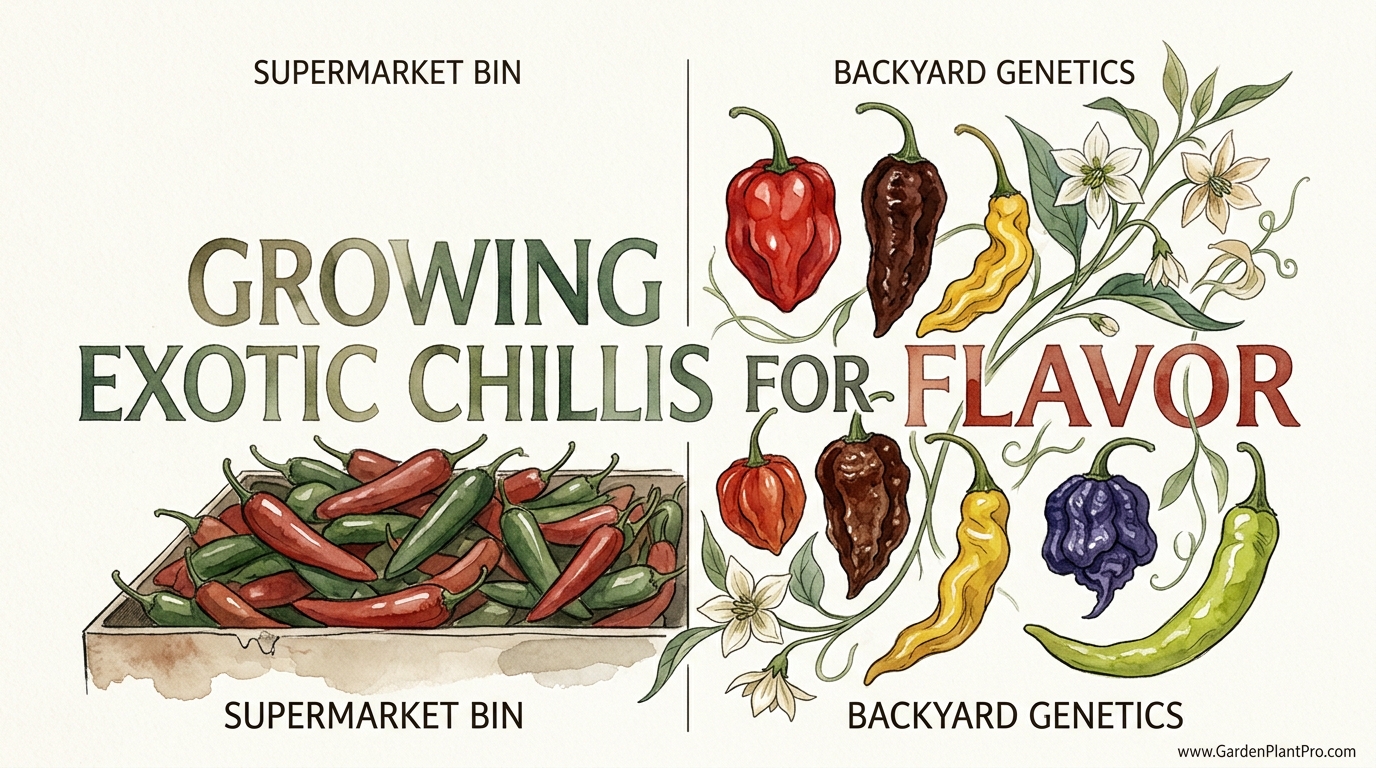
Most folks walk past that supermarket bin filled with waxy, green bells and shriveled jalapeños without a second thought. They think a pepper is just a tool to make their mouth hurt. I used to think the same until I bit into my first home-grown Aji Limon. It didn’t just burn; it tasted like a fresh lemon zest mixed with a bright, clean summer heat. That was the day I realized the massive gap between supermarket convenience and backyard genetics.
I’ve spent the last few decades leaning over garden fences and swapping seeds with neighbors who treat their pepper plants like prize thoroughbreds. There is a whole world of flavor out there that never reaches the grocery shelf because those peppers are too delicate to ship or take too long to grow. If you are willing to give these plants a little time and the right soil, they will reward you with a culinary experience you simply cannot buy.
Growing Exotic Chillis For Flavor
Growing exotic chillis for flavor is about more than just finding the hottest pepper on the planet. While the world records for heat are impressive, the real magic happens in the medium-heat range where the sugars and oils of the fruit can actually be tasted. This practice involves selecting specific species and varieties that have been bred over centuries for their unique aromatic profiles.
Exotic chillis generally fall into five domesticated species, each with its own personality. You have the common Capsicum annuum, but the real flavor stars are often found in the Capsicum baccatum (the citrusy Ajis) and the Capsicum chinense (the floral Habaneros and superhots). There is also the rare Capsicum pubescens, known as the Rocoto, which has black seeds and hairy leaves.
In the real world, these plants are used to create complex hot sauces, fermented mashes, and traditional dishes that require a specific “kick.” For example, you can’t make an authentic Peruvian Causa without the sun-drenched, raisiny taste of the Aji Amarillo. When you grow these yourself, you are tapping into a global heritage of flavor that spans from the mountains of Bolivia to the jungles of the Amazon.
These plants thrive in conditions that mimic their tropical origins. They need long, warm days and nights that don’t get too cold. Because they often have a much longer growing season than your standard garden vegetables—sometimes taking 120 days or more from transplanting to harvest—growing them is an exercise in patience and environmental management.
The Genetics of the Backyard vs. The Supermarket
Supermarket peppers are bred for one thing: shelf life. They need to be picked green, survive a thousand-mile journey in a refrigerated truck, and still look “perfect” under fluorescent lights. This focus on durability usually comes at the expense of flavor. The skins are thick, the water content is high, and the complex oils that provide aroma are almost non-existent.
In your backyard, you can prioritize genetics that focus on Brix levels (sugar content) and terpenes (aroma). You can let a Sugar Rush Peach ripen on the vine until it actually tastes like stone fruit. You can grow the Black Panther, a pepper with dark, mottled skin that offers a deep, earthy smokiness you will never find in a commercial bin.
Backyard gardening allows you to experiment with “landrace” varieties. These are peppers that have adapted to specific regions over generations. When you plant these in your own soil, you are participating in a living history. You aren’t just growing a vegetable; you are stewarding a genetic line that has been perfected for its taste buds, not a shipping container.
Understanding the “Flavor Species”
If you want to grow for flavor, you need to know which species brings what to the table. Most beginners start and end with C. annuum because that’s what is at the local nursery. If you want the real exotic stuff, you have to look for the other species.
- Capsicum baccatum: These are the “Ajis.” They are known for being tall, gangly plants that produce fruit with a distinct citrus and berry profile. They are incredibly productive if you give them room to grow.
- Capsicum chinense: This group includes Habaneros, Scotch Bonnets, and the “Superhots.” They are famous for their tropical, floral, and sometimes apricot-like aromas. Even the ones that are terrifyingly hot have a sweetness that is unmatched.
- Capsicum pubescens: These are the “Rocotos.” They come from the high Andes and can actually handle cooler temperatures better than other peppers. Their thick, juicy walls and black seeds make them feel more like a spicy plum than a traditional pepper.
How to Grow Exotic Chillis Step-by-Step
Starting your journey with exotic peppers begins long before the first sprout appears. Because varieties like the 7-Pot or the Aji Amarillo have such long growing seasons, you usually need to start them indoors 8 to 12 weeks before your last frost date. If you wait until the weather is warm to plant your seeds, you might find yourself with a beautiful green plant in October that has no time to ripen its fruit.
The first step is a good soak. I always tell my neighbors to soak their seeds in a weak tea or a very diluted seaweed solution for about 12 to 24 hours. This softens the seed coat, which can be quite tough on species like C. pubescens. It gives the embryo inside a head start and can shave days off your germination time.
The Germination Phase
Temperature is the most critical factor during germination. Exotic chillis are notoriously finicky and will sit in cold soil for weeks without doing a thing. You want your soil temperature to be consistently between 25°C and 30°C (77°F to 86°F). A simple seedling heat mat is the best investment you can make for this stage.
Use a sterile, well-draining seed starting mix. I prefer using coco coir or a light peat-based mix because it doesn’t compact. Plant your seeds about 5mm (1/4 inch) deep and keep the soil moist but not soggy. If the soil stays too wet, the seeds can rot before they ever wake up.
Patience is a virtue here. While a Jalapeño might pop up in 5 days, a Chocolate Douglah or an Aji Charapita might take 3 to 4 weeks to show its face. Don’t give up on them too early. As soon as you see that little green loop breaking the surface, they need intense light immediately to prevent them from becoming “leggy.”
Transplanting and Soil Preparation
Once your seedlings have two or three sets of true leaves, it is time to move them into larger pots. This is where you start building the flavor profile. Peppers love a soil that is rich in organic matter but drains exceptionally well. I like a mix of compost, perlite, and a bit of aged manure.
The ideal soil pH for most peppers is between 6.0 and 6.8. If your soil is too alkaline, the plant won’t be able to take up the micronutrients it needs for those complex flavors. You can test your soil with a simple kit from the garden center. If it’s too high, a little sulfur can bring it down; if it’s too low, a bit of lime will do the trick.
When the nighttime temperatures stay consistently above 13°C (55°F), you can begin the “hardening off” process. This involves taking your plants outside for an hour the first day, two hours the second, and so on. Do not skip this. The sun and wind are much harsher than your indoor lights, and a direct move can kill a young plant in hours.
DIY PROJECT: Collect rainwater no matter where you live...
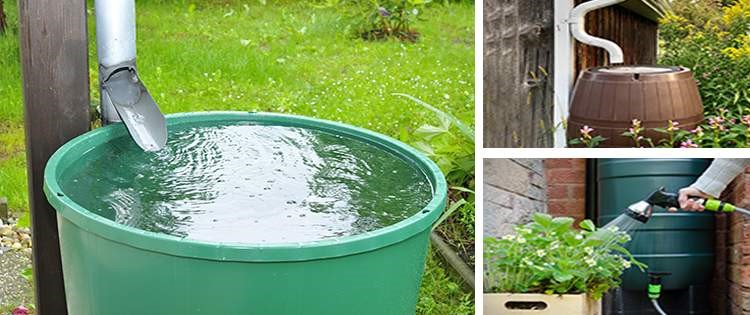
This DIY project is the best way to legally collect rainwater NO MATTER where you live. Get chlorine-free water, cut down on your water bills, and have enough for an emergency situation or to water your garden. Read More Here...
Feeding for Fruit, Not Just Leaves
A common mistake is over-fertilizing with nitrogen. If you give your peppers too much nitrogen, you will get a massive, beautiful green bush with absolutely no fruit. I like to use a balanced fertilizer early on, but once the plant starts to “Y” (where the main stem splits), I switch to something higher in phosphorus and potassium.
Phosphorus encourages blooming, and potassium helps with fruit quality and disease resistance. I also recommend a dose of Epsom salts (magnesium sulfate) once a month. A tablespoon dissolved in a gallon (3.8 liters) of water can help prevent the leaves from yellowing and keeps the plant’s metabolic engine running hot.
Benefits of Growing for Flavor
The primary benefit of growing your own exotic chillis is the sheer variety of culinary options. When you have access to a fresh Lemon Drop pepper, you can make a ceviche that tastes like it came from a coastal Peruvian kitchen. These flavors are volatile, meaning they start to degrade the moment the pepper is picked. By harvesting 10 minutes before dinner, you are getting the peak experience.
Another advantage is the ability to control the heat. Many exotic peppers have a “sweet” version. For example, the Habanada is a C. chinense that has all the floral, tropical aroma of a Habanero but zero heat. Growing these allows you to share the “exotic” experience with friends and family who might not have a high tolerance for spice.
There is also a massive sense of satisfaction in the “garden-to-jar” process. Making your own fermented hot sauce from peppers you grew from seed is a hobby that pays dividends. You can tailor the fermentation time, the salt content, and the fruit additions (like mango or pineapple) to perfectly complement the specific genetics of the peppers you chose.
Finally, home-grown peppers are often more nutrient-dense. Studies have shown that peppers allowed to ripen fully on the vine have higher levels of Vitamin C and antioxidants compared to those picked early for shipping. You aren’t just growing better flavor; you’re growing better health.
Challenges and Common Mistakes
The biggest challenge with exotic peppers is the “Wet Feet” syndrome. Peppers absolutely hate sitting in soggy soil. It leads to root rot and a host of fungal issues. I always tell people to wait until the top inch (2.5 cm) of soil is dry before watering again. If the leaves look a little bit wilty in the afternoon heat, don’t panic—check them in the evening. If they perk back up, they didn’t need water; they were just protecting themselves from the sun.
Another frequent error is planting too close together. Some of these exotic varieties, especially the C. baccatum species, can grow into 1.5-meter (5-foot) monsters. If you crowd them, you restrict airflow, which is an open invitation for aphids and whiteflies. Give each plant at least 45cm to 60cm (18 to 24 inches) of space.
Temperature swings can also cause “blossom drop.” If the daytime temperatures soar above 35°C (95°F) or the nights stay above 24°C (75°F), the plant might drop its flowers to conserve energy. This is frustrating but normal. Provide some afternoon shade during heatwaves to help the plant keep its cool and hold onto those precious potential fruits.
Managing Pests Organically
Aphids are the bane of every pepper grower’s existence. They love the tender new growth at the tips of the plants. Instead of reaching for heavy chemicals that kill the beneficial bugs too, try a strong blast of water from the hose first. This physically knocks them off and usually does the trick if you catch them early.
If the infestation is worse, a simple spray made of water and a few drops of organic neem oil or castile soap can be very effective. I also like to attract “tiny soldiers” to my garden. Planting marigolds, alyssum, and dill nearby will draw in ladybugs and lacewings, which eat aphids like they’re at a buffet.
Limitations of Exotic Pepper Gardening
It is important to be realistic: exotic peppers are not “set it and forget it” plants. They require more attention than a tomato or a zucchini. If you live in a region with a very short summer (less than 90 days of heat), you will almost certainly need a greenhouse or some form of “season extension” like a high tunnel or black plastic mulch to warm the soil.
Space can also be a limitation. While many peppers do great in containers, the really high-yielding exotic varieties often perform much better in the ground or in very large (20-liter / 5-gallon) pots. If you only have a small balcony, you might be limited to more compact varieties like the Thai Bird’s Eye or certain ornamental-but-edible types.
Lastly, there is the “Heat Safety” factor. Growing superhots like the Carolina Reaper or the Trinidad Scorpion requires a different level of care. You have to be careful about where you plant them (away from kids and pets) and how you harvest them. I always wear gloves when handling the fruit, and I never, ever process them in a closed kitchen without a fan running.
Practical Tips for the Seasoned Gardener
Label everything. It sounds simple, but when you have 15 varieties of green seedlings that all look identical, you will regret not having a clear system. Use UV-resistant markers or metal tags. I also like to keep a garden journal where I note which varieties germinated first and which ones seemed most resistant to the local pests.
Use mulch once the soil has warmed up. A good layer of straw or shredded leaves helps maintain consistent moisture levels and prevents soil from splashing up onto the leaves during rain. This simple step can prevent many soil-borne diseases from taking hold in your pepper patch.
Harvesting for Maximum Flavor
Don’t be in a rush to pick. A pepper might look “ripe” color-wise, but the sugars and complex oils often take another week to fully develop. For example, an Aji Amarillo will turn from green to yellow, then finally to a deep, glowing orange. It is that orange stage where the “raisin” and “passionfruit” notes really shine.
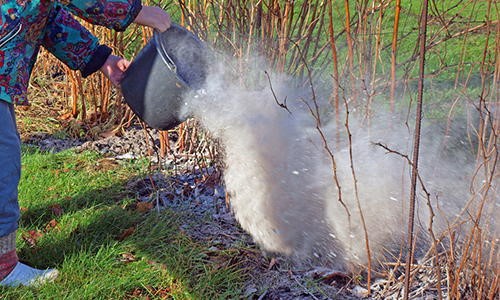
Do you have some charcoal in your house right now? We call charcoal a “miracle leftover” for anyone who wants to be a little more self-sufficient and cut costs. That’s because it can help you with so many different things around the house and garden. You can even use it to make an energy-free fridge. Read More Here...
When you harvest, use a pair of clean snips or scissors. Pulling the fruit off by hand can easily snap the brittle branches of a pepper plant, especially if it’s loaded with fruit. Leave a small bit of the stem attached to the pepper; this helps it stay fresh longer if you aren’t using it immediately.
Advanced Considerations for Serious Growers
If you want to take your pepper game to the next level, look into Topping and FIMing. This involves snipping off the growing tip of the plant when it is about 15-20cm (6-8 inches) tall. This forces the plant to send its energy into lateral branches, resulting in a bushier, sturdier plant that can support a much larger harvest.
You might also consider Overwintering. Peppers are actually perennials, not annuals. In their native climates, they can live for a decade or more. At the end of the season, you can dig them up, prune them back severely, and keep them in a cool (but not freezing) garage or basement. In the spring, you’ll have a plant with a massive, established root system that will outproduce any seedling by a mile.
The Art of Isolation
If you plan on saving seeds, be aware that peppers cross-pollinate very easily. If you grow a Jalapeño next to a Habanero and save the seeds from the Habanero, next year’s plant might produce something entirely different—and often not in a good way. To keep your genetics “pure,” you can use fine mesh bags to cover the flowers before they open, ensuring they self-pollinate without outside interference.
Real-World Example: The Aji Amarillo Journey
Let’s look at a typical scenario for growing a Peruvian favorite. A neighbor of mine wanted to grow Aji Amarillo because he loved a specific sauce he had on vacation. He started his seeds in February under a 100-watt grow light with a heat mat set to 27°C (80°F). By April, he had 20cm (8-inch) tall plants ready for the garden.
He amended his soil with 5cm (2 inches) of leaf compost and set them out in May. Because Ajis are baccatums, they grew to nearly 1.8 meters (6 feet) tall. He used heavy-duty tomato cages to support them. By August, the plants were covered in 10cm (4-inch) long green pods.
He didn’t pick them until late September when they turned a brilliant, sun-soaked orange. From five plants, he harvested over 200 peppers. He dried half of them to make a traditional “Aji Seco” powder and fermented the other half with garlic and onion for a fresh table sauce. The flavor was nothing like the bland, frozen pastes he used to buy at the international market.
Final Thoughts
Stepping away from the supermarket bin and into the world of exotic pepper gardening is one of the most rewarding shifts you can make as a gardener. It changes your relationship with heat from a dare into a culinary exploration. You begin to appreciate the nuance of a pepper’s aroma just as much as its burn.
Remember that the soil is your foundation and patience is your best tool. These plants have been traveling the world for centuries, adapting to mountains and rainforests alike. When you bring them into your backyard, you aren’t just growing food; you are hosting a guest from a far-off land. Give them the warmth and the care they need, and they will tell you their story through every vibrant, flavorful bite.
Do not be afraid to experiment. Try a variety you’ve never heard of. Save your seeds. Share your harvest with the neighbor over the fence. The world of exotic chillis is vast, and your backyard is the perfect place to start uncovering its secrets.