
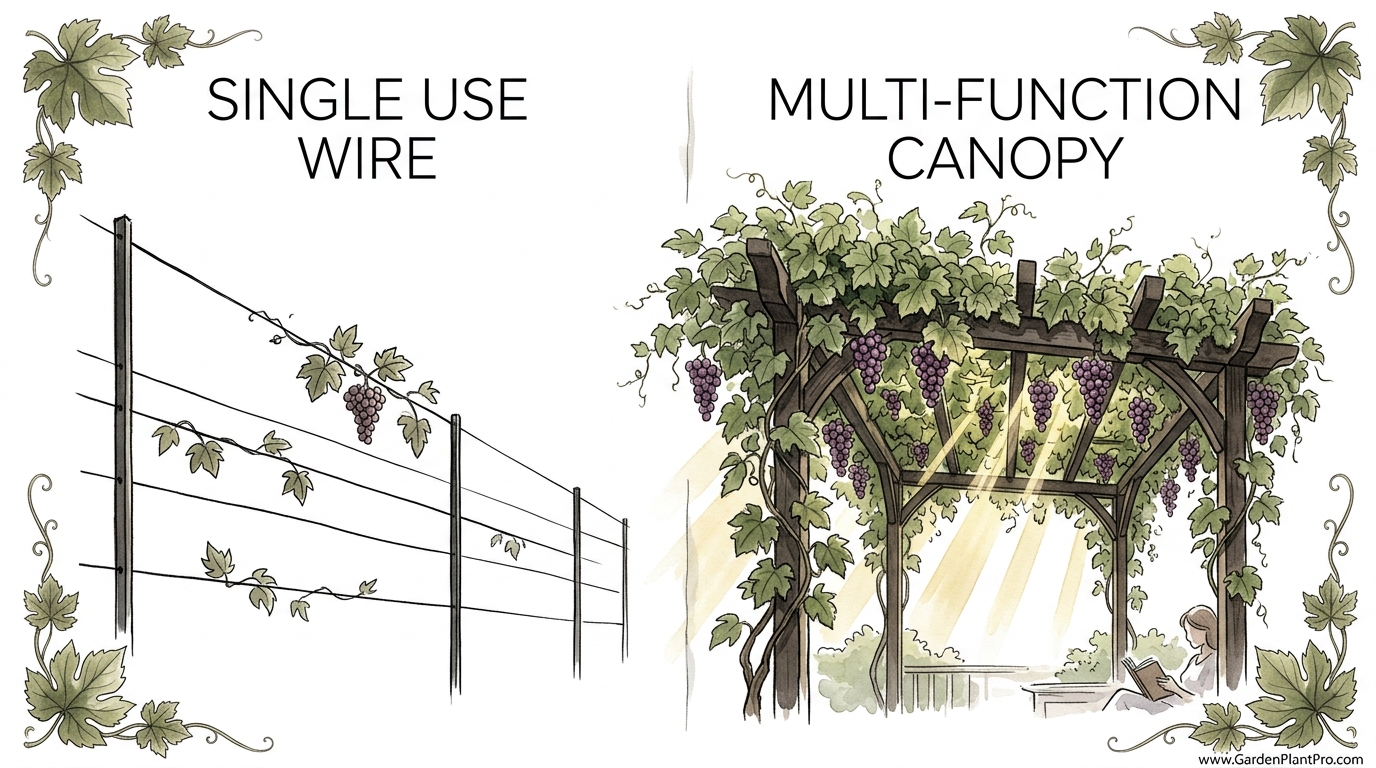
Why settle for just a few bunches of fruit when your grapes could be cooling your patio and building your soil at the same time? Stop treating your grapevines like a commercial farm crop. In a small garden, every plant needs to work overtime. While a wire trellis only gives you fruit, a strategic grape arbor provides living shade, privacy, and a self-mulching ecosystem. Turn your backyard into a productive oasis by letting your vines climb higher.
Growing grapes over a pergola is one of those old-world gardening secrets that seems to have been lost in the rush toward modern, high-intensity farming. We have become so focused on yields and sugar content that we forget a grapevine is, first and foremost, a powerful architectural tool. When you let a vine find its way over your head, you are not just growing food. You are creating a microclimate that can drop the temperature of your patio by 10 to 15 degrees Fahrenheit (5 to 8 degrees Celsius) in the heat of July.
I have spent decades watching these vines crawl across wood and wire. One thing I can tell you for certain is that a vine is much happier when it has room to stretch its legs. Commercial growers prune them into tight, low-to-the-ground rows because it makes harvesting with a machine easier. You do not have that limitation. You have the luxury of vertical space, and that height is exactly what a grape needs to truly thrive and protect your garden from the scorching sun.
Pergola Grapes For Shade And Harvest
A grape pergola is a functional garden structure designed to support the heavy, woody growth of grapevines while creating a sheltered space beneath. Unlike a standard vineyard trellis which usually stands only 5 or 6 feet (1.5 to 1.8 meters) tall, a pergola is built high enough for people to walk, sit, or dine under. This dual-purpose approach turns a simple plant into a living roof.
In the real world, this system works because grapevines are naturally “lianas,” or climbing woody vines. In the wild, they would scramble up the tallest oak or maple tree to reach the sunlight at the top of the canopy. When we build a pergola, we are simply giving them a more convenient ladder. The fruit hangs down through the rafters, making it easy to see and reach, while the leaves form a thick, overlapping shingles-like layer that blocks out the sun.
This method is used everywhere from the sun-drenched hills of Italy to the humid backyards of the American South. It is particularly valuable for gardeners with limited square footage. Instead of dedicating a whole section of the yard to a fruit patch, you can grow your fruit directly over your outdoor living room. It turns wasted vertical space into a productive zone that feeds both your family and your soil.
How To Choose The Right Vine For Your Arbor
Choosing the right variety is the difference between a lush, productive canopy and a spindly mess of leaves. You need to consider three things: your climate, your taste buds, and the vigor of the vine. Since an arbor is a large structure, you generally want a vine with high vigor—one that can grow 10 to 15 feet (3 to 4.5 meters) in a single season once established.
American varieties (Vitis labrusca) are the traditional choice for backyard arbors. They are incredibly hardy and have that classic “grapey” flavor we associate with juice and jelly. ‘Concord’ is the gold standard here, known for its deep blue fruit and massive, shade-providing leaves. If you prefer a green grape, ‘Niagara’ is a fantastic white counterpart that smells like heaven when the fruit starts to ripen in late summer.
For those in warmer climates or the Deep South, Muscadines (Vitis rotundifolia) are the kings of the arbor. They are naturally resistant to almost every pest and disease that plagues European grapes. Varieties like ‘Ison’ or ‘Southern Home’ produce thick, leathery leaves that stay dark green even in the most brutal humidity. If your goal is strictly shade and you do not care much for eating the fruit, you might even consider a native wild grape, which will grow faster than any cultivated variety.
Table Grapes vs. Wine Grapes
Table grapes are generally better suited for arbors than wine grapes. Wine grapes (Vitis vinifera) like ‘Cabernet’ or ‘Chardonnay’ tend to have smaller leaves and are more susceptible to mildews when the airflow is restricted by a thick canopy. Table grapes, especially the modern seedless hybrids like ‘Reliance’, ‘Mars’, or ‘Jupiter’, are bred for disease resistance and have larger, more decorative foliage.
Seedless Varieties for High Traffic Areas
If your pergola is over a dining table, consider seedless varieties. No one wants to spend an afternoon spitting seeds onto the patio. ‘Flame Seedless’ provides a beautiful red hue to the clusters, while ‘Thompson Seedless’ offers that classic grocery-store crunch. Just keep in mind that these European-type seedless grapes often need a bit more heat and a longer growing season than the hardy American types.
Building a Structure That Lasts
A common mistake I see is gardeners underestimate just how heavy a mature grapevine can be. A single vine laden with fruit and soaked with rainwater can weigh hundreds of pounds. If you add in the weight of the woody “trunk” that develops over ten or twenty years, a flimsy 2×2 trellis will buckle and snap.
Start with substantial posts. You should use 4×4 or, ideally, 6×6 pressure-treated or rot-resistant timber (like cedar or black locust). These posts need to be set at least 2 feet (60 centimeters) into the ground and anchored with concrete. The top of the structure should stand about 7.5 to 8 feet (2.3 to 2.4 meters) high. This provides enough clearance for people to walk under even when the heavy fruit clusters are hanging down.
The rafters or cross-beams should be spaced no more than 12 to 18 inches (30 to 45 centimeters) apart. This creates a tight enough grid for the vine’s tendrils to grab hold of. If the gaps are too wide, the vine will sag in the middle, creating “pockets” where water can collect and cause rot in both the wood and the fruit.
Training Your Grapes: The First Three Years
Patience is the most important tool in your garden kit when starting an arbor. You cannot just plant the vine and let it run wild. If you do, you will end up with a tangled ball of wood at the base of the post and nothing on the roof.
During the first year, your only goal is to grow a single, straight trunk. When you plant your young vine, prune it back to just two or three buds. As it starts to grow, choose the strongest shoot and tie it to the post. Remove all other side shoots as they appear. This focuses all the plant’s energy into reaching the top of the arbor. By the end of the first season, your vine should look like a long, thin whip reaching toward the rafters.
In the second year, once the vine has reached the top of the post, snip the tip. This encourages the plant to “break” and send out horizontal branches. These will become your “cordons” or permanent arms. Tie these arms along the main beams of your pergola. You want them to grow away from the trunk like the top of a capital letter “T”.
The third year is when the magic happens. Along those horizontal cordons, small side shoots will grow. These are the “fruiting canes.” This is the year you might see your first small harvest. From this point on, your job is to maintain those permanent arms and prune the side shoots back every winter to keep the canopy from becoming a dense, unproductive thicket.
The Benefits of an Overhead Canopy
The most obvious benefit is the shade. A living roof of grape leaves is much cooler than a plastic or metal awning. The leaves “breathe” through a process called transpiration, which actually cools the air around them. On a 90-degree day (32 degrees Celsius), sitting under a grape arbor can feel like sitting in an air-conditioned room.
DIY PROJECT: Collect rainwater no matter where you live...
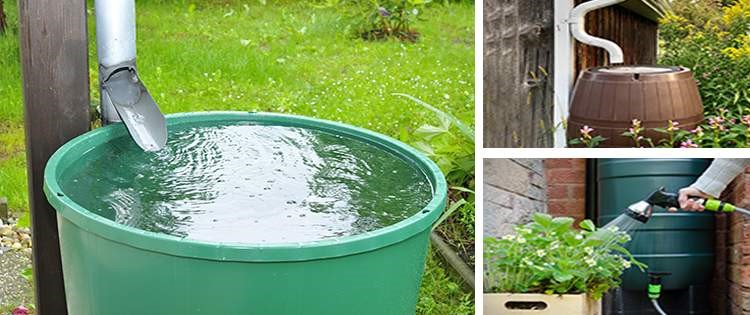
This DIY project is the best way to legally collect rainwater NO MATTER where you live. Get chlorine-free water, cut down on your water bills, and have enough for an emergency situation or to water your garden. Read More Here...
Beyond comfort, this system is a boon for your soil. Every autumn, the vine will drop hundreds of large, nutrient-rich leaves. Instead of raking them up and throwing them away, let them fall. They create a thick layer of mulch that protects the soil over winter. As they decompose, they feed the fungal networks in the earth, improving the soil structure for every other plant in the vicinity.
Privacy is another huge plus. If you have neighbors with second-story windows looking down into your yard, a grape arbor creates an impenetrable green screen. Because grapes are deciduous, they provide shade and privacy when you need it most in the summer, but they drop their leaves in the winter to allow the low winter sun to warm your house.
Challenges and Common Mistakes
The mess is the biggest hurdle for most people. When grapes ripen, they attract birds, bees, and wasps. Some fruit will inevitably drop and ferment on the ground. If your pergola is over a high-end stone patio, the juice from varieties like ‘Concord’ can leave purple stains. You can mitigate this by choosing “white” or green varieties like ‘Niagara’ or ‘Himrod’, which do not stain nearly as much.
Another mistake is neglecting the winter prune. People see the lush growth in summer and feel bad about cutting it back. However, grapes only produce fruit on wood that is one year old. If you do not prune, the vine will produce miles of old, unproductive wood, and your fruit will get smaller and sourer every year. You should be removing about 85% to 90% of the previous year’s growth every single winter.
Be mindful of the weight during wet seasons. If you live in an area with heavy snow or high winds, you must ensure your structure is braced diagonally. A “sail effect” occurs when a fully leafed-out vine catches a strong summer gust, which can pull an unbraced pergola right out of the ground.
Arbor Grapes vs. Commercial Wire Trellis
It helps to understand why you would choose an arbor over the traditional low-wire system often seen in vineyards.
| Feature | Commercial Wire Trellis | Multi-Function Arbor |
|---|---|---|
| Primary Goal | Maximum fruit yield and sugar. | Shade, privacy, and moderate fruit. |
| Maintenance | High (frequent spraying/thinning). | Moderate (annual winter pruning). |
| Space Use | Dedicated “farm” space. | Integrated with living space. |
| Harvesting | Easy (waist-high). | Needs a ladder or long reach. |
| Aesthetics | Industrial/Agricultural. | Romantic/Lush. |
Practical Tips for Success
One of the best things you can do for your vine is to manage the “feet” and the “head” differently. The “feet” (the roots) love a thick layer of mulch and consistent moisture, but they hate sitting in soggy, waterlogged soil. If you have heavy clay, plant your vine on a slight mound or in a raised bed at the base of the pergola post.
Keep an eye on the “head” (the canopy) for airflow. Fungal diseases like Powdery Mildew thrive in stagnant, humid air. Even if you want a thick shade, try to prune out some of the internal, spindly growth in the middle of summer. This allows the wind to move through the leaves, drying them out after a rain and keeping the fruit healthy.
Harvesting from a high arbor requires a different approach than a low trellis. I recommend using “grape shears”—small, pointed snips—that allow you to reach into the canopy and cut the stem of the cluster without bruising the fruit. If the arbor is very high, a small stepladder is a must. Never pull on the clusters, as this can damage the fruiting wood for the following year.
Soil and Fertilization
Grapevines are deep-rooted survivors. They do not need a lot of high-nitrogen fertilizer. In fact, too much nitrogen will give you massive leaves and zero fruit. I prefer a simple top-dressing of well-rotted compost in the early spring. If your soil is particularly poor, a balanced 10-10-10 fertilizer can be applied once a year when the buds first begin to swell.
Pest Management
Birds are your biggest competitors for the harvest. On a commercial farm, they use netting, but that is nearly impossible on a large pergola. A more practical solution for the backyard is “bagging.” You can buy small mesh organza bags and slip them over the ripening clusters. This protects the grapes from birds and wasps while still allowing them to breathe and ripen.
Advanced Considerations: Expanding the System
For those who want to take it a step further, consider integrating your grape arbor with a graywater system. Grapevines are thirsty during the summer when they are bulking up their fruit. Positioning the arbor near a laundry outlet or a rain barrel overflow can provide the deep watering they crave without using extra city water.
You can also experiment with “multi-variety” arbors. If you have a large structure with four posts, you do not have to plant four of the same vine. You could plant an early-ripening ‘Interlaken’ on one post and a late-season ‘Concord’ on another. This extends your harvest season from late July all the way into October.
Think about the light. If your patio is on the north side of your house, it might stay too shaded for grapes to ripen properly. Grapes need at least 7 to 8 hours of direct, blazing sun to develop their sugars. If your site is too shady, you will still get the beautiful leaves, but the fruit may remain small and tart. In that case, you are better off focusing on the “shade” aspect of the arbor and treating any fruit as a bonus for the local birds.
Scenario: The Small Urban Patio
Imagine a 10×10 foot (3×3 meter) concrete patio in the city. It is a heat trap in August, making it unusable. By installing a simple four-post wooden frame and planting just two ‘Mars’ seedless grapevines, the entire dynamic changes.
In three years, those two vines will have covered the roof. The concrete stays in the shade, meaning it does not radiate heat back at you all night. You can sit outside with a morning coffee, surrounded by hanging clusters of deep blue grapes. The vines take up only about 2 square feet (0.18 square meters) of ground space near the posts, leaving the rest of the patio open for furniture. This is the ultimate example of vertical gardening—maximizing production while improving the quality of life.
Final Thoughts
Building a grape arbor is an investment in the future of your garden. It is one of the few projects where the results get better every single year. As the trunk of the vine thickens and becomes gnarled, it adds a sense of history and permanence to your backyard that a simple umbrella or fabric sail can never match.
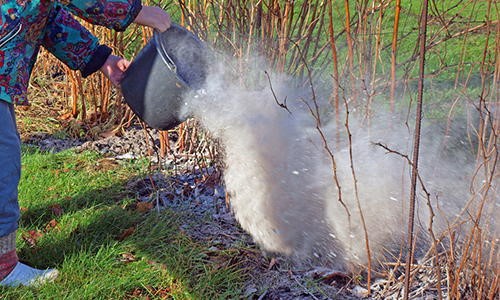
Do you have some charcoal in your house right now? We call charcoal a “miracle leftover” for anyone who wants to be a little more self-sufficient and cut costs. That’s because it can help you with so many different things around the house and garden. You can even use it to make an energy-free fridge. Read More Here...
Remember that you are working with a living thing. There will be years with more bees than usual, and years where the birds get the best clusters. That is all part of the dance. By moving your grapes from the commercial-style wire and onto a multi-functional canopy, you are choosing a more resilient, beautiful, and productive way to garden.
Give your vines the height they crave. Let them climb, let them shade your table, and let them feed your soil. Once you have spent a summer afternoon under the cool, green light of a mature grape arbor, you will never want to grow them any other way. Experiment with different varieties, stay on top of your winter pruning, and enjoy the literal fruits of your labor for decades to come.