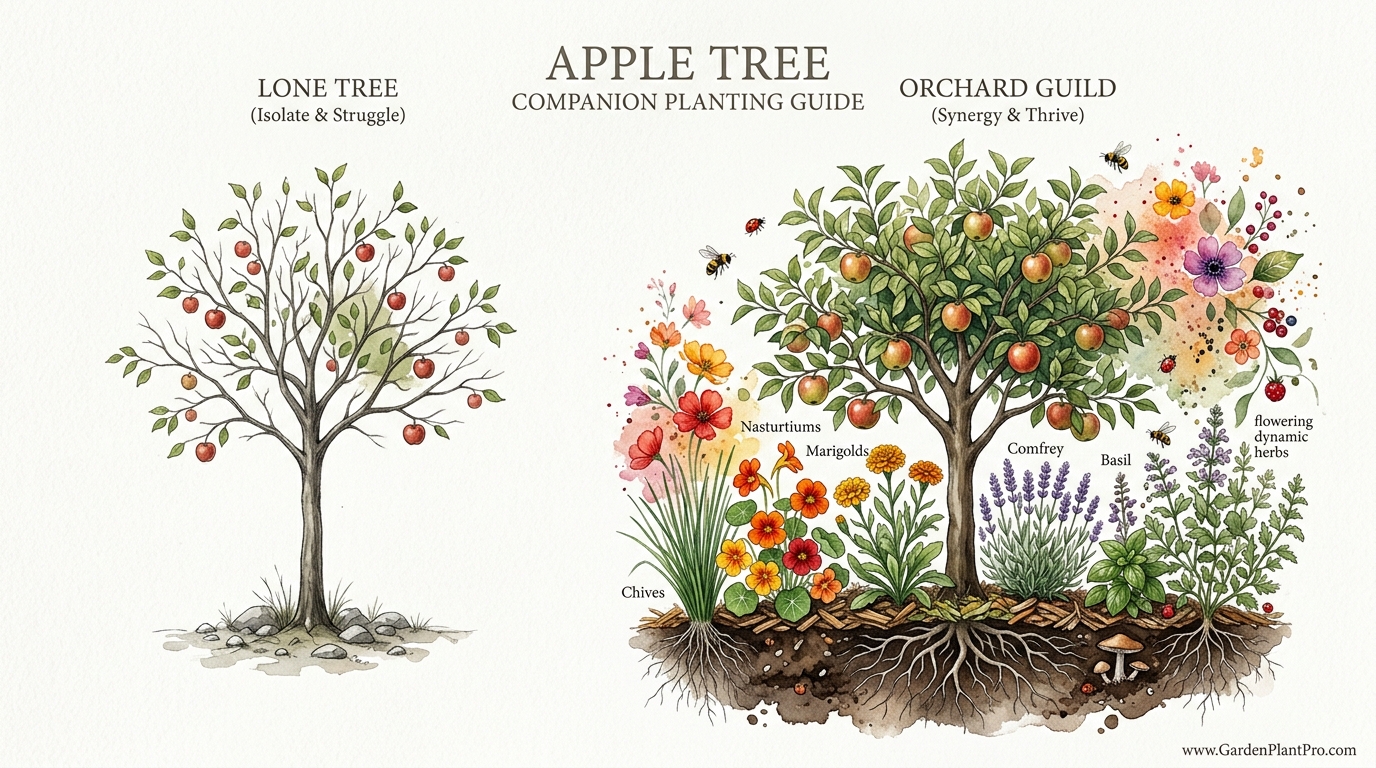
A tree in a lawn is a tree in a desert. Modern landscaping tells us to plant trees in a sea of grass, but grass is a greedy neighbor. Surrounding your apple tree with a ‘guild’ of beneficial plants creates a self-fertilizing, pest-fighting ecosystem that does the work for you. This approach mimics the natural forest edge, where diversity is the engine of health.
I have spent the better part of forty years watching trees grow. Early on, I did what everyone else did. I kept the grass neatly mowed right up to the trunk. I hauled heavy bags of synthetic fertilizer every spring. I sprayed for aphids and worried about apple scab. Eventually, I realized that the forest does not need a bag of 10-10-10 or a lawnmower to thrive. It uses a community.
Integrating a guild into your backyard is not just about aesthetics. It is about biological efficiency. When we look at a lone tree in a mown lawn, we see a plant struggling against a monoculture of grass that steals nitrogen and water before they ever reach the tree’s roots. A guild replaces that competition with cooperation.
Apple Tree Companion Planting Guide
An apple tree guild is a carefully selected community of plants positioned around a central fruit tree. This system is designed to perform specific ecological functions that the tree cannot manage on its own. In the wild, trees do not grow in isolation. They are surrounded by shrubs, herbs, and ground covers that share nutrients, attract pollinators, and repel pests.
The term “guild” comes from the idea of a craftsmen’s association. Each member has a job to do. One plant might mine minerals from deep in the subsoil. Another might convert atmospheric nitrogen into a form the tree can eat. A third might provide a fragrant mask to confuse egg-laying moths. Together, they create a self-sustaining unit that requires less human intervention over time.
In real-world situations, gardeners use guilds to solve site-specific problems. If you have heavy clay soil, you might lean heavily on deep-rooted dynamic accumulators to break up the earth. If your area is prone to fungal issues like apple scab, you might focus on alliums and aromatic herbs that have antifungal properties. The guild is a flexible tool that you can tune to your specific climate and soil conditions.
How the Ecosystem Works
Building a guild starts with understanding the different functional roles plants play. Think of it as a professional sports team. You cannot have a team made only of strikers; you need defenders, a goalkeeper, and a coach. In a fruit tree guild, these roles are usually categorized into six or seven groups.
Nitrogen fixers are perhaps the most vital members. These plants, such as clover, lupines, or peas, have a symbiotic relationship with bacteria in their roots. These bacteria take nitrogen gas from the air and turn it into nitrogen compounds in the soil. When the leaves of these plants drop or the roots die back, that nitrogen becomes available to your apple tree.
Dynamic accumulators are the “miners” of the garden. Plants like comfrey have taproots that can reach depths of 3 to 10 feet (1 to 3 meters). They pull up minerals like potassium, calcium, and magnesium from deep layers of the soil that the apple tree’s shallower roots cannot reach. These minerals are stored in the leaves. When you “chop and drop” the leaves as mulch, you are essentially fertilizing the tree from the bottom up.
Pest repellers and attractors manage the insect population. Aromatic plants like chives, garlic, and mint use strong scents to confuse pests like the codling moth, which searches for the tree by smell. Meanwhile, umbelliferous plants like dill or fennel provide nectar for tiny predatory wasps. These wasps are the “air force” of your garden, preying on the aphids and caterpillars that want to eat your apples.
Implementing Your Guild Step by Step
Starting a guild is easiest when you are first planting a tree, but you can retrofit an existing tree just as well. The first step is to remove the “greedy neighbor”—the grass. I prefer a method called sheet mulching because it does not disturb the delicate soil biology with tilling.
Begin by marking out the “drip line” of your tree. The drip line is the circle on the ground directly beneath the outermost tips of the branches. This is where most of the tree’s feeder roots live. For a young tree, I usually start with a circle about 6 to 8 feet (2 to 2.5 meters) in diameter.
Lay down a thick layer of plain brown cardboard or several layers of wet newspaper over the grass. Overlap the edges by at least 6 inches (15 centimeters) so the grass cannot sneak through. This will smother the turf and eventually rot down into rich organic matter. Water the cardboard until it is soaking wet.
Cover the cardboard with 2 to 4 inches (5 to 10 centimeters) of high-quality compost. On top of the compost, add a thick layer of wood chips or straw. This “lasagna” of organic material mimics the forest floor. You can plant your companions right through this mulch by cutting small holes in the cardboard.
Planting the Functional Layers
Spacing is critical. You do not want to crowd the trunk of the tree. Keeping the area within 12 to 18 inches (30 to 45 centimeters) of the trunk clear of heavy vegetation prevents moisture buildup and “burr knots” or fungal rot on the bark.
Spring is generally the best time for planting most guild members, though bulbs should go in during the autumn. Start with your “anchor” plants like comfrey and clover. I recommend Russian Comfrey (specifically the ‘Bocking 14’ variety) because it is sterile and will not take over your entire yard by seed. Plant one or two comfrey plants at the drip line.
Intersperse your nitrogen fixers throughout the mid-zone. White clover makes an excellent living mulch that you can walk on without damaging it. If you have more space, a Siberian Pea Shrub or a Goumi berry bush can be planted on the north side of the tree so they do not shade out the apple tree as they grow.
Fill the gaps with aromatic herbs and pollinator attractors. Chives are wonderful because they bloom early, providing food for bees right when the apple blossoms need pollinating. Lavender, rosemary, and sage are great for drier climates, while mint and lemon balm thrive in wetter, shadier spots. Be careful with mint, as it spreads aggressively; I often keep it in sunken pots to manage its growth.
Benefits of the Guild Approach
Adopting this method offers several practical advantages that a standard orchard layout lacks. The most immediate benefit is moisture retention. A thick layer of living mulch and organic matter acts like a sponge, keeping the soil cool and hydrated even during a hot July or August.
DIY PROJECT: Collect rainwater no matter where you live...
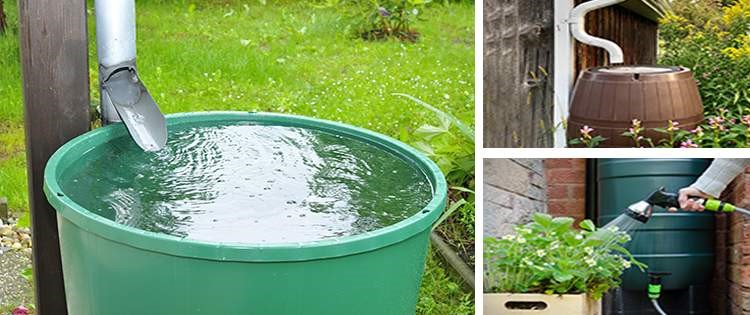
This DIY project is the best way to legally collect rainwater NO MATTER where you live. Get chlorine-free water, cut down on your water bills, and have enough for an emergency situation or to water your garden. Read More Here...
Labor reduction is another significant win. Once a guild is established, it requires very little weeding. The plants you have chosen will occupy every available niche, leaving no room for opportunistic weeds to take hold. You also spend less time hauling fertilizer, as the system generates its own fertility through nitrogen fixation and mineral cycling.
Harvest diversity is a hidden gem of the guild. Instead of just getting apples in the fall, you might get strawberries in early summer, chives for your kitchen throughout the spring, and medicinal herbs for tea all year long. You are turning a single-purpose space into a multi-functional food forest.
Resilience is perhaps the most important benefit for the long-term gardener. A monoculture of apple trees is a “sitting duck” for diseases. If one tree gets a pest, it spreads like wildfire. In a guild, the sheer diversity of plants creates barriers and habitat for beneficial insects, making the whole system much more capable of bouncing back from a bad year or a pest outbreak.
Challenges and Common Mistakes
One of the most frequent errors I see is planting too much too soon. Gardeners get excited and cram twenty different species into a small circle. This leads to intense competition for light and nutrients. It is better to start with five or six reliable plants and see how they behave in your specific soil before adding more.
Using invasive species is another pitfall. Common comfrey (Symphytum officinale) can be a nightmare because it spreads by seed and root fragments. If you ever try to dig it up, every tiny piece of root left behind will grow into a new plant. Stick to ‘Bocking 14’ or other sterile cultivars to keep the system manageable.
Neglecting the “inner circle” can lead to health problems for the tree. While it is tempting to plant flowers right up against the trunk, this traps humidity and can encourage vole damage or fungal infections. Keep that small buffer zone clear of everything except perhaps a few spring bulbs like daffodils.
Ignoring the mature size of the companion plants is a classic beginner mistake. A small Goumi shrub might look fine next to a sapling today, but in five years, it could be shading out the lower branches of your apple tree. Always research the mature height and width of every plant you include and place them where they will have room to grow.
Limitations and Environmental Constraints
A guild is not a magic wand. It cannot overcome a fundamentally poor site choice. If you plant an apple tree in a swampy area with no drainage, no amount of comfrey will save it. Similarly, if you live in an extremely arid climate, a guild might actually increase water competition in the early years until the soil organic matter builds up enough to compensate.
Space can be a limitation for urban gardeners. A full-sized apple tree guild can easily take up a circle 15 feet (4.5 meters) in diameter. For smaller yards, you must use dwarf or semi-dwarf rootstocks and choose smaller companion plants. Instead of large shrubs, focus on low-growing herbs and ground covers like strawberries and thyme.
Maintenance style is a factor to consider. If you prefer a “park-like” look with perfectly manicured edges, a guild might look messy to you. It is a wilder, more organic aesthetic. It looks like a garden, not a golf course. You have to be comfortable with a bit of “organized chaos.”
Lone Tree vs. Orchard Guild Comparison
When deciding whether to stick with a traditional lawn-based tree or move toward a guild, it helps to look at the practical trade-offs.
| Feature | Lone Tree in Lawn | Orchard Guild |
|---|---|---|
| Fertilization | Requires external inputs (bags of fertilizer). | Self-fertilizing via N-fixers and accumulators. |
| Water Needs | Higher; grass competes for surface moisture. | Lower; mulch and ground cover retain water. |
| Pest Control | Often requires chemical sprays. | Integrated; uses aromatic masks and predators. |
| Maintenance | Mowing and edging (ongoing). | Chop-and-drop pruning (seasonal). |
| Yield | Apples only. | Apples, berries, herbs, and flowers. |
Practical Tips and Best Practices
Observation is your best tool. Every garden is different. Spend time watching where the sun hits the ground at different times of the day. In the northern hemisphere, the north side of the tree will be in shade for much of the year, while the south side will be baking. Plant your sun-loving herbs like lavender on the south side and your shade-tolerant plants like currants or hostas on the north.
Utilize the “chop and drop” technique. This is the hallmark of guild maintenance. When your comfrey or clover gets tall and starts to flower, cut it back by half. Leave the cuttings right there on the ground. They will decompose quickly, releasing a burst of nutrients exactly when the tree is often setting fruit. I usually do this three or four times a season.
Consider the timing of your blooms. You want a “pollinator bridge” that lasts from early spring to late autumn. If you only have plants that bloom in June, the bees will leave once the flowers fade. By planting a mix of crocus (early), apples (mid-spring), and asters (late), you keep the beneficial insects in your yard all season long.
Protect your young trees from competition in the first two years. While the guild is designed to help, a tiny sapling can be smothered by a massive comfrey plant. Give the tree a “head start” by keeping the companion plants at a distance of 2 to 3 feet (60 to 90 centimeters) for the first few seasons until the tree’s root system is robust enough to hold its own.
Advanced Considerations for the Serious Practitioner
Mycorrhizal fungi are the secret weapon of a successful guild. These fungi form a network in the soil that connects the roots of different plants. They act like a biological internet, transporting phosphorus and water from one plant to another. When you plant a diverse guild, you encourage a much wider variety of these fungi than you would in a lawn. You can even buy mycorrhizal inoculants when planting your tree to give the soil biology a jump start.
Microclimate management is another advanced technique. You can use rocks or small logs within the guild to create “heat sinks.” A large rock on the sunny side of the guild will soak up heat during the day and radiate it back at night, protecting the roots from late spring frosts. These elements also provide habitat for ground beetles, which are voracious predators of pests like slugs and snails.
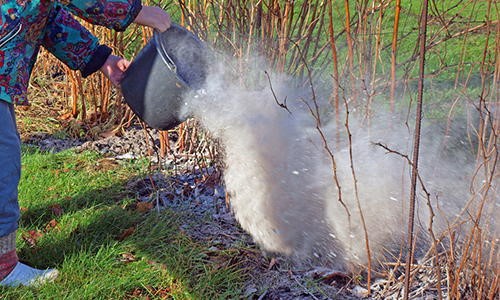
Do you have some charcoal in your house right now? We call charcoal a “miracle leftover” for anyone who wants to be a little more self-sufficient and cut costs. That’s because it can help you with so many different things around the house and garden. You can even use it to make an energy-free fridge. Read More Here...
Bio-indicators can tell you about your soil health without a lab test. If your nettles are growing five feet tall, you have plenty of nitrogen. If your dandelions are everywhere, your soil might be compacted. Use the “weeds” that show up naturally in your guild as clues. Instead of fighting them, ask why they are there and what they are trying to fix in the soil.
Example Scenario: A Zone 6 Apple Guild
Let’s look at a practical layout for a semi-dwarf Liberty apple tree in a temperate climate with clay-loam soil. This tree will eventually have a spread of about 12 to 15 feet (3.5 to 4.5 meters).
In the center, we have our apple tree. Around the base, in the 18-inch (45-centimeter) buffer zone, we plant five or six daffodils. These bulbs are toxic to voles and deer, acting as a “living fence” to protect the trunk during the winter. They also bloom early, signaling the start of the season.
Moving out to the mid-zone, we have three Russian Comfrey plants spaced evenly around the drip line. Between the comfrey, we scatter a mix of white Dutch clover and nasturtiums. The clover fixes nitrogen year-round, while the nasturtiums act as a “trap crop” for aphids, drawing them away from the apple leaves.
On the outer edge, we tuck in some culinary herbs. We plant chives on the sunny south side to help prevent apple scab. On the slightly shadier side, we put a few woodland strawberry plants. They act as a ground cover, keeping the soil moist and giving us a sweet snack while we work in the garden. This simple setup covers all the functional roles without being overly complex or expensive.
Final Thoughts
Building an apple tree guild is a journey away from the “command and control” style of gardening. It requires a shift in perspective. You are no longer just a manager of a single plant; you are the steward of a tiny, thriving forest. This process takes time to mature, but the rewards are measured in healthier trees, richer soil, and a deeper connection to the natural world.
I encourage you to start small. Choose one tree this season. Clear a circle of grass, lay down some cardboard, and plant three or four companions. Watch how the soil changes over the next year. You will likely see more earthworms, better moisture retention, and a tree that looks more vibrant than its lawn-bound neighbors.
Gardening is ultimately about experimentation. Do not be afraid to move a plant if it isn’t happy, or to try a new species you’ve read about. The trees have been growing this way for millions of years. We are simply relearning how to give them the community they’ve always wanted. Once you see the results, you’ll never look at a lone tree in a lawn the same way again.