
The grocery store has been lying to you about what a currant is supposed to taste like. Modern currants were bred for one thing: surviving a 500-mile truck ride. In the process, we lost the complex aromatic oils and 4x Vitamin C concentration of the old-world varieties. If you want the real flavor, you have to grow the seedlings our ancestors cherished.
Most people today have never actually tasted a real black currant. What you find in those little purple boxes labeled “dried currants” near the raisins aren’t currants at all. They are actually tiny Zante grapes, a completely different species that lacks the soul of a true Ribes nigrum. When you finally bite into a real, sun-ripened heirloom berry from your own garden, the intensity can be a shock to the system.
These berries carry a deep, musky, and resinous aroma that fills the air on a warm summer evening. It is a flavor that was almost erased from the North American landscape for nearly a century. To bring it back, you have to look past the hybridized varieties built for mechanical harvesters and return to the genetics that once defined the European kitchen garden.
Growing these plants isn’t just about fruit; it is about reclaiming a piece of lost horticultural history. As a gardener who has spent decades tending these shrubs, I can tell you that there is nothing more rewarding than seeing a heavy cluster of jet-black berries shining against the green leaves. It is a signal that the real harvest has finally arrived.
The Great Disappearance and the Modern Compromise
The reason black currants are so rare in many parts of the world today stems from a dramatic historical conflict. In the early 20th century, the lumber industry pressured the United States government to ban the cultivation of all Ribes species. They believed the plants were the primary host for white pine blister rust, a fungus that threatened the nation’s timber supply.
Between 1911 and 1966, a federal ban led to the systematic destruction of millions of currant bushes. This “Great Eradication” meant that generations of people grew up without ever seeing or tasting the fruit. When the ban was finally eased in the late 1960s and early 2000s, the only varieties that were allowed back into the market were those bred specifically for disease resistance.
While resistance is important, breeding programs often prioritized it at the expense of flavor. Modern hybrids like ‘Consort’ were developed to be immune to rust, but many old-timers find their flavor a bit “flat” or overly harsh compared to the ancient varieties. The heirloom plants, by contrast, were selected over hundreds of years for their aromatic complexity and their massive nutritional punch.
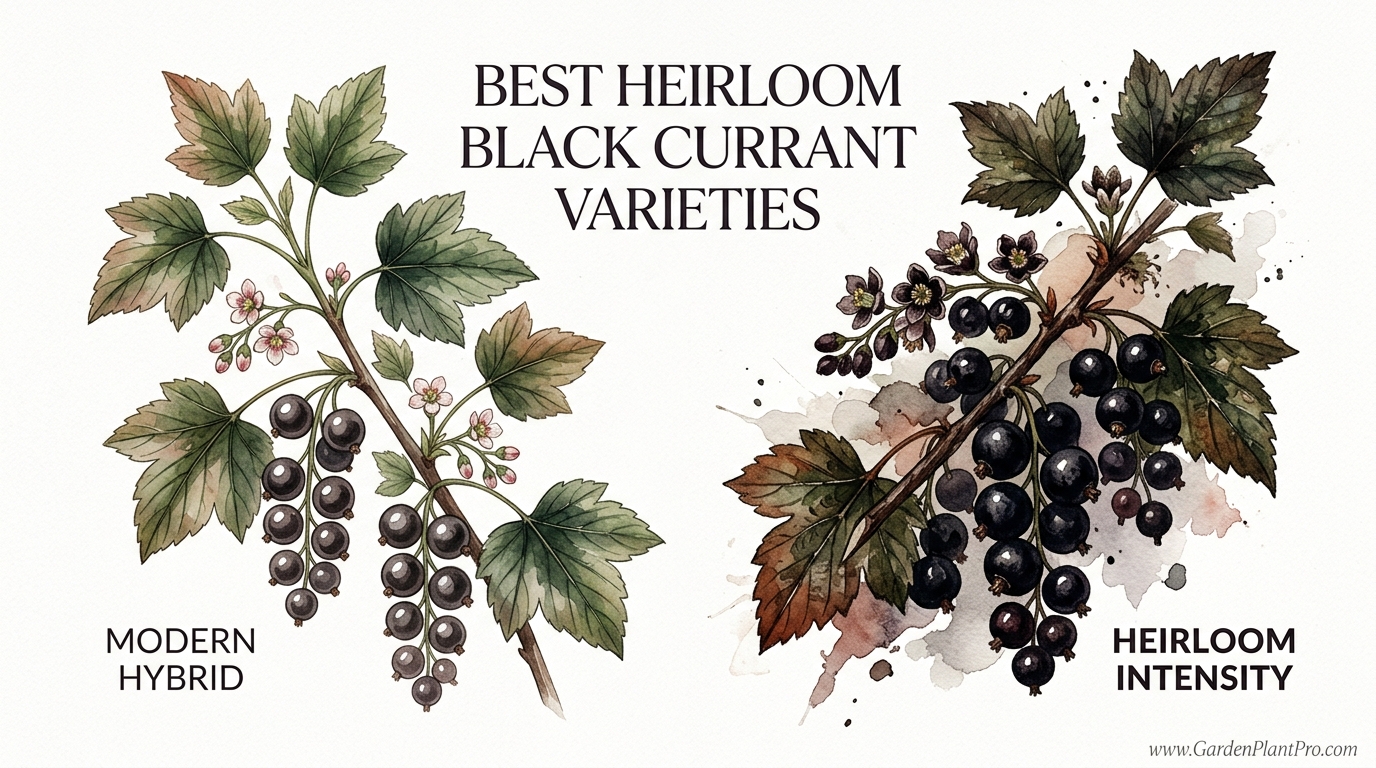
When we talk about HEIRLOOM INTENSITY, we are talking about a berry that contains up to 181 mg of Vitamin C per 100 grams. That is three to four times the concentration found in an orange. These old-world varieties are also packed with anthocyanins and phenolic compounds that provide a depth of flavor—often described as “spicy,” “piney,” or “earthy”—that modern shipping-friendly berries simply cannot match.
Best Heirloom Black Currant Varieties
If you want to experience the true, unadulterated flavor of a black currant, you have to be selective about which cultivars you put in the ground. Heirloom varieties are those that have been preserved for their exceptional culinary qualities, often dating back to the 19th century or earlier.
Boskoop Giant: Originally from the Netherlands around 1880, this is the gold standard for many traditionalists. The berries are exceptionally large—often reaching 1 cm (0.4 inches) in diameter—and possess a thin skin that yields easily to a sweet, juicy pulp. It is one of the earliest to ripen, usually ready for harvest by late June or early July. However, because it is an old soul, it is susceptible to powdery mildew, so it needs a spot with excellent airflow.
Wellington XXX: Released in 1913, this British classic was bred to be a heavy producer. It has a somewhat spreading habit compared to the upright modern bushes, but the flavor is legendary. It offers a perfect balance of tartness and aromatic sweetness. The “XXX” in the name wasn’t a marketing gimmick; it referred to the high quality of the fruit and its reliability in the damp English climate.
Baldwin: This is a very old variety of unknown origin, likely dating back over 150 years. It remains a favorite in the United Kingdom because of its incredible flavor and high Vitamin C content. It is a slower-growing bush, which makes it easier to manage in a small backyard, but it is sensitive to spring frosts. If you live in a region with unpredictable spring weather, you might need to throw a frost blanket over it when the blossoms appear.
Noir de Bourgogne: This is the famous “Black of Burgundy.” It is the variety required by French law to produce the authentic Crème de Cassis de Bourgogne. It is perhaps the most aromatic variety in existence, containing a specific profile of volatile oils that give it a deep, almost floral musk. While it isn’t as productive as modern hybrids, the quality of the juice it produces is unmatched.
Crandall (Clove Currant): While technically a different species (Ribes odoratum), this North American heirloom is often grouped with black currants because of its dark fruit. It is prized not just for its berries, but for its stunning yellow flowers that smell intensely of cloves and vanilla in the spring. The fruit is milder and sweeter than the European black currant, making it a great “entry-level” berry for those who find the traditional varieties too intense.
How the Growing Process Works
Growing heirloom black currants is a lesson in patience and soil management. Unlike many modern garden plants that are bred to survive in poor conditions, these old-world shrubs are “heavy feeders.” They require a soil that is rich in organic matter and stays consistently moist but never waterlogged.
The process starts with choosing the right site. In cooler climates, like USDA zones 3 to 5, these plants love full sun. However, in warmer regions (zones 6 and 7), they actually prefer a bit of afternoon shade. They are one of the few fruit-bearing shrubs that will still produce a decent crop in dappled light.
Preparing the Soil: The ideal pH for black currants is between 6.0 and 6.5. Before planting, I always recommend digging in a generous amount of well-rotted compost or aged manure. Because currants have shallow root systems, they cannot reach deep into the earth for nutrients. You have to bring the food to them.
Planting Depth: One of the most important tips I can give you is to plant your currant bush deeper than it was in its nursery pot. I usually set them about 5 cm to 8 cm (2 to 3 inches) deeper. This encourages the plant to send up multiple stems from below the soil line, creating a bushier, more productive plant.
Spacing: Give these plants room to breathe. I suggest a spacing of at least 1.5 meters (5 feet) between shrubs. Good air circulation is the best defense against powdery mildew, which is the primary challenge when growing heirloom varieties. If you crowd them together, you are inviting trouble.
DIY PROJECT: Collect rainwater no matter where you live...
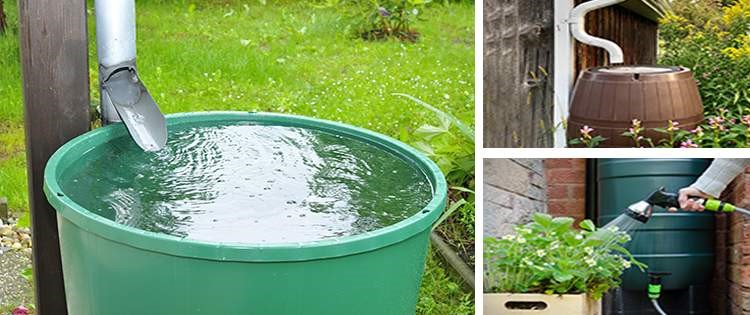
This DIY project is the best way to legally collect rainwater NO MATTER where you live. Get chlorine-free water, cut down on your water bills, and have enough for an emergency situation or to water your garden. Read More Here...
Maintaining Your Heirloom Shrub
Once your currants are in the ground, the work doesn’t stop. These are plants that thrive on routine and a bit of “tough love” when it comes to pruning. A neglected currant bush will quickly become a tangled mess of old, unproductive wood.
Watering and Mulching: Because of their shallow roots, currants are very sensitive to drought. During the summer months, they need about 2.5 cm (1 inch) of water per week. I always keep a thick 5 cm to 10 cm (2 to 4 inch) layer of wood chips or straw around the base of my plants. This keeps the roots cool and prevents the soil from drying out. Just make sure the mulch doesn’t touch the actual stems of the plant, as this can encourage rot.
The Art of Pruning: Black currants fruit most heavily on wood that is one or two years old. Stems that are three years or older become woody and produce smaller, inferior fruit. In the late winter, while the plant is still dormant, you should remove about a third of the oldest stems, cutting them right down to the ground. This “renewal pruning” ensures that the plant is constantly producing fresh, vigorous growth.
Feeding: Every spring, just as the buds begin to swell, I spread a fresh layer of compost around the drip line of the bush. I also like to add a handful of organic fertilizer high in nitrogen. If the leaves start to look a bit yellow in early summer, a quick spray of compost tea can provide a needed boost.
The Practical Benefits of Growing Heirloom Varieties
Choosing to grow heirloom black currants over modern store-bought fruit offers more than just a flavor upgrade. There are measurable, practical benefits that make these plants a superior choice for the serious home gardener.
One of the biggest advantages is the Nutritional Density. Because heirloom varieties haven’t been bred for “water weight” or size alone, the concentration of antioxidants and vitamins remains incredibly high. When you eat a handful of home-grown ‘Noir de Bourgogne’ currants, you are getting a pharmaceutical-grade dose of health-promoting compounds.
Another benefit is Pest Resistance. While it’s true that heirlooms can be susceptible to certain fungi, their leaves and stems are often more aromatic than modern hybrids. This high oil content acts as a natural deterrent to many common garden pests. Deer, for example, almost never touch black currant bushes because they find the musky scent of the foliage offensive.
Furthermore, heirloom currants provide Culinary Versatility. Modern currants are often so tart that they require massive amounts of sugar to be palatable. Heirloom varieties like ‘Boskoop Giant’ have a higher natural sugar content, meaning you can use them fresh in salads or with yogurt without feeling like you’ve bitten into a lemon. They also hold their shape better when cooked, making for superior jams and pies.
Common Challenges and How to Avoid Them
Even though I love these plants, I won’t tell you they are entirely trouble-free. Growing heirlooms requires a watchful eye and a proactive approach to garden hygiene.
Powdery Mildew: This is the most frequent issue. It looks like a white, dusty coating on the leaves and can stunt the growth of the fruit. To avoid this, never water your plants from above; always aim the hose at the base of the plant to keep the leaves dry. If you see signs of mildew, a simple spray of one part milk to nine parts water can often keep it in check if caught early.
Currant Sawfly: These little green caterpillars can strip a bush of its leaves in a matter of days. They usually start at the bottom of the plant and work their way up. I make a habit of checking the undersides of the leaves starting in late spring. If you see them, you can hand-pick them or use an organic neem oil spray.
The “Catty” Aroma: This is more of a misunderstanding than a mistake. Real black currants contain sulfur-containing molecules called thiols. In low concentrations, these smell like delicious berries, but in high concentrations, they can smell a bit like a cat has visited your garden. Don’t panic! This is a sign of a high-quality, aromatic berry. The smell disappears once the fruit is processed or cooked.
Limitations: When This May Not Be Ideal
As much as I’d like to see a currant bush in every yard, there are situations where they might not be the best fit. Understanding these constraints will save you a lot of frustration down the road.
Climate Boundaries: Black currants are children of the north. They require a significant period of winter chill to set fruit properly. If you live in a tropical or sub-tropical region (Zone 8 or higher), the plants will likely survive, but they will never produce a meaningful harvest. They simply won’t get the “sleep” they need to wake up and flower.
Soil Drainage: If your garden is prone to standing water or has heavy, unworkable clay, currants will struggle. They are prone to root rot if they sit in “wet feet” for too long. In these cases, you are much better off planting them in raised beds where you can control the drainage.
Regional Regulations: Before you order your heirloom seedlings, check your local laws. In some states (like parts of Maine, New Hampshire, and Ohio), there are still restrictions on which varieties of currants can be grown due to the white pine blister rust issue. You may be limited to “immune” varieties, which means the oldest heirlooms might be off-limits for now.
Practical Tips for a Better Harvest
After decades of “fence-talk” with other gardeners, I’ve picked up a few tricks that can significantly improve your currant yields.
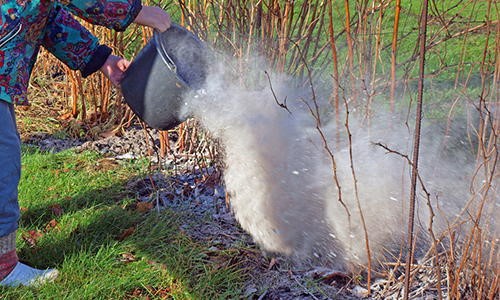
Do you have some charcoal in your house right now? We call charcoal a “miracle leftover” for anyone who wants to be a little more self-sufficient and cut costs. That’s because it can help you with so many different things around the house and garden. You can even use it to make an energy-free fridge. Read More Here...
- Harvest in Clusters: Instead of picking individual berries, wait until the whole cluster (called a strig) is black and then cut the entire stem. This prevents you from squashing the delicate fruit and keeps the juice inside the berry where it belongs.
- Freeze Before Cleaning: If you are making jam, put the whole clusters in the freezer for an hour. Once frozen, you can just run your fingers down the stem and the berries will pop right off without any mess.
- Encourage Pollinators: While most black currants are self-fertile, having two different varieties planted near each other will almost always result in larger berries and a bigger overall crop. The bees love the early spring flowers, so avoid using any pesticides during the blooming period.
- The Leaf Trick: Don’t just eat the berries! The leaves of heirloom black currants are incredibly fragrant. You can dry them and use them in tea blends or use them fresh to flavor pickles—the tannins in the leaves help keep the cucumbers crunchy.
Advanced Considerations: Going Beyond the Basics
For the gardener who has mastered the basics, there is a whole world of “currant chemistry” to explore. Heirloom varieties offer a unique opportunity to experiment with soil biology.
Mycorrhizal Fungi: Because currants are shallow-rooted, they form very strong symbiotic relationships with soil fungi. When planting, I always add a scoop of mycorrhizal inoculant to the hole. This helps the plant absorb phosphorus and water more efficiently, which is critical for those big, juicy berries.
Breeding Your Own: If you grow several heirloom varieties together, you can try saving the seeds from the best-performing plants. While currants don’t grow “true to type” from seed, the resulting seedlings can be a fun way to discover a new, unique hybrid that is perfectly adapted to your specific microclimate. This is how many of the great varieties of the 1800s were first discovered.
Heirloom vs. Modern vs. Grocery Store
To help you visualize the differences, here is a quick breakdown of what you are actually getting with different types of currants.
| Feature | Grocery Store “Currant” | Modern Hybrid (e.g., Titania) | Heirloom (e.g., Boskoop Giant) |
|---|---|---|---|
| Species | Dried Zante Grapes | Ribes nigrum (Rust Resistant) | Ribes nigrum (Old Genetics) |
| Flavor Profile | Sugary and raisin-like | Tart, consistent, mild aroma | Complex, spicy, intense musk |
| Vitamin C | Negligible | High (120-150 mg) | Superior (160-200+ mg) |
| Ease of Growth | N/A (Bought) | Very easy, disease resistant | Moderate, requires pruning |
A Real-World Growing Scenario
Imagine you have a small backyard in Zone 5. You have a north-facing fence that gets about 4 hours of sun in the morning and shade for the rest of the day. Most fruit trees would fail here, but this is the perfect spot for an heirloom currant.
You dig a hole 45 cm (18 inches) wide and 30 cm (12 inches) deep. You mix the soil with a bucket of compost and a handful of bone meal. You take your ‘Noir de Bourgogne’ seedling and set it deep, burying the first two sets of buds. You mulch it with 10 cm of straw and wait.
By the second year, you see the first yellow flowers. By the third year, you are harvesting 3 kg (about 6.5 lbs) of berries from a single shrub. You turn half of those into a syrup and freeze the rest. That winter, when the grocery store berries are tasteless and pale, you open a jar of your home-grown currants and the room instantly smells like a summer garden from a hundred years ago.
Final Thoughts
The grocery store might have forgotten what a real currant is, but your soil hasn’t. By choosing to grow heirloom varieties, you are doing more than just planting a garden; you are preserving a legacy of flavor and nutrition that modern agriculture almost managed to kill off.
These plants require a bit more attention than a typical ornamental shrub, but the rewards are tangible. From the massive boost of Vitamin C to the incredible aromatic oils that you can’t find in any store-bought fruit, the heirloom black currant is a “must-have” for any serious backyard gardener.
I encourage you to start with just one or two plants. Experiment with the different varieties, learn the rhythm of the pruning shears, and most importantly, take the time to taste the fruit right off the bush. Once you’ve had the real thing, you’ll never look at a box of “dried currants” the same way again. If you find yourself falling in love with these berries, you might want to look into other heritage practices like companion planting or advanced soil composting to really make your garden thrive.