Did we trade the medicinal power of the papaya for a longer shelf life? Commercial breeding has prioritized shipping durability over nutrient density. While modern papayas look perfect on the outside, they lack the complex enzymes and sugars our ancestors relied on. I remember the papayas from my grandfather’s garden back in the day. They weren’t always uniform, and they certainly didn’t last two weeks on a kitchen counter, but the moment you sliced one open, the aroma would fill the entire house.
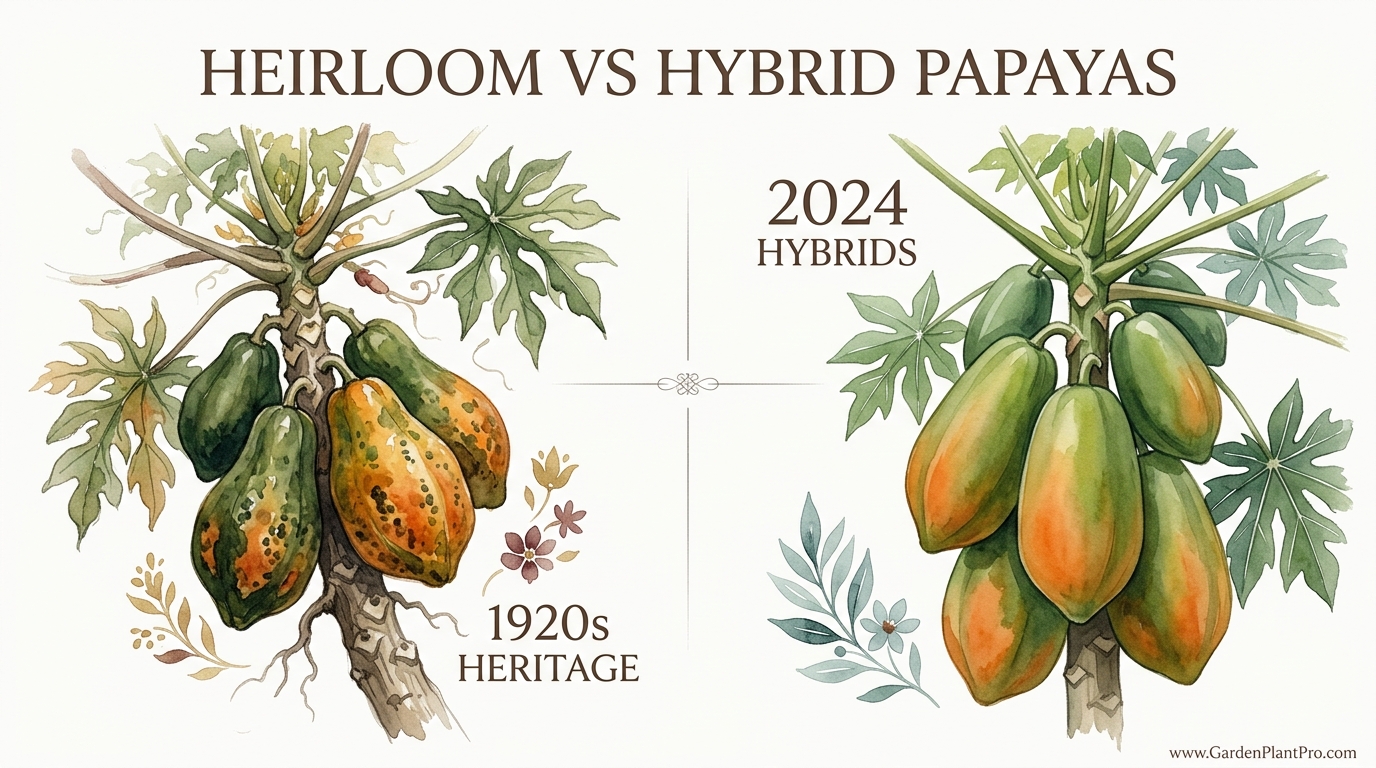
Today, walking through a supermarket, you see rows of identical, blemish-free fruit. These are the 2024 hybrids, engineered for the logistics of global trade. They are marvels of modern agriculture, resistant to viruses that once wiped out entire plantations. Yet, as a gardener who has spent decades with dirt under my fingernails, I often wonder if we lost the soul of the plant in the process. When we compare these to the 1920s heritage varieties, the difference isn’t just in the taste; it is in the very medicine the plant provides.
If you are looking to bring that old-world potency back to your backyard, you need to understand the fundamental shift that occurred in the world of Carica papaya. It is a journey from the wild jungles of Central America to the high-tech laboratories of today. Let’s talk about what happened and how you can still grow a fruit that actually heals.
Heirloom Vs Hybrid Papayas
Heirloom papayas are the “generic” or traditional varieties that have been passed down through generations of gardeners. These are open-pollinated, meaning if you save the seeds from a fruit you love, you can plant them and get a tree that produces fruit almost identical to the parent. They represent the genetic diversity our ancestors cultivated for flavor, medicinal properties, and local climate adaptation rather than for the ability to survive a boat ride from another continent.
Hybrid papayas, on the other hand, are the result of controlled crossing between two different parent varieties to create an “F1” generation. This is done to “lock in” specific traits like resistance to the devastating Papaya Ringspot Virus (PRSV) or to ensure the fruit stays firm for weeks. While hybrids like the “Red Lady” or “Tainung” are incredibly productive and easy for beginners, they are often a “dead end” for seed savers. If you plant a seed from a hybrid, the next generation will likely be a genetic mess, reverting to unpredictable traits.
In the real world, the shift toward hybrids was a survival tactic. In the 1990s, the ringspot virus nearly destroyed the Hawaiian papaya industry. Science stepped in with transgenic (GMO) varieties like the “Rainbow” papaya and hybrid crosses that could withstand the pressure. We saved the industry, but in the process, we moved away from the complex, musky, and highly medicinal profiles of the heritage lines that had been staples for centuries.
How the Breeding Process Changed the Fruit
The process of moving from a 1920s heritage papaya to a modern 2024 hybrid isn’t just about changing the label; it’s about changing the biology of the tree. Traditional varieties often grow quite tall—sometimes reaching over 10 meters (33 feet)—making harvest a challenge. Modern breeders have focused on “dwarf” or “semi-dwarf” traits. This allows the fruit to set much lower to the ground, often just 60 to 80 centimeters (about 2 to 3 feet) high, which is much more practical for the backyard grower and the commercial farmer alike.
Underlying these physical changes is a shift in enzyme production. Papayas are famous for papain, a powerful proteolytic enzyme found in the white latex of the skin and the unripe flesh. In older heritage varieties, this latex was abundant and highly active. It served as a natural defense against pests. Modern hybrids have been selected for “softer” traits. By reducing the intensity of the latex and the musky aroma (which some consumers find off-putting), breeders accidentally lowered the concentration of some of these traditional medicinal compounds.
Furthermore, the “shipping durability” factor means these fruits are bred to have thicker cell walls. A heritage papaya might have a skin so thin you can bruise it with a firm thumb press. A modern hybrid can be stacked in crates and shipped across the ocean. While this is great for the grocery store, it means the fruit doesn’t “melt” in your mouth quite the same way, and the sugar complexity—measured in Brix—often peaks at a lower level than the old-school varieties grown in mineral-rich soil.
The Nutritional and Medicinal Benefits of Heritage Varieties
When we talk about the “medicinal power” we might have traded away, we are primarily discussing three things: papain, carpaine, and antioxidant density. Unripe heritage papayas are powerhouses of papain, which is used globally for digestive support and as a natural anti-inflammatory. If you’ve ever used a papaya leaf tea to help with recovery from a fever or to settle a heavy stomach, you’ve tapped into this ancient pharmacy.
Antioxidant potential in traditional “generic” papayas has been shown in some studies to be higher in the leaves and unripe fruit compared to some mass-market hybrids. These plants produce secondary metabolites like polyphenols and flavonoids to protect themselves from their environment. When we grow a hybrid that is “shielded” by its own genetics or by heavy chemical inputs, the plant doesn’t always feel the need to produce these protective compounds in high concentrations.
Beyond the fruit, heritage seeds are often more potent. The seeds contain benzyl isothiocyanate (BITC), which has been studied for its ability to fight internal parasites and support gut health. While hybrids also contain these compounds, the sheer vigor of a well-adapted heirloom tree often translates to a more robust chemical profile across the whole plant—from the bark to the seeds.
Challenges and Common Mistakes with Heirloom Papayas
Growing heirlooms isn’t always a walk in the park. The biggest pitfall is the Papaya Ringspot Virus. This virus is spread by aphids, and for many heritage varieties, it is a death sentence. You might see the leaves start to mottle with yellow patterns or notice “oily” streaks on the stem. Once a tree has it, there is no cure. Commercial hybrids are often bred to live with the virus or resist it entirely, but your heirloom might just keel over.
Another common mistake is neglecting soil drainage. Papayas, regardless of their genetic history, have very sensitive roots. I’ve seen many gardeners lose their heritage trees because they planted them in a low spot where water sits after a heavy rain. If the roots are submerged for even 24 hours, the tree can develop root rot. You must plant them on a mound or in very well-draining, sandy loam if you want them to survive to harvest.
Finally, gardeners often fail to realize that papayas can be male, female, or hermaphrodite. Many heirloom seeds will produce a mix. If you only plant one or two trees and they both turn out to be male, you’ll have plenty of fragrant flowers but zero fruit. Modern hybrids are often bred to be mostly hermaphroditic (self-pollinating) to ensure every tree in the field produces a crop. With heirlooms, you need to plant “extra” and then thin out the males once they start to bloom.
Limitations: When Hybrids Might Actually Be Better
It’s easy to get nostalgic, but we have to be practical. If you live in an area where the ringspot virus is rampant—like parts of Florida, Hawaii, or Southeast Asia—growing a pure heritage heirloom might be impossible without a greenhouse. In these scenarios, a hybrid like the “Red Lady” is a blessing. It allows you to actually get fruit on the table where an heirloom would have died before it even flowered.
Environmental constraints also play a role. If you have limited space, a dwarf hybrid that stays under 2 meters (6.5 feet) is much more manageable than a heritage tree that wants to scrape the sky. Furthermore, if you are a beginner gardener, the “vigor” of a hybrid can help mask minor mistakes in fertilizing or watering. Hybrids are designed to be reliable, which is a valuable trait when you’re just starting your gardening journey.
Comparing 2024 Hybrids vs. 1920s Heritage
To help you decide which path to take, I’ve put together a simple comparison based on what I’ve seen in the garden over the years.
| Feature | 2024 Hybrid (e.g., Red Lady) | 1920s Heritage (Heirloom) |
|---|---|---|
| Virus Resistance | High (Bred for PRSV tolerance) | Low (Very susceptible) |
| Flavor Profile | Sweet, mild, consistent | Complex, musky, floral, high sugar |
| Medicinal Potency | Standard nutrient levels | Higher papain & enzyme activity |
| Seed Saving | Not recommended (F1 sterility/drift) | Excellent (True-to-type) |
| Plant Height | Dwarf / Compact (1.5 – 3 meters) | Tall / Traditional (5 – 10 meters) |
| Shelf Life | Excellent (7-14 days) | Poor (2-4 days) |
Practical Tips for the Backyard Gardener
If you decide to go the heirloom route, you need to manage your environment carefully. Sanitation is your best friend. Because heirlooms are susceptible to viruses, keep an eye on nearby “host” plants. Aphids often move to papayas from cucurbits like cucumbers, melons, and squash. Try to keep your papaya patch a good distance away from your vegetable garden to minimize the risk of virus transmission.
DIY PROJECT: Collect rainwater no matter where you live...
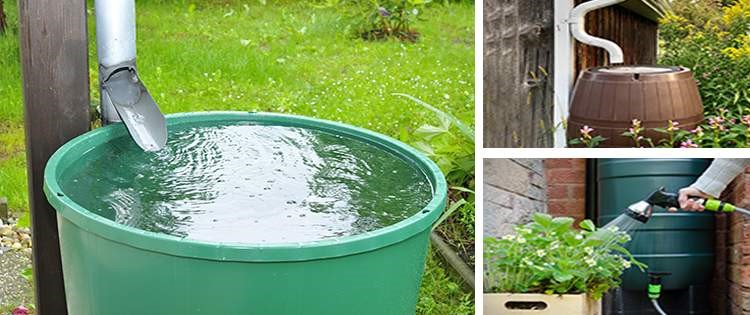
This DIY project is the best way to legally collect rainwater NO MATTER where you live. Get chlorine-free water, cut down on your water bills, and have enough for an emergency situation or to water your garden. Read More Here...
When it comes to feeding your trees, don’t just rely on standard NPK fertilizers. To mimic the nutrient density of 1920s fruit, you need micronutrients. I always recommend a foliar spray or soil drench that includes Boron and Zinc. These minerals are crucial for sugar translocation and fruit firmness. A bit of composted manure and a thick layer of organic mulch will also help maintain the soil biology that traditional varieties rely on for their health.
For those interested in the medicinal side, harvest your “medicine” fruit while it is still green. This is when the papain levels are at their peak. If you wait until the fruit is fully yellow, much of that enzyme has already converted into sugars. For the seeds, wait until the fruit is dead-ripe, then scoop them out and remove the sarcotesta (the jelly-like sac) by rubbing them against a sieve before drying them in a shaded, well-ventilated spot.
Advanced Considerations: Maintaining Genetic Purity
For the serious practitioner, saving heirloom seeds is a way to preserve history. However, papayas are notorious for cross-pollinating. If your neighbor is growing a hybrid “Red Lady” and you are growing an heirloom “Solo,” the bees will likely mix the two. To keep your heirloom pure, you may need to practice hand pollination.
This involves identifying a female or hermaphrodite flower before it opens and covering it with a small mesh bag. Once it opens, you manually apply pollen from a male or hermaphrodite flower of the same variety using a clean paintbrush, then re-bag it until the fruit starts to set. It sounds like a lot of work, but it’s the only way to ensure the seeds you save for next year will produce the same high-quality medicinal fruit you’re enjoying now.
Also, consider the “sex” of your seeds. If you save seeds from a hermaphrodite tree that was self-pollinated, you are much more likely to get more hermaphrodite trees in the next generation. This is a trick old-timers used to ensure they didn’t waste garden space on too many non-fruiting males.
Example Scenario: The Small Tropical Plot
Imagine you have a small backyard in a subtropical zone. You want the medicinal benefits of the papaya but you’re worried about the ringspot virus. A smart approach is to plant two different types. Plant one “Red Lady” hybrid as your “insurance” crop—this ensures you will have fruit regardless of virus pressure.
Then, plant three or four seeds of an heirloom variety like the “Sunrise Solo” in a different corner of the yard. By the time they reach 6 months old, you’ll be able to see which ones are the healthiest. If the heirlooms stay virus-free, you’ll have the best-tasting fruit on the block. If they get hit by the virus, you still have your hybrid “Red Lady” to fall back on. This kind of “hedging” is exactly how experienced gardeners stay successful year after year.
Final Thoughts
The transition from 1920s heritage papayas to the 2024 hybrids is a classic story of trade-offs. We gained reliability, virus resistance, and the ability to find papayas in every grocery store from London to New York. But in that process, we did indeed leave behind some of the raw, medicinal power and complex flavor that defined the fruit for centuries.
As gardeners, we have the unique opportunity to bridge that gap. By seeking out heirloom seeds, focusing on soil health, and perhaps even doing a bit of hand-pollination, we can keep these ancient varieties alive. Whether you are growing for the sheer joy of a tree-ripened snack or for the digestive benefits of the papain enzyme, understanding the history of your plant is the first step toward a more meaningful harvest.
I encourage you to experiment. Plant a hybrid for your “kitchen” fruit and an heirloom for your “medicine.” Watch how the soil reacts, see which pests prefer which tree, and most importantly, taste the difference for yourself. Gardening is a long conversation with the earth, and the papaya is one of the most eloquent storytellers we have.