
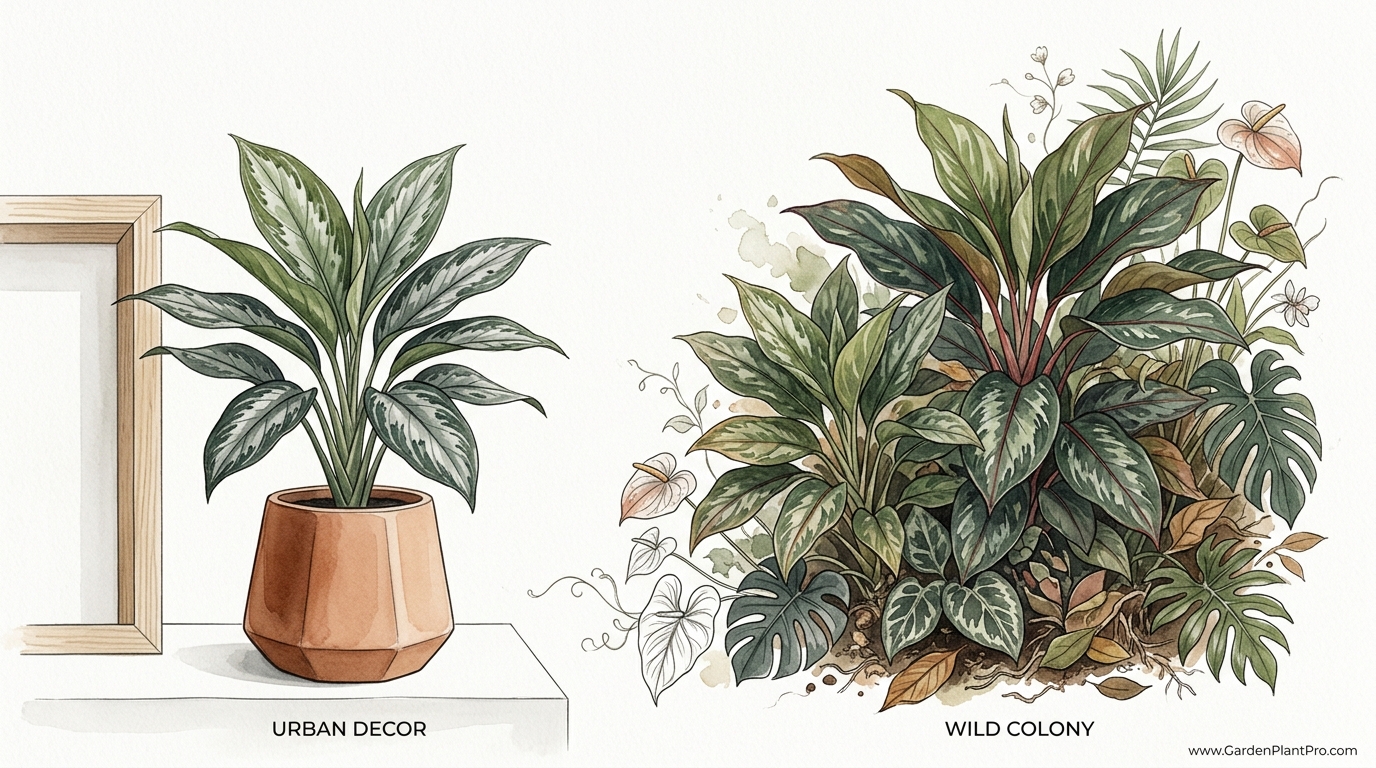
Is your Chinese Evergreen thriving or just surviving its sentence as a living room ornament? Most Chinese Evergreens are treated like statues, but in the wild, they are aggressive jungle floor survivors.
When you stop focusing on the ‘perfect pot’ and start mimicking the moist, leaf-littered floor of a tropical forest, your Aglaonema stops putting out one leaf a year and starts building a colony. Here is how to bring the wild home.
I have spent decades watching these plants in my own sunroom and talking shop with other gardeners, and I have learned that the Aglaonema is far tougher than the “low-light office plant” label suggests. It doesn’t just want to sit in a corner; it wants to expand, breathe, and dominate its small patch of dirt.
To get those lush, overlapping leaves and vibrant colors, you have to look past the plastic nursery pot. You need to understand how these plants live in the humid, shaded forests of Southeast Asia and New Guinea.
Natural Aglaonema Growth Secrets
In the wild, Aglaonema species are understory plants, meaning they live beneath the towering canopy of the rainforest. They never see the full, harsh glare of the sun, but they receive a constant bath of dappled, filtered light.
The “secret” to their growth isn’t just low light; it is the consistency of their environment. The jungle floor provides a stable temperature, usually between 20°C and 27°C (68°F to 80°F), and a humidity level that rarely drops below 60%.
These plants are also rhizomatous, meaning they grow from thick, fleshy underground stems. In their natural habitat, they don’t just stay in one spot; they creep along the leaf litter, rooting at the nodes and creating a thick carpet of foliage.
When we bring them indoors, we often restrict them to a single pot with sterile soil, which stops this colonial behavior. To unlock their full potential, you need to provide a substrate that mimics that forest floor—rich, airy, and full of decomposing organic matter.
Replicating the Jungle Floor: The Perfect Soil Mix
The biggest mistake I see folks make is using heavy, standard potting soil straight out of the bag. In the jungle, the “soil” is actually a thick layer of decomposing leaves, twigs, and moss that allows air to reach the roots even when it is soaking wet.
To replicate this at home, I’ve found that a mix of 50% high-quality potting soil, 25% orchid bark, and 25% perlite or pumice works wonders. The bark provides the structure and “chunkiness” the roots love to grab onto, while the perlite ensures the water drains away quickly.
If you want to get fancy, you can add a handful of horticultural charcoal or a bit of worm castings. This creates a living, breathing environment where the roots won’t rot, even if you get a little heavy-handed with the watering can.
Aglaonema prefer a slightly acidic soil pH, typically between 5.6 and 6.5. Most commercial peat-based mixes are in this range, but adding a little extra organic matter over time helps maintain that acidity naturally.
Light: Finding the Understory Sweet Spot
There is a common myth that Aglaonemas “love” the dark. While they are incredibly tolerant of low-light corners, they won’t actually thrive there—they will merely exist.
If you want the bright reds of a ‘Siam Red’ or the shimmering silver of a ‘Silver Bay’ to really pop, you need to provide medium to bright indirect light. A north-facing window is often perfect, or a spot a few feet (about 1 meter) back from an east-facing window.
Direct afternoon sun is the enemy here. Because their leaves are adapted to catch every stray photon in the shade, they lack the thick waxy cuticle needed to block UV rays, and they will scorch and turn brown within hours of exposure to harsh sunlight.
A good rule of thumb I’ve used for years: if you can comfortably read a book in that spot without a lamp during the day, your Chinese Evergreen will be happy. If it’s too dark for you to read, the plant will eventually get “leggy” as it stretches for more light.
Light Requirements by Variety
| Variety Type | Ideal Light Condition | Tolerance |
|---|---|---|
| Dark Green (e.g., ‘Maria’, ‘Modestum’) | Low to Medium Indirect | Very High (Great for offices) |
| Silver/Variegated (e.g., ‘Silver Queen’, ‘Silver Bay’) | Medium Indirect | Moderate (Will lose pattern in deep shade) |
| Red/Pink (e.g., ‘Anyanmanee’, ‘Siam Red’) | Bright Indirect | Low (Needs light to maintain red pigments) |
Hydration Rhythms: Mimicking Tropical Rain
In the rainforest, it rains frequently, but the water moves through the leaf litter and away from the roots almost instantly. Your watering schedule should mimic this cycle of “soak and dry.”
I always wait until the top 2.5 to 5 centimeters (1 to 2 inches) of soil feel dry to the touch before I even think about reaching for the watering can. Overwatering is the number one killer of these plants, leading to a nasty condition called root rot.
When you do water, do it thoroughly. Pour water until it runs out of the drainage holes at the bottom, and then—this is the important part—empty the saucer. Never let your Aglaonema sit in a puddle of standing water.
DIY PROJECT: Collect rainwater no matter where you live...
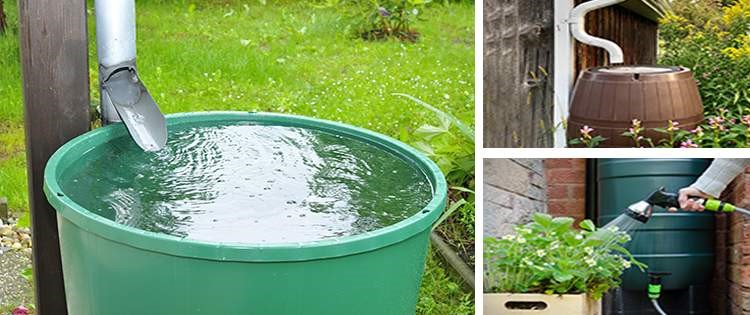
This DIY project is the best way to legally collect rainwater NO MATTER where you live. Get chlorine-free water, cut down on your water bills, and have enough for an emergency situation or to water your garden. Read More Here...
During the winter months, when the plant’s growth slows down, you can pull back on the watering significantly. I often go two or even three weeks between waterings in the colder season, depending on the indoor temperature.
The Colony Mentality: Propagation and Growth
One of the most rewarding things about Aglaonema care is watching a single plant turn into a dense, bushy “colony.” This happens through the production of “pups” or offsets that emerge from the soil near the main stem.
If your plant is happy, it will eventually fill the pot. At this point, you have a choice: you can move it to a larger container to let the colony expand, or you can divide it to create new plants for your friends and neighbors.
To propagate by division, wait until spring when the plant is starting its active growth phase. Gently tip the plant out of its pot and use a clean, sharp knife to separate the individual stems, making sure each section has a good set of roots attached.
You can also propagate via stem cuttings. Simply snip a healthy stem about 10 to 15 centimeters (4 to 6 inches) long, remove the lower leaves, and place it in a jar of clean water or directly into moist soil. In a few weeks, you’ll see white roots starting to poke out.
Feeding for Foliage: Nutrient Needs
Since we grow Chinese Evergreens for their leaves rather than flowers, they don’t need a lot of heavy “bloom booster” fertilizers. They prefer a balanced diet that supports steady, green growth.
I recommend using a balanced, water-soluble houseplant fertilizer, such as a 20-20-20 or 10-10-10 NPK ratio. Dilute it to half the strength recommended on the bottle to avoid salt buildup, which can burn the tips of the leaves.
Feed your plant once a month during the spring and summer. When the days get shorter and the growth slows down in the fall and winter, stop fertilizing entirely. The plant needs a rest period, and forcing growth during this time can lead to weak, spindly stems.
If you notice the leaves turning a pale, yellowish-green but the veins stay dark, your plant might be asking for a little extra nitrogen. A dose of organic fish emulsion can be a great way to give it a gentle “green-up” without the risk of chemical burn.
Common Challenges and Pest Management
Even a seasoned gardener deals with pests now and then. For Aglaonemas, the most common visitors are mealybugs, which look like tiny tufts of white cotton hiding in the leaf joints.
Spider mites can also be a problem, especially if your home is very dry. You’ll know they are there if you see fine, dusty webbing on the undersides of the leaves or if the leaves start to look speckled and dull.
I’ve always found that a simple spray of neem oil or a mixture of mild dish soap and water handles most infestations. Just be sure to wipe down both the tops and bottoms of the leaves, as these critters love to hide in the shadows.
Another common issue is “tipping,” where the very ends of the leaves turn brown and crispy. This is usually caused by low humidity or the buildup of salts and minerals from tap water. Using filtered water or letting your tap water sit out overnight can help solve this.
Limitations: When This Plant Might Not Work
While the Chinese Evergreen is versatile, it isn’t indestructible. There are a few situations where you might want to choose a different plant for your space.
First, they are notoriously sensitive to cold. If you live in a drafty old house where temperatures drop below 13°C (55°F) near the windows, your Aglaonema will likely suffer. Chilling injury shows up as dark, “greasy” looking patches on the leaves that eventually turn mushy.
Second, they are toxic to pets and humans if ingested. They contain calcium oxalate crystals, which can cause severe irritation of the mouth and throat. If you have curious cats or toddlers who like to nibble on greenery, keep these plants on high shelves or choose a non-toxic alternative like a Spider Plant or Calathea.
Finally, if you are looking for a plant that grows several feet in a single season, the Aglaonema will disappoint you. They are slow, deliberate growers. This makes them great for small spaces, but they won’t provide an “instant jungle” look overnight.
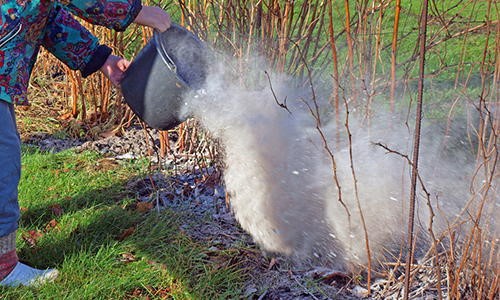
Do you have some charcoal in your house right now? We call charcoal a “miracle leftover” for anyone who wants to be a little more self-sufficient and cut costs. That’s because it can help you with so many different things around the house and garden. You can even use it to make an energy-free fridge. Read More Here...
Advanced Considerations for Serious Practitioners
If you’ve mastered the basics and want to take your Aglaonema game to the next level, start looking at “micro-environments.” Grouping your plants together creates a collective humidity bubble that benefits the entire “colony.”
You might also consider the type of pot you use. While plastic nursery pots are fine, terra cotta allows the soil to “breathe” more, which can prevent root rot but requires more frequent watering. I personally prefer glazed ceramic pots, which offer a middle ground between breathability and moisture retention.
Experimenting with different cultivars can also be a joy. Some newer hybrids, like the ‘Pictum Tricolor’, have a camouflage-like pattern that is truly stunning but requires much higher humidity and more precise lighting than the old-school green varieties.
Lastly, pay attention to the water quality. If you live in an area with very hard water, the mineral buildup in the soil can eventually stunt the plant. Flushing the soil with distilled water once or twice a year can help clear out those accumulated salts and keep the roots healthy.
A Practical Example: Saving a “Living Room Statue”
I remember a neighbor who brought me a ‘Silver Queen’ that looked like it was on its last legs. The leaves were yellowing, and it hadn’t grown a new leaf in two years. It was sitting in a heavy ceramic pot with no drainage holes, filled with compacted garden soil.
We took the plant out and found the roots were dark and mushy—classic root rot. We trimmed away the dead roots, repotted it into an airy mix of peat, bark, and perlite, and moved it to a bright bathroom where the steam from the shower provided extra humidity.
Within three months, that “statue” started putting out new, vibrant silver leaves. By the following spring, three new pups had poked through the soil. It wasn’t magic; it was just giving the plant the “jungle floor” conditions it had been craving all along.
This shows that even a severely stressed plant can bounce back if you stop treating it like furniture and start treating it like a living organism with specific evolutionary needs.
Practical Tips for Success
- Wipe the leaves: Dust blocks sunlight and clogs the plant’s pores. Use a damp cloth to keep them shiny and healthy.
- Rotate for even growth: These plants will lean toward the light. Give the pot a quarter-turn every time you water.
- Avoid drafts: Keep them away from air conditioning vents and heaters, which can dry out the foliage and cause leaf drop.
- Use lukewarm water: Cold water straight from the tap can shock the tropical roots. Let it come to room temperature first.
- Check for pests weekly: A quick peek under the leaves can save you a lot of headache later on.
Final Thoughts
Bringing an Aglaonema into your home is like inviting a piece of the ancient Southeast Asian rainforest into your living room. When you look past the “easy care” label and start respecting its origins as a jungle floor survivor, the results are truly spectacular.
Don’t be afraid to experiment with your soil mixes or to move your plant around until you find its perfect light “sweet spot.” Gardening is a conversation between you and the soil, and the Chinese Evergreen is a patient, rewarding partner in that dialogue.
Whether you are starting with a small 4-inch (10 cm) pot or a large floor specimen, the goal remains the same: create a thriving colony rather than a stagnant decoration. With a little grit and a lot of organic matter, your Aglaonema will reward you for years to come.