
Are you planting a peach tree for a single season or for your grandchildren to climb? Most modern peach trees are bred for quick production and early death. We have traded the soul of the orchard for supermarket convenience. Learn how to select and plant peach varieties that will become a multi-generational legacy in your backyard.
I have spent many years leaning against the rough bark of old trees, and I can tell you there is a world of difference between a tree meant to last and one meant to sell. When we talk about a legacy orchard, we are moving away from the “disposable” gardening mindset. We are looking for trees that can withstand a harsh winter, push through a dry summer, and still be dropping heavy, sun-warmed fruit long after the neighbor’s hybrid has turned into firewood.
Most folks head to the big-box store and grab whatever has a shiny tag. Those trees are often grafted onto dwarfing rootstocks designed for high-density commercial farming. They hit their peak in year seven and start failing by year twelve. If you want a tree that stands as a landmark in your garden, you have to think like the orchardists of the 19th century. You have to prioritize root health, variety resilience, and a patient approach to growth.
Growing Legacy Peach Orchards
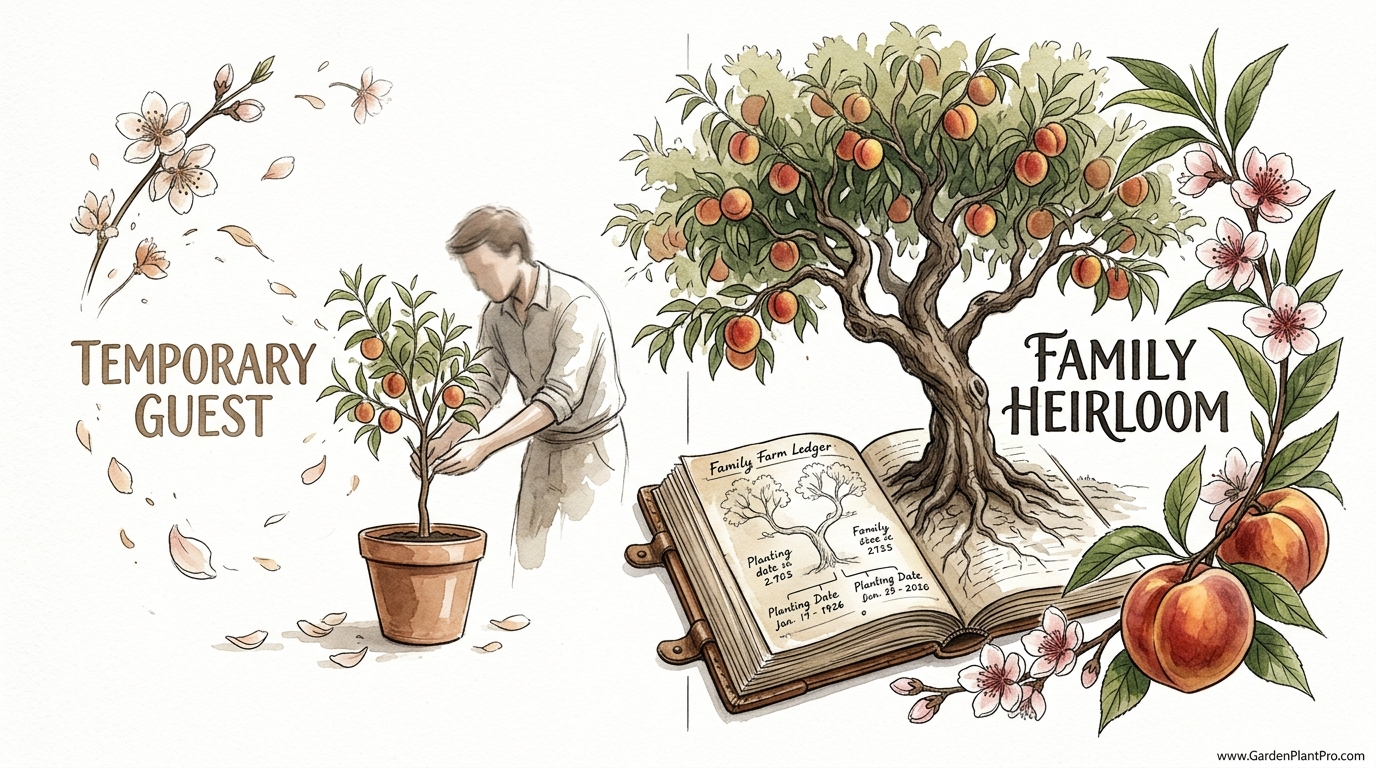
Growing a legacy peach orchard means choosing trees that are built for the long haul. In the world of arboriculture, we often see a divide between the “temporary guest” and the “family heirloom.” A legacy tree is one that is selected for its robust genetics and planted on a vigorous rootstock that can anchor deep into the soil. This approach isn’t just about the fruit; it is about creating a permanent part of your home’s ecosystem.
Legacy orchards exist in that sweet spot between wild resilience and cultivated flavor. While a commercial orchard might replace trees every 15 years to maintain maximum efficiency, a backyard legacy orchard can remain productive for 25 to 30 years or even longer under the right care. These trees become part of the family history, marking the passage of seasons for generations. They provide more than just food; they offer shade, a habitat for beneficial insects, and a sense of continuity that modern high-turnover gardening lacks.
In real-world terms, this means moving away from “precocity”—the industry term for a tree that fruits very young. A tree that puts all its energy into peaches in its second year is stealing from its own future. We want a tree that spends its first few years building a massive root system and a sturdy frame. This foundation is what allows it to survive the pests and diseases that eventually take down weaker, more “productive” varieties.
Choosing the Foundation: Rootstock and Scion
The secret to a long-lived peach tree isn’t just the variety you see above ground; it is the engine under the hood. The rootstock determines how well the tree handles your soil, how deep it can search for water, and how resistant it is to soil-borne pathogens. For a legacy tree, you almost always want a vigorous seedling rootstock rather than a dwarfing clonal one.
Vigorous Seedling Rootstocks
Names like Lovell, Halford, and Bailey are the gold standards for longevity. These are “standard” rootstocks that produce a full-sized tree, often reaching 15 to 20 feet (4.5 to 6 meters) in height and spread. Because they are grown from seeds, they tend to have more robust taproots and better overall anchorage than clonal types. Lovell is particularly famous for its survival rate in a variety of soils, while Bailey is known for its exceptional cold hardiness in northern climates.
Modern Resilience: Guardian and MP-29
If you live in the Southeastern United States or areas prone to “Peach Tree Short Life” (PTSL), you might look into Guardian rootstock. Developed to combat bacterial canker complexes, it has saved many an orchard from early death. More recently, the MP-29 rootstock has shown incredible resistance to Armillaria root rot, a silent killer that can linger in the soil for decades. Choosing these isn’t “cheating” on the heirloom dream; it’s using modern science to ensure your legacy actually survives the local environment.
The Role of the Scion
The “scion” is the top part of the tree that produces the fruit. For a legacy orchard, we look for heirloom varieties that have proven their worth over centuries. These aren’t just old; they are survivors. They often have thicker skins that resist bruising and rot, or a more complex flavor profile that hasn’t been bred out in favor of “shippability.” Varieties like the Elberta (introduced in 1870) or the Oldmixon Free (dating back to the 1700s) have a historical track record that modern hybrids simply cannot match yet.
Time-Tested Peach Varieties for Longevity
When selecting varieties, think about your specific climate and what has historically grown well in your region. A legacy is only built if the tree can handle the local weather patterns year after year. Here are a few stalwarts that have stood the test of time.
- Elberta: The queen of peaches. Since its discovery in Georgia in the late 1800s, it has been the standard for a reason. It is vigorous, self-fertile, and produces large, high-quality fruit that is excellent for canning—a key trait for any legacy orchard.
- Indian Blood Cling: A striking peach with deep red flesh and skin. This variety is incredibly hardy and resistant to many common peach diseases. Its fruit is tart and rich, making it a favorite for pickling and preserves.
- Belle of Georgia: If you prefer white peaches, this is the heirloom of choice. It is a massive, vigorous tree that produces sweet, creamy fruit. It was released in 1870 and remains one of the most reliable white-fleshed varieties for the backyard gardener.
- Reliance: For those in truly cold climates (USDA Zone 4 or 5), the Reliance is a modern heirloom of sorts. It was bred to withstand temperatures as low as -25°F (-31°C) and still produce a crop.
- Polly White: An Iowa heirloom from the 1920s, this tree is famous for its extreme winter hardiness. It can survive temperatures that would kill most other peach trees, making it a true legacy candidate for the North.
- Suncrest: Immortalized in the literature of Mas Masumoto, this peach is a member of the “Ark of Taste.” It has a flavor that many describe as the quintessential peach experience, though it requires a more attentive hand than the rugged Indian Blood.
How to Plant for the Next Generation
You don’t just “dig a hole” for a legacy tree. You prepare a site that will support a massive organism for thirty years. This involves looking deep into the soil and considering the movement of air and water across your landscape. Proper site selection is the single most important factor in whether your tree becomes a landmark or a memory.
The Percolation Test
Peaches absolutely hate “wet feet.” Waterlogged soil for even a few days can lead to Phytophthora root rot. Before you buy a tree, dig a hole 18 to 24 inches (45 to 60 cm) deep and fill it with water. If it hasn’t drained in 12 hours, you have a problem. You’ll need to either install drainage, plant on a raised berm, or find a higher spot on your property.
The Importance of Elevation
Cold air behaves like water; it flows downhill and settles in low spots. This is called a “frost pocket.” If you plant your peach tree at the bottom of a hill, a late spring frost will settle around your blossoms and kill your entire crop. Always plant your trees on a slope or a high point to allow that cold air to drain away, protecting your “legacy” from being wiped out by a single cold night.
Soil Architecture and pH
Peaches prefer a slightly acidic soil, ideally with a pH between 6.5 and 7.0. If your soil is too acidic, the tree cannot access the nutrients it needs, leading to a slow decline. I always recommend getting a professional soil test a year before planting. This gives you time to work lime or sulfur into the soil deeply, rather than just scratching it onto the surface later. Remember, once that tree is in the ground, you can’t easily change the soil chemistry 12 inches (30 cm) down where the roots live.
Benefits of the Legacy Approach
Choosing a legacy peach tree over a modern dwarf variety offers several measurable advantages. While the upfront work is greater, the long-term rewards are far more substantial for the serious practitioner and the casual gardener alike.
- Environmental Resilience: Standard seedling rootstocks are much better at finding water during droughts. Their deep root systems make them less dependent on constant irrigation once established.
- Superior Flavor Profiles: Heirloom varieties were bred for the palate, not the pallet. They contain a balance of acids and sugars that modern “sweet-only” varieties lack.
- Lower Long-Term Costs: A tree that lives 30 years is much cheaper than three trees that live 10 years each. You save on replacement costs, labor, and the “lost years” of production while new trees mature.
- Shade and Aesthetics: A full-sized legacy peach tree is a beautiful landscape feature. It provides a canopy that can cool a portion of your yard and creates a structural “anchor” for your garden design.
- Biological Diversity: By planting heirlooms, you are participating in the conservation of genetic material that might otherwise be lost to history. This helps maintain a more resilient global food system.
Challenges and Common Mistakes
The biggest mistake I see neighbors make is burying the graft union. That “bump” near the bottom of the trunk must remain 2 to 3 inches (5 to 8 cm) above the soil line. If you bury it, the scion (the top part) might grow its own roots. This completely bypasses the benefits of your carefully chosen rootstock and often leads to a tree that grows way too fast and dies way too young.
Another pitfall is “loving the tree to death” with nitrogen. Modern gardeners often over-fertilize, which results in a massive flush of soft, green growth. This growth is like candy to pests and highly susceptible to winter kill. A legacy tree should grow steadily, not explosively. I prefer a top-dressing of well-rotted compost and a thick layer of wood chip mulch rather than synthetic pellets.
Finally, we have to talk about the Peach Tree Borer. This clearwing moth lays eggs at the base of the trunk, and the larvae burrow into the bark to eat the cambium. If left unchecked, they will girdle and kill even the strongest tree. A legacy gardener must be vigilant. Clear ground cover away from the trunk and check for “oozing” amber-colored sap mixed with sawdust (frass) every spring and fall. Catching one borer early saves the whole tree.
DIY PROJECT: Collect rainwater no matter where you live...
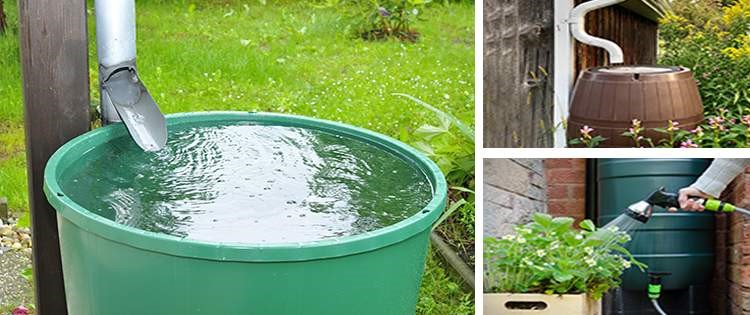
This DIY project is the best way to legally collect rainwater NO MATTER where you live. Get chlorine-free water, cut down on your water bills, and have enough for an emergency situation or to water your garden. Read More Here...
Limitations and When to Reconsider
While I love a big, old peach tree, they aren’t right for everyone. If you only have a 10-foot by 10-foot (3-meter) patio, a legacy tree on a standard rootstock will quickly become a nightmare. It will overgrow your space, shade out your other plants, and become impossible to prune or harvest without a dangerous ladder.
Furthermore, if you live in an area with extremely high disease pressure—like certain humid parts of the deep south where brown rot and peach scab are rampant—you might find that some heirlooms require more spraying than you are willing to do. In those cases, a modern variety bred specifically for disease resistance might actually be the more “sustainable” choice for your sanity, even if it doesn’t live for thirty years.
Legacy vs. Modern Commercial Planting
| Feature | Legacy/Heirloom (Seedling) | Modern Commercial (Dwarfing) |
|---|---|---|
| Average Lifespan | 25–40 years | 12–15 years |
| Years to Fruit | 4–6 years | 2–3 years |
| Max Height | 15–25 feet (4.5–7.5 m) | 8–12 feet (2.4–3.6 m) |
| Drought Tolerance | High (Deep taproots) | Low (Needs irrigation) |
| Flavor Complexity | High (Balanced acids/sugars) | Moderate (Mostly sweet) |
| Maintenance | Lower (Once established) | High (Needs constant support) |
Practical Tips for Success
Applying these lessons in your backyard doesn’t have to be complicated. Start with the basics and let the tree do the rest of the work. Here is how I manage my own legacy trees to ensure they stay healthy decade after decade.
- Thin your fruit ruthlessly. In a “mast” year, a peach tree will try to grow 500 peaches. This can break branches and exhaust the tree’s energy stores, leading to a shortened lifespan. When the fruit is the size of a nickel, remove enough so that there is 6 to 8 inches (15 to 20 cm) between each remaining peach.
- Prune for the “Open Center.” Imagine a bird being able to fly through the middle of your tree without hitting a wing. This “vase” shape allows sunlight and air to reach the center of the tree, which prevents fungal diseases like brown rot.
- Paint the trunk. In late winter, paint the lower 18 inches (45 cm) of the trunk with a 50/50 mix of white latex paint and water. This prevents “southwest injury” or sunscald, where the winter sun warms the bark during the day and it freezes at night, causing the bark to split.
- Mulch like a forest. Use wood chips, not dyed bark nuggets. Apply them in a wide circle around the tree, but keep them a few inches away from the trunk itself. This mimics the natural forest floor and builds soil health over time.
Advanced Considerations: The Soil Food Web
For those who want to go beyond the basics, we need to talk about mycorrhizal fungi. These beneficial fungi form a symbiotic relationship with peach roots, effectively extending the root system by hundreds of times. When planting a legacy tree, I often add a handful of native forest soil or a high-quality mycorrhizal inoculant to the planting hole. This helps the tree establish that deep-earth connection that will sustain it through future droughts.
Avoid heavy tilling around your mature trees. The feeder roots of a peach tree are surprisingly shallow, often in the top 12 inches (30 cm) of soil. If you are constantly tilling for weeds, you are slicing through the tree’s primary way of drinking. This is why a thick mulch layer is so much better than cultivation. It suppresses weeds while protecting the delicate biology of the rhizosphere.
Example: The Fifty-Year Elberta
A friend of mine bought a house in Virginia that had an old, gnarled peach tree in the corner of the yard. The neighbors said it had been there since the 1960s. While most modern peaches would have been long gone, this was a grafted Elberta on a vigorous seedling root. Because it had been pruned every few years and the soil was well-drained, it was still producing several bushels of fruit every summer.
The tree wasn’t “pretty” in the conventional sense—it had some scars and a leaning trunk—but it was an absolute powerhouse. It had survived the record droughts of the 80s and the deep freezes of the 90s. That is the power of a legacy tree. It moves past being a “crop” and becomes a part of the land itself. By following the steps of site selection and rootstock priority, you are essentially “buying time” for your future self.
Final Thoughts
Planting a legacy peach orchard is an act of quiet rebellion against a world that wants everything fast and disposable. It requires us to look past the immediate gratification of a harvest next year and focus on the health of the soil and the strength of the wood. When you choose a variety like the Indian Blood or the Belle of Georgia and pair it with a sturdy Lovell rootstock, you are making a commitment to the future.
I encourage you to start small. Plant one or two trees this season, but plant them perfectly. Spend the time to test your soil, build your berms, and select the right genetics. While you wait for your peaches to mature, you might find yourself exploring other foundational practices like soil health or irrigation methods that will serve your entire garden. In the end, the best time to plant a legacy tree was twenty years ago; the second best time is today.
Remember that a garden is a conversation between you and the earth. A legacy peach tree is a way to ensure that conversation continues long after you’ve put down the pruning shears. Treat your trees with respect, give them the room they need to grow, and they will reward you and your family with the sweetest, most resilient fruit you have ever tasted.