We traded 1,000 years of citrus resilience for a fruit that cannot survive without a pharmacy of chemicals. Modern orange varieties are bred for shipping crates, not for survival. While commercial groves struggle with ‘greening’ and soil depletion, ancestral citrus forests have thrived for centuries using biological synergy. It is time to stop treating your trees like factory components and start treating them like the legacies they are.
Living in a neighborhood where every other yard has a struggling navel orange tree, I have seen the heartbreak of citrus greening firsthand. It usually starts with a few yellowing leaves and ends with a tree that simply gives up the ghost after five years. For decades, I have watched growers chase their tails with synthetic fertilizers and heavy pesticides, only to find their soil “dead” and their trees “sick.” When we look back at the origins of these trees, we find a different story—one of mountain forests in the Himalayas where citrus began its journey eight million years ago.
Traditional gardening is not about fighting nature; it is about inviting the right allies into the soil. If you want a tree that provides for your grandchildren, you have to look beyond the supermarket shelf. We need to understand why the old ways worked and how to bring that ancestral resilience into our own backyards.
Why Heirloom Orange Trees Outlast Modern Hybrids
Heirloom orange trees possess a genetic depth that modern commercial hybrids have traded away for uniformity. Modern varieties like the standard Sweet Orange (Citrus sinensis) are actually complex hybrids of the Pummelo (Citrus maxima) and the Mandarin (Citrus reticulata), bred specifically for thin skins and high sugar content. While these traits make for a great snack, they often come at the cost of the tree’s immune system.
Ancestral varieties often retain thicker rinds and higher concentrations of essential oils and flavonoids like hesperidin and naringenin. These compounds act as a natural defense system against pests and diseases. When a modern hybrid is attacked by the Asian Citrus Psyllid, the vector for the devastating Huanglongbing (HLB) or “citrus greening” disease, it often lacks the metabolic tools to fight back. In contrast, older lineages like the Lisbon Lemon or the Sour Orange (Citrus aurantium) have shown a much higher degree of tolerance.
Longevity in citrus is also tied to the rootstock. Many modern trees are grafted onto high-vigor rootstocks designed for fast growth and quick profits. These trees grow fast but burn out early. Heirloom trees are often found on hardy, slow-growing rootstocks like Poncirus trifoliata, which provides incredible cold tolerance down to -18°C (0°F) and a robust resistance to soil-borne pathogens like Phytophthora.
The resilience of an heirloom tree is not just in its DNA; it is in its relationship with the land. Commercial groves treat trees as individual units in a monoculture, whereas ancestral groves thrive on biological diversity. Older varieties were part of an ecosystem that included beneficial fungi and predatory insects, creating a self-sustaining cycle of health that modern agriculture has almost completely forgotten.
The Biological Synergy of the Ancestral Grove
Understanding the “ancestral grove” means looking at the soil as a living organism rather than just a medium for holding up a tree. In the wild, citrus trees are part of a complex rhizosphere—the zone around the roots where biology happens. This area is teeming with mycorrhizal fungi and beneficial bacteria that act as the tree’s external digestive system and immune shield.
Synthetic nitrogen, particularly in ammonium forms, can actually be toxic to citrus roots over time and disrupts the natural pH balance. These salts kill the very microbes that help the tree absorb micronutrients like Zinc, Manganese, and Iron. When these minerals are missing, the tree’s photosynthesis slows down, making it an easy target for disease.
Biological synergy involves a “push-pull” relationship with the environment. For example, planting companion crops like Curry Leaf (Murraya koenigii) can act as a trap crop for pests, pulling them away from your citrus. At the same time, maintaining high levels of organic matter through composting and mulching “pushes” the tree’s health by providing a steady, slow-release stream of nutrients.
How to Establish a Resilient Backyard Citrus Grove
Building a grove that lasts requires a shift in perspective from “maintenance” to “stewardship.” You are not just growing a tree; you are building an ecosystem.
Step 1: Choose the Right Foundation
Selection of the rootstock is the most critical decision you will make. For most home gardeners, Poncirus trifoliata or its dwarfing version, ‘Flying Dragon,’ are the gold standards. These rootstocks provide resistance to the Citrus Tristeza Virus and handle “wet feet” better than most. If you live in a Mediterranean climate, the Sour Orange rootstock offers legendary longevity, with some trees known to live over 100 years.
Step 2: Prepare the “Ancestral” Soil
Citrus roots are shallow, usually concentrating in the top 30 to 60 cm (12 to 24 inches) of soil. Avoid deep tilling, which destroys the delicate feeder roots and the fungal networks they rely on. Instead, focus on surface-level health. Aim for a soil pH between 5.5 and 7.0. If your soil is too alkaline, use elemental sulfur; if it is too acidic, use crushed limestone.
Step 3: Planting for the Long Haul
Space your trees at least 4.5 meters (15 feet) apart to ensure adequate airflow. This prevents the humid microclimates where fungal diseases like melanose and citrus scab thrive. When you plant, ensure the graft union—the bump where the fruiting wood meets the rootstock—is at least 5 to 10 cm (2 to 4 inches) above the soil line. Burying the graft union is a common mistake that leads to “foot rot.”
Step 4: Irrigation and Mulching
Young trees need frequent, shallow watering, but as they age, you should transition to deep, infrequent sessions. This encourages the roots to dive deeper, seeking moisture during droughts. Apply a thick layer of organic mulch, such as wood chips or leaf mold, starting about 15 cm (6 inches) away from the trunk and extending out to the drip line. This keeps soil temperatures in the ideal range of 25°C to 30°C (77°F to 86°F) for root growth.
Practical Benefits of the Heirloom Approach
Choosing heirloom varieties and ancestral growing methods offers measurable advantages that go beyond simple nostalgia.
- Flavor Complexity: Heirloom oranges often have a higher “Brix” (sugar) level balanced by a robust acidity, leading to a much richer flavor than supermarket fruit.
- Nutritional Density: Studies have shown that organically grown citrus can contain significantly higher levels of Vitamin C and essential oils in the peel.
- Extended Harvest Windows: Many ancestral varieties, like the Valencia, can hold their fruit on the tree for months, allowing you to pick fresh oranges as you need them rather than all at once.
- Climate Adaptability: Because they haven’t been bred for a specific commercial climate, heirloom varieties often show better tolerance for local weather swings, such as unexpected frosts or heatwaves.
Challenges and Common Mistakes to Avoid
The path to a resilient grove is not without its hurdles. Many gardeners fail because they apply “modern” logic to “ancestral” plants.
One of the most frequent errors is over-fertilizing with high-NPK synthetic spikes. These cause a flush of tender, succulent growth that is a literal dinner bell for aphids and leaf miners. This “forced” growth lacks the cellular strength of naturally developed branches, making the tree more susceptible to wind damage and cold.
Another common pitfall is the “clean floor” obsession. Many gardeners want to rake up every fallen leaf and keep the ground bare. In an ancestral grove, those fallen leaves are a critical resource. As they break down, they return nutrients to the soil and provide a habitat for predatory mites that keep harmful spider mites in check.
DIY PROJECT: Collect rainwater no matter where you live...
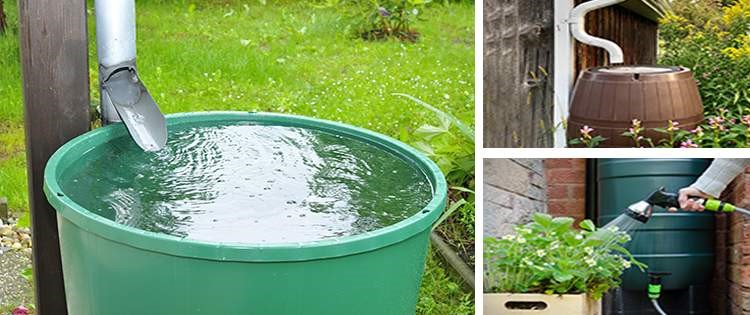
This DIY project is the best way to legally collect rainwater NO MATTER where you live. Get chlorine-free water, cut down on your water bills, and have enough for an emergency situation or to water your garden. Read More Here...
Patience is also a challenge. Heirloom trees on hardy rootstocks may take 5 to 7 years to produce a significant crop, whereas a “forced” commercial hybrid might fruit in 3 years. Remember, you are building a legacy, not a factory. Fast fruit often means a short-lived tree.
Limitations of the Ancestral Method
While the ancestral approach is superior for longevity, it does have its boundaries.
Genetic resilience does not mean total immunity. No citrus variety is currently 100% resistant to citrus greening (HLB). The goal of the ancestral method is “tolerance”—keeping the tree healthy enough to live and produce quality fruit even if it carries the bacteria. If you live in an area with extreme disease pressure, such as central Florida, even the best-cared-for heirloom may eventually succumb, though it will likely outlast its commercial neighbors by many years.
Space and size are also considerations. Ancestral varieties like the Pummelo or certain Citrons can grow into massive trees that are difficult to manage in a tiny suburban lot. You must be willing to learn the art of structural pruning or choose a dwarfing rootstock like ‘Flying Dragon’ to keep the tree at a manageable 2.5 meters (8 feet).
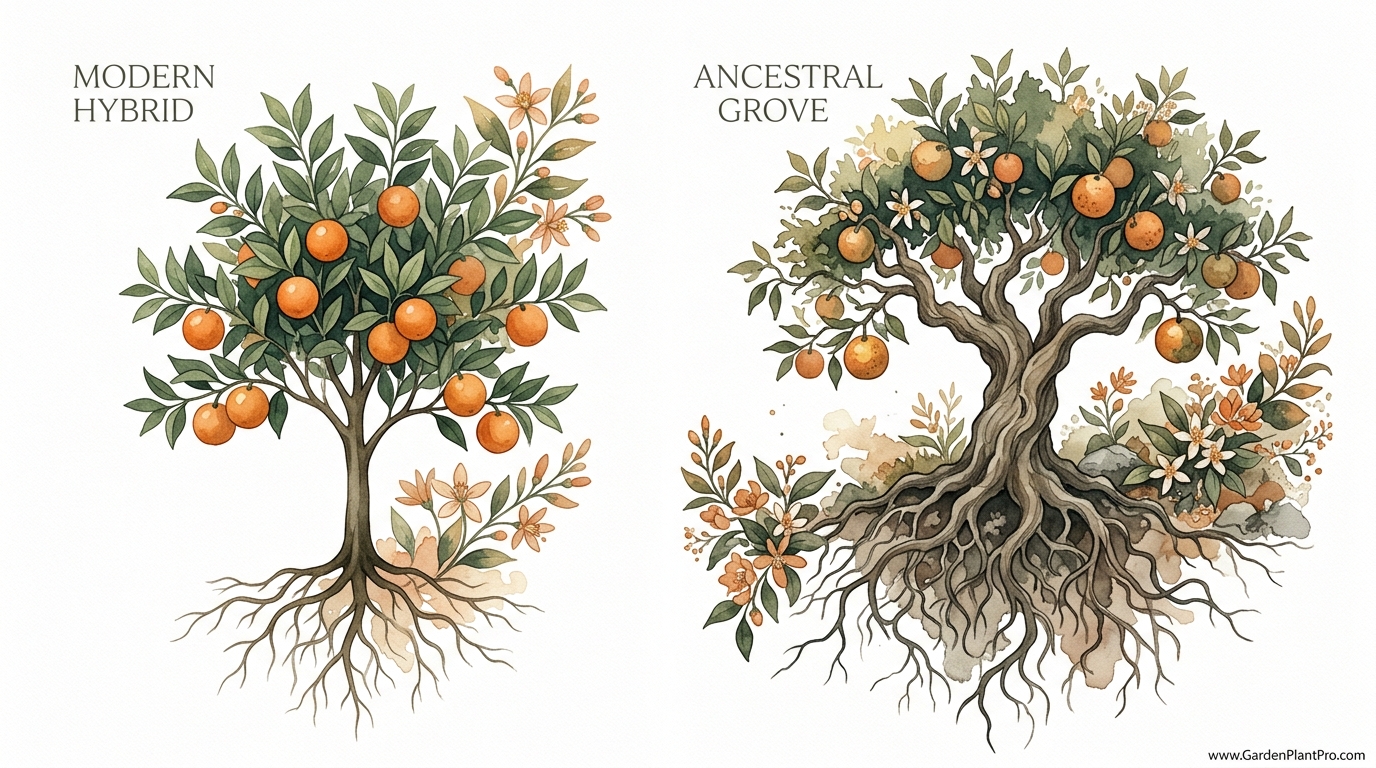
Comparison: Modern Hybrid vs. Ancestral Grove
| Feature | Modern Hybrid (Commercial) | Ancestral / Heirloom Grove |
|---|---|---|
| Genetic Origin | Narrow; bred for shipping and looks. | Diverse; bred for flavor and survival. |
| Rootstock | High-vigor, often short-lived. | Hardy, slow-growing, disease-resistant. |
| Fertilization | Synthetic salts (NPK). | Organic matter and microbial cycling. |
| Disease Strategy | Antibiotics and chemical pesticides. | Biological synergy and systemic health. |
| Expected Lifespan | 10–25 years (under HLB pressure). | 40–100+ years (with proper care). |
| Fruit Quality | Consistent size, thin peel, mild flavor. | Variable size, thick peel, intense flavor. |
Practical Tips for Immediate Results
You don’t need to replant your entire yard to start applying these principles. Small shifts in your routine can have a big impact on your trees’ health.
- Foliar Feeding: If your tree looks yellow, spray the leaves with a liquid seaweed or kelp solution. This provides immediate micronutrients without disrupting soil biology.
- Biological Inoculants: Add a handful of high-quality compost or a commercial “soil probiotic” containing mycorrhizae to the root zone. This helps rebuild the “digestive system” of a struggling tree.
- The “White Paint” Trick: Protect the trunk of young trees from sunscald by painting them with a 50/50 mix of white latex paint and water. This prevents “bark splitting” which opens the door for wood-boring insects.
- Manage Your Ants: Ants often “farm” aphids and scale insects on citrus, protecting them from predators. Use sticky barriers around the trunk to keep ants off the tree, allowing natural predators to do their job.
Advanced Considerations: The Art of Grafting
For the serious practitioner, the ultimate step is learning to graft your own trees. This allows you to combine the perfect heirloom variety with a rootstock specifically suited to your local soil.
Many experienced gardeners are now experimenting with “interstocks”—a third piece of wood grafted between the rootstock and the fruiting scion. For example, using a ‘Flying Dragon’ interstock can provide the dwarfing benefits of that variety while using a more vigorous root system like ‘Carrizo Citrange’ to handle poor soil conditions.
Scaling up an ancestral grove also requires understanding the “neighborhood effect.” If you have a neighbor with a dying, disease-ridden tree, the pests will eventually find your grove. Part of advanced citrus care is education—helping your neighbors understand that their “sentimental” but dying tree is actually a reservoir for disease that threatens the whole community’s citrus legacy.
Example: The Recovery of a 40-Year-Old “Ghost” Tree
I once encountered a client with a 40-year-old Valencia orange that hadn’t produced edible fruit in five years. The leaves were small, mottled, and the fruit was dropping before it reached the size of a golf ball. It was a classic case of HLB-induced decline.
Instead of reaching for a sprayer, we stopped all synthetic fertilization. We applied 10 cm (4 inches) of aged compost and inoculated the soil with beneficial bacteria. We then implemented a strict watering schedule that allowed the soil to dry out slightly between waterings to prevent root rot.
Within two seasons, the tree began to put out “healthy” flushes of growth. While it still carried the HLB bacteria, the biological support allowed the tree to bypass the damaged phloem and move nutrients more effectively. By the third year, the fruit was full-sized and sweet again. This tree didn’t need a cure; it needed a community of microbes to help it work around its disability.
Final Thoughts
Building a resilient citrus grove is a journey back to the roots of horticulture. We must move away from the “pharmacy” model of gardening that relies on quick fixes and move toward a model of legacy. When you plant an heirloom orange on a hardy rootstock and nurture the soil life beneath it, you are making a commitment to the future.
The practical value of this approach is undeniable: trees that live longer, fruit that tastes better, and a garden that works with nature rather than against it. Whether you are planting your first tree or trying to save a struggling veteran, remember that the answers are often found in the forest, not the laboratory.
Take the first step today by looking at your soil. Peel back the mulch, smell the earth, and ask yourself if you are feeding a tree or building a legacy. The rewards of an ancestral grove are measured not just in bushels of fruit, but in the knowledge that you have reclaimed a piece of citrus history for your own backyard.