Did you know that a lonely guava tree is a target for pests, but a ‘guilded’ tree naturally defends itself? Most gardeners treat their guava tree like a lawn ornament, but in the wild, guavas thrive in diverse communities. Surrounding your tree with a ‘guild’ of lemongrass and comfrey creates a self-sustaining ecosystem that builds its own soil and repels pests without a single chemical spray. Stop growing a specimen and start growing a system.
Growing a guava tree on its own often leads to a cycle of constant fertilizing and spraying. This approach treats the tree as an isolated unit rather than a living part of a biological network. When a guava stands alone, its roots compete with grass for nutrients, and its fruit becomes an easy beacon for fruit flies and moths. A plant guild changes the game by surrounding the central tree with “functional neighbors” that provide fertility, attract beneficial insects, and protect the soil. This practice is a cornerstone of permaculture, aiming to mimic the layers and relationships found in a natural forest.
Instead of fighting against nature to keep a tree alive, you can design a space where the plants do the work for you. Guava trees are particularly well-suited for this because they are hardy, medium-sized, and respond beautifully to the extra nutrients provided by companion plants. This guide will walk you through the logic of building a guava tree guild, the specific plants that work best in tropical and subtropical climates, and how to maintain the system so it produces more fruit with less effort from you.
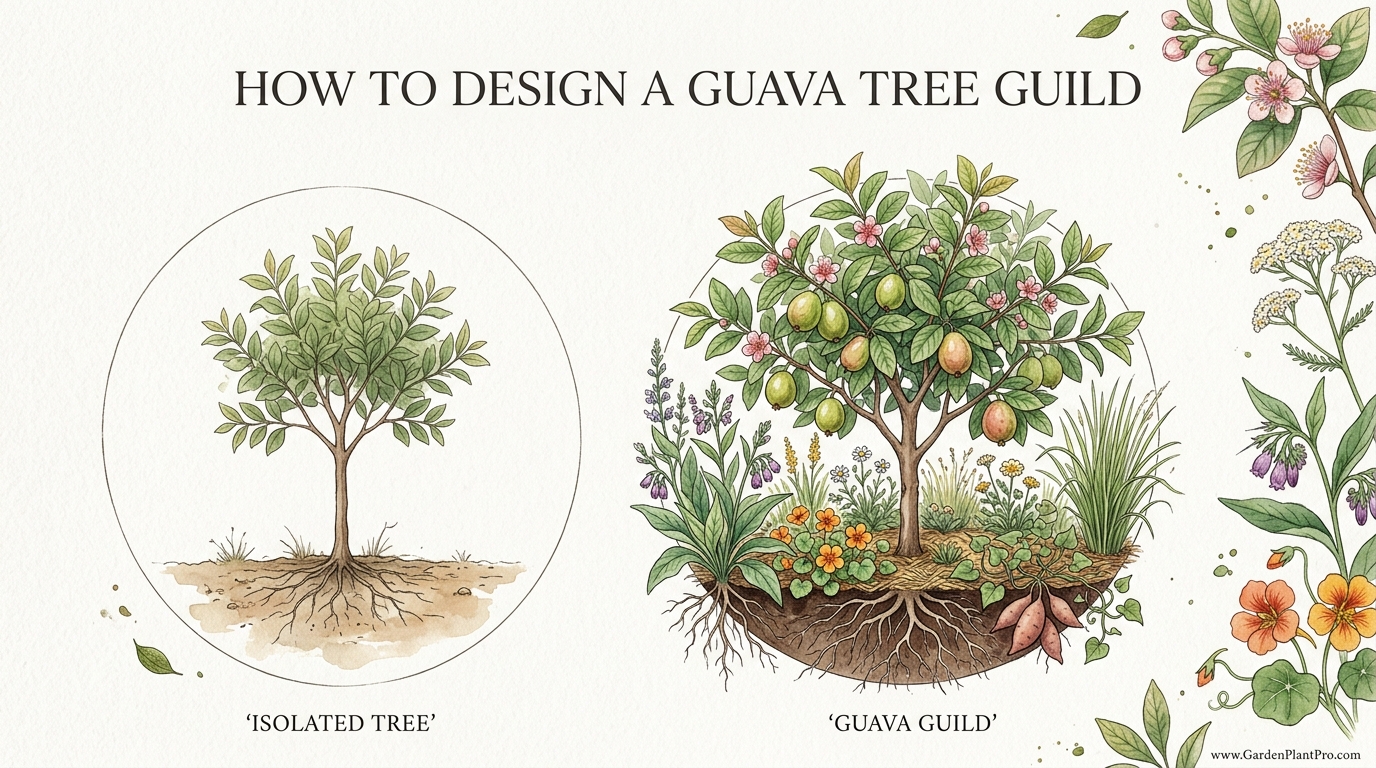
How To Design A Guava Tree Guild
A guava tree guild is a carefully planned group of plants centered around a primary guava tree (Psidium guajava or similar species). This design mimics the structure of a young woodland, where every plant has a job to do. In the real world, you see these systems in successful food forests and sustainable orchards across USDA zones 9 through 12, where guavas flourish. The guild serves as a biological support team that replaces the need for synthetic fertilizers and chemical pesticides.
Designing a guild begins with the “Central Element,” which is your guava tree. Guavas typically reach heights of 10 to 20 feet (3 to 6 meters), though they can be pruned smaller for easier harvesting. Around this center, you place supporting plants in “layers.” These layers include nitrogen fixers to feed the soil, dynamic accumulators to mine minerals, pest-repelling aromatics, and ground covers to keep the roots cool and moist.
Think of the guild as a community. When you plant a guava tree in the middle of a manicured lawn, the grass acts as a thief, stealing water and nitrogen from the tree’s shallow roots. In a guild, you replace that grass with plants like sweet potato or clover. These alternatives don’t just sit there; they actively improve the environment for the guava. This approach creates a “closed-loop” system where the waste from one plant becomes the food for another, eventually leading to a self-fertilizing garden.
How the Layers Work Together
Building a guild is about more than just putting plants in the ground; it is about understanding the roles each player performs. To make the system work, you need to include a variety of plants that satisfy the basic needs of the guava tree throughout its life.
The Primary Canopy: The Guava Tree
Your guava tree is the heart of the guild. It provides the vertical structure and eventually the shade that the lower layers rely on. When selecting your variety, consider the Ruby Supreme for its classic pink flesh or the White Indian for a sweet, creamy texture. These trees love full sun and well-drained soil. As the tree grows, it will naturally drop leaves, providing a base layer of carbon-rich mulch for the soil microorganisms.
Nitrogen Fixers: The Fertilizers
Plants in the legume family, such as Pigeon Peas (Cajanus cajan) or White Clover (Trifolium repens), are essential. These plants have a unique relationship with Rhizobia bacteria in their roots. They pull nitrogen from the air and “fix” it into the soil in a form the guava can use. Pigeon peas are particularly great for guavas because they grow into tall shrubs that can be pruned back twice a year. The trimmings are dropped right at the base of the guava, releasing a burst of nitrogen as they decompose.
Dynamic Accumulators: The Mineral Miners
Plants like Comfrey (Symphytum officinale) and Borage (Borago officinalis) have deep taproots that reach far into the subsoil. They pull up minerals like potassium, calcium, and magnesium that the shallower guava roots cannot reach. When you “chop and drop” the leaves of these plants, those deep-earth minerals are delivered directly to the topsoil. Comfrey is famous in permaculture circles because its large, hairy leaves decompose rapidly, creating a nutrient-dense compost tea right on the surface of the ground.
Pest Repellents and Aromatic Masks
Aromatic herbs like Lemongrass (Cymbopogon), Chives, and Basil serve a defensive purpose. The strong scents of these plants can confuse pests like the guava fruit fly or aphids, making it harder for them to find the fruit. Marigolds are another powerhouse here; they release compounds into the soil that help manage root-knot nematodes, which are a common problem for guavas in sandy soils.
Benefits of the Guild Approach
Moving from a single tree to a guild system offers several measurable advantages for the backyard gardener. These benefits aren’t just theoretical; they show up in the health of your soil and the weight of your harvest.
- Reduced Water Consumption: Ground covers like sweet potato or creeping oregano act as a living mulch. They shade the soil, reducing evaporation and keeping the guava’s roots cool during the heat of a 90°F (32°C) summer afternoon.
- Natural Pest Management: By planting flowers like yarrow or dill, you attract predatory insects like ladybugs and parasitic wasps. These “good bugs” eat the aphids and scale that would otherwise weaken your guava tree.
- Soil Regeneration: Instead of the soil becoming compacted and depleted over time, the constant addition of organic matter from the support plants builds a rich, loamy topsoil. This encourages earthworms and beneficial fungi to move in.
- Increased Biodiversity: A guild creates a habitat for birds and pollinators. Bees that come for the borage flowers will stay to pollinate the guava blossoms, often leading to a higher fruit set.
Challenges and Common Mistakes
While a guava guild is designed to be low-maintenance, setting it up incorrectly can lead to headaches. Most mistakes happen when a gardener forgets that the guava tree is the priority.
One frequent error is choosing companion plants that are too aggressive. For example, some varieties of mint or certain climbing vines can easily overwhelm a young guava tree, wrapping around the trunk and competing for light. You must be willing to prune your companion plants back to keep them in their place. If a plant starts climbing the guava, it has moved from being a companion to being a competitor.
Another common pitfall is planting too many heavy feeders at once. While nitrogen fixers help, if you surround a small guava with five or six large shrubs, they might drink all the water before the guava gets its share. Start small. Plant the tree first, then add the ground cover and one or two support plants. As the tree grows and its canopy expands, you can fill in the rest of the guild.
Limitations: When a Guild May Not Be Ideal
A guava guild is a powerful tool, but it is not a “magic bullet” for every situation. There are realistic constraints that you should consider before you start digging.
The most significant limitation is space. A full guava guild typically requires a circle with a diameter of 12 to 15 feet (3.6 to 4.5 meters). If you are growing in a very small urban backyard or in containers, you simply won’t have the room to plant a dozen different species. In those cases, you might have to limit yourself to one or two “multi-functional” companions, like marigolds or chives in the same pot.
Climate is another factor. While guavas are fairly hardy, many of their best companions are strictly tropical. If you live in a region that sees frequent frosts, your support plants might die back every winter. This isn’t necessarily a deal-breaker, as many will grow back from the roots, but it means your “system” won’t be fully functional year-round. You will need to rely more on traditional mulching during the cold months to protect the soil.
Isolated Tree vs. Guava Guild
| Factor | Isolated Tree | Guava Guild |
|---|---|---|
| Fertilization | Requires regular synthetic or organic inputs. | Self-fertilizing through nitrogen fixers and mulch. |
| Pest Control | Often requires chemical or neem oil sprays. | Biological control via predatory insects and aromatics. |
| Maintenance | Mowing grass, weeding, and frequent watering. | Occasional pruning and “chop and drop” mulching. |
| Soil Health | Soil often becomes compacted or nutrient-poor. | Soil structure improves annually with organic matter. |
Practical Tips and Best Practices
If you are ready to start building your guava guild, follow these practical steps to ensure success. These observations come from years of trial and error in the garden.
DIY PROJECT: Collect rainwater no matter where you live...
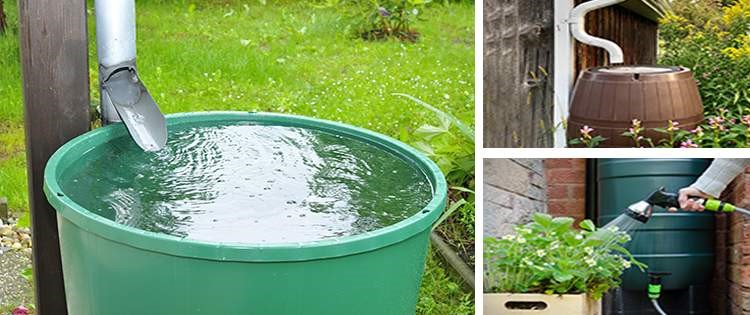
This DIY project is the best way to legally collect rainwater NO MATTER where you live. Get chlorine-free water, cut down on your water bills, and have enough for an emergency situation or to water your garden. Read More Here...
- Keep the Trunk Clear: Always maintain a “no-grow” zone of about 12 inches (30 cm) around the main trunk of the guava tree. Do not let mulch or companion plants touch the bark, as this can trap moisture and lead to fungal diseases or rot.
- Observe the Drip Line: The most active roots of your guava tree are generally found under the “drip line”—the circle on the ground where rain would drip off the outermost leaves. This is the prime spot to plant your comfrey and nitrogen fixers.
- Timing Your Pruning: Guavas fruit on new growth. When you prune your guava in the early spring, use that time to also “chop and drop” your comfrey and pigeon peas. The sudden influx of nutrients will coincide with the tree’s spring flush, leading to bigger harvests.
- Manage the Water: Young guava trees need about 1 inch (2.5 cm) of water per week. While the guild will eventually help retain moisture, you must keep the support plants well-watered during the first year so they don’t steal all the hydration from the baby tree.
Advanced Considerations: Tuning Your System
For those who want to take their guild to the next level, consider the specific mineral needs of the guava. Guavas are heavy users of potassium and boron. If you notice your fruit is small or dropping prematurely, you can “tune” your guild by adding more dynamic accumulators like dandelion or yarrow, which are excellent at cycling these specific minerals.
You can also experiment with “stacking” functions. Instead of just any ground cover, use Sweet Potatoes. Not only do they protect the soil, but they also provide a secondary food crop for your family. If you have the space, adding a “shrub layer” of hibiscus can provide flowers for tea while also serving as a windbreak for the guava tree, which can be sensitive to heavy, salt-laden coastal winds.
Example Scenario: The Backyard Guava Guild
Let’s look at a typical 15-foot (4.5-meter) diameter guild in a suburban yard. In the center, we have a 3-year-old ‘Homestead’ pink guava. It is currently 8 feet (2.4 meters) tall.
Around the base, about 3 feet (1 meter) from the trunk, we have three Comfrey plants. Every three months, the gardener hacks the comfrey leaves down and lays them on the ground. Just outside the comfrey, there is a ring of Lemongrass. The lemongrass acts as a barrier, stopping the lawn grass from creeping into the guild.
Interspersed throughout the area are Marigolds and Basil. Underneath everything, a thick carpet of White Clover covers the soil. In the spring, the clover flowers attract tiny native bees, which then move up into the guava blossoms. The gardener only spends about 20 minutes a month “managing” this space—mostly just pulling the occasional stray weed and tossing it back onto the soil to rot. The result is a tree that looks vibrant, dark green, and heavy with fruit, far outperforming the neighbor’s lonely, grass-choked tree.
Final Thoughts
Building a guava tree guild is a shift in perspective. It moves you away from being a “plant parent” who has to provide every single drop of water and pellet of fertilizer, and turns you into an ecosystem manager. By choosing plants that work together, you create a resilient system that can withstand pests, heatwaves, and poor soil.
The beauty of the guild is that it is never truly finished. You can start with a guava and a handful of marigolds this season, and add a pigeon pea or some lemongrass next year. Each addition brings a new layer of protection and fertility to your garden.
I encourage you to look at your guava tree not as an individual, but as the leader of a community. Once you see the soil turning dark and rich from the “chop and drop” mulch, and you watch the ladybugs patrolling the leaves for aphids, you’ll never want to grow a lone tree again. Start small, observe how the plants interact, and enjoy the abundant harvests that come from working with nature instead of against it.