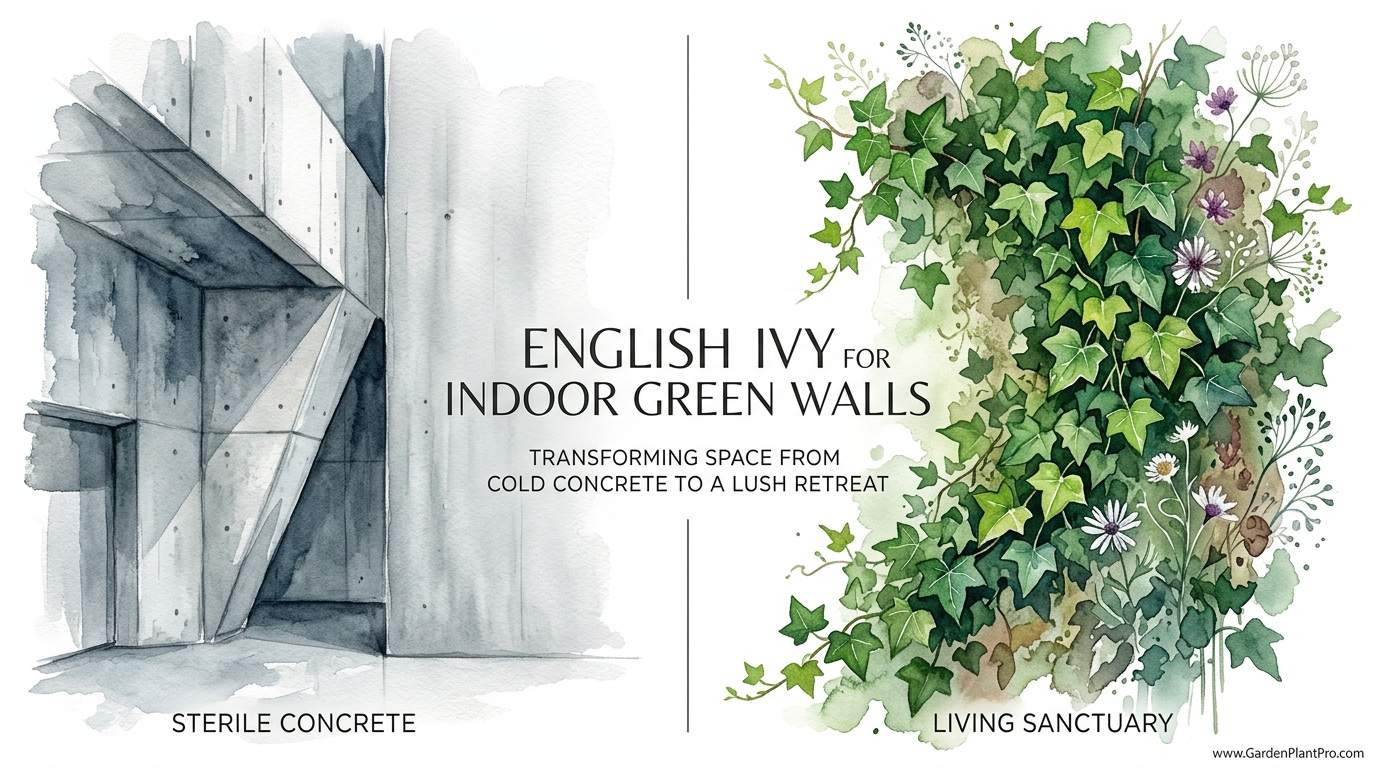
Is your workspace a biological desert or a thriving indoor forest? Living in the city often means being surrounded by sterile surfaces and stagnant air. English Ivy is nature’s way of reclaiming that space. Bringing the wild indoors means you aren’t just decorating; you’re restoring the biological connection your environment is missing.
When I look at a bare, white wall in a modern home, I don’t just see a partition; I see a missed opportunity for life. Many of us spend our days in rooms that feel more like concrete boxes than living sanctuaries. It doesn’t have to be that way. I’ve spent decades watching how plants transform a space, and there is something uniquely hardworking about the common ivy. It isn’t just a plant; it is a persistent, climbing companion that breathes with you.
English Ivy, or Hedera helix as the scientists call it, has a way of softening the hard edges of our lives. It carries a sense of nostalgia, reminding us of old stone cottages and quiet forest floors. In a world of plastic and steel, this vine offers a tangible connection to the rhythms of nature. Helping a neighbor set up their first vertical garden last summer reminded me why this particular plant remains a timeless favorite for any gardener looking to go vertical.
English Ivy For Indoor Green Walls
English Ivy for indoor green walls is the practice of using this versatile, evergreen climber to create a vertical tapestry of foliage inside a home or office. While many people think of ivy as an outdoor groundcover or something that scales the sides of brick buildings, its adaptability makes it a champion for interior vertical gardening. It is a woody perennial that uses small, sticky aerial rootlets to cling to surfaces, allowing it to “climb” toward whatever light it can find.
Indoor green walls are essentially vertical structures that hold a growing medium and plants. These systems allow you to cover an entire wall—or just a small section of it—with living greenery. English Ivy is particularly suited for this because of its trailing habit and dense leaf coverage. Unlike some plants that grow straight up and leave “legs” at the bottom, ivy creates a thick, overlapping curtain of leaves that hides the hardware of your green wall system beautifully.
Real-world applications of these ivy walls range from small, framed “living art” pieces in a kitchen to massive, multi-story installations in corporate lobbies. In a home office, an ivy wall can act as a natural acoustic buffer, dampening the echo of video calls while cleaning the air. I often tell folks that an ivy wall is like a living sweater for your room; it adds texture, warmth, and a quiet sense of permanence that paint or wallpaper simply cannot match.
Varieties Suited for Indoor Life
Choosing the right variety is the first step toward a successful green wall. Not all ivies are created equal. The “Glacier” variety, for instance, offers stunning silvery-white margins on gray-green leaves, which can really brighten up a darker corner. If you prefer a more classic look, “Needlepoint” has small, dark green leaves with sharp lobes that create a delicate, lace-like appearance against a wall.
Variegated types like “Gold Child” bring a splash of yellow and lime into the mix. These are wonderful for adding visual depth to a green wall, as the different colors catch the light at different angles. Keep in mind that variegated ivies usually need a bit more light than their solid green cousins to maintain those bright colors. If you have a particularly shady spot, sticking with a solid dark green variety like “Thorndale” is often the safest bet for consistent growth.
Designing and Installing Your Ivy Wall
Setting up an indoor green wall requires a bit more planning than just plopping a plant in a pot. You have to consider weight, water management, and how the plant will actually attach itself to the structure. For English Ivy, you generally have two choices: a pocket-based felt system or a trellis-and-pot setup. Both have their merits, and your choice depends on the look you want and the time you have for maintenance.
Pocket systems are popular because they create that “wall of leaves” effect almost immediately. These systems consist of a moisture-wicking felt fabric with individual pockets for each plant. The ivy’s roots grow into the felt, and the vines quickly spread to cover the fabric. It is crucial to install a waterproof backing—like a thick plastic sheet or a PVC board—between the wall and the felt to prevent moisture from seeping into your drywall and causing rot.
Trellis systems are often easier for the beginner. In this setup, you place long planter boxes at the base of the wall or at various heights and install a wire or wooden trellis for the ivy to climb. This method is less invasive and allows for easier individual plant care. Since English Ivy is a self-clinger, it will eventually grab onto the trellis with its aerial roots, but you will need to give it a hand early on by gently weaving the vines through the support or using small garden clips.
Materials and Support
Building a sturdy frame is non-negotiable. A 1-meter by 1-meter (roughly 3-foot by 3-foot) section of a green wall can weigh over 20 kilograms (about 45 pounds) once the soil is saturated with water. Always use wall anchors that are rated for heavy loads, and if you can, screw the frame directly into the wall studs. I’ve seen more than one “living wall” end up as a “living floor” because someone underestimated the weight of wet dirt.
Waterproofing is another area where you cannot afford to cut corners. Use a 20-mil pond liner or a specialized root barrier membrane behind your planting system. This protects your home’s structure and ensures that the humidity stays where the plants need it. For the soil, look for a lightweight, well-draining potting mix. Mixing in a bit of perlite or vermiculite helps keep the wall from becoming too heavy while ensuring the roots can breathe.
Ideal Growing Conditions
English Ivy is famous for being tough, but it won’t thrive in a closet. To get that lush, forest-like growth, you need to mimic its native woodland environment. This means cool temperatures and bright, indirect light. If you place it in a spot with scorching afternoon sun, the leaves will likely burn and turn a crispy brown. Conversely, if the room is too dark, the plant will become “leggy,” with long gaps of bare vine between the leaves.
Light levels for ivy are best measured in foot-candles or lux. For a green wall to maintain its density, aim for about 200 to 400 foot-candles (roughly 2,150 to 4,300 lux) of light. A north or east-facing window is usually perfect. If your space is darker, don’t worry—modern LED grow lights are a fantastic solution. Setting a timer for 12 to 14 hours of supplemental light can make a world of difference for an indoor ivy wall.
Temperature is where many people go wrong. Most tropical houseplants love the heat, but English Ivy actually prefers it on the cooler side. It thrives in temperatures between 10°C and 21°C (50°F to 70°F). During the winter, keep it away from radiators or heating vents. The hot, dry air from a furnace is the number one enemy of indoor ivy, often leading to leaf drop and pest infestations. A guest room or a hallway that stays a bit cooler is often the best spot.
Humidity and Airflow
Woodland plants are used to a certain amount of moisture in the air. While ivy can tolerate the average home’s humidity, it really shines when levels are between 40% and 60%. Misting the leaves once or twice a week is a simple way to keep the plant happy, especially during the dry winter months. It also helps to keep the leaves clean of dust, which allows the plant to photosynthesize more efficiently.
Airflow is just as important as humidity. Stagnant air can lead to fungal issues or provide a breeding ground for pests. Ensure there is enough space between the wall and the plants for some air to circulate. I like to keep a small fan on low in the room where my green wall is located, just to keep things moving. This prevents the “pockets” of the wall from staying too damp for too long.
Watering and Feeding Strategies
Watering a vertical wall is a bit different than watering a pot on a windowsill. Gravity is always at work, meaning the top sections of your wall will dry out much faster than the bottom. If you have a large wall, a simple drip irrigation system is a lifesaver. These systems use a small pump and thin tubing to deliver water to each individual pocket or planter, ensuring even moisture throughout the entire structure.
DIY PROJECT: Collect rainwater no matter where you live...
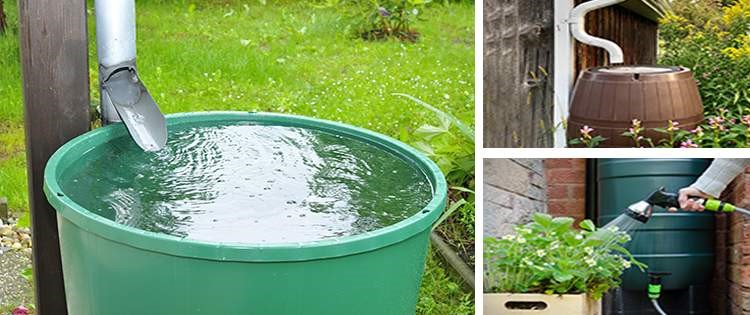
This DIY project is the best way to legally collect rainwater NO MATTER where you live. Get chlorine-free water, cut down on your water bills, and have enough for an emergency situation or to water your garden. Read More Here...
Manual watering is perfectly fine for smaller installations. The “finger test” is your best tool here: stick your finger into the soil about an inch (2.5 cm) deep. If it feels dry, it’s time to water. If it still feels damp, wait another day. English Ivy hates “wet feet,” which is a gardener’s way of saying the roots are sitting in water. Overwatering is the quickest way to cause root rot, which will turn your beautiful green wall yellow and mushy in a matter of weeks.
Feeding your ivy is relatively simple. During the growing season—usually spring through late summer—use a balanced, water-soluble fertilizer once a month. I usually dilute it to half-strength to avoid any salt buildup in the soil. When winter rolls around and the plant’s growth naturally slows down, stop fertilizing altogether. The plant needs a bit of a rest, and forcing growth with fertilizer during the dark months can lead to weak, spindly vines.
Benefits of an English Ivy Green Wall
The most immediate benefit is, of course, the beauty. There is a psychological calm that comes from being near living plants. Scientific studies have shown that having greenery in your workspace can reduce stress and even boost productivity. But beyond the aesthetics, English Ivy is a functional powerhouse. It is one of the top plants identified in NASA’s Clean Air Study for its ability to filter out common indoor toxins.
Airborne pollutants like benzene, formaldehyde, and trichloroethylene are often found in modern furniture, carpets, and paints. English Ivy acts like a natural air scrubber, absorbing these chemicals through its leaves and roots. Some research even suggests that ivy can help reduce the amount of airborne mold spores in a room. For someone with allergies or respiratory sensitivities, a wall of ivy is more than just a decoration; it’s a health investment.
Noise reduction is another surprising perk. The dense, overlapping leaves of a mature ivy wall act as a natural sound diffuser. They absorb high-frequency sounds and break up echoes that bounce off hard surfaces like tile or hardwood floors. If you live in a noisy apartment or have a home office near a busy street, a green wall can significantly quiet your environment. It’s like having a beautiful, living soundproof panel.
Challenges and Common Pitfalls
Every plant has its quirks, and English Ivy’s biggest weakness indoors is the spider mite. These tiny pests thrive in warm, dry conditions—exactly what our homes offer in the winter. If you see tiny yellow speckles on the leaves or fine webbing between the stems, you’ve got a problem. The best defense is prevention: keep the humidity up and wash the leaves periodically with a gentle spray of water or a damp cloth.
Bacterial leaf spot is another issue to watch for. It appears as dark, water-soaked spots on the leaves, often with a yellow halo. This is usually caused by too much moisture sitting on the leaves in a room with poor airflow. If you see this, remove the affected leaves immediately and improve the circulation around the plant. It’s a good idea to always use clean, sharp shears when pruning to avoid spreading any disease from one plant to another.
Training the vines can also be a bit of a chore if you aren’t prepared. Ivy is persistent. If left to its own devices, it will find its way into cracks in your trim, behind your bookshelves, or even into your electrical outlets. Regular maintenance is key. Every couple of weeks, take a moment to tuck the new growth back into your support system or prune away any vines that are heading where they shouldn’t. Think of it as a haircut for your wall.
Limitations and Safety Considerations
The most important thing to know about English Ivy is that it is toxic to pets and humans if ingested. It contains chemicals called saponins, which can cause vomiting, abdominal pain, and drooling in cats and dogs. If you have curious pets or small children, you must ensure the wall is out of their reach. This is one reason why vertical gardening is actually quite helpful—you can keep the plants high up on the wall where little hands and paws can’t get to them.
The sap of the plant can also cause skin irritation or “contact dermatitis” for some people. If you have sensitive skin, it is a good idea to wear gloves when you are pruning or handling the plant. I’ve learned the hard way that a long session of training ivy vines can leave my forearms itchy if I’m not careful. It’s a minor nuisance for most, but definitely something to keep in mind before you dive into a large project.
Another limitation is the potential for wall damage. While ivy is a “self-clinger,” its aerial roots can sometimes leave behind a sticky residue or small rootlets that are difficult to remove from painted surfaces. If you are renting or want to keep your walls pristine, always use a trellis or a modular pocket system that keeps the plant itself from making direct contact with your drywall. This way, you get all the benefits of the greenery without the headache of a future repainting job.
Comparing Ivy to Other Green Wall Favorites
When planning a green wall, you might wonder why you should choose English Ivy over other popular choices like Pothos or Philodendron. Each plant has its own strengths, and sometimes a mix is the best approach. However, ivy offers a unique texture and a more “traditional” look that tropical vines can’t quite match.
| Feature | English Ivy | Pothos (Devil’s Ivy) | Heartleaf Philodendron |
|---|---|---|---|
| Leaf Size | Small to Medium | Large | Medium |
| Growth Habit | Dense, Woody Vines | Fast, Trailing | Soft, Cascading |
| Light Needs | Medium to Bright Indirect | Low to Medium | Low to Medium |
| Temp Preference | Cool (10-21°C / 50-70°F) | Warm (18-29°C / 65-85°F) | Warm (18-24°C / 65-75°F) |
| Pest Resistance | Susceptible to Mites | Highly Resistant | Moderately Resistant |
As the table shows, English Ivy is the best choice for cooler rooms, whereas Pothos and Philodendron are better suited for the warmer parts of your home. Ivy provides a much tighter, more carpet-like coverage, making it ideal for creating a solid “green” look. Pothos tends to grow in long, single strands, which can sometimes look a bit sparse on a wall unless you have many plants growing together.
Practical Tips for a Thriving Wall
Start with healthy, established plants. It is tempting to buy the cheapest little 2-inch starts you can find, but for a green wall, you want plants that already have some vine length. This gives you something to work with immediately and ensures the root systems are strong enough to handle the transition to a vertical environment. I always recommend buying plants from a reputable nursery where they have been well-cared for and are free of pests.
- Rotate your light: If you aren’t using grow lights, the side of the plant facing the window will always grow faster. Every few months, try to gently redirect the vines to ensure the entire wall gets even exposure.
- Check your drainage: Always make sure there is a place for excess water to go. A tray at the bottom of the wall can catch drips and protect your flooring.
- Prune for density: Don’t be afraid to snip off the ends of the vines. This encourages the plant to branch out, leading to a much fuller and thicker green wall.
- Use filtered water: If your tap water is very hard or full of chlorine, you might see brown tips on the leaves. Using a simple water filter can help keep the foliage looking pristine.
Another trick I’ve learned over the years is to “pinch” the stems. Instead of just letting a vine grow 10 feet long, pinch off the growing tip once it reaches a foot or two. This forces the plant to send out new shoots from the base, filling in those annoying bald spots that can sometimes happen at the top of the wall. It takes a little more patience, but the result is a much more professional-looking installation.
Advanced Considerations: Going Hydroponic
For the serious enthusiast, soil-less or hydroponic green walls are a fascinating option. Instead of dirt, these systems use a nutrient-rich water solution that circulates through a specialized growing medium like rockwool or expanded clay pebbles. This significantly reduces the weight of the wall and eliminates the mess of soil inside your home. It also drastically reduces the risk of soil-borne pests like fungus gnats.
Hydroponic systems require a bit more technical knowledge, as you’ll need to monitor the pH and nutrient levels of the water. However, English Ivy responds remarkably well to this method. Because the roots have constant access to oxygen and water, the growth rate is often much faster than in traditional soil. If you are planning a very large wall or want a sleek, modern look, a hydroponic setup is worth the extra research and initial investment.

Do you have some charcoal in your house right now? We call charcoal a “miracle leftover” for anyone who wants to be a little more self-sufficient and cut costs. That’s because it can help you with so many different things around the house and garden. You can even use it to make an energy-free fridge. Read More Here...
Scaling up also means thinking about long-term sustainability. For large walls, consider integrating a smart timer that controls both your lights and your irrigation pump. Some high-end systems can even be monitored from your phone, letting you know if the water reservoir is low or if the temperature in the room has spiked. While this might sound like overkill for a single plant, for a 100-square-foot living wall, it’s the difference between a thriving forest and an expensive pile of dried leaves.
Example: Transforming a Home Office
Let’s look at a real-world scenario. Imagine a small home office, about 10 by 12 feet (3 by 3.6 meters), with a single north-facing window. The walls are plain drywall, and the room feels a bit cold and echoey. The owner decides to install a 4-foot by 6-foot (1.2 by 1.8 meter) ivy wall behind their desk.
They choose a modular pocket system and 24 individual English Ivy “Glacier” plants. To ensure the plants thrive, they install two sleek LED grow lights on the ceiling, set to run for 12 hours a day. They also add a small humidifier to the corner of the room to keep the air around 50% humidity. Within six months, the individual plants have grown together, creating a solid wall of variegated green and white foliage.
The results are immediate. The room feels noticeably cooler during the summer, and the owner finds that they no longer need to wear noise-canceling headphones for meetings because the ivy has softened the room’s acoustics. Most importantly, the “biological desert” has been replaced by a space that feels alive. This isn’t just about decor; it’s about creating a workspace where you actually want to spend time.
Final Thoughts
Creating an English Ivy green wall is one of the most rewarding projects an indoor gardener can take on. It is a perfect blend of art and science, requiring a bit of planning but offering a huge payoff in terms of beauty, health, and comfort. Whether you start with a small framed panel or go all-in with a floor-to-ceiling installation, the presence of that living, breathing greenery will change the way you feel about your space.
I always tell my neighbors that you don’t need a massive budget or a degree in botany to get started. All you need is a bit of patience and a willingness to learn from the plants themselves. English Ivy is a forgiving companion; it wants to grow, and as long as you provide the basic framework and a little bit of care, it will reward you with years of lush, evergreen beauty. It’s time to reclaim your space from the concrete and bring the forest indoors.
If you find yourself falling in love with vertical gardening, don’t stop here. The skills you learn with ivy—managing light, understanding humidity, and mastering irrigation—will serve you well as you explore other systems. You might eventually try your hand at vertical herb gardens or even complex multi-species tropical walls. But no matter how far you go, you’ll always remember the quiet, persistent charm of your first ivy wall.