
Stop throwing away half of your harvest’s potential before you even leave the kitchen. Most gardeners only care about the juicy segments, but in a resource-smart garden, the skin is just as valuable. From organic pest deterrents to high-scent natural fire starters and enzyme-rich cleaners, your citrus ‘waste’ is actually a versatile fuel for your home and soil.
I’ve spent years watching folks toss those bright skins into the trash, and it always breaks my heart just a little. There is a whole world of use locked inside that rind, specifically a little miracle compound called d-limonene that does everything from scaring off ants to cutting through grease like a hot knife through butter.
Whether you are growing your own Satsumas or just picking up a bag of Clementines from the market, those peels are a resource you’ve already paid for. It is time we start treated them like the garden gold they truly are.
Creative Uses For Leftover Mandarin Peels
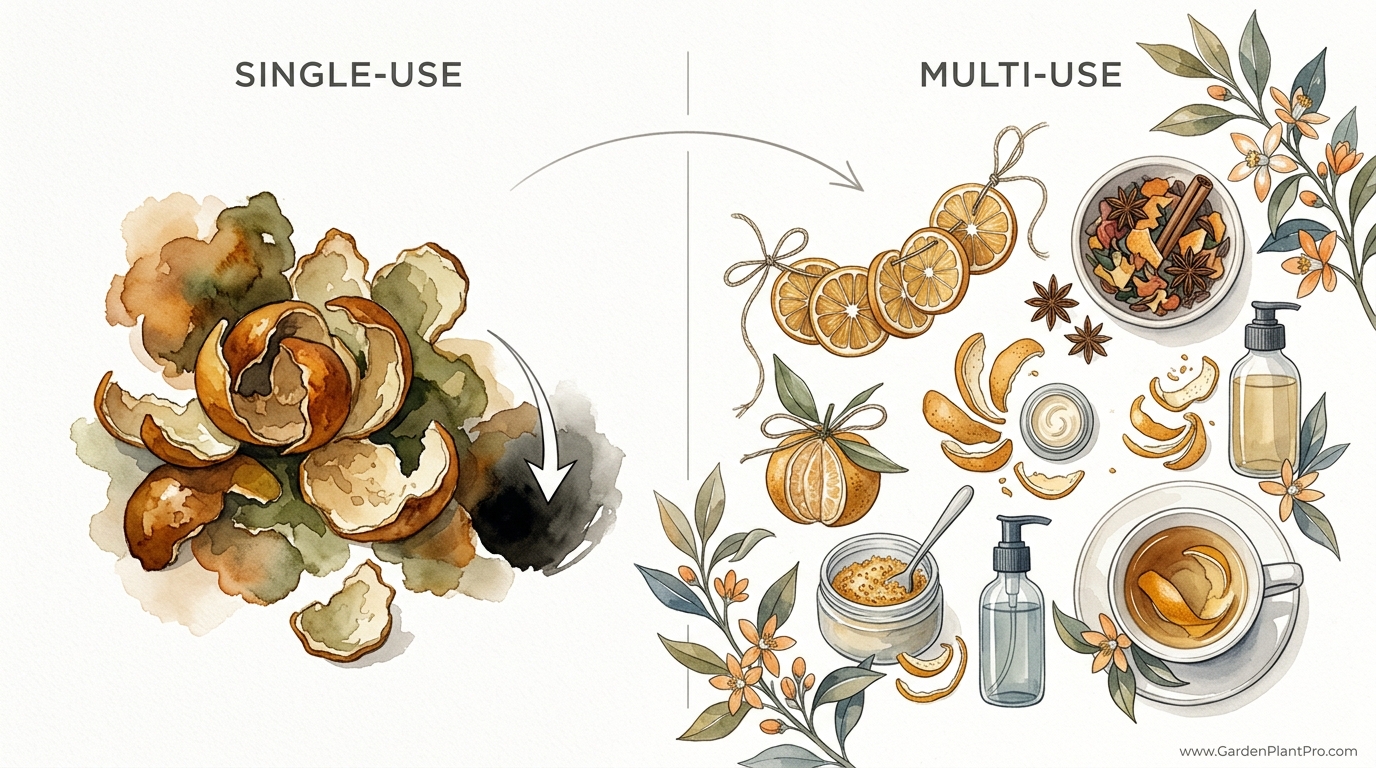
Mandarin peels are much more than just a wrapper for your fruit; they are a concentrated source of essential oils, nutrients, and fiber. In the world of practical gardening and homesteading, we call this a “multi-use” resource. Instead of a linear path from the bowl to the bin, these skins can take a detour through your garden beds, your cleaning cupboard, and even your fireplace.
The primary reason these peels are so effective is their high concentration of d-limonene. This is a natural terpene found in the oil glands of the skin. It gives the fruit that characteristic “zesty” smell that we love, but to many garden pests, that same scent is a warning sign of a natural insecticide.
Beyond the oils, the peels are packed with potassium, phosphorus, and nitrogen—the “big three” nutrients every gardener looks for on a bag of fertilizer. When you return these peels to the earth, you aren’t just getting rid of trash; you are feeding the very soil that will grow next year’s crop.
Natural Pest Management for the Garden
One of the most immediate ways I use mandarin peels is to keep the “bad bugs” at bay without reaching for a bottle of harsh chemicals. If you’ve ever seen an ant trail marching toward your prize roses or aphids clustering on your kale, you know the frustration.
Ant and Aphid Repellent: The d-limonene in mandarin peels is actually toxic to many small insects. It works by dissolving the waxy coating on their exoskeletons, which causes them to dehydrate. For ants, the strong scent also masks the pheromone trails they use to communicate, effectively “blinding” the colony’s path to your plants.
Cat and Wildlife Deterrent: It isn’t just the bugs that dislike citrus. If you have neighborhood cats that think your freshly tilled garden beds are a litter box, mandarin peels are your best friend. Cats have incredibly sensitive noses, and the sharp, acidic scent of citrus is often enough to make them find a different spot to dig.
How to Make Your Own Mandarin Pest Spray
Making a garden spray is one of those simple tasks that feels like a science experiment but costs next to nothing. I like to keep a batch of this in the shed during the spring and summer months.
- The Boil Method: Take the peels from 4 or 5 mandarins and place them in 2 cups (approx. 500ml) of water. Bring it to a boil, then let it simmer for about 10 minutes to draw out those oils. Once it’s cool, strain out the bits and put the liquid in a spray bottle.
- The Infusion Method: If you aren’t in a rush, just put your peels in a jar of water and let it sit for 24 to 48 hours. Give it a good shake once in a while. This produces a gentler spray that’s great for sensitive indoor plants.
- Application: Spray directly onto the leaves of plants affected by aphids, making sure to hit the undersides where they like to hide. For ants, spray the perimeter of your garden beds or the base of your pots.
Be sure to test this on a single leaf first if you are dealing with delicate plants like ferns or certain herbs, just to make sure the acidity doesn’t cause any spotting.
The Great Citrus Compost Myth
If you’ve been gardening for a while, you’ve probably heard someone say, “Never put citrus in the compost!” The story goes that the acidity will kill off your worms or stop the helpful bacteria from doing their job. Well, after four decades of turning soil, I can tell you that’s a myth that needs to be buried.
In a balanced compost pile, a few mandarin peels aren’t going to hurt a thing. Yes, fresh citrus is acidic (around pH 2.0 to 3.0), but as it decomposes, that acidity is neutralized by the other materials in the pile. By the time it turns into “black gold,” the pH will be near neutral.
Speeding Up Decomposition: The real challenge with citrus isn’t the chemistry; it’s the physical structure. That waxy outer skin is designed to keep moisture in and microbes out. To help it break down faster, I always take a second to chop my peels into small half-inch (1.25cm) pieces. This gives the microbes more surface area to work on.
A Note on Worm Bins: If you are running a dedicated vermicompost (worm) bin, you do want to be a bit more careful. In a small, enclosed space, the essential oils can be irritating to the worms’ skin. I usually limit citrus to about 10% of the total food waste in my worm bins, or I’ll pre-compost it in a regular pile for a few weeks before letting the worms at it.
Eco-Friendly Seed Starter Pots
This is a trick I learned from a neighbor years ago, and it’s a wonderful way to involve kids in the garden. Instead of buying those plastic six-pack trays that end up in the landfill, you can use the “bowl” of a mandarin peel as a biodegradable pot.
Step-by-Step Seed Starting
- When you eat your mandarin, try to peel it in two large “cups” or halves.
- Use a toothpick or a small nail to poke one or two drainage holes in the very bottom. Without drainage, your seedlings’ roots will rot.
- Fill the peel cup with a light seed-starting mix.
- Plant your seeds (herbs, tomatoes, and marigolds work great) and water them lightly.
- Once the seedling has a couple of sets of true leaves and is ready for the garden, you can plant the whole thing—peel and all—directly into the soil.
The peel will naturally break down in the earth, releasing a little dose of nitrogen and potassium right at the root zone of the young plant. It’s a perfect circle of life.
Fermented Bio-Enzyme Cleaners
If you want to move beyond the garden and into the house, mandarin peels make one of the most powerful natural cleaners I’ve ever used. This isn’t just “citrus-scented” water; it is a fermented enzyme solution that can eat through mineral deposits and grime.
The 10:3:1 Ratio
To make a true bio-enzyme, you need a little patience and a simple formula:
DIY PROJECT: Collect rainwater no matter where you live...
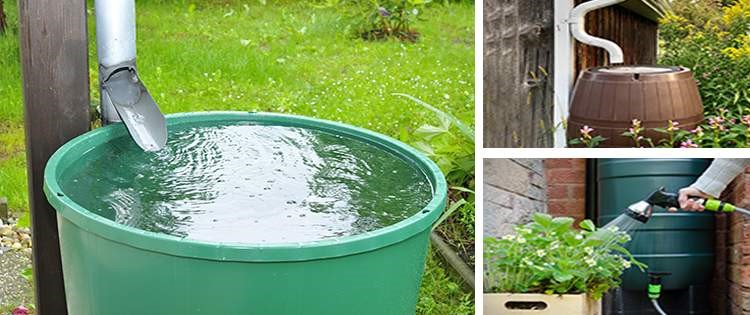
This DIY project is the best way to legally collect rainwater NO MATTER where you live. Get chlorine-free water, cut down on your water bills, and have enough for an emergency situation or to water your garden. Read More Here...
- 10 parts water
- 3 parts mandarin peels (fresh is best)
- 1 part sugar (brown sugar or jaggery works best to feed the yeast)
Mix these in a plastic bottle, leaving plenty of room at the top for gases to expand. You’ll need to “burp” the bottle every day for the first couple of weeks to let out the carbon dioxide. After about three months, you’ll have a dark, vinegar-smelling liquid that is a degreasing powerhouse. If three months is too long, you can add a teaspoon of active dry yeast to the mix to cut the time down to about two to three weeks.
High-Scent Natural Fire Starters
For those of us with a wood-burning stove or a backyard fire pit, mandarin peels are better than any store-bought kindling. Those same oils (limonene) that kill bugs are incredibly flammable.
Preparation: The trick here is to make sure the peels are bone-dry. If they are wet, they’ll just smoke and sizzle. I usually spread my peels out on a wire rack on top of the refrigerator or near a window for a few days until they are brittle and “snap” when bent.
Usage: When you are building your fire, tuck a handful of these dried skins under your kindling. They ignite quickly and burn with a hot, bright flame that helps catch your larger logs. Plus, the smell is absolutely heavenly—much better than the chemical scent of those kerosene-soaked starter blocks.
Comparison: Mandarin Peels vs. Common Alternatives
| Factor | Mandarin Peels | Commercial Pesticides | Plastic Seed Trays |
|---|---|---|---|
| Cost | Free (By-product) | $15 – $30 per bottle | $5 – $10 per pack |
| Environmental Impact | Zero waste, improves soil | Chemical runoff risk | Landfill waste |
| Safety | Food-safe, non-toxic | Harmful if swallowed/inhaled | Microplastic concerns |
| Nutrient Value | High (N-P-K) | None | None |
Challenges and Common Mistakes
While using mandarin peels is simple, there are a few ways things can go sideways if you aren’t careful.
The Mold Problem: If you are trying to dry your peels and you live in a very humid climate, they might start to grow mold before they become brittle. If you see green or black fuzz, toss them in the compost. To prevent this, you can dry them in the oven on the lowest setting (usually around 170°F or 75°C) for an hour or two with the door slightly ajar.
Attracting Scavengers: If you just throw whole mandarin peels on top of your garden soil, you might find that you’ve accidentally invited raccoons or opossums for a midnight snack. While they usually won’t eat the bitter peels, they will dig around looking for the fruit that they assume is nearby. Always bury your peels 2–3 inches (5–7cm) deep if you are adding them directly to the beds.
Herbicide Residues: If you aren’t buying organic mandarins, the skins may have a waxy coating or pesticide residues. I always give my fruit a quick scrub with a bit of vinegar and water before peeling. This ensures that whatever I’m putting into my garden or my cleaning spray is as clean as possible.
Practical Tips for Year-Round Use
I like to think of my mandarin peel “harvest” as a seasonal cycle. During the peak winter months when we are eating the most citrus, I’m usually focused on two things: fire starters and drying for summer pests.
Storage: Once your peels are dried, store them in a glass jar or a sealed paper bag. Keep them in a cool, dark place. They will keep their scent and their flammable oils for at least a year. I keep a dedicated “zest jar” in the pantry for cooking and a “peel bin” by the back door for the garden.
The Zest Trick: Before you even peel the fruit, consider zesting it. Mandarin zest is much more potent than the whole peel and takes up 90% less space. You can freeze the zest in ice cube trays with a bit of water to drop into garden tea brews later in the year.
Advanced Considerations: Distilling the Essence
For those who want to take it a step further, you can actually extract the essential oils at home using a simple steam distillation setup. While most folks don’t have a laboratory still, you can use a large pot with a steamer basket and a bowl in the center.
Place the peels in the water, put the bowl in the middle, and place the lid on upside down. Put ice cubes on top of the inverted lid. As the steam rises, it hits the cold lid, condenses, and drips into the center bowl. What you’re left with is a highly concentrated “hydrosol”—a mix of water and mandarin oil that is far more powerful than a simple simmered tea.
Final Thoughts
The next time you finish a sweet mandarin, take a moment to look at that pile of peels differently. They aren’t the end of a snack; they are the beginning of a dozen different solutions for your home and garden.
Whether you are using them to start a cozy fire, keeping the aphids off your prized tomatoes, or brewing a batch of natural cleaner, you are participating in a tradition of resourcefulness that gardeners have practiced for generations. It is about closing the loop and making sure nothing of value goes to waste.
Experiment with these methods and see what works best in your specific climate and garden. You might just find that the skin of the fruit is every bit as rewarding as the juice inside. Happy gardening, and remember: the best fertilizer is often the thing you were about to throw away.