
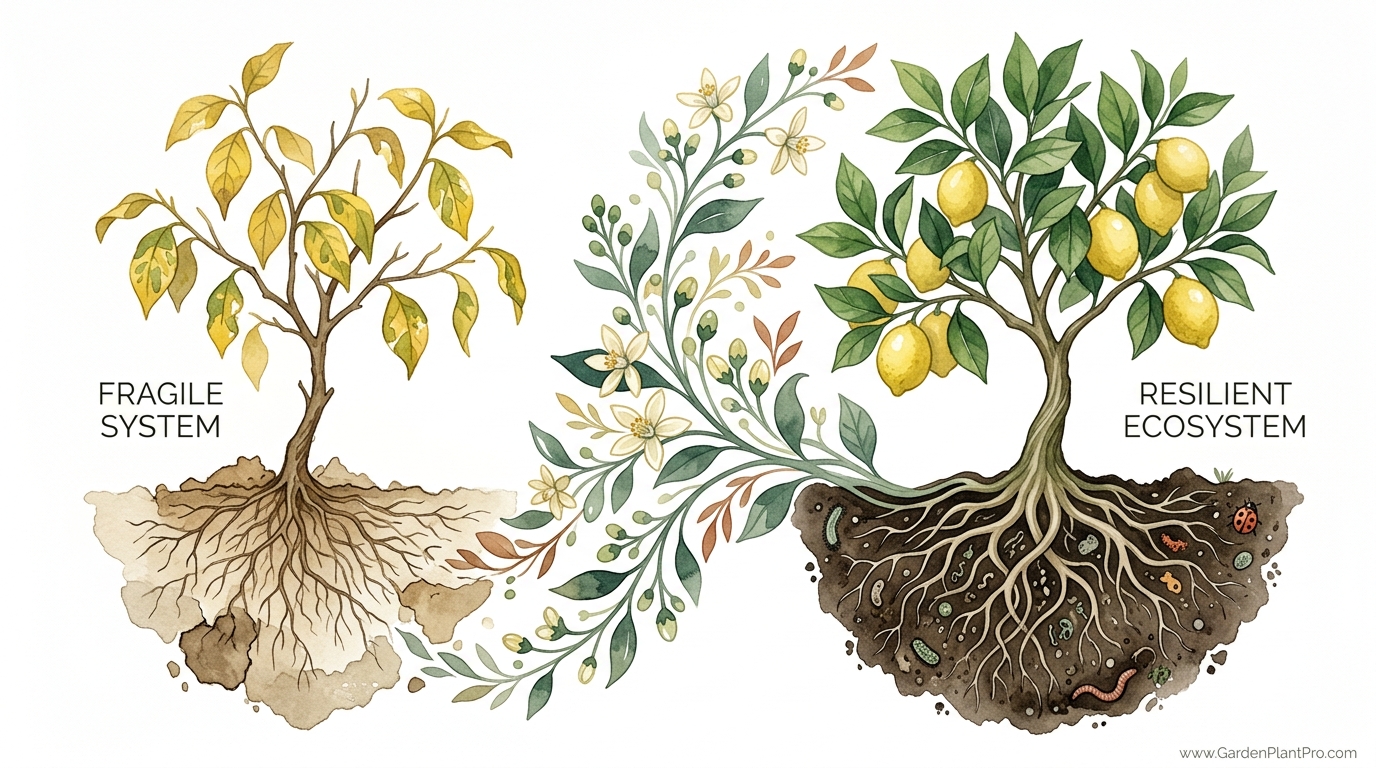
One of these trees depends on a chemical pharmacy to survive, while the other builds its own immune system from the ground up. Are you trapped in the ‘Chemical Cycle’? Most gardeners think yellow leaves mean they need more store-bought spray, but that just makes the tree more dependent and fragile. Switching to a resilient ecosystem approach—using living soil and companion plants—allows you to grow a citrus tree that defends itself and produces fruit for decades.
When you walk out to your garden and see your lemon tree looking more like a highlighter pen than a lush evergreen, it is easy to panic. I have stood exactly where you are, holding a bag of synthetic fertilizer and wondering why my tree looked worse every year despite the “medicine” I was giving it. That cycle of feeding and failing is what I call the fragile system, and it is a hard habit to break.
This guide will walk you through the process of reading your tree’s signals and rebuilding its health from the roots up. We are going to look past the symptoms and address the underlying reasons why your citrus is struggling. Whether you are dealing with a potted Meyer lemon on a balcony or a massive Eureka in the backyard, these principles remain the same.
How To Fix Yellow Leaves On Lemon Trees
Fixing yellow leaves, a condition often called chlorosis, starts with a simple observation: not all yellow is the same. Your tree is communicating through its foliage, telling you exactly which part of its life support system has broken down. To fix it, you first need to identify whether the problem is nutritional, environmental, or related to the living biology of the soil.
In the real world, most gardeners see a yellow leaf and immediately reach for a high-nitrogen fertilizer. This can sometimes help, but if the issue is actually poor drainage or a pH imbalance, that extra nitrogen will just sit there and burn the roots. Think of it like trying to feed a person who is currently drowning; the food is not the priority until they can breathe again.
A resilient ecosystem approach focuses on the soil food web. Instead of just dumping chemicals, we look at why the tree cannot access nutrients. Sometimes the nutrients are in the soil but are “locked” because the pH is too high or too low. Other times, the roots are literally suffocating because of heavy clay or overwatering. Fixing the leaves means fixing the environment around the roots.
The Language of the Leaves: Identifying the Root Cause
Every nutrient deficiency has a “signature” on the leaf. If you can read these signatures, you can save a fortune on unnecessary treatments. Nitrogen deficiency usually shows up as a uniform pale green or yellow across the entire leaf, starting with the oldest, lowest leaves first. The tree is essentially “cannibalizing” its old growth to keep the new tips alive.
Iron deficiency looks very different. You will see bright yellow leaves on the new growth at the tips of the branches, but the veins will remain dark green. This creates a “fishbone” pattern that is unmistakable. This often happens not because there is no iron in the dirt, but because the soil is too alkaline, which makes iron insoluble and impossible for the roots to drink.
Magnesium deficiency presents as an “inverted V” pattern. The leaf will turn yellow starting from the edges and moving inward, leaving a green triangle or V-shape at the base where the leaf meets the stem. This usually happens in the late summer or autumn as the tree puts all its energy into ripening fruit. Understanding these patterns is the first step in moving from a fragile, reactive system to a resilient, proactive one.
The Role of Watering and Root Respiration
Watering is the most common place where well-meaning gardeners go wrong. Lemon trees need oxygen just as much as they need water. When you keep the soil “constantly moist” without letting it dry out, you are essentially holding the tree underwater. The roots begin to rot, and the first sign of that rot is—you guessed it—yellowing leaves.
The “drench and dry” method is the gold standard for citrus. You should water the tree deeply until water runs out the bottom of the pot or soaks at least 30 centimeters (about 12 inches) into the ground. After that, you wait. Stick your finger into the soil up to the second knuckle; if it feels damp, do not water. This allows air to return to the soil pores, which is vital for the microbial life that feeds the tree.
If your soil is heavy clay, you might need to improve the drainage before you do anything else. Digging a hole and filling it with water is a great test. If the water is still standing after 4 hours, your tree is in danger of root rot. In these cases, planting on a mound or in a raised bed is often the only way to create a resilient system that can handle heavy rains without drowning the roots.
Building a Resilient Ecosystem with Living Soil
A chemical-dependent tree is like a patient on an IV drip; if you stop the flow, the tree crashes. A resilient tree lives in a “living soil” environment where fungi, bacteria, and earthworms do the heavy lifting. This ecosystem breaks down organic matter and delivers it to the roots in a form the tree can easily use.
To build this, start by moving away from synthetic salts. These salts kill the very microbes that help your tree defend itself. Instead, use high-quality compost and organic mulches. A thick layer of wood chips or straw—kept a few inches away from the trunk—mimics the forest floor where citrus ancestors evolved. This mulch regulates temperature, retains moisture, and feeds the soil biology over time.
You can also introduce beneficial biology directly. Using compost tea or worm castings provides a “probiotic” boost to the root zone. These microbes form symbiotic relationships with the roots, extending their reach and helping them pull in minerals like phosphorus and zinc that are otherwise hard to find. This transition from a “dead” soil to a “living” one is the secret to long-term citrus success.
Companion Planting: The Natural Support Squad
A tree standing alone in a sea of bare dirt or mown grass is a fragile system. In nature, plants grow in communities. For citrus, certain companion plants act as “support staff,” fixing nitrogen, repelling pests, and attracting pollinators. This is often called a citrus guild.
Legumes like clover, peas, or beans are fantastic neighbors. They have a unique ability to take nitrogen from the air and “fix” it into the soil through their roots. When these plants die back or are trimmed, that nitrogen becomes available to your lemon tree. It is like having a tiny, organic fertilizer factory running 24/7 right next to your tree.
Aromatic herbs and flowers also play a role. Marigolds and nasturtiums can help deter soil nematodes and confuse sap-sucking pests like aphids. Meanwhile, flowers like borage or sweet alyssum attract hoverflies and ladybugs, which are the natural predators of the pests that often cause leaf yellowing and stippling. Integrating these plants turns your garden into a self-regulating ecosystem.
Recovery Plan: Step-by-Step Healing
If your tree is currently yellow and looking sad, do not try to fix everything in one afternoon. Start with a drainage check. If the soil is waterlogged, stop watering immediately and consider elevating the tree if it is in the ground. For potted trees, ensure the drainage holes are not blocked by the saucer or the ground.
DIY PROJECT: Collect rainwater no matter where you live...
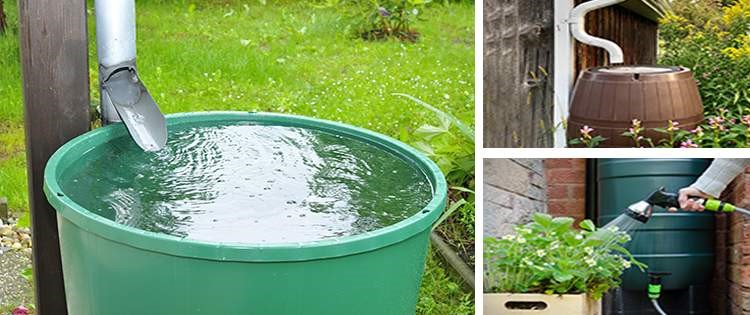
This DIY project is the best way to legally collect rainwater NO MATTER where you live. Get chlorine-free water, cut down on your water bills, and have enough for an emergency situation or to water your garden. Read More Here...
Next, address the pH. If you live in an area with hard water or alkaline soil (pH above 7.0), your tree will struggle to eat. You can lower the pH slightly by adding elemental sulfur or using a mulch of pine needles. Testing your soil with a simple kit from the garden center is a great way to avoid guesswork. Once the pH is in the “sweet spot” of 6.0 to 6.5, the nutrients already in the soil will suddenly become available again.
Finally, apply a “bridge” treatment. While we want a self-sustaining system, a starving tree needs immediate help. A foliar spray of seaweed extract or a chelated micronutrient mix can be absorbed directly through the leaves. This bypasses the roots entirely and gives the tree the energy it needs to start growing new, green leaves. Use this as a temporary fix while your living soil ecosystem gets established.
Benefits of a Resilient Ecosystem
Choosing this approach over the “chemical pharmacy” method offers measurable benefits that go beyond just green leaves. The most obvious is the flavor of the fruit. Lemons grown in living soil often have a more complex, aromatic profile because they have access to a wider range of trace minerals than those fed on simple N-P-K synthetics.
Another advantage is resilience to weather extremes. A tree with a deep, biologically active root system can handle a heatwave or a cold snap much better than a pampered, chemical-fed tree. The mulch layer protects the soil from the baking sun (reaching 40°C / 104°F or more) and insulates the roots during a light frost.
Finally, there is the cost and labor. Once a resilient ecosystem is established, you spend less money on bags of fertilizer and less time spraying for pests. The garden begins to take care of itself. You become an observer and a guide rather than a frantic repairman, which makes the whole experience of gardening much more enjoyable and nostalgic.
Common Mistakes to Avoid
The most frequent error I see is “The Nitrogen Trap.” A gardener sees yellow leaves, adds a massive dose of high-nitrogen salt fertilizer, and the tree responds with a flush of bright green, soft growth. This looks like a win, but that soft growth is like candy for aphids and scale insects. You have traded a nutritional problem for a pest problem.
Another mistake is tilling the soil around the base of the tree. Citrus trees have very shallow feeder roots, often within the top 5 to 10 centimeters (2 to 4 inches) of soil. If you dig or hoe around the trunk to “loosen the soil,” you are literally shredding the tree’s mouth. Always use mulch to suppress weeds rather than digging.
Lastly, do not ignore the “Winter Yellows.” In cooler climates, the soil temperature drops, and the roots go into a semi-dormant state. They cannot pull up nutrients as efficiently, so the tree might turn a bit pale. Many gardeners over-fertilize during this time, which the tree cannot use. Usually, the color returns naturally once the soil warms up in the spring.
System Comparison: Fragile vs. Resilient
| Feature | Fragile System (Chemical) | Resilient Ecosystem (Organic) |
|---|---|---|
| Nutrient Source | Synthetic salts (Fast release) | Living soil & compost (Slow release) |
| Pest Management | Chemical sprays & pesticides | Predatory insects & companion plants |
| Water Retention | Low (Bare soil dries quickly) | High (Mulch & organic matter) |
| Cost over 10 Years | High (Constant recurring purchases) | Low (Self-generating fertility) |
| Maintenance Level | High (Reactive/Weekly checks) | Low (Proactive/Seasonal care) |
Practical Tips for Immediate Improvement
- The Finger Test: Never water on a schedule. Stick your finger 5 centimeters (2 inches) into the soil. If it is dry, water deeply. If not, walk away.
- Epsom Salt Hack: If your leaves show the “inverted V” of magnesium deficiency, dissolve 1 tablespoon of Epsom salts in 4 liters (about 1 gallon) of water and drench the root zone. It is a natural mineral that works wonders.
- Check the Underside: Yellowing can be caused by spider mites or scale. Always flip the leaf over. If you see tiny webs or “bumps” that you can scrape off with a fingernail, you have pests.
- Urine as Fertilizer: It sounds “old school,” but diluted human urine (1 part urine to 10 parts water) is an incredible, free source of nitrogen and phosphorus that trees love. Just don’t use it right before harvest!
- Mulch Deeply: Apply 10 centimeters (4 inches) of arborist wood chips. This is the single most important thing you can do for soil health.
Advanced Considerations for Serious Growers
For those who want to take their citrus to the next level, consider the “Fungal-to-Bacterial Ratio” in your soil. Citrus trees generally prefer a slightly fungal-dominant soil, which is what you find in older woodlands. You can encourage this by using “brown” mulches like wood chips rather than “green” mulches like fresh grass clippings.
Another advanced technique is sap testing. While professional labs can do this, you can observe the “refractive index” or Brix level of your tree’s leaves using a simple handheld refractometer. High Brix levels indicate a tree with a strong immune system that is naturally resistant to pests. This is the ultimate goal of the resilient ecosystem approach.
Lastly, pay attention to the “microlife” in your water. If you are using municipal water with high chlorine levels, it can kill the beneficial microbes in your soil. Letting your water sit in a barrel for 24 hours to off-gas the chlorine, or using a simple filter, can make a huge difference in how well your “living soil” actually lives.
Real-World Example: The Tale of Two Lemons
Imagine two neighbors, Jim and Sarah. Jim follows the fragile system. He mows his lawn right up to the trunk of his lemon tree and sprays blue crystals on the dirt every month. His tree grows fast but gets scale every summer, and the leaves are often yellow-tipped. He spends $200 a year on “fixes.”
Sarah follows the resilient ecosystem approach. She built a small “guild” around her tree with clover and marigolds. She hasn’t bought a bag of fertilizer in five years; she just adds a fresh layer of mulch every spring. Her tree grows a bit slower, but the leaves are a deep, waxy green. When the neighborhood had a surprise freeze last year, Jim’s tree died back to the roots, while Sarah’s tree barely dropped a leaf.
This is the power of working with nature rather than trying to control it. Sarah’s tree isn’t just a plant; it is the centerpiece of a tiny forest that knows how to take care of itself.
Final Thoughts
Fixing yellow leaves on your lemon tree is not about finding the right bottle of chemicals. It is about understanding that your tree is a living organism that thrives when its environment is balanced. By focusing on drainage, pH, and the life within the soil, you move away from the “Chemical Cycle” and toward a garden that is truly sustainable.
Start small. Maybe this weekend you just add a layer of mulch or plant a few handfuls of clover seed. Watch how the tree responds. Over time, you will find that the less you “interfere” with the natural processes, the more your tree will reward you with lush growth and heavy harvests.
The goal is a garden that feels like a natural extension of the earth, not a science experiment. Keep learning about soil health, irrigation methods, and composting, and you will soon have a lemon tree that is the envy of the neighborhood—all without a single trip to the chemical pharmacy.
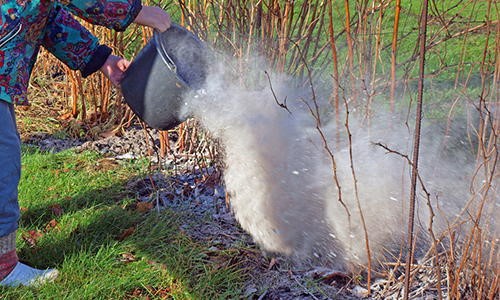
Do you have some charcoal in your house right now? We call charcoal a “miracle leftover” for anyone who wants to be a little more self-sufficient and cut costs. That’s because it can help you with so many different things around the house and garden. You can even use it to make an energy-free fridge. Read More Here...