You are throwing away 40% of your apricot’s value every single season. The flesh is just the beginning. From the aromatic oils hidden in the kernels to the nutrient-dense skins, learn how to turn one harvest into a full larder. Master the multi-use strategy and stop leaving money in the compost bin.
Most folks see an apricot and think of jam or maybe a quick snack. After thirty years in the garden, I have learned that the fruit is only the first chapter of the story. When you toss those skins or chuck the pits into the back of the woods, you are losing out on some of the best flavors and home remedies your garden has to offer.
Think about the sheer effort it takes to grow these beauties. You fight off the late frosts, you prune in the dead of winter, and you keep the borers at bay. Why walk away with only half the prize? By treating the whole fruit as a resource, you transform a simple harvest into a multi-use wealth of syrups, scrubs, and pantry staples.
I like to tell my neighbors that the “waste” from an apricot is where the magic happens. Those skins hold the highest concentration of antioxidants, and the kernels inside the pits carry a deep, almond-like perfume that no store-bought extract can touch. If you are ready to stop wasting and start winning, let’s look at how to use every last bit of that gold.
Creative Uses For Apricot Pits And Skins
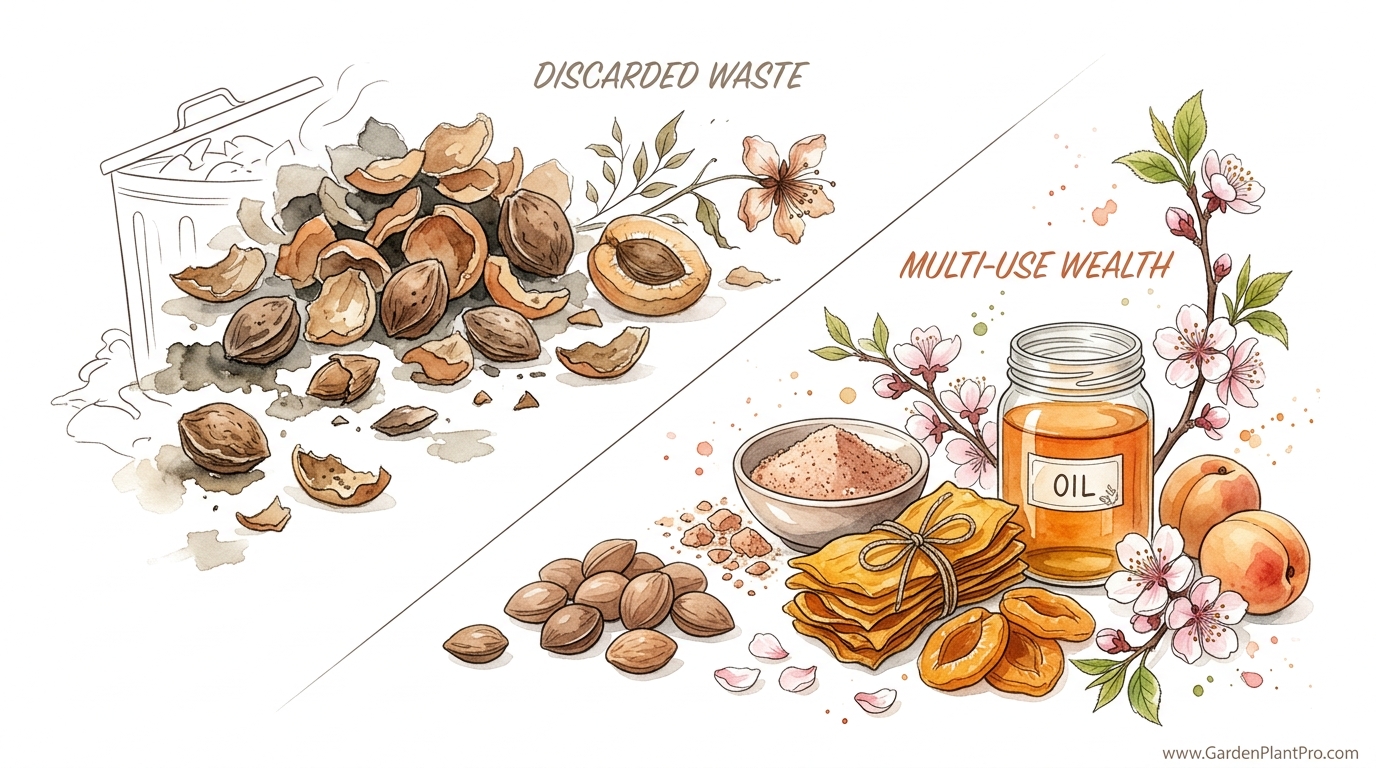
Apricot skins and pits are often viewed as the “discarded waste” of the kitchen, but in reality, they are functional ingredients with a long history in traditional cooking and apothecary work. The skins are rich in fiber and carotenoids, while the internal kernel—often called the noyau—contains aromatic compounds that mimic the flavor of bitter almonds.
In the real world, these parts are used for everything from flavoring high-end liqueurs to creating natural exfoliating scrubs. Because the apricot is a member of the Prunus genus (alongside peaches and cherries), it carries a specific chemical profile that makes it versatile. The skins provide color and tartness in teas, while the pits serve as a durable, heat-retaining medium for therapy packs or as the base for “stone fruit” charcoal.
Visualizing this is easy: imagine the pits as nature’s scent-pearls. When you crack one open, the fragrance is immediate and powerful. Using them creatively isn’t just about being frugal; it is about accessing flavors and textures that are simply unavailable to those who only eat the flesh. It is the difference between a one-dimensional snack and a full-spectrum garden experience.
Nutrient-Dense Skins
The skin of an apricot acts as a protective layer, housing the highest levels of Vitamin A and C to shield the fruit from the sun. When you peel apricots for canning, you are holding a concentrated source of nutrition. Instead of composting them immediately, these skins can be dehydrated and ground into a vibrant orange powder. This powder acts as a natural food coloring and a nutrient booster for morning porridges or smoothies.
The Aromatic Kernel (Noyau)
The kernel inside the hard pit is the secret behind “Amaretto” flavors. While it requires careful handling due to naturally occurring compounds, it is a staple in French and Italian confectionery. One of my favorite uses is infusing these kernels into cream for ice cream or custards. The resulting flavor is deeper than vanilla and more complex than standard almond extract.
How to Process and Use Every Part
To get the most out of your harvest, you need a system. I find it easiest to process in “stations” during the peak of the season. Have one bowl for the flesh, one jar for the pits, and a tray for any skins you happen to remove. This keeps your kitchen organized and ensures nothing gets lost in the shuffle.
Drying and Powdering Skins
If you prefer skinless jam or canned halves, don’t throw those peels away. Spread them in a single layer on a dehydrator tray. Dry them at 135°F (57°C) until they are brittle and “snap” when bent. Once they are dry, pulse them in a clean spice grinder. I store this powder in small glass jars. A single teaspoon (5 ml) added to a muffin mix provides a beautiful golden hue and a subtle tartness that balances sweet batters.
Cracking and Preparing Kernels
Accessing the kernel requires a bit of muscle. I usually wrap a handful of clean, dry pits in a heavy tea towel and give them a sharp tap with a hammer on a firm surface like a concrete step or a heavy wooden block. The goal is to crack the shell without crushing the soft kernel inside. Important Note: Raw kernels contain amygdalin, which the body converts to cyanide. To use them safely, you must always cook them. Boiling the kernels for 30 minutes can remove over 90% of these compounds, making them much safer for flavoring.
The Thermal Cushion Method
If you aren’t much of a cook, you can still use the pits for comfort. Clean the pits thoroughly by boiling them in water with a splash of vinegar to remove any sticky fruit residue. Once dried in the sun for 2–3 days, sew them into a small cotton or linen bag. These “pit pillows” can be heated in the microwave for 30–60 seconds. Unlike rice or flax, apricot pits hold heat for a long time and don’t develop a “cooked” smell over time.
Benefits of the Multi-Use Strategy
Adopting this approach changes your relationship with your garden. It moves you from a “consumer” mindset to a “crafter” mindset. There are measurable benefits to this practice that go beyond just feeling good about your recycling habits.
- Economic Savings: High-quality almond extracts and natural skin exfoliants are expensive. Making your own from “waste” keeps more money in your pocket.
- Flavor Complexity: You cannot buy the specific floral-nutty aroma of fresh apricot kernels in a standard grocery store. It is a gourmet ingredient unique to the home gardener.
- Reduced Waste: By using the skins and pits, you reduce the volume of wet waste in your compost bin, which helps maintain a better carbon-to-nitrogen ratio in your pile.
- Gift Potential: Homemade apricot pit liqueur or a “pit pillow” makes for a thoughtful, story-filled gift that you can’t find on a shelf.
Challenges and Common Mistakes
One of the biggest mistakes I see is people being too impatient with the drying process. If your pits or skins have even a hint of moisture left in them when you bag them up, they will mold within a week. I always give my pits an extra day in the sun or the dehydrator just to be sure.
Another pitfall is using pits from fruit that has already started to ferment on the ground. You want “clean” waste. Only save the parts from fruit you would be willing to eat yourself. If the apricot is rot-spotted, the pit and skin might carry those same fungal spores, which can ruin a batch of infused oil or tea.
Finally, respect the chemistry of the kernel. Do not treat them like peanuts and eat them by the handful. They are a flavoring agent, not a snack food. If you are making a liqueur, stick to the recipes that call for steeping whole pits or a limited number of kernels, and always follow safety guidelines regarding heat and moderation.
Limitations and Safety Constraints
It is important to be realistic: this strategy isn’t for everyone or every situation. If you have small children or pets who might mistake processed kernels for edible nuts, you need to be extremely careful with storage. Always label your jars clearly. I use bright red tape for anything containing kernels to remind myself and others that they are for infusion only and not for direct consumption.
Environmental factors also play a role. If you live in a high-humidity area, sun-drying pits is nearly impossible without them souring. You will need a dedicated dehydrator or an oven set to its lowest temperature (usually around 170°F / 75°C) with the door slightly ajar. Also, keep in mind that the yield is small. It takes about 50–60 pits to make a decent pint (473 ml) of liqueur, so if you only have one small tree, it may take you a couple of seasons to collect enough material.
DIY PROJECT: Collect rainwater no matter where you live...
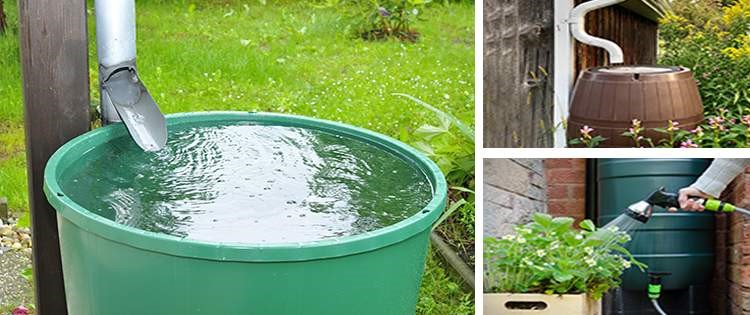
This DIY project is the best way to legally collect rainwater NO MATTER where you live. Get chlorine-free water, cut down on your water bills, and have enough for an emergency situation or to water your garden. Read More Here...
| Factor | Flesh Only (Standard) | Whole Fruit Strategy |
|---|---|---|
| Usable Yield | Approx. 60% | Approx. 95% |
| Time Investment | Low (Prep & Eat) | Moderate (Drying & Cracking) |
| Shelf Life | Short (Days) | Long (Months/Years) |
| Flavor Profile | Sweet/Tart | Nutty, Floral, Concentrated |
Practical Tips for Best Results
After years of trial and error, I’ve found a few “pro” moves that make this whole process easier. First, when you are pitting apricots for jam, use a cherry pitter or a small paring knife to pop the pit out cleanly. This prevents the pit from being covered in too much “shredded” flesh, which makes cleaning them much faster.
- The Vinegar Soak: Soak your pits in a bowl of water with 2 tablespoons (30 ml) of apple cider vinegar for 20 minutes before drying. This kills any surface bacteria and helps loosen stubborn fruit fibers.
- Freeze Your Stash: If you aren’t ready to process your pits or skins immediately, throw them in a freezer bag. They keep perfectly for up to six months, allowing you to wait until the chaos of the harvest season has passed before you start your infusions.
- The Mason Jar Secret: When infusing oils or alcohol with apricot kernels, keep the jar in a cool, dark cupboard. Light is the enemy of flavor; it breaks down the delicate oils and turns them rancid.
- Compost the Shells: Even after you crack the pits for the kernels, the hard outer shells are excellent for the garden. They are high in carbon and take a long time to break down, making them a great addition to the bottom of a container plant for drainage or as a slow-release mulch.
Advanced Considerations for the Serious Practitioner
If you have mastered the basics and want to go deeper, consider the role of variety selection. Not all apricot pits are created equal. Some varieties, like the ‘Hemskirke’ or ‘Moorpark’, are known for having particularly large and aromatic kernels. If you are planning to plant a new tree, look for cultivars that are specifically noted for their “sweet kernels” if you intend to use them culinarily.
For the garden itself, the way you treat your soil directly impacts the quality of the “waste” products. A tree grown in mineral-rich, well-drained soil with a pH between 6.5 and 7.5 will produce skins with thicker cuticles and pits with higher oil content. I recommend top-dressing your trees with aged manure or high-quality compost every spring. This supports the overall health of the tree, ensuring that every part of the fruit is of the highest quality.
You might also look into pest management as an advanced skill. Borers and fungal diseases like Brown Rot can move from the flesh into the pit. If you see “pit burn” (where the flesh around the stone turns brown and mushy), those pits should be discarded. Maintaining good air circulation through proper pruning is your best defense here.
Example Scenario: The Weekend Harvest
Let’s say you harvest 10 pounds (4.5 kg) of apricots on a Saturday morning. Most people would make 6 or 7 jars of jam and be done. Here is how the multi-use strategy looks in practice:
First, you halve the fruit and collect about 100 pits. You wash them and set them in the sun. Next, you peel half of the fruit because you want a “smooth” preserve. You take those 5 pounds (2.2 kg) worth of skins and put them in the dehydrator. By Sunday evening, you have your jam, but you also have a jar of dried apricot skins ready to be powdered, and a bag of pits that are drying for next month’s liqueur project.
Two months later, you crack the pits. You use 20 kernels to flavor a batch of homemade Amaretto and the remaining 80 shells go into a thermal cushion. By Christmas, you aren’t just giving away jam; you’re giving away a “Garden Comfort Kit” featuring a warm pit pillow and a bottle of artisan liqueur. You’ve essentially doubled your harvest value with just a few hours of extra work spread over the season.
Final Thoughts
Mastering the multi-use strategy for apricots is one of the most rewarding shifts you can make as a gardener. It teaches you to look past the obvious and find the hidden value in things that others ignore. Whether it is the concentrated nutrition in the skins or the nostalgic, almond-like scent of a toasted kernel, these “scraps” are where the true soul of the harvest lies.
I encourage you to start small this season. Don’t feel like you have to do everything at once. Maybe just save the pits for a heat pack or dry a single tray of skins. Once you see how easy it is and how much better the results are, you’ll never look at a “discarded” pit the same way again. It is about honoring the tree and the effort you put into it by using every single gift it offers.
If you find yourself enjoying this deeper connection to your plants, you might want to explore how similar principles apply to other garden areas. From improving your soil health to mastering irrigation methods that support fruit density, there is always more to learn. The garden is a system, and the more we treat it as one, the more it gives back to us.