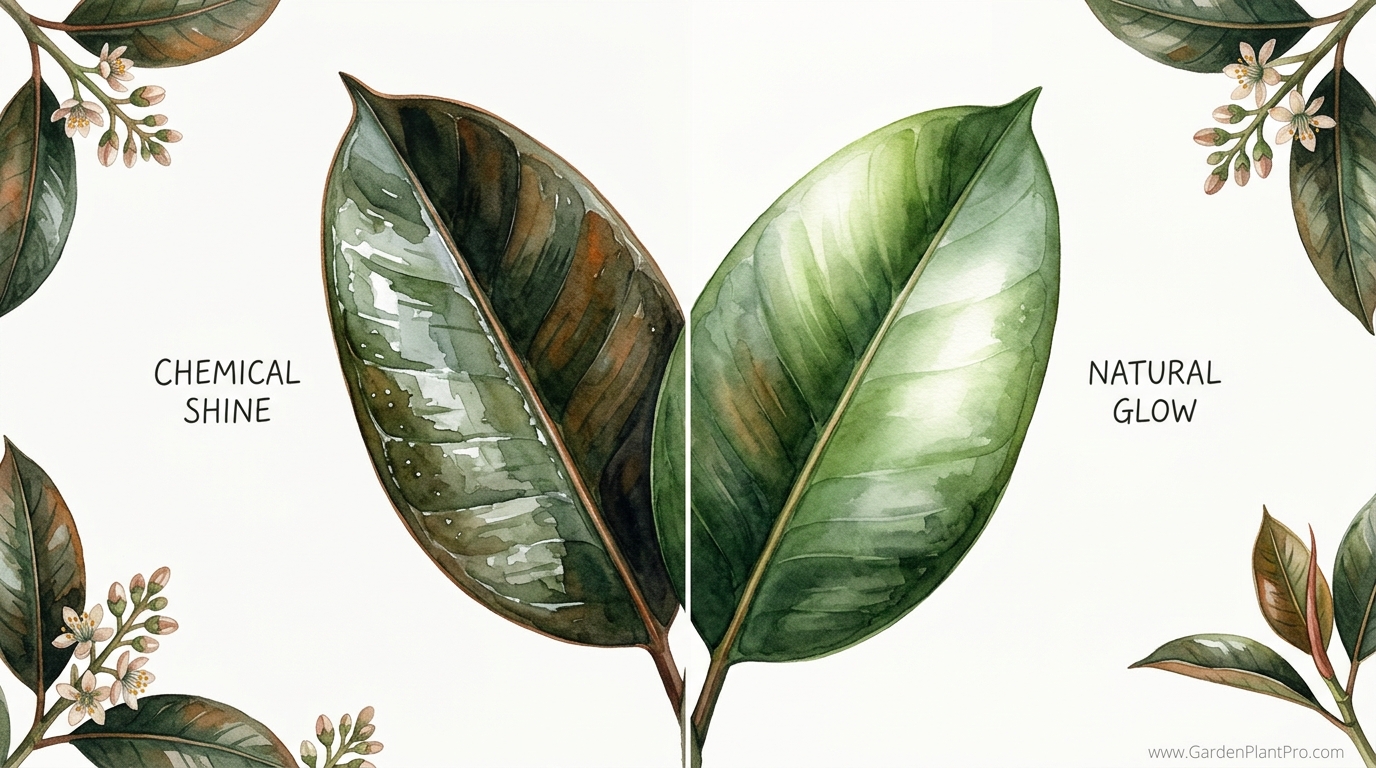
That $20 bottle of leaf gloss is actually choking the life out of your plant’s pores. Stop spending money on aerosol chemicals that clog your Ficus elastica’s stomata. Your plant doesn’t want plastic-looking leaves; it wants to breathe. Switching to a simple rainwater wipe-down costs zero dollars and unlocks the deep, natural burgundy glow that chemicals can only mimic.
Natural Rubber Plant Leaf Cleaning Guide
The Rubber Plant, known botanically as Ficus elastica, is a staple in the indoor gardening world for a reason. Its massive, leathery leaves act like solar panels, soaking up light in corners where other plants might struggle. However, because these leaves are so broad and horizontal, they are also magnets for every speck of household dust, pet dander, and cooking grease floating in your home.
When we talk about cleaning these leaves, we aren’t just talking about aesthetics. In the wild, these plants live in tropical environments where heavy rains and wind naturally scour the foliage. Indoors, that responsibility falls to us. A clean leaf is a functional leaf. Without regular maintenance, a layer of dust essentially acts as a “shade cloth,” preventing the plant from absorbing the light it needs to fuel its growth.
Furthermore, the “glow” of a healthy Rubber Plant comes from its epicuticular wax—a natural protective layer. While commercial shine products try to replace this with synthetic oils, a natural cleaning approach preserves and enhances this existing barrier. It’s the difference between a waxed car and a healthy, hydrated complexion. One is a mask; the other is a sign of internal vitality.
The Biological Cost of Chemical Shine
To understand why we avoid those aerosol cans, you have to look through a magnifying glass. The surface of a Rubber Plant leaf is peppered with thousands of microscopic valves called stomata. These tiny openings are the plant’s “nostrils.” This is where gas exchange happens: the plant takes in Carbon Dioxide (CO2) for photosynthesis and releases Oxygen and water vapor during transpiration.
Commercial leaf shines are often made of petroleum distillates, waxes (like paraffin), or silicone-based polymers. When you spray these, you aren’t just cleaning; you are sealing. Imagine trying to run a marathon with plastic wrap over your mouth and nose. That is what a “shined” plant is going through.
Chemical Shine vs. Natural Respiration
| Factor | Commercial Leaf Shine | Natural Water Wipe |
|---|---|---|
| Stomatal Impact | Physically blocks pores, hindering gas exchange. | Clears pores, allowing the plant to breathe freely. |
| Dust Collection | Oily residue acts like a “glue” for new dust. | Leaves a smooth surface that resists dust longer. |
| Health Risks | Can cause thermal stress (overheating) and leaf drop. | Encourages natural transpiration and cooling. |
| Cost | $15–$30 per bottle. | $0 (using rainwater or filtered water). |
How to Clean Your Rubber Plant Step-by-Step
If you want that deep, natural sheen, you need a method that respects the leaf’s architecture. Rubber Plant leaves are tough, but they aren’t indestructible. They are attached to the main stem by a relatively delicate petiole (leaf stalk), and if you aren’t careful, you can snap a leaf right off, causing the plant to bleed its sticky white latex.
1. Choose Your “Water” Wisely
The best option is always rainwater. It’s slightly acidic and free of the minerals found in city tap water. If you can’t collect rain, use distilled water or filtered water. Tap water contains calcium and magnesium which, when dried, leave behind “hard water spots”—white, crusty rings that are incredibly stubborn.
2. The Microfiber Advantage
Discard the paper towels and cotton rags. Microfiber is the king of leaf cleaning. A high-quality microfiber cloth has millions of tiny hooks that grab dust and lift it away from the leaf surface rather than just pushing it around. If you use a cotton rag, you’re often just smearing the grime into the microscopic ridges of the leaf.
3. The Two-Handed Support Technique
Never wipe a leaf without supporting it from underneath. Place your non-dominant hand flat under the leaf. Use your dominant hand to gently wipe the top surface. This prevents the leaf from bending or snapping at the stem.
4. Wipe Directionally
Always wipe from the base of the leaf (where it meets the stem) toward the tip. This follows the natural “grain” of the leaf and ensures you aren’t pushing dust into the leaf axil, where it can harbor pests like mealybugs.
5. Don’t Forget the Underside
While most of the dust settles on top, most of the stomata and almost all the pests live on the underside. Gently flip your hand and wipe the bottom of the leaf. This is your best chance to spot early signs of spider mites or scale insects before they become a full-blown infestation.
Advanced Natural Shine Recipes
Sometimes water isn’t enough, especially if you’ve recently bought a plant from a nursery that used heavy chemical polish. Here are a few “kitchen-sink” remedies that actually work without harming the plant’s biology.
The Acidic Rinse (For Water Spots)
If your leaves have white mineral rings, you need an acid to dissolve the calcium.
- Lemon Juice Solution: Mix 1 teaspoon of fresh lemon juice with 1 pint (approx. 500ml) of distilled water. The citric acid breaks down mineral bonds without stripping the leaf’s wax.
- Vinegar Solution: If you don’t have lemons, 1/2 teaspoon of white vinegar in 2 cups of water works similarly. Be careful not to make it too strong, as high acidity can cause “chemical burn” on the leaf edges.
The Pest-Prevention Polish
If you want shine and protection, a tiny bit of Neem oil is your friend.
- Mix 1/4 teaspoon of 100% cold-pressed Neem oil with two drops of mild Castile soap (like Dr. Bronner’s) in a quart of lukewarm water.
- Shake it well to emulsify the oil.
- Wipe the leaves down with this mixture. The Neem provides a very subtle, natural luster and creates a surface that is hostile to mites and thrips.
The Benefits of a Natural Approach
When you ditch the aerosols, you’ll notice changes in your plant that go beyond just looks. A naturally clean Ficus elastica is a more resilient organism.
1. Maximized Photosynthesis: Without a layer of dust or oily film, every photon of light that hits the leaf can reach the chlorophyll. This leads to faster growth, larger leaves, and a more robust root system.
2. Thermal Regulation: Plants use transpiration to cool themselves down. If you block the pores with wax, the leaf temperature can rise dangerously, especially in a sunny window. Natural cleaning allows the plant to “sweat” and maintain its internal temperature.
3. Early Warning System: When you spend 10 minutes every few weeks wiping down individual leaves, you become intimately familiar with your plant. You’ll notice the tiny yellow stippling of spider mites or the brown bumps of scale long before they kill the plant.
DIY PROJECT: Collect rainwater no matter where you live...
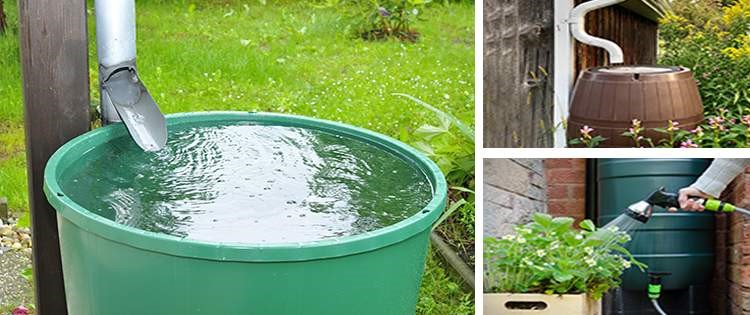
This DIY project is the best way to legally collect rainwater NO MATTER where you live. Get chlorine-free water, cut down on your water bills, and have enough for an emergency situation or to water your garden. Read More Here...
4. No “Dust Glue”: Chemical shines leave the leaf surface slightly tacky. This means the second you finish cleaning, new dust starts sticking to the oil. A water-cleaned leaf stays clean longer because the surface is smooth and dry.
Common Mistakes and Pitfalls
Even with the best intentions, it’s easy to make a few “neighborly” errors that can set your plant back.
- Using Cold Water: Rubber Plants are tropical. Shocking them with ice-cold water can lead to leaf drop. Always use lukewarm or room-temperature water.
- Over-Wiping with Force: You aren’t scrubbing a kitchen floor. If you apply too much pressure, you can damage the cuticle (the outer protective layer), leading to brown, scarred patches that never heal.
- The “Mayo” Myth: Old-school advice often suggests using mayonnaise or milk to shine leaves. Don’t do it. These organic fats can go rancid, create a foul smell, and provide a literal buffet for bacteria and fungus.
- Ignoring the Petiole: Dust often collects in the little “cup” where the leaf meets the stem. If you leave this area dirty, moisture can get trapped there, leading to rot or providing a home for pests.
Limitations: When to Put the Cloth Away
Natural cleaning is great, but there are times when you should leave the plant alone.
1. Fresh New Leaves: When a Rubber Plant is pushing out a new leaf, it is encased in a pinkish sheath. The new leaf itself is incredibly soft and hasn’t fully developed its waxy cuticle yet. Touching or wiping these “babies” can lead to permanent deformities or brown spotting. Wait until the leaf has fully unfurled and hardened before cleaning it.
2. Environmental Stress: If your plant has just been moved, repotted, or is suffering from a major pest attack, hold off on the deep cleaning. The physical movement of the leaves can add stress. Focus on fixing the underlying issue first.
3. High Humidity: In extremely humid environments (above 70%), leaves stay wet longer. If you wipe them down and the water doesn’t evaporate quickly, you risk fungal infections like Anthracnose. Always clean your plants in the morning so they have the whole day to dry out.
Practical Tips for Best Results
Based on years of trial and error in my own “indoor jungle,” here are the best practices for a long-term glow:
- The “Rainy Day” Shortcut: If your Rubber Plant is small enough to carry, take it outside during a gentle, warm rain shower. Let mother nature do the heavy lifting for 30 minutes, then bring it back in and dry the pot. It’s the most effective cleaning method there is.
- Microfiber Gloves: Instead of holding a cloth, buy a pair of microfiber “dusting gloves.” You can simply “pet” the leaves. It gives you much more control and makes it easier to clean the undersides.
- Seasonal Scheduling: In the winter, when the heater is running and kicking up dust, you might need to clean every 2 weeks. In the summer, when the house is more humid and closed up, you can often go 4 or 5 weeks between cleanings.
- Support the Stem: For taller, “leggy” Rubber Plants, cleaning the top leaves can make the plant wobble. Use one hand to steady the main trunk while you work on the foliage.
Advanced Considerations: Variegation and Light
If you own a ‘Tineke’ or ‘Ruby’ variegated Rubber Plant, cleaning is even more critical. These plants have less chlorophyll (the green parts) than the standard ‘Burgundy’ variety. Because they have less “machinery” to produce food, every square inch of the green sections must be operating at 100% efficiency.
A dusty ‘Tineke’ will grow much slower and is more likely to drop its leaves than a dusty ‘Burgundy’. Furthermore, the white and pink parts of variegated leaves are thinner and more susceptible to “bruising” from rough cleaning. Be extra gentle with these colorful beauties.
Example Scenario: The Office Rescue
A neighbor once brought me a Rubber Plant they had kept in a cubicle for three years. It looked gray, and the leaves felt like sandpaper. They had been using a cheap aerosol “gloss” once a month. The plant was alive, but it hadn’t grown a new leaf in a year.
We spent an hour carefully wiping away the layers of “gloss” and dust using a 1:10 vinegar-to-water solution. As the gunk came off, the deep, dark burgundy color returned. Within two weeks of being able to “breathe” again, the plant pushed out two massive new leaves. It didn’t need fertilizer or a bigger pot; it just needed the sunglasses taken off its “eyes.”
Final Thoughts
Maintaining a Ficus elastica doesn’t require a cabinet full of specialty products. In fact, the less you use, the better the plant will respond. By focusing on a simple routine of rainwater and microfiber, you are working with the plant’s biology rather than against it.
Remember, the goal isn’t to have a plant that looks like a plastic prop in a furniture store. The goal is a living, breathing companion that shows its health through a deep, natural luster. It’s about the “glow” of a thriving organism, not the “shine” of a chemical film.
Start by checking your leaves today. Run a finger across a middle leaf—if you see a streak in the gray, it’s time for a wash. Your plant will thank you with faster growth, cleaner air, and a beauty that no $20 bottle can ever match. Experiment with rainwater first, and you’ll likely find you never go back to the store-bought stuff again.