
Did you know 60 percent of the vitamin density in a currant bush isn’t even in the berries? We have been trained to harvest the berries and dump the rest, but for centuries, the leaves were the real prize. Packed with more antioxidants than the fruit itself, these ‘scraps’ make the most incredible healing tea. Here is how to stop wasting half of your garden’s potential.
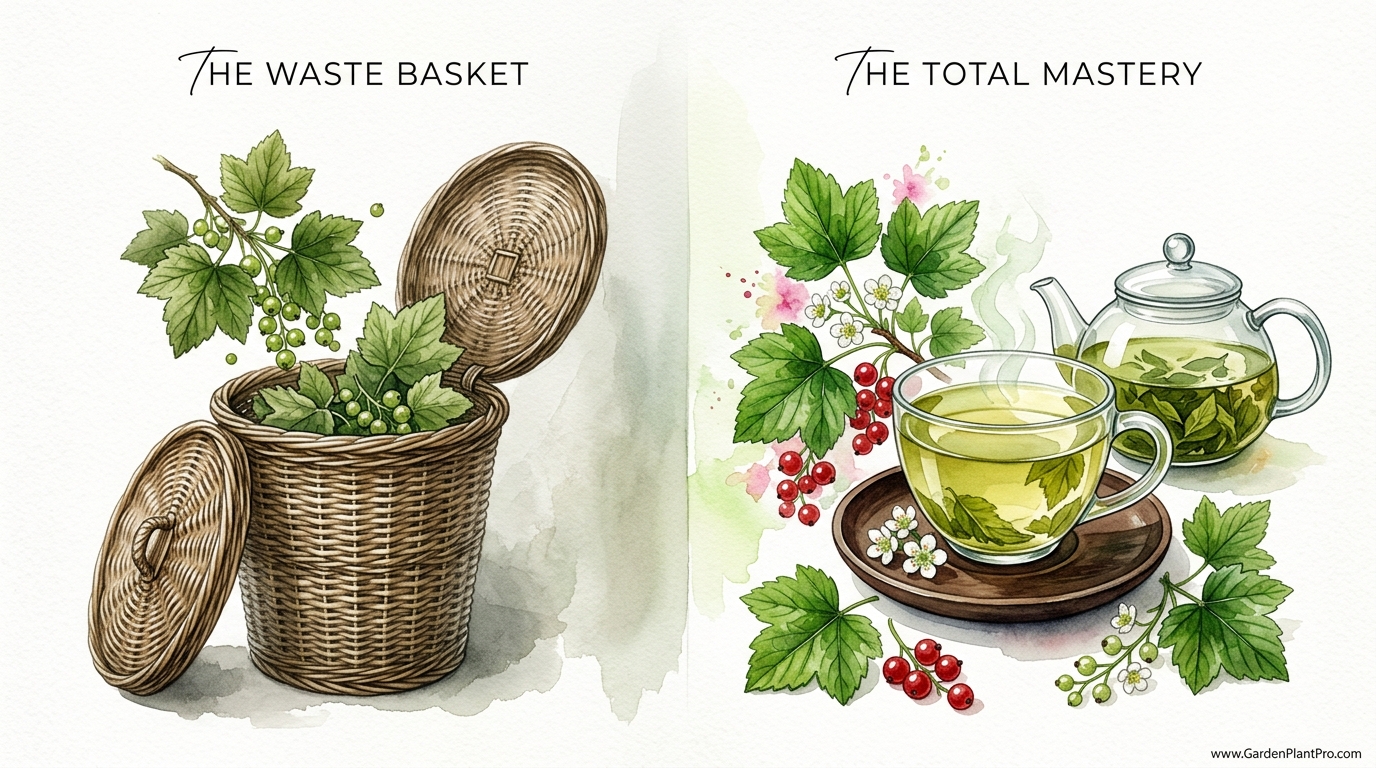
When I first started gardening, I used to think of my black currant bushes as simple fruit machines. I would wait all season for those tart, dark berries to ripen, and once they were picked, I’d prune back the branches and toss the leaves onto the compost pile. I was stuck in a “waste basket” mindset, seeing the green growth as merely a support system for the fruit. It took an old neighbor of mine, who grew up in the rural villages of Eastern Europe, to set me straight about the true value of the plant sitting in my backyard.
This transition from seeing garden “scraps” to achieving total mastery over your harvest is one of the most rewarding shifts a gardener can make. It’s about more than just efficiency; it’s about respect for the plant and an understanding of its chemistry. Currant leaves, particularly those from the black currant (Ribes nigrum), are absolute powerhouses of nutrition. They contain a higher concentration of polyphenols and certain vitamins than the berries themselves.
In this guide, I want to walk you through the process of reclaiming this lost harvest. We will look at why these leaves are so potent, how to harvest them without harming your berry crop, and the best ways to prepare them for a tea that tastes like a summer afternoon in a cup. Whether you are an experienced grower or someone who just planted their first bush, learning to use the leaves will double the value you get from every square foot of your soil.
Using Currant Leaves For Tea
Using currant leaves for tea is an ancient practice that has seen a massive resurgence in recent years as gardeners look for ways to maximize their home-grown nutrition. In simple terms, it involves harvesting the foliage of the Ribes genus—most commonly the black currant—and steeping it to create a fragrant, medicinal infusion. While the berries are famous for their high vitamin C content, the leaves are where the plant stores its most concentrated antioxidant defense systems.
In the real world, this tea is a staple in many cultures across Northern Europe, Russia, and Central Asia. It isn’t just used for its pleasant, “cassis-like” aroma; it serves a practical purpose as a traditional remedy for joint discomfort and as a natural diuretic. Gardeners often use the leaves because they offer a way to enjoy the essence of the currant bush long before the berries are ready or long after the fresh fruit season has ended.
Think of the currant leaf as the “green gold” of the berry patch. While the berry is a burst of sugar and acid, the leaf is a complex blend of essential oils and flavonoids. When you steep these leaves, you aren’t just making a drink; you are extracting a biological profile that helps the plant defend itself against pests and disease. Those same compounds, when consumed, offer us a range of health benefits that the berries alone cannot provide.
The most common species used is the black currant, which has a distinct, musky, and sweet fragrance. Red and white currants can also be used, but their leaves are much milder and lack the intense aromatic oils found in their dark-fruited cousin. Most serious practitioners focus on the black currant because it produces a tea with a deep, sophisticated flavor that holds its own against high-end herbal blends.
The Botanical Science of the Leaf
To understand why the leaf is so valuable, we have to look at what’s happening inside the plant’s cells. Currant leaves are dense with phenolic compounds, including quercetin and rutin. These are powerful antioxidants that help neutralize free radicals in the body. Research has shown that the total phenolic content in the leaves can be significantly higher than in the berries, especially when harvested at the right time of year.
The leaves also contain a unique blend of organic acids and essential oils. When you crush a fresh black currant leaf between your fingers, that immediate “jammy” scent is the result of volatile oils being released. These oils are not just for fragrance; they possess antimicrobial properties that protect the bush. In a tea, these oils provide a smooth mouthfeel and a lingering sweetness that is remarkably refreshing.
Furthermore, the mineral profile of the foliage is impressive. Currant leaves are rich in magnesium, calcium, and potassium. While the berries are often prized for their iron content, the leaves provide a balanced mineral tea that supports metabolic function. This makes the tea an excellent choice for a daily health tonic rather than just an occasional treat.
Choosing the Right Variety
Not all currant bushes are created equal when it comes to tea quality. If your goal is the highest medicinal and flavor output, you want to focus on Ribes nigrum. Some of the modern “Ben” varieties, like ‘Ben Hope’ or ‘Ben Alder’, were bred for berry production but also happen to have incredibly vibrant, healthy foliage that makes excellent tea.
If you are growing red currants (Ribes rubrum) or white currants, don’t feel left out. While their leaves are less aromatic, they still contain high levels of vitamin C and minerals. They make a much more subtle, “green” tasting tea that works beautifully as a base for blending with other garden herbs like mint or lemon balm.
How to Harvest and Prepare Your Leaves
Harvesting currant leaves requires a bit of strategy to ensure you aren’t robbing the plant of the energy it needs to produce berries. The best time to harvest for peak nutrition is during the flowering stage, which usually occurs in late spring or early summer. This is when the plant’s sap is flowing most vigorously and the leaves are flush with nutrients.
You want to aim for a window between 10:00 AM and 11:00 AM. At this time, the morning dew has evaporated, which prevents mold during the drying process, but the midday sun hasn’t yet baked off the delicate essential oils. Choose leaves that are vibrant green, fully expanded, but still “young” in appearance. Avoid the very old, leathery leaves at the bottom of the stems, as they tend to have a more bitter, astringent taste.
The Step-by-Step Harvesting Process
1. **Identify Healthy Branches:** Look for branches that have plenty of growth. Never take more than 10% to 15% of the foliage from a single bush at one time.
2. **Select Individual Leaves:** Instead of stripping whole branches, pick individual leaves from various parts of the bush. This allows the plant to continue photosynthesizing effectively.
3. **Check for Pests:** Ensure the leaves are free from aphids, spider mites, or fungal spots like white pine blister rust. Only use pristine material for your tea.
4. **Gentle Collection:** Place the leaves in a breathable basket or a cotton bag. Avoid plastic bags, as they can cause the leaves to sweat and lose their aromatic quality quickly.
Traditional Air Drying
Once you have your harvest, the goal is to remove moisture while preserving the color and oils. The classic method is air drying. Spread your leaves in a thin layer on a drying rack or a clean piece of natural fabric. Place them in a warm, dry spot out of direct sunlight—an attic, a garden shed, or a well-ventilated kitchen corner works perfectly.
Direct sunlight is the enemy of herbal tea; it bleaches the chlorophyll and destroys the delicate flavonoids. Depending on the humidity, the leaves should be “crisp” to the touch within 3 to 5 days. You’ll know they are ready when they crumble easily between your fingers. If they feel leathery or bend without snapping, they still have moisture and will mold if stored.
Using a Dehydrator or Oven
If you live in a humid climate, or if you’re in a hurry, you can use a food dehydrator. Set the temperature to no higher than 43°C (110°F). Low heat is essential. If the temperature gets too high, you’ll essentially “cook” the leaves, and the resulting tea will taste flat and hay-like.
DIY PROJECT: Collect rainwater no matter where you live...
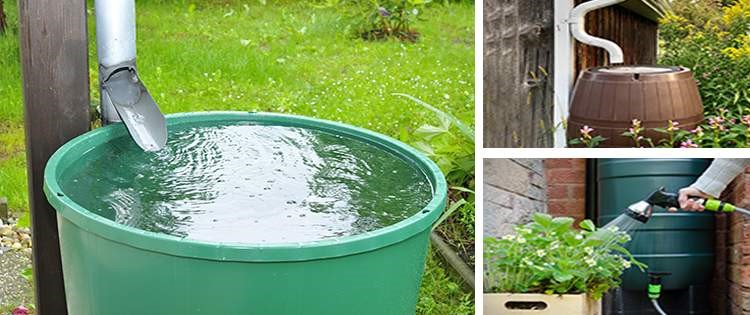
This DIY project is the best way to legally collect rainwater NO MATTER where you live. Get chlorine-free water, cut down on your water bills, and have enough for an emergency situation or to water your garden. Read More Here...
In an oven, use the lowest possible setting, often called the “warm” setting. Leave the door slightly ajar to allow moisture to escape. Check the leaves every 15 minutes. It usually takes about 1 to 2 hours in a low oven to reach the desired crispness.
The “Mastery” Method: Fermenting Currant Leaves
If you want to take your tea to the next level and move into the realm of “total mastery,” you should try the fermentation process. This isn’t fermentation in the sense of making sauerkraut; it’s more like the oxidation process used to turn green tea leaves into black tea. This process transforms the flavor from a simple “green” taste into a rich, fruity, and deeply aromatic brew.
To do this, wilt the freshly picked leaves in a cool, dark place for about 12 hours until they become soft and pliable. Then, take a handful of leaves and roll them vigorously between your palms or use a rolling pin to bruise them. You want to break the cell walls so the enzymes can react with the air. The leaves will become dark and sticky, and the smell will intensify.
Place these bruised leaves into a ceramic bowl, cover them with a damp cloth, and let them sit at room temperature (around 22°C to 26°C or 72°F to 79°F) for about 6 to 12 hours. The aroma will change from “grass” to “sweet fruit.” Once the scent is at its peak, immediately move them to a dehydrator or oven to dry them and stop the oxidation. This creates a tea that is world-class in its depth and complexity.
Benefits and Advantages of Currant Leaf Tea
The primary benefit of this tea is its extraordinary antioxidant capacity. Because the leaves contain different ratios of polyphenols than the fruit, you are getting a broader spectrum of protection. These compounds are known to support the cardiovascular system by promoting healthy blood flow and maintaining the elasticity of blood vessels.
Another practical advantage is the tea’s role in joint health. Many gardeners find that a daily cup of currant leaf tea helps with the “morning stiffness” that comes from a long day of digging and weeding. The anti-inflammatory properties of the flavonoids, combined with the diuretic effect, can help reduce swelling and ease the discomfort of conditions like gout or minor arthritis.
* **Zero Caffeine:** Unlike traditional tea, currant leaf infusions are naturally caffeine-free. You can enjoy a cup before bed without worrying about your sleep cycle.
* **Immune Support:** The high levels of vitamin C and antimicrobial essential oils make this a fantastic preventative drink during the cold and flu season.
* **Cost Efficiency:** If you are already growing the bushes, your tea is essentially free. You are turning what most people consider yard waste into a premium health product.
* **Digestive Aid:** The organic acids in the leaves can help stimulate the production of digestive enzymes, making it a great post-meal beverage.
Challenges and Common Mistakes
The most frequent mistake I see people make is harvesting the leaves too late in the season. By the time the berries have fully ripened and the bush is starting to enter its late-summer phase, the leaves become tough and accumulate more tannins. This results in a bitter, astringent tea that isn’t very pleasant to drink. Always aim for that early-season growth for the best flavor.
Another common pitfall is over-harvesting. It can be tempting to strip a bush once you realize how good the tea is, but remember that the leaves are the factory for the berries. If you take too many, your berry harvest will suffer, and the plant may become stressed and susceptible to pests. Stick to the “rule of thirds” or less—never take more than a small portion of the foliage from any one area.
Finally, storage is where many gardeners fail. Dried leaves are sensitive to light, heat, and moisture. Storing them in a clear glass jar on a sunny windowsill is a recipe for flavor loss. Within a month, the vibrant green color will fade to a dull brown, and the therapeutic benefits will decline. Always use airtight, opaque containers or store your jars in a dark pantry.
Limitations: When This May Not Be Ideal
While currant leaf tea is generally very safe, there are a few situations where you might want to exercise caution. Because the tea has a mild diuretic effect (meaning it encourages the body to flush out water), people who are already taking diuretic medications should consult with a healthcare professional before making it a daily habit. You don’t want to over-tax your kidneys or cause an imbalance in your electrolytes.
Environmental factors also play a role. If your garden is near a busy road or if you use synthetic pesticides and fungicides, you should not use the leaves for tea. Leaves act as the plant’s filters, and they can accumulate pollutants from the air or residues from sprays. For tea-making, organic gardening practices are non-negotiable.
Also, consider the species. While Ribes nigrum is the standard, some wild species of currants can be extremely bitter or even mildly toxic if consumed in large quantities. If you are foraging rather than harvesting from your own garden, make sure you have a 100% positive identification of the plant.
Practical Tips and Best Practices
If you want to get the most out of your currant leaves, here are a few tips I’ve picked up over the years:
* **Temperature Matters:** When brewing, don’t use boiling water (100°C / 212°F). It can scald the delicate leaves and bring out a bitter taste. Instead, use water that is around 85°C to 90°C (185°F to 194°F).
* **Steep Time:** Let the leaves steep for at least 5 to 7 minutes. The minerals and heavier polyphenols take longer to extract than the volatile oils.
* **The “Cold Brew” Method:** For a refreshing summer drink, put a handful of fresh leaves in a pitcher of cold water and leave it in the fridge overnight. It’s much more subtle than hot tea and incredibly hydrating.
* **Blending:** Currant leaves play very well with others. Try mixing 2 parts currant leaf with 1 part raspberry leaf and a pinch of dried mint for a “super-antioxidant” garden blend.
* **Soil Health:** To get the best-tasting leaves, make sure your soil is rich in organic matter. A top-dressing of well-rotted compost or a mulch of leaf mold in the spring will give the plant the nitrogen it needs to produce lush, flavorful foliage.
Advanced Considerations: Terroir and Leaf Chemistry
Serious practitioners often talk about “terroir”—the idea that the soil and climate affect the flavor of the plant. Currants grown in cooler, northern climates often have a higher concentration of aromatic oils and anthocyanins in their leaves compared to those grown in very hot, southern regions. If you live in a warmer area, you might find that your tea is milder and requires more leaves per cup to achieve the same flavor.
You can also experiment with “bud harvesting” in the very early spring. The unopened leaf buds of the black currant are even more concentrated in essential oils than the leaves. Adding just two or three dried buds to a pot of tea will give it an intense, floral fragrance that is absolutely intoxicating. Just be careful not to over-harvest the buds, as each one represents a whole branch of future growth.
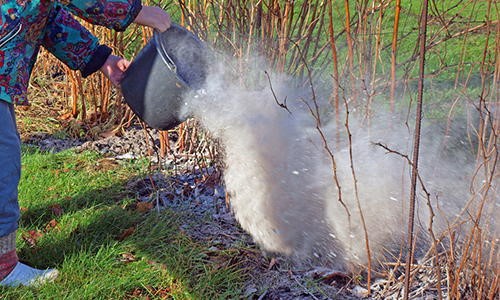
Do you have some charcoal in your house right now? We call charcoal a “miracle leftover” for anyone who wants to be a little more self-sufficient and cut costs. That’s because it can help you with so many different things around the house and garden. You can even use it to make an energy-free fridge. Read More Here...
Example Scenario: A Seasonal Routine
Let’s look at how this fits into a typical garden year. In early May, as the bushes are just beginning to flower, I’ll take my morning coffee out to the garden and harvest two large handfuls of leaves. I’ll spend ten minutes spreading them out on my drying rack in the shed. I do this once a week throughout the month.
By June, I have several jars of dried leaves, which I use for my daily morning tea. When the berries finally ripen in July, I focus on the fruit for jams and fresh eating, but I leave the foliage alone to recover. Then, in the autumn, during my final pruning, I might take a few of the healthier late-season leaves to ferment, creating a darker, richer tea to get me through the winter months.
This cycle ensures that nothing goes to waste. The “waste basket” is empty, and my pantry is full of high-quality, medicinal tea that didn’t cost me a dime. It’s a perfect example of garden mastery—working with the plant’s natural cycles to provide for your own health and enjoyment.
Final Thoughts
Turning currant leaves into tea is one of those simple shifts that fundamentally changes how you view your garden. It’s a move away from the consumer mindset of “only the fruit matters” and toward a deeper, more holistic understanding of the plants we tend. By reclaiming that “lost” 60 percent of the plant’s nutritional potential, you are honoring the tradition of the gardeners who came before us.
The beauty of this practice is that it is accessible to everyone. Whether you have a vast orchard or a single bush in a pot on your balcony, you can participate in this harvest. The science is clear, the flavors are incredible, and the health benefits are a wonderful bonus to an already rewarding hobby.
I encourage you to go out to your currant bushes this spring. Crush a leaf, smell that incredible aroma, and imagine it as a warm, healing brew. Stop throwing away half of your garden’s potential and start enjoying the “green gold” that has been hiding in plain sight. Your body, your pantry, and your garden will all be better for it.