
If your homegrown beets taste like bitter soil, you’re likely feeding the leaves and starving the sugar. Ever wonder why your garden beets are huge but lack that deep, sugary flavor? You might be feeding them like a lawn instead of a root crop. Industrial fertilizers prioritize foliage, but a truly sweet beet needs a biological ‘sugar engine’ powered by minerals and microbes. Here is the secret to high-brix roots.
Growing beets that actually taste like candy isn’t a matter of luck or buying the most expensive seeds. It comes down to understanding the internal mechanics of the plant. Most folks focus on nitrogen because it makes things turn green and grow fast. While that works for spinach or grass, it can actually backfire with beets. If the plant spends all its energy building a massive canopy of leaves, it forgets to pack away the sucrose in the root.
Think of your beet as a storage battery. The leaves are the solar panels, and the root is where the energy is stored for later. If you want that battery to be full of sweetness, you have to ensure the “wiring”—the minerals and microbes in the soil—is capable of moving that energy from the top to the bottom.
How To Grow Sweet Beets
To grow sweet beets, you must focus on the Brix level of the plant. In the gardening world, “Brix” refers to the percentage of dissolved solids in the plant sap, which includes sugars, amino acids, and minerals. A beet with a high Brix reading—ideally above 12%—will taste remarkably sweet and have a much longer shelf life than a low-Brix counterpart.
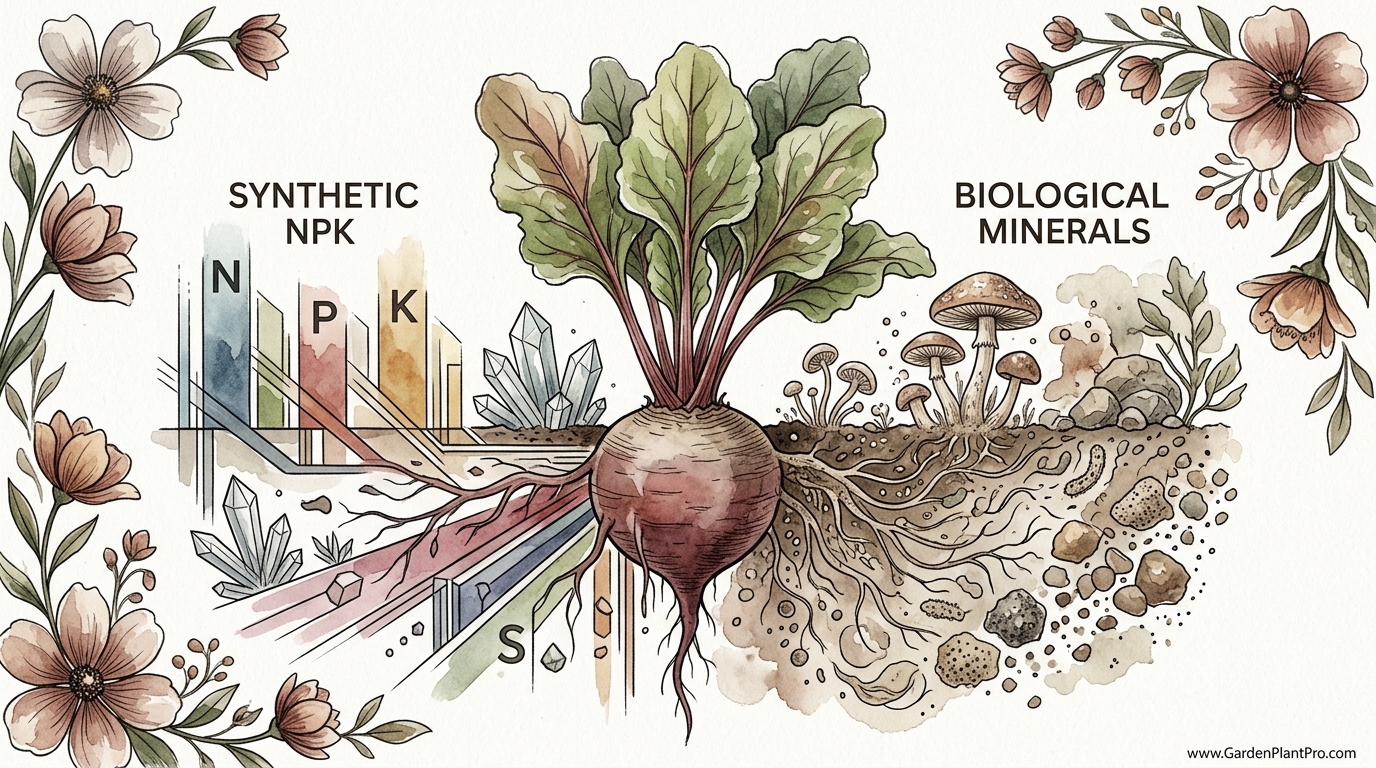
The goal is to create a root that is dense with nutrients rather than one that is bloated with water and nitrogen. This happens when the plant has access to a specific suite of minerals and a thriving community of soil microbes. In practical terms, this means moving away from a “synthetic NPK” mindset and toward a biological approach. Instead of just dumping fertilizer on the ground, you are building an ecosystem that supports the plant’s natural ability to synthesize sugar.
In most garden settings, beets are treated as a “set it and forget it” crop. However, the difference between a mediocre beet and a blue-ribbon winner often comes down to the soil’s mineral balance and the timing of your harvest. These plants are sensitive to their environment, and they will tell you exactly what they need if you know how to look at their leaves and roots.
The Biological Sugar Engine
The process of sugar production begins in the leaves through photosynthesis. Sunlight hits the chlorophyll, which converts carbon dioxide and water into glucose. For a beet to be sweet, this glucose needs to be converted into sucrose and then transported down into the root. This is where the “sugar engine” comes in.
This engine requires four primary components to run at peak efficiency: Magnesium, Phosphorus, Potassium, and Boron. Without these, the sugar stays stuck in the leaves, or the plant simply fails to produce enough of it. Magnesium is the heart of the chlorophyll molecule; without it, the “solar panels” can’t capture energy. Phosphorus provides the fuel (ATP) for the plant’s metabolic processes. Potassium acts like the circulatory system, regulating the flow of water and nutrients. Finally, Boron is the “gatekeeper” that allows sugar to move through the plant’s cell membranes and into the root.
Microbes play a supporting but vital role in this engine. Mycorrhizal fungi extend the reach of the beet’s roots, seeking out phosphorus and trace minerals that the plant couldn’t reach on its own. Beneficial bacteria, such as Bacillus subtilis, help solubilize minerals in the soil, making them “plant-available.” Without these biological partners, even a mineral-rich soil can produce flavorless beets because the nutrients are locked away in a form the plant cannot digest.
The Mineral Toolbox for Sweetness
Understanding the specific roles of minerals will change how you look at your garden bed. Each one is a tool that performs a specific job in the quest for sweetness.
Boron: The Sugar Translocator
Boron is arguably the most important micronutrient for beets. It is essential for cell wall formation and, more importantly, for the movement of sugars. When boron is lacking, you get a condition known as “black heart” or “heart rot,” where the center of the beet becomes corky, black, and bitter. To prevent this, many experienced gardeners use a very dilute solution of 1 teaspoon (5 ml) of Borax dissolved in 1 gallon (3.8 liters) of water, applied over 100 square feet (9.3 square meters) of garden bed. This small addition can increase sugar content by up to 40%.
Magnesium: The Photosynthesis Driver
If your beet leaves are yellowing between the veins while the veins stay green, you likely have a magnesium deficiency. Since magnesium is the central atom in chlorophyll, a deficiency means the plant can’t produce sugar effectively. A simple fix is using Epsom salts (magnesium sulfate). Mixing 1 tablespoon (15 ml) per gallon (3.8 liters) of water and applying it as a drench or foliar spray can jumpstart the sugar engine.
Potassium: The Quality Controller
Potassium is what gives the beet its “heft” and helps it survive stress like drought or cold. It regulates the opening and closing of the stomata (pores) on the leaves, which controls water loss. More importantly, it is crucial for the synthesis of proteins and the translocation of starch and sugar. If you use wood ash in your garden, you are providing a natural source of potassium, but be careful not to overdo it, as it can raise the soil pH too high.
How Temperature and Water Affect Flavor
Environment plays a massive role in how much sugar a beet decides to store. Beets are cool-season crops, and their flavor is highly dependent on the thermometer. When the nights are cool, the plant’s respiration slows down, meaning it burns less of the sugar it made during the day. This is why fall-harvested beets are almost always sweeter than spring-harvested ones.
Chill sweetening is a phenomenon where the plant converts its stored starches into sugars as a natural anti-freeze when temperatures drop toward freezing (0°C / 32°F). If you leave your beets in the ground through a few light frosts, the flavor will deepen significantly. Just be sure to harvest them before the ground freezes solid, or you’ll have a hard time getting them out without breaking the roots.
Consistent moisture is the other half of the equation. If the soil dries out completely, the plant goes into “survival mode,” and the roots become tough, woody, and bitter. On the flip side, overwatering can dilute the sugars and make the beets taste bland. Aim for about 1 inch (2.5 cm) of water per week, ensuring the soil stays damp but not soggy. Mulching with straw or shredded leaves helps maintain this balance by keeping the soil temperature steady and reducing evaporation.
Choosing the Right Variety
While soil health is paramount, starting with a variety bred for high sugar content gives you a significant head start. Not all beets are created equal; some are meant for greens, some for storage, and some specifically for raw eating.
| Variety | Type | Key Feature | Best For |
|---|---|---|---|
| Merlin | Hybrid | Highest sugar (12-15% Brix) | Fresh eating and roasting |
| Badger Flame | Heirloom | Low earthiness, very sweet | Eating raw like a carrot |
| Detroit Dark Red | Heirloom | Classic deep flavor, reliable | Canning and pickling |
| Avalanche | White | No bitterness, very mild | Raw salads, no staining |
| Cylindra | Heirloom | Uniform slices, fine texture | Slicing for sandwiches |
Varieties like Merlin and Kestrel are modern hybrids that have been selected specifically for their ability to pack in the sugar. If you prefer heirlooms, Lutz Green Leaf (also called Winterkeeper) is famous for staying sweet even when it grows to a massive size. For those who find traditional beets too “earthy,” Badger Flame is a game-changer—it was bred at the University of Wisconsin to have almost zero geosmin, the compound that gives beets that “dirt” taste.
Benefits of High-Brix Beets
The most obvious benefit of a high-Brix beet is the flavor. When you bite into a beet with 12% to 15% sugar, you don’t need much seasoning to make it palatable. The natural sweetness is deep and complex, often with notes of caramel when roasted. Beyond the taste, there are several practical advantages to growing high-quality roots:
DIY PROJECT: Collect rainwater no matter where you live...
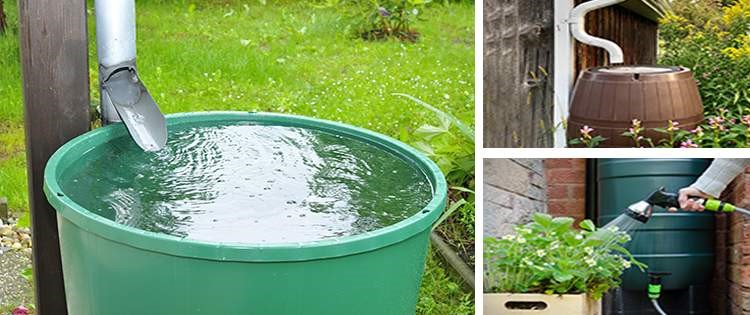
This DIY project is the best way to legally collect rainwater NO MATTER where you live. Get chlorine-free water, cut down on your water bills, and have enough for an emergency situation or to water your garden. Read More Here...
- Better Storage: High-sugar roots have a lower water content and stronger cell walls, which means they can sit in a root cellar or refrigerator for months without shriveling or rotting.
- Pest Resistance: Insects are actually deterred by high-Brix plants. Their digestive systems are not designed to handle complex sugars, and they will often skip over a healthy, sweet beet in favor of a neighboring plant that is stressed and nitrogen-bloated.
- Nutrient Density: Higher Brix usually correlates with higher levels of vitamins and minerals. You aren’t just eating sugar; you’re eating a more concentrated dose of folate, manganese, and potassium.
Challenges and Common Mistakes
The biggest mistake most gardeners make is over-thinning or under-thinning. Remember that most beet “seeds” are actually clusters containing two to four individual seeds. If you don’t thin them to about 3 to 4 inches (7.5 to 10 cm) apart, they will crowd each other out, resulting in small, misshapen roots that struggle to accumulate sugar. Thinning is a chore, but it is non-negotiable for sweet results.
Another common pitfall is the misuse of nitrogen. If you use a high-nitrogen lawn fertilizer on your beets, you’ll get the most beautiful, lush green tops in the neighborhood, but the roots will be tiny and flavorless. Nitrogen should be used sparingly, primarily in the first few weeks of growth to establish the leaves. Once the “shoulders” of the beet begin to show above the soil, switch your focus to phosphorus and potassium.
Soil pH is a hidden culprit for many flavor issues. Beets prefer a slightly acidic to neutral pH of 6.0 to 7.0. If your soil is too alkaline (above 7.5), boron becomes “locked” and unavailable to the plant, even if it’s present in the soil. Always do a quick soil test if your beets are consistently coming up bitter despite your best efforts.
Limitations and Practical Boundaries
While the biological approach works wonders, there are some hard limits you should be aware of. Soil texture is one. If you have heavy, compacted clay, your beets will struggle to expand. The physical stress of pushing against hard soil can cause the plant to produce more cellulose, leading to a woody, fibrous texture that no amount of sugar can fix. In these cases, growing in raised beds or adding significant amounts of compost is the only real solution.
Temperature is another boundary. If you live in a climate where the nights stay above 70°F (21°C), it is very difficult to grow truly sweet beets. The plants will simply “breathe” away their sugar reserves to stay alive in the heat. In hot regions, it’s best to time your planting so the roots are maturing during the coolest months of the year, even if that means a mid-winter harvest.
Practical Tips for Success
If you want to apply these lessons immediately, here is a step-by-step routine used by many successful market gardeners:
- Use Molasses: Mix 2 tablespoons (30 ml) of unsulfured blackstrap molasses into 1 gallon (3.8 liters) of water and apply it as a soil drench every two weeks. This provides a direct boost of trace minerals and feeds the beneficial microbes in the soil.
- The “Shoulder” Test: When you see the shoulders of the beet popping up about 1 inch (2.5 cm) out of the dirt, it’s time for a final dose of potassium. A light sprinkling of kelp meal or wood ash around the base will help the plant finish strong.
- Harvest Timing: Harvest in the morning after a cool night for the highest sugar concentration. If it has just rained heavily, wait a day or two for the water to drain so the sugars aren’t diluted.
- Don’t Waste the Greens: The leaves are actually higher in many minerals than the roots. Snip one or two outer leaves from each plant during the growing season for your salads, but don’t take too many, or you’ll starve the root of its “solar panels.”
Advanced Considerations: Monitoring Brix
For the truly dedicated gardener, a handheld refractometer is an invaluable tool. This device allows you to measure the Brix of your plants in real-time. Simply squeeze a few drops of sap from a leaf or a small piece of the root onto the glass, and look through the eyepiece. A reading of 4% to 6% is poor, 8% to 10% is average, and anything above 12% is excellent.
Monitoring Brix allows you to see how your plants respond to different treatments. If you apply a boron spray and the Brix jumps by two points the next day, you know you’re on the right track. This data-driven approach removes the guesswork and helps you fine-tune your soil biology over several seasons. It’s also a great way to find out which areas of your garden are naturally more productive.
Example Scenario: The Fall Sugar Boost
Let’s look at a practical example. Imagine it’s late August, and you’ve just planted a bed of Merlin beets. The soil was amended with compost, but you know your garden tends toward the alkaline side. Here is how you would manage them for maximum sweetness:
First, as the seedlings reach 2 inches (5 cm) tall, you thin them to a 3-inch (7.5 cm) spacing. You apply a one-time foliar spray of Epsom salts to ensure the leaves are deep green. As September brings cooler nights, you begin drenching the bed with a molasses and seaweed extract mix once every ten days. This keeps the microbes active as the soil temperature begins to drop.
By mid-October, you see 2-inch (5 cm) shoulders. You check the weather forecast and see a light frost is coming. You leave them in. After three nights of temperatures dipping to 30°F (-1°C), you harvest a test beet. The root is firm, the color is a vibrant violet, and when you slice it, you see almost no white rings (zoning). A quick taste confirms it—it’s crisp, sweet, and lacks any metallic or “dirt” aftertaste. You harvest the rest of the bed, trim the tops, and store the roots in a perforated bag in the crisper drawer, where they will stay sweet until Christmas.
Final Thoughts
Growing sweet beets is a journey into the hidden life of the soil. It’s about moving past the idea of just “making things grow” and toward the goal of “making things thrive.” When you provide the right minerals and protect the biological life in your garden beds, the plant rewards you with a flavor that you simply cannot find in a grocery store.
Do not be afraid to experiment with different varieties and mineral supplements. Every garden has its own unique fingerprint, and what works for a neighbor might need a slight adjustment for your soil. The more you pay attention to the small details—the color of the leaves, the moisture of the soil, and the temperature of the night—the more successful you will be.
Once you’ve mastered the sweet beet, you’ll find that these principles apply to almost everything else in your garden. Whether it’s carrots, parsnips, or even tomatoes, the “sugar engine” is the key to nutrient density and world-class flavor. Happy gardening, and may your harvest be the sweetest one yet.