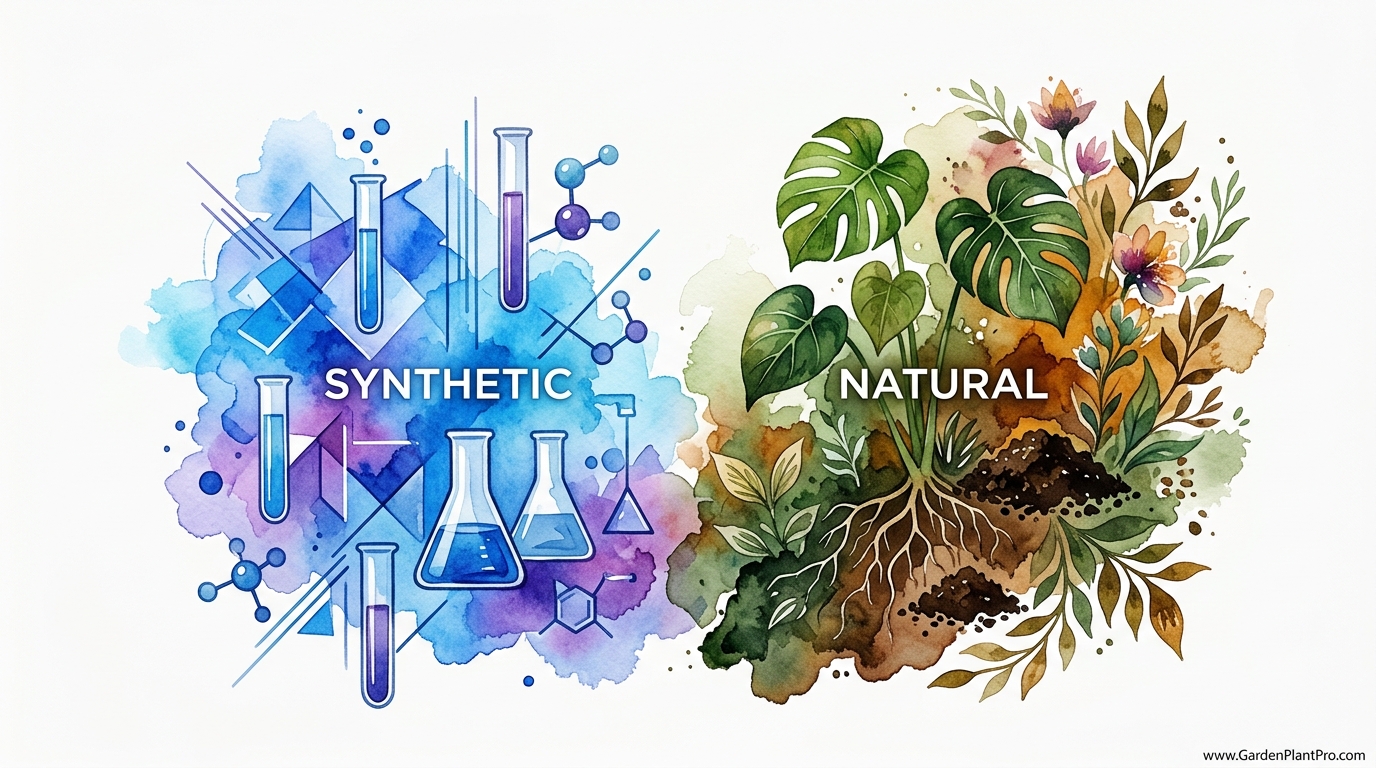
Is your Philodendron eating a chemical cocktail or building a biological partnership? Those crispy brown edges on your Philodendron aren’t always a humidity issue—often, it’s a salt overdose. Synthetic fertilizers feed the plant but kill the soil biology, leading to a cycle of dependency and ‘burn.’ You allow the plant to regulate its own nutrient intake through its roots, leading to resilient, flawless leaves when you switch to a ‘Natural’ living soil system rich in microbes and worm castings.
I have spent many years leaning over my garden gate, watching the seasons turn and the soil change. Experience has taught me that the most beautiful plants aren’t the ones we force-feed with blue powders and laboratory-made sprays. They are the ones that live in a soil so healthy it feels like it’s breathing. If you want a Philodendron that looks like it just stepped out of a misty rainforest, you have to stop thinking about “feeding the plant” and start thinking about “tending the soil.”
Best Organic Fertilizer For Philodendrons
Organic fertilizer is more than just a substitute for the synthetic stuff you find in big-box stores. It is a slow-release, biological engine that powers your plant’s growth from the ground up. In the simplest terms, organic fertilizers are derived from natural sources like plants, animals, or minerals. Instead of dumping a high concentration of salt-based nutrients directly onto the roots, these natural materials wait for the microscopic life in your soil to break them down.
I often tell my neighbors that using organic fertilizers is like putting money into a long-term savings account for your garden. Synthetic fertilizers are like a payday loan—you get a quick burst of growth, but you pay for it later with depleted soil and fragile plants. When you use materials like worm castings, fish emulsion, or compost tea, you are building a reservoir of health. These materials provide the primary nutrients—Nitrogen, Phosphorus, and Potassium—but they also offer a feast of trace minerals and beneficial microbes that you just won’t find in a chemical bottle.
In a real-world setting, using the best organic fertilizer for Philodendrons means your plant becomes more self-sufficient. It develops thicker cell walls in its leaves, making it less attractive to pests like spider mites or thrips. It also develops a more robust root system that can withstand a few days of forgotten watering much better than a plant raised on a strict diet of liquid chemicals.
The Biological Partnership: How Living Soil Works
Nature does not use measuring spoons. In a rainforest, a Philodendron lives on a steady diet of decaying leaves, bird droppings, and bits of bark that fall from the canopy. This debris is broken down by fungi and bacteria, creating a “living soil” that provides exactly what the plant needs, when it needs it. Your indoor pot can mimic this system if you set it up correctly.
Root systems are smarter than we give them credit for. They release tiny amounts of sugars and proteins, called exudates, into the soil. These exudates act as a dinner bell for beneficial microbes. The microbes rush to the roots to eat the sugars, and in exchange, they process the organic matter in the soil into a form the plant can absorb. This is the biological partnership I’m talking about. You provide the organic material, the microbes provide the labor, and the Philodendron gets to pick and choose its nutrients.
The Role of Microorganisms
Beneficial bacteria and mycorrhizal fungi are the unsung heroes of your potting mix. Fungi, in particular, can extend the reach of a plant’s roots by ten times or more. They weave themselves into the root tissue and stretch out into the soil, mining for water and phosphorus that the plant couldn’t reach on its own. This is why a “Natural” living soil system is so much more effective than a sterile one.
Nutrient Mineralization
When you add something like a handful of crushed leaves or a bit of compost, the nutrients are locked up in complex molecules. Mineralization is the process where soil life turns those molecules into ions like ammonium or nitrate. This happens slowly, which is why organic fertilizers rarely “burn” a plant. The nutrients are released at a pace that matches the plant’s appetite, governed by the temperature and moisture of the soil.
Essential Nutrients: What Your Philodendron Is Craving
Every bag of fertilizer has three numbers on the front, representing Nitrogen (N), Phosphorus (P), and Potassium (K). For most Philodendrons, a balanced ratio like 10-10-10 or 20-20-20 is often recommended, but that’s a bit of an oversimplification. Each of these elements does something specific for your leafy friend.
Nitrogen (N) for Lush Foliage
Nitrogen is the “green” nutrient. It is the primary building block for chlorophyll and the protein that makes up the leaves. If your Philodendron has small, pale leaves or the older leaves are turning yellow and falling off, it’s likely hungry for nitrogen. Climbing varieties, like the Philodendron cordatum, are especially heavy nitrogen feeders because they are constantly pushing out new vine length.
Phosphorus (P) for Root Resilience
Phosphorus is all about energy transfer and root development. While we don’t usually grow Philodendrons for their flowers, they still need phosphorus to build a foundation that can support those heavy, trailing vines. In my experience, a plant with a strong phosphorus supply handles the stress of repotting much better than one that’s been deprived.
Potassium (K) for Overall Health
Potassium acts like the plant’s immune system. It regulates water movement within the cells and helps the plant withstand temperature swings or dry air. If your plant looks “floppy” or wilted even though the soil is moist, it might be a potassium issue. It helps strengthen the stems, which is vital for “self-heading” Philodendrons like the Philodendron bipinnatifidum that need to stand tall.
The Power of Micronutrients
Beyond NPK, your plant needs tiny amounts of iron, magnesium, calcium, and zinc. These are like the vitamins we take. Magnesium, for example, is the central atom in every chlorophyll molecule. Without it, the plant can’t photosynthesize properly. Synthetic fertilizers often skip these trace minerals, but organic sources like seaweed and worm castings are packed with them.
Worm Castings: The “Black Gold” of Organic Care
If I could only use one thing for my Philodendrons, it would be worm castings. This is just a fancy name for earthworm waste, but it is pure magic for tropical plants. Worm castings are rich in humic acid, which helps the roots absorb nutrients more efficiently, and they are teeming with beneficial bacteria.
One of the best things about worm castings is that they are impossible to overdo. You can plant a Philodendron in 100% worm castings and it won’t burn, though I wouldn’t recommend it because it gets a bit heavy and dense. A better approach is to use them as a “top-dressing.” I usually take about a handful (roughly 1/2 cup or 120 ml) and sprinkle it over the surface of the soil once every spring. Every time you water, a gentle “tea” of nutrients and microbes washes down into the roots.
How to Mix Your Own Living Soil
If you are starting fresh with a new plant, you can build the fertilizer right into the soil. A good recipe for a Philodendron includes:
- 4 parts high-quality potting soil (coco coir based is great for moisture).
- 3 parts perlite or pumice (for drainage and air).
- 2 parts orchid bark (provides structure and homes for microbes).
- 1 part worm castings (this is your slow-release engine).
This mix creates a “chunky” environment that mimics the leaf litter and forest floor debris these plants love in the wild.
Liquid Gold: Fish Emulsion and Compost Tea
Sometimes your plant needs a bit of a boost, especially during the long, bright days of summer when it’s growing an inch a week. This is where liquid organic fertilizers come in. Fish emulsion is a popular choice, made from the parts of the fish that nobody wants to eat. It is very high in nitrogen and provides an almost immediate response.
DIY PROJECT: Collect rainwater no matter where you live...
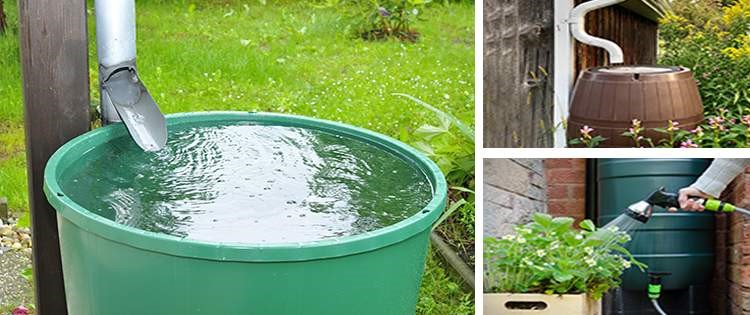
This DIY project is the best way to legally collect rainwater NO MATTER where you live. Get chlorine-free water, cut down on your water bills, and have enough for an emergency situation or to water your garden. Read More Here...
The downside to fish emulsion is the smell—it can be quite “fragrant” for a day or two. If you are keeping your plants indoors, you might prefer a high-quality compost tea or a “liquid kelp” solution. These are virtually odorless and provide a wonderful cocktail of growth hormones and micronutrients.
Brewing Your Own Compost Tea
You don’t need a lab to make good fertilizer. You can make a simple “manure tea” or compost tea right in your backyard.
- Fill a 5-gallon (19-liter) bucket with de-chlorinated water (let it sit out overnight so the chlorine evaporates).
- Add two big shovelfuls of finished compost or worm castings into a porous bag, like an old pillowcase.
- Let it steep for 24 to 48 hours. If you have an aquarium bubbler, put it in the bucket to keep the water oxygenated—this encourages the “good” bacteria to multiply.
- The resulting liquid should look like weak tea. Use it to water your Philodendrons once a month during the growing season.
Benefits of the Organic Approach
Choosing the organic path offers several practical advantages that you will see in your plants over time. It isn’t just about being “eco-friendly”; it’s about better results.
- No Fertilizer Burn: Since organic nutrients release slowly, the risk of those dreaded brown, crispy leaf edges caused by salt buildup is almost zero.
- Improved Soil Structure: Organic matter helps the soil hold exactly the right amount of water while still allowing oxygen to reach the roots.
- Pest Resistance: Healthy plants produce natural defense chemicals. A Philodendron on a natural diet is often much tougher for spider mites to colonize.
- Long-Term Vitality: Plants grown organically tend to live longer and handle the “accidents” of life—like a cold draft or a missed watering—much better than their synthetic-fed cousins.
Challenges and Common Mistakes
Even though the organic way is gentler, there are still a few traps you can fall into. The most common mistake I see is thinking that “more is better.” While organic fertilizers are harder to overdo, you can still clog up the soil if you add too much heavy material like uncomposted manure.
The Problem with Unfinished Compost
Never use compost that hasn’t fully broken down. If it still looks like kitchen scraps or smells sour, it’s not ready. Unfinished compost can actually pull nitrogen *away* from your plant as it continues to rot in the pot. It can also attract fungus gnats, which are a nuisance nobody wants in their living room.
Ignoring the pH Balance
Philodendrons like their soil slightly acidic—somewhere between 5.5 and 6.5 on the pH scale. Some organic amendments, like large amounts of wood ash or lime, can make the soil too alkaline. When the pH is off, the plant can’t “unlock” the nutrients in the soil, no matter how much you add. If you see yellowing leaves despite plenty of fertilizer, check your soil pH.
Limitations of Organic Fertilizers
It is only fair to mention that organic gardening requires a bit more patience. If you have a plant that is on death’s door and needs nutrients *right now*, an organic amendment might take too long to kick in.
In cold weather, the microbes in the soil go to sleep. This means that if you keep your house very cool in the winter, your organic fertilizer won’t do much. You should stop fertilizing almost entirely during the winter months anyway, as the plant isn’t growing fast enough to use the extra food. Pushing a plant to grow when the light is low only leads to weak, “leggy” stems.
Practical Tips for Ongoing Care
Over the years, I’ve picked up a few tricks that make fertilizing much easier. These small adjustments can make a big difference in how your Philodendron responds.
- Flush the Soil: Even with organic fertilizers, it’s a good idea to “flush” the soil once every few months. Take your plant to the sink or shower and let room-temperature water run through the pot for several minutes. This washes away any residual minerals and keeps the roots fresh.
- Listen to the Leaves: Your plant will tell you what it needs. Pale, small leaves mean it’s hungry for nitrogen. Purple-ish stems or leaves can sometimes mean it needs phosphorus. Brown tips usually mean too much salt or too little humidity.
- Warm Water Only: Never water or fertilize with ice-cold water straight from the tap. Tropical roots are sensitive. Use water that is “tepid” or room temperature (about 68°F to 75°F or 20°C to 24°C).
- Consistency is Key: It is better to give a very weak dose of organic liquid fertilizer every time you water than to give a huge dose once a year.
Advanced Considerations: Mycorrhizae and Biochar
For those who want to take their Philodendron care to the next level, you might look into soil additives like biochar or specialized mycorrhizal inoculants. Biochar is essentially a high-quality charcoal that acts like a “coral reef” for soil microbes. It provides millions of tiny nooks and crannies where beneficial bacteria can live and hide.
Adding a pinch of mycorrhizal powder to the roots when you repot can also be a game-changer. These fungi form a symbiotic bond with the plant. In exchange for a little bit of sugar from the plant, the fungi scavenge the soil for nutrients and water, effectively increasing the surface area of the roots. I’ve seen plants with these fungal partners grow twice as fast as those without them.
A Real-World Example: Saving a “Sad” Philodendron
I once took in a neighbor’s Philodendron Brasil that had been fed nothing but chemical spikes for three years. The soil was crusty and white on top—a clear sign of salt buildup—and the leaves were small and dull.
The first thing we did was take it out of the old, “dead” soil. We washed the roots gently in tepid water to remove the salt. Then, we repotted it into the chunky mix I mentioned earlier—orchid bark, perlite, and plenty of worm castings. For the first month, we gave it nothing but plain, de-chlorinated water.
By the second month, we started using a very diluted fish emulsion and seaweed spray (about 1 teaspoon per gallon or 5 ml per 4 liters). The transformation was incredible. Within a single growing season, the new leaves were twice the size of the old ones, and that beautiful neon-yellow stripe down the center of the leaf was vibrant and glowing. That plant didn’t need more “food”; it needed a better “kitchen.”
Final Thoughts
Tending a Philodendron is a journey, not a race. When you choose the organic path, you are choosing to work with nature instead of against it. It might take a few weeks longer to see the results, but those results will be deeper, stronger, and more beautiful than anything you can get from a chemical bottle.
Focus on building a healthy community of microbes in your soil. Use worm castings as your primary source of strength, and supplement with liquid organics when the plant is actively growing. If you take care of the soil, the soil will take care of the plant, and your Philodendron will reward you with a waterfall of lush, green leaves for decades to come.
I hope these lessons from my garden help you find the same joy in the “biological partnership” that I have. There is something deeply satisfying about knowing your plants are thriving because you’ve created a tiny, living ecosystem right in your living room. Happy growing!
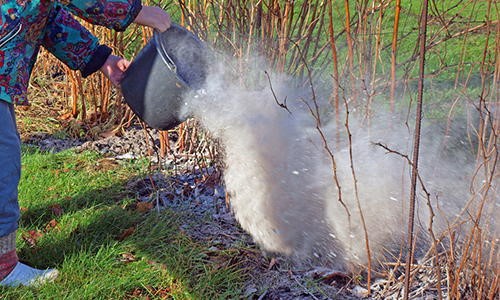
Do you have some charcoal in your house right now? We call charcoal a “miracle leftover” for anyone who wants to be a little more self-sufficient and cut costs. That’s because it can help you with so many different things around the house and garden. You can even use it to make an energy-free fridge. Read More Here...