
That ‘lost’ zucchini you missed in the leaves is actually a high-nitrogen battery for next year. We have all missed a harvest and found a giant, woody zucchini hiding under the leaves. Instead of tossing it in the trash, learn how to turn that ‘waste’ into high-octane fuel for your soil. It is the ultimate nutrient-recycling hack for a self-sufficient garden.
When you have been gardening as long as I have, you stop seeing mistakes and start seeing opportunities. That three-foot-long green monster you just discovered behind the squash vines is not a failure of your observation skills. It is actually a concentrated vessel of minerals and moisture that the plant worked incredibly hard to pull from the earth. In the world of sustainable growing, we call this the shift from GARDEN WASTE to GARDEN FUEL. Instead of shipping those nutrients off to a municipal landfill, we are going to bank them right back into your beds.
Think of that giant zucchini as a biological battery. Over the last few weeks, it has been charging up with potassium, nitrogen, and phosphorus. While it might be too woody to enjoy in a salad, your soil microbes and earthworms think it is a five-star meal. By returning it to the soil correctly, you are ensuring that the energy spent growing it this season becomes the foundation for your tomatoes or peppers next spring.
What To Do With Giant Overgrown Zucchini
An overgrown zucchini, often called a “marrow” or a “beachmaster,” is simply a summer squash that has passed its culinary prime. In its early stages, a zucchini is tender and full of sugars. However, as it grows beyond 8 to 10 inches (20 to 25 cm), the plant shifts its energy toward reproduction. The skin thickens into a protective, leathery rind, and the interior develops large, protein-rich seeds. While the flavor fades for us, the nutritional density for the garden increases exponentially.
These giants typically appear toward the end of a heat wave or after a long weekend away from the garden. Because zucchini leaves are so large and prickly, it is incredibly easy for one fruit to stay hidden. By the time you find it, it might weigh 5 to 10 pounds (2.2 to 4.5 kg). At this stage, it is no longer a vegetable; it is a carbon and nitrogen delivery system. Most people see a mess, but a seasoned gardener sees a way to jumpstart the nitrogen cycle for the following year.
In real-world terms, using giant zucchini as soil fuel is a form of “in-situ” composting. Instead of moving the organic matter to a pile, letting it break down, and moving it back, you put it exactly where the next crop needs it. This method is used by regenerative farmers and permaculture enthusiasts to build topsoil without buying expensive bagged amendments. It works in raised beds, traditional rows, and even in heavy clay soils where organic matter is desperately needed to improve drainage and aeration.
How to Convert Zucchini Into Soil Fuel
To turn that woody fruit into fuel, you need to break the “seal” of the tough outer rind. If you simply throw a giant zucchini onto the ground, it may take months to rot, and it could attract pests like squash bugs or rodents. Following a structured approach ensures the nutrients are available to your soil biology as quickly as possible.
The Trench Composting Method
This is my favorite way to handle “lost” harvests. It puts the organic matter deep enough that the smell is contained and the worms can work in peace. Dig a trench about 12 to 15 inches (30 to 38 cm) deep in an area where you plan to plant heavy feeders next year, like corn or brassicas. Slice the zucchini into 2-inch (5 cm) rounds and lay them in the bottom of the trench. Cover them with the soil you removed. This “burial” method keeps the nitrogen from volatilizing into the air, keeping it locked in the root zone.
The Pit and Poke Method
If you have multiple giant zucchinis, you can dig a single large pit in the corner of a bed. Before tossing them in, take a garden fork or a sharp spade and “poke” or chop the fruits. Opening the flesh allows soil bacteria and fungi to enter the fruit immediately. If the fruit is particularly woody, I often smash it with the back of a shovel. This increases the surface area for microbial colonization. Cover the pit with at least 6 inches (15 cm) of soil to prevent “volunteer” seeds from sprouting too easily next spring.
The Chop-and-Drop Surface Mulch
In a more “wild” or permaculture-style garden, you can simply chop the zucchini into small cubes and scatter them under a layer of straw or wood chips. This is less work but requires a healthy existing mulch layer to keep the moisture in. As the zucchini pieces break down, they release a significant amount of water and potassium, which are immediately absorbed by the surrounding plants. This is an excellent way to feed the soil during a dry spell in late summer.
Benefits of Recycling Overgrown Zucchini
The practical benefits of this practice go far beyond just “cleaning up.” You are essentially creating a customized slow-release fertilizer. Zucchini is roughly 95% water, but that remaining 5% is packed with minerals that the plant spent weeks mining from your soil. Returning it is a form of nutrient cycling that maintains the health of your garden ecosystem.
- Moisture Reservoir: Because they are so water-dense, buried zucchinis act like underground sponges. They slowly release moisture into the surrounding soil as they decay, which can be a lifesaver for nearby plants during a drought.
- Nitrogen Boost: The seeds of a mature zucchini are high in protein. As these seeds decompose, they release nitrogen back into the soil. Nitrogen is the primary fuel for leafy growth, making this “battery” perfect for your spring greens.
- Potassium and Phosphorus: Zucchini is naturally high in potassium (often over 260mg per 100g of weight). Potassium is crucial for root development and disease resistance. By burying the fruit, you are concentrating these minerals exactly where future roots will grow.
- Earthworm Magnet: Earthworms love the soft, decaying interior of a cucurbit. By providing this high-energy food source, you encourage worm activity, which naturally aerates your soil and leaves behind nutrient-rich castings.
Challenges and Common Mistakes
While this is a fantastic hack, there are a few pitfalls that can turn your “soil battery” into a garden headache. The most common mistake is forgetting about the seeds. A single giant zucchini can contain hundreds of viable seeds. If you don’t bury them deep enough—at least 8 to 12 inches (20 to 30 cm)—you might find yourself weeding out a thousand “volunteer” zucchini plants next spring.
Another issue is the potential for attracting pests. If the zucchini is left on the surface and not chopped, it can become a breeding ground for squash bugs (Anasa tristis). These pests love to hide under the rinds and lay their bronze eggs. To avoid this, always make sure the fruit is either buried or chopped finely enough that it dries out or rots quickly. Never leave a whole, intact giant zucchini sitting in the middle of your garden bed over the winter; it is essentially a five-star hotel for overwintering pests.
Smell can also be an issue if you use too much “green” material in one spot without enough “brown” material to balance it. If you are burying several large fruits, try to mix in some dry leaves or shredded cardboard. This balances the Carbon-to-Nitrogen (C:N) ratio. Microbes prefer a ratio of about 24:1 for optimal energy. Since zucchini is very high in nitrogen, adding a bit of carbon helps the decomposition process stay aerobic and odorless.
Limitations: When This May Not Be Ideal
There are times when you should strictly avoid recycling your zucchini into the soil. If the plant was suffering from a severe case of powdery mildew or bacterial wilt, do not bury the fruit in your growing beds. While the soil can break down many pathogens, some fungal spores and bacteria can survive the winter in the soil and re-infect your crops next year. In these cases, it is better to hot-compost the material where temperatures reach at least 131°F (55°C) to kill the pathogens.
Environmental conditions also play a role. If you live in an extremely wet climate with poorly draining clay soil, burying large amounts of water-rich zucchini can lead to anaerobic “pockets” that smell like rotten eggs. This happens when there is no oxygen available for the “good” bacteria. If your soil is already soggy, it is better to chop the zucchini and add it to a well-aerated compost bin rather than burying it directly in the garden.
Practical Tips for Best Results
To get the most out of your “lost” harvest, follow these seasoned tips I have picked up over the years:
- Use a heavy knife or spade: Don’t try to be delicate. Chop the zucchini into small chunks. The more you break it up, the faster the soil microbes can get to work.
- Depth is your friend: Aim for a minimum of 10 inches (25 cm) of soil cover. This prevents the “zucchini forest” of seedlings in the spring and keeps local wildlife from digging it up.
- Layering: If you have access to fall leaves, layer them with your zucchini chunks. This creates a mini-compost pile right in the ground.
- Timing: The best time to do this is in late summer or early autumn. This gives the soil at least 3 to 4 months to break down the material before you plant your spring crops.
Advanced Considerations: The C:N Science
For the serious practitioner, understanding the chemical breakdown of the zucchini rind vs. the seeds is helpful. The rind of a giant zucchini has more lignin and cellulose than a young one, meaning it has a higher carbon content. The seeds, however, are concentrated protein and fats. This combination makes an overgrown zucchini a balanced “mini-ecosystem” for soil fungi and bacteria.
When you bury this material, you are stimulating both mineralization (the release of nutrients into plant-available forms) and immobilization (the temporary storage of nutrients in microbial bodies). This cycle is what builds long-term soil fertility. If you are practicing “No-Dig” gardening, you might prefer the chop-and-drop method, but adding a thin layer of finished compost over the chopped zucchini will help speed up the process while protecting the soil surface.
Example Scenario: The Winter Trench
Imagine it is mid-September. You just found two 8-pound zucchinis hiding under a wilted vine. Instead of the trash, you walk to your future garlic bed. You dig a trench 12 inches deep and 3 feet long. You chop the “beachmasters” into 1-inch cubes and fill the bottom of the trench. You sprinkle a handful of bone meal or a bit of wood ash (for extra phosphorus and potassium) and cover it with soil.
DIY PROJECT: Collect rainwater no matter where you live...
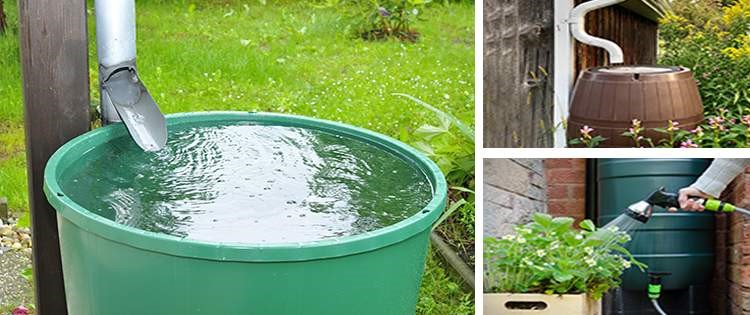
This DIY project is the best way to legally collect rainwater NO MATTER where you live. Get chlorine-free water, cut down on your water bills, and have enough for an emergency situation or to water your garden. Read More Here...
By November, the worms have moved in. By March, when the soil begins to warm, the zucchini has completely disappeared, leaving behind a dark, crumbly “vein” of rich humus in your soil. When you plant your heavy-feeding tomatoes in that spot in May, they will find a reservoir of nutrients ready and waiting. You didn’t just clean your garden; you built a future harvest.
Final Thoughts
Gardening is often a lesson in perspective. What looks like a giant, useless squash is actually a gift from the plant to the soil. By shifting from the mindset of managing GARDEN WASTE to creating GARDEN FUEL, you close the loop in your backyard ecosystem. You save money on fertilizers, reduce your environmental footprint, and build a more resilient garden that can handle the stresses of the coming seasons.
Next time you see a green monster lurking in the shadows of your squash patch, don’t sigh in frustration. Grab your shovel and your garden knife. You have just found the fuel you need to make next year’s garden the best one yet. Experiment with different burial depths and locations, and soon you will be “losing” a few zucchinis on purpose just to feed your hungry soil.