
The hidden reason your store-bought yams go bad in just one week. Modern appliances are great for milk, but they are a death sentence for tropical tubers. Our ancestors knew the secret to keeping yams fresh for months without a single watt of electricity. It’s all about airflow and ‘breathing’ space, not cold, damp plastic.
When you bring a beautiful yam home from the market or harvest one from your own soil, you are dealing with a living, breathing organism. Unlike a potato which can tolerate some neglect, the tropical yam is more sensitive to its environment. If you treat it like a carrot and toss it in the crisper drawer, you are essentially sealing its fate.
I have spent decades watching how different root crops behave in storage. In my early years, I lost more harvests than I care to admit because I followed “modern” advice that didn’t account for the unique physiology of the yam. Once I looked back at how farmers in West Africa and the Caribbean have handled these tubers for centuries, everything clicked. It’s not about high-tech gadgets; it’s about understanding the balance of air, temperature, and skin integrity.
In this guide, I want to walk you through the logic of yam preservation. We will look at why the fridge is your enemy, how to “cure” a tuber so it develops its own armor, and the specific ways you can replicate an ancestral yam barn in a modern suburban home. Whether you are growing Dioscorea alata or Dioscorea rotundata, these principles will save your harvest and your grocery budget.
How To Store Yams Long Term Without Rot
Storing yams long-term is the art of slowing down the tuber’s natural metabolic processes without killing it. A yam is essentially a dormant plant waiting for the right conditions to sprout. If the environment is too wet, it rots. If it is too cold, the cells collapse. If it is too dry, it shrivels into a woody stick.
The core concept is “living storage.” In many parts of the world, especially in West Africa, yams are stored in structures called yam barns. These are vertical structures where tubers are tied to poles under a thatched roof. This allows air to circulate around every single tuber. The goal is to keep them cool, dry, and away from pests while ensuring they are never touching each other in a way that traps moisture.
In a home setting, we translate this by finding the “Goldilocks zone” of your house. This is usually a spot that stays between 12°C and 15°C (54°F to 59°F). Most people mistakenly think “cool” means the refrigerator, but a standard fridge runs at about 4°C (40°F). At that temperature, the starches in a yam convert to sugars in an unappealing way, and the internal tissues begin to break down, leading to rapid decay as soon as you take them out.
Real-world storage success depends on three factors: the condition of the yam at the start, the “curing” process, and the final storage environment. If you miss any of these steps, the “one-week rot” becomes an inevitability. When done correctly, however, a healthy yam can stay firm and delicious for four to six months, providing a reliable food source long after the harvest season has ended.
Preparing the Tuber: The Curing Process
Before a yam ever moves to its final storage spot, it must undergo curing. This is arguably the most important step, yet it is the one most modern gardeners skip. Curing is the process of allowing the skin to thicken and any minor nicks or scratches to “suberize” or heal over.
When a yam is freshly dug, its skin is surprisingly delicate. Even market-bought yams often have “bruises” from transport that haven’t healed. To cure your yams, place them in a warm, humid spot for about 4 to 7 days. You are looking for a temperature around 25°C to 30°C (77°F to 86°F) with high humidity. This sounds counterintuitive, but this brief “spa treatment” triggers the yam to toughen its outer layer.
Once the skin feels corky and any cuts have developed a hard, dry callus, the yam is ready. During this phase, do not wash the yams. Water is the enemy of the curing process. If there is heavy soil on them, let it dry and gently brush it off with your hands or a soft cloth. Avoid using brushes with stiff bristles that might create new micro-tears in the skin.
Handling Damaged Tubers
Not every yam comes out of the ground perfectly. If a tuber has a deep shovel cut or a soft spot, it should not be stored with the others. These “seconds” should be used immediately. Even a perfectly cured wound can be a weak point where rot starts months down the line. In a professional yam barn, damaged yams are always kept separate and eaten first to prevent them from spreading mold to the healthy stock.
Creating the Ideal Environment
Once cured, the yams need to move to their long-term home. This environment needs to be consistent. Fluctuations in temperature or humidity tell the yam that the seasons are changing, which can trigger early sprouting or internal breakdown.
The ideal storage space has the following characteristics:
- Darkness: Light encourages sprouting. A dark pantry, a ventilated basement, or a dedicated cabinet works best.
- High Ventilation: This is the “ancestral secret.” Air must move. If you store yams in a closed plastic bag, the respiration of the tuber creates condensation, which leads to fungal growth.
- Elevation: Never store yams directly on a concrete floor. Concrete can pull moisture into the tuber or stay too cold. Use wooden crates, wire racks, or even hang them in mesh bags.
If you live in a very humid climate, you may need a small fan to keep air moving in your storage area. Conversely, if you live in a very arid desert climate, you might need to keep the yams in a slightly more enclosed (but still breathable) container like a burlap sack to prevent them from drying out completely.
Step-by-Step Home Storage Setup
If you don’t have a traditional thatched barn, you can easily replicate the conditions using household items. Here is the method I have used for years with great success.
Step 1: Inspect and Sort. Lay all your yams out. Group them by size and condition. Any yam that feels “spongy” or has visible mold should be discarded or used immediately. Check the “head” (the end where the vine was attached) for any signs of decay.
Step 2: The “Dry Brush” Clean. As mentioned, never use water. If the yams are very muddy, let the mud dry until it cracks, then gently rub it off. A thin layer of dry dust is actually beneficial as it helps keep the surface dry.
Step 3: Choose Your Container. Wire shelving is the gold standard for home storage. It allows air to reach the top, bottom, and sides of the tuber. If you don’t have wire shelves, use wooden milk crates or sturdy cardboard boxes with large holes cut into the sides. Avoid stacking yams more than two layers deep; the weight of the top yams can bruise the ones on the bottom.
Step 4: The Spacing Rule. Try to ensure that no two yams are touching each other. If one yam begins to rot, it will quickly “infect” its neighbor through contact. If space is tight, you can wrap each yam individually in a single layer of dry newspaper. This acts as a barrier and absorbs any minor moisture without cutting off airflow entirely.
DIY PROJECT: Collect rainwater no matter where you live...
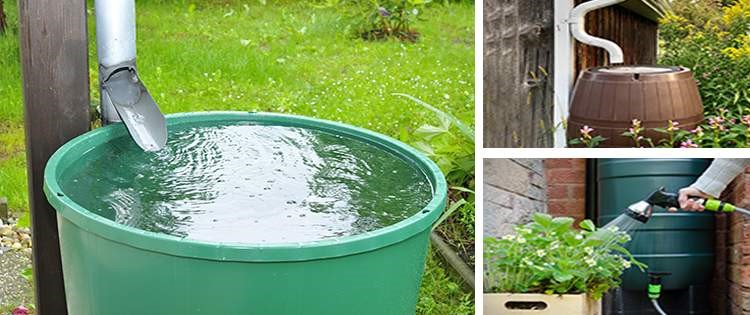
This DIY project is the best way to legally collect rainwater NO MATTER where you live. Get chlorine-free water, cut down on your water bills, and have enough for an emergency situation or to water your garden. Read More Here...
Step 5: Regular Monitoring. Set a calendar reminder to check your yams once a week. Pick them up, feel for soft spots, and look for “eyes” (sprouts). If a sprout appears, you can snap it off to prolong dormancy, but it’s a sign that the yam is reaching the end of its storage life and should be moved to the kitchen soon.
The Benefits of Proper Storage
Why go through all this trouble? For the serious gardener or the bulk buyer, the benefits are both financial and culinary. When yams are stored correctly, they undergo a slight curing of the starches that can actually improve the flavor and texture, making them “mellower” than a freshly dug tuber.
1. Reduced Food Waste: Most people lose 30% of their purchased yams to rot. Proper storage reduces this to almost zero. In a world where food prices are rising, protecting your “root investment” is common sense.
2. Seasonal Independence: Yams are often seasonal. By mastering storage, you can buy or harvest in bulk during the peak season when prices are lowest and quality is highest, then enjoy them throughout the year.
3. Flavor Development: Much like a good wine, certain varieties of yams develop a better sugar-to-starch balance after a few weeks of controlled storage. A “rested” yam often fries better and has a creamier mash.
Challenges and Common Mistakes
The biggest mistake people make is treating yams like potatoes. While they look similar, they are biologically very different. Potatoes are tubers from the nightshade family and prefer much colder storage (around 4°C to 7°C). Yams are monocots and will suffer “chilling injury” at those temperatures.
Another common pitfall is storing yams near “gas-producers” like apples or onions. Apples release ethylene gas as they ripen. This gas is a powerful signal to other plants to either ripen or sprout. If you store your yams in the same pantry as a bowl of ripening apples, your yams will start sprouting within days. Keep your root crops separated by species whenever possible.
I also see many folks cleaning their yams with a damp cloth to make them look “pretty” for the pantry. This is a recipe for disaster. Any moisture trapped in the tiny crevices of the skin will invite Aspergillus or Penicillium molds. If you must have clean yams, wash them only right before you peel and cook them.
Limitations: When This May Not Work
While these methods are highly effective, they are not magic. There are certain situations where long-term storage is simply not feasible. Environmental constraints play a huge role here. If you live in a studio apartment in a tropical city where the ambient temperature never drops below 30°C (86°F), your yams will likely sprout within a month regardless of airflow. Without a temperature-controlled cellar, you cannot stop the biological clock of a tropical plant in its native heat.
Similarly, if your storage area is prone to high humidity (above 80%) without significant wind or fan movement, rot is almost guaranteed. In these cases, it is better to process the yams—peeling, dicing, and blanching them before freezing—rather than trying to keep them whole.
Finally, the variety of yam matters. The “True Yam” (Dioscorea) stores much longer than what Americans often call “yams” (which are actually sweet potatoes, Ipomoea batatas). Sweet potatoes have much thinner skin and are far more prone to shriveling. If you are applying these techniques to sweet potatoes, you must be even more diligent about humidity control.
Comparison: Modern Fridge vs. Ancestral Ventilation
It helps to see the data on why the old ways often trump the new ones for this specific crop. The table below compares the two primary methods used today.
| Feature | Modern Refrigerator | Ventilated “Barn” Method |
|---|---|---|
| Average Temperature | 4°C (40°F) – Too Cold | 13°C-16°C (55°F-60°F) – Ideal |
| Airflow | Stagnant / Recycled | Constant / Fresh |
| Storage Life | 5-10 Days (Internal damage) | 3-6 Months |
| Flavor Impact | Sweetens oddly, turns “woody” | Maintains natural earthy flavor |
| Cost | High (Electricity) | Zero / Very Low |
Practical Tips for Success
Over the years, I’ve picked up a few “pro tips” that can make a big difference in the longevity of your yams. These are the small adjustments that separate the beginners from the experts.
- The “Ash Trick”: In many traditional cultures, wood ash is rubbed onto the cut ends of yams. Ash is alkaline and acts as a natural fungicide. If you have a fireplace, a little dust of clean wood ash on the “head” of the yam can prevent “head rot.”
- Orientation Matters: If possible, store yams in the same orientation they grew—vertically. While not strictly necessary, some old-timers swear that yams stored vertically (head up) sprout later than those laid flat.
- Handle Like Eggs: A yam looks like a sturdy club, but it is actually very easily bruised. A bruise causes internal bleeding of the plant tissues, which quickly turns into a “wet rot” pocket. Always set them down gently; never toss them into a bin.
- Check for “Soft Shoulders”: When inspecting, press gently around the top of the yam near the stem. This is usually where rot starts. If it feels even slightly soft, use it that day.
Advanced Considerations: Sprout Management
For those who want to keep yams for the maximum possible time, you have to deal with the inevitable: sprouting. Around the 4 or 5-month mark, the yam will naturally try to grow. You will see small purple or green buds forming.
If you see a sprout, you have two choices. If you want to keep eating the yam, snap the sprout off immediately with your thumb. This forces the yam to stay in a semi-dormant state. However, the yam is now using its internal energy (sugars and water) to try to grow. The quality will start to degrade. This is the time to prioritize eating these specific tubers.
If you are a gardener, these sprouts are your “seed.” You can cut off the “head” of the yam (the top 2-3 inches or 5-8 cm) with the sprout attached, let the cut end dry and callus for two days, and then plant it back in the soil. The rest of the tuber can still be eaten! This is how you create a continuous cycle of food without ever having to buy new seeds.
Example Scenario: The Harvest Storage
Let’s look at a practical example. Imagine you have just harvested 20kg (about 45 lbs) of White Yams (Dioscorea rotundata) in late autumn. If you leave them in a pile on your porch, they will likely rot within two weeks due to the damp night air.
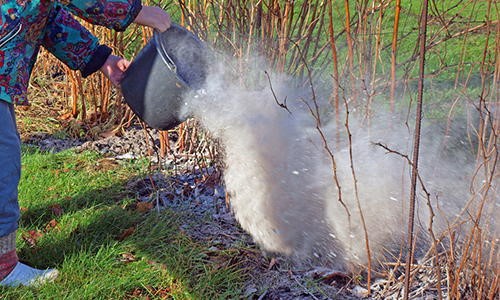
Do you have some charcoal in your house right now? We call charcoal a “miracle leftover” for anyone who wants to be a little more self-sufficient and cut costs. That’s because it can help you with so many different things around the house and garden. You can even use it to make an energy-free fridge. Read More Here...
Instead, you bring them into a garage or shed. You spread them out on a tarp (not touching) for 5 days while the daytime temps are still around 25°C. You notice two yams were nicked by the garden fork; you set those aside for tonight’s dinner. After 5 days, the skins feel dry and tough. You move them to a set of wire pantry shelves in a dark corner of your basement that stays a steady 15°C. You wrap each one loosely in a sheet of newspaper. Four months later, in the middle of winter, you go downstairs and pull out a yam that is as firm and fresh as the day it was dug. That is the power of proper storage.
Final Thoughts
Mastering yam storage is about unlearning the modern habit of refrigerating everything. It requires us to trust in the simple physics of airflow and the natural resilience of the plant itself. By providing a dark, cool, and well-ventilated space, you are simply giving the yam the environment it needs to stay dormant and healthy.
This skill is a cornerstone of food self-sufficiency. Whether you are a backyard gardener looking to preserve your hard work or someone who wants to take advantage of bulk pricing at the ethnic market, these techniques will serve you well. It connects us back to a time when understanding the needs of our food was a vital part of daily life.
Don’t be afraid to experiment. Every home has a different “microclimate.” You might find that your laundry room is too humid, but a guest bedroom closet is perfect. Once you find that sweet spot, you’ll never have to worry about “one-week rot” again. If you’re interested in further expanding your garden skills, you might want to look into improving your soil health or mastering composting to ensure your next yam harvest is even bigger than the last.