
Why your watercress tastes like dirt while others get gourmet flavor. Most people think watercress needs a swamp. It actually needs a current. See how moving water transforms this superfood from a bitter weed into a peppery gourmet treat that thrives on oxygen.
I remember the first time I tried growing watercress. I did what most folks do—I stuck a bunch of cuttings in a tub of still water and figured it’d be happy as a pig in mud. A week later, the water smelled like a blocked drain, the roots were a slimy mess of gray mush, and the leaves tasted more like an old basement than a fresh salad. It was a classic mistake, and it took a few years of watching how the wild stuff grows along the chalk streams back home to realize my error. You see, watercress isn’t just a “wet” plant; it’s a “flow” plant.
In the gardening world, we often talk about soil health and sun exposure, but with watercress (Nasturtium officinale), the conversation starts and ends with water quality. Specifically, it’s about the difference between a stagnant environment and a dynamic one. Moving water carries the lifeblood of this plant—oxygen—directly to the roots while whisking away the metabolic waste that leads to rot and bitter flavors. If you can master the art of the current, you’ll unlock a harvest that’s crisp, spicy, and packed with more vitamins than almost any other green in your garden.
Whether you have a natural stream running through your property or you’re working with a few five-gallon (19-liter) buckets on a patio, the principles remain the same. We’re going to look at how to mimic the cool, bubbling environment of a highland spring right in your own backyard. It’s easier than you think, and once you taste the difference, you’ll never go back to those limp, flavorless sprigs from the grocery store.
Growing Watercress In Moving Water
Growing watercress in moving water is the practice of cultivating this semi-aquatic perennial in an environment where the water is constantly or frequently refreshed. In the wild, watercress is a pioneer of the stream bank. It anchors its roots in the gravelly, nutrient-rich silt of slow-moving rivers and spring-fed ditches. Because the water is always moving, it stays highly oxygenated, which is the “secret sauce” that keeps the plant’s roots white, fibrous, and healthy.
In a real-world garden setting, this doesn’t mean you need a raging river. It simply means providing a system where water enters at one end and exits at the other, or where a pump keeps the water circulating through a filter or over a waterfall. Gardeners use this method to avoid the “swamp effect”—that anaerobic condition where oxygen levels drop, bacteria take over, and the plant begins to suffer from root rot. By keeping the water dynamic, you’re essentially providing a treadmill for the plant’s metabolism, allowing it to grow faster and produce that signature peppery zing without the muddiness of stagnant growth.
Think of it like the difference between sitting in a stuffy room versus standing in a fresh breeze. The plant “breathes” through its roots as much as its leaves. Moving water also helps regulate temperature. Watercress is a cool-season crop that thrives when the water is between 10°C and 15°C (50°F to 60°F). Stagnant water in a pot can quickly heat up under the sun, reaching 30°C (86°F) or more, which causes the plant to bolt, flower, and turn bitter. A moving system, especially one that draws from a larger reservoir or a cool tap, stays much closer to that “Goldilocks” temperature zone.
How Moving Water Systems Work
The mechanics of a moving water system for watercress depend on your scale, but they all serve the same goal: gas exchange. When water moves, it breaks its surface tension, allowing atmospheric oxygen to dissolve into the liquid. This process, known as aeration, is why you see watercress flourishing at the base of small waterfalls or where a stream narrows and speeds up. To replicate this at home, you can use several different techniques depending on your budget and space.
The “Flush and Fill” Method
This is the simplest way for a beginner to get started. You grow your watercress in a container that sits inside a larger basin of water. Instead of letting that water sit for weeks, you simply “flush” it. Every 48 hours, you pour out the old water and refill it with fresh, cool water from your tap or rain barrel. This 48-hour cycle ensures that the oxygen levels never dip low enough to support harmful bacteria. It’s a manual version of a current, and for a small family supply, it works brilliantly.
Gravity-Fed Bog Beds
If you have a slight slope in your garden, you can build a stepped system. Water is introduced at the highest point and trickles down through a series of shallow gravel beds where the watercress is planted. At the bottom, the water can be collected in a pond or allowed to soak into a traditional garden bed. The movement of the water over the gravel and around the plant stems provides excellent aeration. This setup is often called a “flow-through” system and is very common in traditional European watercress farms.
The Recirculating Pump System
For the serious practitioner, a small pond pump is a game-changer. You can set up a grow bed—essentially a long, shallow trough—filled with pea gravel or hydroton (expanded clay pebbles). A pump sits in a reservoir at the end of the trough and pipes water back to the beginning. As the water flows over the roots and through the gravel, it picks up oxygen. You’ll want a flow rate of about 720 liters per hour for every 0.3 meters of bed width (roughly 190 gallons per hour per foot) to keep things moving effectively without washing the plants away.
Practical Benefits of the Moving Water Approach
Choosing a dynamic water system over a stagnant one isn’t just about being fancy; it’s about measurable results in your harvest. The most immediate benefit is safety. Wild watercress or watercress grown in stagnant areas near livestock is a primary host for the liver fluke (Fasciola hepatica), a nasty parasite. By using a controlled, moving water system with clean water (like tap or well water), you virtually eliminate the risk of these parasites and the harmful bacteria that thrive in “dead” water.
Then there’s the growth rate. Because the roots are constantly bathed in oxygen and fresh nutrients, the plant doesn’t have to work as hard to “search” for what it needs. You’ll often see a 30% to 50% faster growth rate in moving water compared to soil-grown or stagnant-water plants. This allows for more frequent “cut and come again” harvesting, where you snip off the top 10 cm to 15 cm (4 to 6 inches) and the plant bounces back within a week or two.
Finally, we have to talk about flavor. The peppery bite of watercress comes from mustard oils (isothiocyanates). In moving water, the plant remains “unstressed” by heat or lack of oxygen, which keeps these oils balanced. In stagnant water, the plant often becomes bitter or develops a swampy, metallic aftertaste. Moving water yields a leaf that is sweet, crisp, and has a clean, spicy finish that clears the sinuses without puckering the mouth.
Challenges and Common Mistakes
Even with a current, things can go wrong if you aren’t paying attention. One of the biggest pitfalls is nutrient depletion. Because moving water is constantly being refreshed or filtered, it can become “too clean.” While watercress isn’t a heavy feeder, it still needs nitrogen and minerals. If you notice the leaves turning a pale yellow or light green, it’s usually a sign that they need a snack. A diluted, liquid seaweed fertilizer or a balanced hydroponic solution added once a week can fix this, but don’t overdo it—too much fertilizer can lead to algae blooms.
Speaking of algae, this is the bane of many watercress growers. Moving water helps, but if the sun hits the water directly, green algae will start to grow on your gravel and roots. It competes for oxygen and can make your harvest look unappetizing. The trick is to keep the water shaded while the leaves get the sun. I often use a layer of dark gravel or even a “cover” for my troughs that only has holes for the plants to poke through. This keeps the water cool and dark, which algae hates.
Another common error is improper flow speed. If the water moves too fast, the roots can’t anchor properly, and the plant spends all its energy just trying to hold on. If it moves too slow, you’re back to a stagnant situation. You want a “gentle ripple,” not a white-water rapid. If you see the plants leaning heavily in the direction of the flow, turn the pump down a notch.
When Moving Water Is Not Ideal
As much as I love a good current, there are times when it’s not the best choice. If you live in a region with extremely high electricity costs and don’t have a solar-powered pump, the cost of running a 24/7 circulation system might outweigh the benefits of the harvest. In those cases, the “Flush and Fill” method is a more practical, low-cost alternative.
Environmental constraints also play a role. If your only water source is heavily chlorinated city water, you’ll need to let it sit out for 24 hours to “off-gas” before putting it into a recirculating system, as the chlorine can burn the delicate root hairs of the watercress. Similarly, if you’re in a very arid climate with high evaporation rates, a moving water system can lose a lot of water to the air. In those situations, growing watercress in very damp, shaded soil—while less “gourmet”—might be the more water-wise choice.
Comparing Methods: Moving vs. Stagnant
To help you decide which setup fits your garden, let’s look at how these two approaches stack up in a typical backyard scenario.
DIY PROJECT: Collect rainwater no matter where you live...
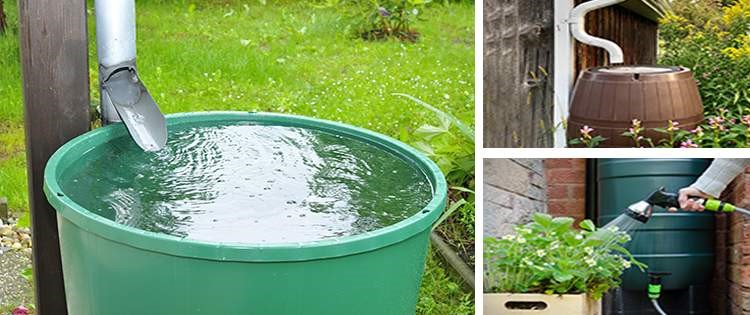
This DIY project is the best way to legally collect rainwater NO MATTER where you live. Get chlorine-free water, cut down on your water bills, and have enough for an emergency situation or to water your garden. Read More Here...
| Feature | Moving Water (Dynamic) | Stagnant Water (Still) |
|---|---|---|
| Root Health | High oxygen; white, healthy roots. | Low oxygen; prone to rot and slime. |
| Flavor Profile | Clean, peppery, crisp. | Bitter, muddy, or “swampy.” |
| Growth Speed | Fast (35-45 days to harvest). | Slower; prone to stalling in heat. |
| Maintenance | Requires pump or manual flushing. | Low effort but high risk of failure. |
| Pest Risk | Lower; avoids mosquito larvae. | High; breeds mosquitoes and bacteria. |
Practical Tips for Success
If you’re ready to set up your own current, here are a few “neighborly” tips I’ve picked up over the years. First, start with supermarket cuttings. You don’t always need to buy seeds. Grab a bunch of organic watercress from the store, look for sprigs with tiny white “hairs” along the stem (those are aerial roots), and stick them in a glass of water. Within three days, they’ll have a full root system ready for your moving water setup.
Second, monitor your pH. Watercress loves a slightly alkaline environment, ideally between 6.5 and 7.5. If your water is very soft or acidic, the plant will struggle to take up calcium. Adding a handful of crushed limestone or oyster shells to your gravel bed can act as a natural buffer, keeping the pH right where the plant likes it. This is why it grows so well in “chalk streams”—the water is naturally rich in calcium carbonate.
Third, harvest frequently. Watercress is a “use it or lose it” kind of plant. Once it reaches about 15 cm to 20 cm (6 to 8 inches) in height, snip it back. This encourages the plant to branch out and become bushier. If you let it grow too long, the stems become hollow and tough, and the plant will put all its energy into making those little white flowers. Once it flowers, the leaves lose their prime flavor, so keep those shears busy!
Advanced Considerations: Seasonal Shifts
Serious practitioners know that watercress behaves differently as the seasons change. In the winter, the “moving water” approach gives you a massive advantage. Because moving water is less likely to freeze solid than still water, you can often harvest watercress right through a light frost. In colder climates, I’ve seen folks use a small aquarium heater in their reservoir to keep the water at a steady 7°C (45°F), allowing them to pick fresh greens even when there’s snow on the ground.
In the summer, the challenge is the opposite. As temperatures rise above 25°C (77°F), the oxygen-carrying capacity of water drops significantly. This is when your pump needs to be working its hardest. I often add an “air stone” (the kind used in fish tanks) to my reservoir during July and August. This adds extra bubbles and ensures the roots don’t suffocate in the summer heat. If the water gets too hot, the plant will “bolt”—meaning it sends up a thick central stalk and prepares to seed. To prevent this, give your watercress some afternoon shade during the hottest months.
Example Scenario: The Backyard Trough
Let’s look at how this works in a real setup. Imagine a gardener named Sarah who wants a constant supply of watercress. She buys a 115-liter (30-gallon) galvanized stock tank and places it on her patio. She puts a smaller, shallow plastic trough inside it, filled with 5 cm (2 inches) of clean river gravel.
Sarah uses a small, 10-watt solar pump to lift water from the bottom tank and trickle it into the top trough. The water flows over her watercress roots, then spills back into the main tank through a small notch she cut in the plastic. Every Saturday, she tops off the water lost to evaporation and adds a teaspoon of liquid kelp. Because the water is constantly moving and oxygenating, she harvests enough for three large salads a week from just 0.5 square meters (about 5 square feet) of space. Her watercress is bright green, intensely peppery, and completely free of the grit and bitterness she used to find in the wild stuff.
Final Thoughts
Mastering the current is the single most important step in moving from a casual watercress grower to a master of the craft. By understanding that this plant craves oxygen as much as it craves water, you move away from the “swamp” mindset and toward a cleaner, more efficient way of gardening. Moving water provides the safety, speed, and flavor that simply can’t be matched by traditional soil or stagnant pot culture.
Whether you choose a high-tech aquaponic setup or a simple manual “flush and fill” routine, the results will speak for themselves in your first harvest. Don’t be afraid to experiment with your flow rates and shading. Gardening is a conversation between you and the environment, and watercress is a particularly vocal partner. If the leaves are crisp and the bite is sharp, you’ll know you’ve got the current just right.
If you enjoyed this deep dive into aquatic gardening, you might want to look into other water-loving practices like building a rain garden or exploring the world of pond-based companion planting. There is a whole world of “wet” horticulture out there waiting to be explored, and watercress is the perfect place to start.