
The hidden reason why store-bought watermelons taste like crunchy water compared to garden varieties. You have been conditioned to think watermelons are just pink water. One bite of a sun-ripened, sugar-packed heirloom from your own backyard will ruin supermarket fruit for you forever. Stop being a consumer and start producing real flavor.
Most people have forgotten what a real watermelon actually tastes like. We have grown used to those pale, mealy spheres that sit under fluorescent lights for weeks. Those commercial melons are bred for one thing: survival. They need to withstand thousands of miles in a refrigerated truck and still look “pretty” on a shelf. In that pursuit of durability, the industry sacrificed the very thing that makes a watermelon worth eating—the soul of its flavor.
Growing your own fruit isn’t just a hobby; it is an act of rebellion against a food system that prioritizes logistics over nutrition. When you pull a melon off your own vine, you are harvesting a biological masterpiece of sugars, minerals, and antioxidants that the grocery aisle simply cannot provide. This guide will walk you through the process of reclaiming that flavor from the ground up.
Growing Nutrient Dense Watermelons
Nutrient density is a term we use to describe the concentration of vitamins, minerals, and phytonutrients within a piece of produce. In the world of watermelons, this directly translates to flavor and sweetness. A melon that is “watery” is often one that grew too fast in depleted soil, lacking the complex mineral profile required to build sugars and aromatic compounds.
This process exists at the intersection of soil biology and plant genetics. To produce a truly superior fruit, you must look beyond just NPK (Nitrogen, Phosphorus, Potassium) and consider the trace elements that act as the building blocks for flavor. Real-world gardening is about creating a “living soil” where microbes can unlock these minerals for the plant to consume at its own pace.
Imagine your soil as a kitchen. If the pantry only has flour and water, the bread will be bland. If the pantry is stocked with salt, yeast, butter, and honey, the result is transformed. Nutrient-dense watermelons require a “stocked pantry” of calcium, boron, magnesium, and sulfur to achieve that legendary backyard taste.
The Science of Sweetness: How It Works
Sugar production in a watermelon is not an accident; it is the result of efficient photosynthesis and proper nutrient transport. The primary metric for measuring this is the Brix scale. Brix measures the percentage of dissolved solids—mostly sugar—in the fruit’s juice. A supermarket melon might clock in at a 7 or 8 on the Brix scale, while a well-grown garden heirloom can easily reach 12 or 14.
The process starts in the leaves. The broad, deeply lobed leaves of the watermelon vine are solar panels. They capture sunlight to convert carbon dioxide and water into glucose. This glucose is then transported down the vine and into the developing fruit. However, the plant cannot do this effectively if it is missing key mineral “couriers.”
- Potassium (K): This mineral acts like the plant’s internal plumbing regulator. It is responsible for moving those manufactured sugars from the leaves into the fruit. Without enough potassium, the fruit may grow large, but it will remain bland.
- Boron (B): This is a trace element that is often overlooked. Boron is essential for sugar translocation and helps the plant utilize calcium. Think of it as the traffic controller for sweetness.
- Calcium (Ca): While calcium is often associated with the strength of the rind, it also plays a role in the crispness of the flesh. A calcium-deficient melon often becomes mealy or develops “hollow heart.”
Avoiding the “crunchy water” syndrome requires a steady supply of these minerals throughout the growing season. High nitrogen levels early on will give you massive vines, but if you don’t taper that nitrogen and increase potassium and boron as the fruit sets, you will end up with all greens and no sweetness.
Benefits of the Backyard Vine
Choosing to grow your own watermelons offers practical advantages that go far beyond just saving a few dollars at the checkout counter. The primary benefit is the absolute control you have over the ripening process. A watermelon does not continue to develop sugar once it is severed from the vine. Commercial growers must pick their melons under-ripe to ensure they don’t turn to mush during shipping.
When you grow your own, you can wait for that precise moment of peak maturity. This allows the fruit to reach its maximum potential of lycopene—the antioxidant responsible for the red color and heart-health benefits. Research has shown that vine-ripened melons can have significantly higher levels of Vitamin C and beta-carotene compared to those picked early for commercial transport.
There is also the matter of variety. The “Grocery Aisle” typically offers one or two types of hybrid melons. The “Backyard Vine” gives you access to thousands of years of human history through heirloom seeds. You can grow yellow-fleshed melons that taste like honey, or white-fleshed “Cream of Saskatchewan” varieties that have a delicate, creamy texture impossible to find in a store.
Challenges and Common Pitfalls
Watermelons are not “set it and forget it” crops. They are heavy feeders with specific environmental demands. One of the most common mistakes is planting too early. Watermelons are tropical plants at heart; they despise cold soil. Planting when the soil is below 18°C (65°F) will stunt the plant’s growth for the entire season, even if the weather warms up later.
Another pitfall is inconsistent watering. A watermelon is, as the name suggests, mostly water. If the soil dries out completely and then gets hit with a heavy rain or a massive watering, the sudden internal pressure can cause the fruit to split open. You want to maintain a steady, deep moisture level during the first two-thirds of the growing season.
Poor pollination is a third hurdle. Each vine produces separate male and female flowers. If your garden lacks bees or other pollinators, the female flowers will simply shrivel and drop off without ever forming a fruit. Many beginners see their vines flowering and wonder why no melons are appearing; usually, it is because the “matchmakers” aren’t doing their job.
Environmental Factors and Garden Conditions
To grow a champion melon, you need to understand the “Big Three”: Sun, Space, and Heat. Watermelons require a minimum of 8 to 10 hours of direct sunlight every day. Without this energy, the plant cannot manufacture the sugars needed for high-Brix fruit. If your garden is shaded for part of the day, you may need to look at “icebox” varieties that mature faster and require less total solar energy.
Space is the second consideration. A single watermelon vine can easily crawl 3 to 5 meters (10 to 15 feet) in a single direction. If you crowd them, they will compete for nutrients and air circulation, leading to disease. If you are limited on space, you can train vines to grow vertically on a heavy-duty trellis, but you must support the heavy fruit with “slings” made from old t-shirts or mesh netting.
The soil itself should be a sandy loam. Heavy clay soils are difficult for watermelons because they stay too cold and hold too much water, which can rot the roots. If you have clay, build “hills” or raised mounds about 30 cm (12 inches) high. This allows the soil to warm up faster in the spring and ensures that the “crown” of the plant stays dry during heavy rains.
Comparative Overview: Garden vs. Store
| Feature | Supermarket Watermelon | Backyard Garden Watermelon |
|---|---|---|
| Sugar Content (Brix) | Typically 7° – 9° | Typically 11° – 14° |
| Harvest Timing | Picked under-ripe for shipping | Harvested at peak vine-ripeness |
| Genetic Variety | Limited to tough-rind hybrids | Heirlooms, yellow/orange/white flesh |
| Nutrient Density | Lower (due to early harvest) | Higher (maximized vitamins/minerals) |
| Flavor Profile | Uniformly sweet-ish, watery | Complex, floral, honey-like notes |
Practical Tips for Maximum Flavor
If you want to move from “growing watermelons” to “growing the best watermelon in the county,” you need to apply these field-tested strategies. These are the adjustments that separate the casual gardener from the serious producer.
- Warm the Soil: Use black plastic mulch or dark landscape fabric over your planting mounds two weeks before you plan to plant. This can raise soil temperatures by several degrees, giving the plants a massive head start.
- The Water Cut-Off: About 10 to 14 days before you expect to harvest, stop watering entirely. This “stresses” the plant and causes it to concentrate the remaining sugars in the fruit rather than using energy to pump in more water. This is the secret to that “candy-like” sweetness.
- Boric Acid/Boron Spray: If your melons are consistently bland, try a very dilute foliar spray of boron (often found in products like Solubor) during the flowering stage. This assists with fruit set and sugar movement.
- Mulching: Use a thick layer of straw or wood chips around the base of the plant once the soil has warmed up. This keeps the fruit off the damp earth, preventing rot and discouraging pests like wireworms.
Advanced Considerations: Soil Remediation
Serious practitioners know that the flavor of this year’s crop was actually determined last autumn. Watermelons are “scavengers” of nutrients. They will pull every bit of goodness they can find. To maintain high nutrient density year after year, you must practice crop rotation and soil remediation.
DIY PROJECT: Collect rainwater no matter where you live...
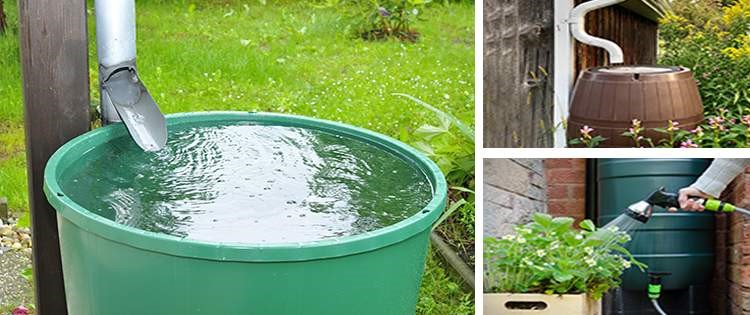
This DIY project is the best way to legally collect rainwater NO MATTER where you live. Get chlorine-free water, cut down on your water bills, and have enough for an emergency situation or to water your garden. Read More Here...
Never plant watermelons in the same spot twice in a row. They are susceptible to soil-borne diseases like Fusarium wilt which can linger in the ground for years. A four-year rotation cycle is ideal. In the “off” years, plant cover crops like clover or vetch to fix nitrogen, and add plenty of high-quality compost to replenish the organic matter.
Consider a soil test specifically looking for trace minerals. While standard tests look at Nitrogen, Phosphorus, and Potassium, a “complete” test will tell you your levels of Zinc, Manganese, and Copper. These micronutrients act as catalysts for the enzymes that produce the complex aromatic volatiles—those subtle floral and spicy notes—that make heirloom watermelons so much more interesting than store-bought ones.
Real-World Scenario: The “Sugar Baby” Success
Let’s look at how this applies in a typical backyard setting. A gardener in a region with a shorter summer decides to grow the “Sugar Baby” variety. This is an “icebox” melon, meaning it stays small—around 3 to 5 kg (7 to 11 lbs)—and matures quickly in about 75 days.
The gardener starts by digging a hole about 60 cm (2 feet) deep and filling it with a mix of aged cow manure and finished compost. This creates a “fertility bomb” beneath the plant. They plant three seeds in a mound and, once they are 10 cm (4 inches) tall, they thin them to the strongest single plant. They use a drip irrigation system to keep the soil consistently moist but never soggy.
When the first female flowers appear (the ones with the tiny melon at the base), the gardener notices a lack of bees. They take a male flower, strip the petals, and manually rub the pollen onto the center of the female flower. Two weeks later, they have three developing melons. By following the “water cut-off” rule in the final week, they harvest a melon that is so sweet it leaves a sticky residue on the knife—a far cry from the “crunchy water” at the local supermarket.
Managing Pests and Disease Organically
The biggest threat to your nutrient-dense harvest is the Striped Cucumber Beetle. These small yellow-and-black pests don’t just eat the leaves; they carry Bacterial Wilt, a death sentence for watermelon vines. The best defense is a physical barrier. Use floating row covers over your young plants until they start to flower. Once the flowers appear, you must remove the covers to allow for pollination.
Powdery Mildew is another common issue, especially in humid climates. It looks like someone dusted your leaves with flour. You can manage this by ensuring proper spacing (don’t crowd the vines!) and by spraying a mixture of one part milk to nine parts water on the leaves in the early morning. The proteins in the milk act as a natural fungicide.
Aphids can sometimes congregate on the undersides of leaves, sucking the life out of the plant and stunting fruit growth. Instead of reaching for heavy chemicals, a sharp blast of water from a garden hose can often dislodge them. Encouraging ladybugs and lacewings in your garden provides a permanent, biological security force that keeps aphid populations in check.
How to Identify a Ripe Watermelon
The greatest tragedy in gardening is picking a watermelon too early. Since they don’t ripen off the vine, an early pick is a permanent mistake. Forget the “thumping” method; it is subjective and often misleading. Instead, look for these three scientific indicators of ripeness:
- The Tendril: Locate the point where the fruit’s stem attaches to the main vine. Right next to it, there will be a small, curly-cue tendril. When this tendril turns completely brown and brittle (dead), the melon is likely ready.
- The Field Spot: Carefully roll the melon over. The spot where it has been resting on the ground should be a creamy, buttery yellow. If it is white or pale green, it is not ready.
- The Rind Sheen: A ripening watermelon will transition from a bright, shiny green to a duller, matte finish. The skin also becomes harder; if you can easily indent the rind with your thumbnail, it needs more time.
Final Thoughts
Taking the leap from being a consumer of produce to a producer of flavor is one of the most rewarding shifts a person can make. Watermelons are the perfect “gateway” crop for this transition because the difference between the commercial version and the home-grown version is so staggeringly obvious. You aren’t just growing food; you are growing an experience that ties you to the seasons and the soil.
Start small if you have to, but start with intention. Focus on the health of your soil, choose a variety that excites your palate, and respect the plant’s need for heat and consistent care. The reward is a fruit that is heavy with more than just water—it is heavy with the minerals and sugars that define the true taste of summer.
Once you have mastered the basics of the watermelon vine, you might find yourself looking at the rest of your garden with fresh eyes. The principles of soil health, mineral balance, and patience apply to everything from heirloom tomatoes to crisp garden greens. Each step you take toward nutrient density is a step toward a more flavorful, healthier life.