Why are you still breaking your back for a root vegetable that prefers soft, undisturbed earth? Most gardeners think they need to till the earth into submission to grow root crops. But the pros know that mimicry of nature—using mulch and strategic no-dig methods—yields larger, more uniform turnips with 90% less physical labor. Your back will thank you, and your soil microbes will too.
I’ve spent the better part of forty years with my hands in the dirt, and if there is one thing I’ve learned, it’s that the soil is a living, breathing community. For a long time, I was the fellow you’d see out there every spring, wrestling with a heavy rototiller and wondering why the weeds grew back twice as thick two weeks later. It took me a while to realize that every time I turned that soil, I was destroying the very homes the earthworms and fungi had spent all winter building.
Now, I look at my turnip patch and see a different story. Instead of 4 hours of digging, I spend about 10 minutes mulching. The turnips don’t mind the lack of “fluffing”—in fact, they thrive in the firm, nutrient-dense environment of a no-dig bed. Whether you’re looking to grow the sweet, crunchy Japanese salad turnips or the classic purple-topped storage varieties, the path to a better harvest starts by putting down the spade and picking up a bag of compost or a bale of straw.
No-dig Turnip Gardening Methods
No-dig turnip gardening is a method where you create nutrient-rich layers on top of the existing soil instead of digging or tilling it. This approach is based on minimizing soil disturbance to maintain the delicate soil structure and health that plants need to thrive. By layering compost, manure, straw, or other organic mulches directly onto the surface, you are essentially mimicking the way a forest floor works, where leaves and debris decay in place to feed the life below.
In the real world, this means your garden stays “closed.” When you till, you open the soil to the air and sun, which dries out the moisture and kills the beneficial fungi that help turnip roots absorb minerals. In a no-dig system, these fungal networks—often called mycorrhizae—remain intact. They act like an extension of the plant’s root system, reaching out to grab water and nutrients that the turnip couldn’t find on its own.
Gardeners use these methods in various ways depending on their local climate and resources. Some follow the Charles Dowding approach, which relies heavily on a 5 cm to 10 cm (2 to 4 inch) layer of well-rotted compost as both the mulch and the growing medium. Others might lean toward the Ruth Stout method, using thick layers of “spoiled” hay to keep the ground cool and moist—ideal for turnips, which tend to get woody and bitter if the soil gets too hot or dry.
Think of your soil like a skyscraper. Tilling is like a giant earthquake that levels the building every year. The inhabitants (the microbes and worms) have to spend all their energy rebuilding from scratch. No-dig gardening is more like adding a new floor to the top of the building every season. The structure stays sound, the “plumbing” of worm tunnels remains open, and your turnips can simply move in and start growing.
How to Grow Turnips Without Digging
To get started with no-dig turnips, you don’t need a fancy setup. You just need to follow a few simple steps to prepare the surface and get your seeds or starts into the ground with as little fuss as possible. If you are starting on a fresh patch of grass or weeds, you’ll want to lay down a layer of plain, brown cardboard first to smother the existing vegetation. Overlap the edges by at least 15 cm (6 inches) so the weeds don’t find a way through the cracks.
Once your base is set, follow these steps for a successful crop:
- Apply the Growing Medium: Spread a layer of high-quality, weed-free compost over the cardboard or existing soil. For turnips, I recommend a depth of about 10 cm to 15 cm (4 to 6 inches). This gives the roots enough soft material to expand into without hitting resistance.
- Direct Sowing: You can sow turnip seeds directly into the compost. Use your finger to make a shallow depression about 1 cm (0.5 inches) deep. Space the seeds about 2.5 cm (1 inch) apart initially.
- The Multi-Sow Technique: This is a pro secret. Instead of one seed, sow 4 or 5 seeds in a small clump. As they grow, you can harvest the largest “baby” turnips from the group, leaving the others to size up. This saves space and gives you a continuous harvest.
- Watering In: Turnips are mostly water, so they need consistent moisture to stay sweet. Water the bed immediately after planting. The mulch or compost layer will help hold that moisture in, but you should still check the soil every few days.
If you prefer to get a head start, turnips actually transplant quite well if you use modular trays. I often sow mine in the greenhouse 4 weeks before I want them in the garden. When transplanting into a no-dig bed, use a small hand dibber to make a hole just big enough for the root ball. This keeps the surrounding soil firm, which many brassicas actually prefer for stability.
Maintaining Proper Spacing
Spacing is where many beginners go wrong. If you want large, tennis-ball-sized turnips for storage, you need to space your final plants at least 15 cm to 20 cm (6 to 8 inches) apart. For the smaller “salad” turnips like the Hakurei or Tokyo Cross varieties, you can get away with a tighter spacing of 10 cm (4 inches). Crowding usually leads to lots of leaves but very spindly, disappointing roots.
The Practical Benefits of Mulching Turnips
The biggest benefit of this method is the one you’ll feel in your lower back. By not digging, you aren’t bringing dormant weed seeds to the surface. In a traditional tilled garden, you might spend hours every week hoeing. In a well-mulched no-dig bed, the few weeds that do appear are usually “wind-blown” and sit loosely in the compost, making them easy to pluck out with two fingers while you’re walking by.
Another measurable advantage is water conservation. A thick layer of organic mulch acts like a lid on a pot, preventing evaporation. In my experience, I water my no-dig beds about 50% less often than I used to water my tilled rows. This is especially vital for turnips because if they experience a “dry spell,” the roots often develop a tough, woody skin and a sharp, peppery bite that isn’t very pleasant in a stew.
Furthermore, the yield is often higher. Trials have shown that no-dig beds can produce up to 10-12% more produce by weight compared to dug beds using the same amount of compost. This is because the plants have immediate access to a stable environment. They don’t have to wait for the soil to “settle” or for the microbial life to return after a tilling disruption.
Common Challenges and How to Avoid Them
No method is without its hiccups, and with turnips, the two biggest headaches are usually slugs and pests. Mulch, particularly hay or straw, can provide a cozy home for slugs during the day. If you live in a very wet climate, you might find that a thick hay mulch leads to your young turnip seedlings being eaten overnight.
To avoid this, you can use a “compost-only” mulch for the first few weeks. Slugs don’t like traveling over the dry, crumbly surface of compost as much as they like hiding under damp straw. Once the plants are bigger and tougher, you can add the heavier mulch around them. Another trick is to keep the mulch a few centimeters away from the actual stem of the turnip to prevent rot and keep the slugs at a distance.
Flea beetles are another common foe. These tiny black insects jump like fleas and chew hundreds of small holes in the leaves. While they rarely kill a mature plant, they can stunt a seedling. The best organic solution is to use a floating row cover or fine garden mesh. Since you aren’t tilling, you can easily set up permanent hoops over your no-dig beds to keep these pests out from day one.
Limitations of No-Dig Turnip Growing
While I’m a firm believer in the no-dig way, it’s only fair to mention when it might struggle. If you have extremely heavy, compacted clay that hasn’t seen a worm in years, a simple layer of mulch on top might not be enough for the first season. You might need to use a broadfork to gently crack the ground and let some air in without actually turning the soil over.
Rocky soil can also be a challenge. If your ground is full of large stones, your turnips might grow into some pretty strange shapes as they try to push around the rocks. In these cases, building a raised no-dig bed—essentially a taller “lasagna” of organic matter—is often better than trying to plant at ground level.
Comparing Tilling vs. No-Dig Mulching
It’s helpful to see the differences laid out clearly. Most people stick to what they know, but once you see the efficiency of mulching, it’s hard to go back.
DIY PROJECT: Collect rainwater no matter where you live...
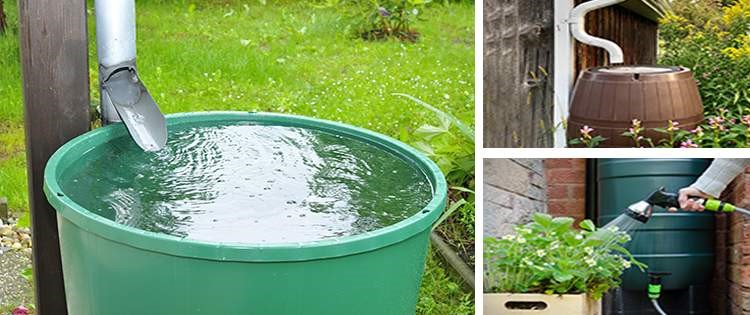
This DIY project is the best way to legally collect rainwater NO MATTER where you live. Get chlorine-free water, cut down on your water bills, and have enough for an emergency situation or to water your garden. Read More Here...
| Factor | Traditional Tilling | No-Dig Mulching |
|---|---|---|
| Physical Labor | High (Digging/Hoeing) | Low (Layering) |
| Weed Pressure | High (Seeds brought to surface) | Minimal (Smothered) |
| Soil Health | Disrupted Fungal Networks | Protected Ecosystem |
| Water Retention | Poor (Exposed soil dries fast) | Excellent (Mulch lid) |
| Initial Cost | Low (just tools) | Variable (cost of mulch/compost) |
Best Practices for a Bountiful Harvest
If you want to truly master the no-dig turnip, you have to think about timing. Turnips are cool-weather lovers. In most regions, you’ll get your best results by planting in the early spring (about 2-3 weeks before the last frost) or in the late summer for a fall harvest. A light frost actually makes the roots sweeter as the plant converts starches into sugars to protect itself from freezing.
When it comes to feeding, turnips don’t need much if your compost is good. However, avoid high-nitrogen fertilizers. If you give them too much nitrogen, you’ll have the most beautiful, lush green leaves in the neighborhood, but the roots will stay the size of marbles. A balanced, slow-release organic fertilizer or just a good layer of aged manure is usually plenty.
Keep a close eye on the “shoulders” of the turnips. As they grow, they will often pop up out of the soil. This is perfectly normal. In a no-dig bed, the compost stays loose enough that the roots can expand upward and outward without resistance. If you’re worried about them getting “sunburned” or tough, you can just pull a little extra mulch around the base of the plant.
Advanced Considerations: Mycorrhizal Fungi and Soil Structure
For the gardener who wants to go deep, the real magic of no-dig is the soil food web. When you stop tilling, you allow the glomalin—a “soil glue” produced by fungi—to build up. This glue creates tiny aggregates in the soil, making it both porous and stable. This is why no-dig beds don’t get as compacted as you might think; the structure is held together by biological activity rather than mechanical fluffing.
You might also consider intercropping. Because no-dig turnips grow so fast (some varieties are ready in just 35-40 days), they make excellent “catch crops.” I often plant them in the spaces between slower-growing vegetables like parsnips or kale. By the time the larger plants need the space, the turnips are harvested and gone, and the soil hasn’t been disturbed once.
A Real-World Example: The “Two-Bed” Experiment
Imagine you have two identical 1.2 m by 3 m (4 ft by 10 ft) garden beds. In the first bed, you till the soil and plant your turnips in traditional rows. In the second bed, you lay down cardboard and 10 cm (4 inches) of compost. Over the course of the season, you’ll likely find that the tilled bed requires watering every 2 days during a heatwave, while the no-dig bed holds out for 4 or 5 days. At harvest time, the no-dig turnips will likely be more uniform in size because they didn’t have to fight against “clods” of hard earth that tilling often creates.
I remember a neighbor who tried this. He was skeptical, thinking the turnips wouldn’t be able to “push through” the firm soil. To his surprise, the turnips in the no-dig bed were not only larger but much cleaner. Since they grow in the mulch or compost layer, they don’t get caked in heavy mud, making the kitchen prep much easier.
Final Thoughts
Growing turnips doesn’t have to be a chore that leaves you reaching for the heating pad at the end of the day. By embracing a no-dig approach and using mulch to your advantage, you’re working with the natural tendencies of the earth rather than fighting against them. The result is a garden that is more resilient, more productive, and significantly more enjoyable to manage.
I encourage you to start small. Try just one bed this season. Experience the difference in soil texture and weed growth for yourself. Once you see those bright purple shoulders peeking out from a bed of clean straw or rich compost, and you realize you haven’t picked up a hoe in weeks, you’ll never want to go back to the old way of doing things. Gardening is about the joy of the harvest, not the struggle of the labor.
If you find success here, you might want to look into other no-dig favorites like potatoes or carrots. The principles are much the same, and the rewards are just as sweet. Happy gardening, and may your turnips always be crisp and your soil always be full of life.