If you are checking on your Dracaena every day, you are likely the very thing that is killing it. Dracaenas are the survivalists of the plant world, evolved to endure months of drought. When you mist them or keep the soil damp, you’re creating a fragile system that invites rot. The ‘Pro’ secret? Forget they exist for three weeks. This ‘Strategic Neglect’ forces the plant to build a fortress-like root system and rigid, indestructible foliage.
I have spent decades leaning over garden fences and swapping stories with fellow growers, and if there is one lesson that sticks, it is that most indoor plants don’t die of thirst—they drown in kindness. Dracaenas are native to the tropical regions of Africa, Asia, and even parts of Central America, where they have learned to manage their own water resources with remarkable efficiency. They aren’t just decorative items; they are masterpieces of biological engineering designed to thrive when the environment gets tough.
In my years of working the soil, I have seen these plants withstand everything from dry office air to forgotten corners of a porch. The key is understanding that they don’t want a parent; they want a partner who respects their boundaries. When we step back and let the soil go bone-dry, we are actually encouraging the plant to reach out and establish a deeper connection with its environment.
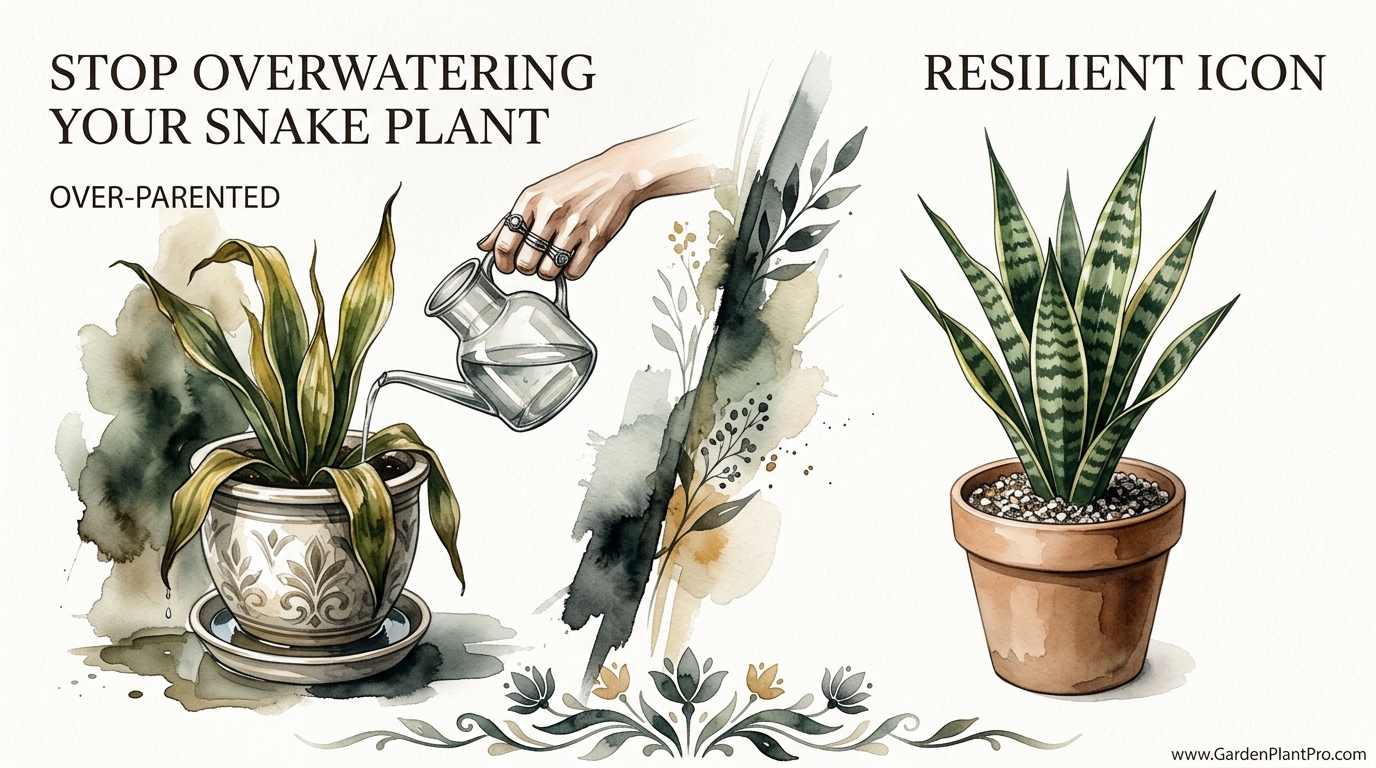
Stop Overwatering Your Snake Plant
The plant we all know as the Snake Plant was recently reclassified by botanists from the genus Sansevieria into Dracaena. It is now technically known as Dracaena trifasciata, though most of us still use the old name out of habit. This change matters because it highlights just how closely related these upright survivors are to the taller, trunked Dragon Trees. They share the same fundamental biology: a desperate need for oxygen at the roots and a built-in storage tank for water.
Overwatering is the single most common reason a Snake Plant fails. In its native West African habitat, it often goes for long stretches without a drop of rain. When you pour water into that pot every Saturday morning regardless of whether the plant needs it, the soil stays saturated, cutting off the air supply to the roots. Roots without air quickly become mushy and black, a condition we call root rot.
To truly care for this plant, you have to embrace a “less is more” philosophy. I always tell my neighbors to wait until the soil is completely dry from the top all the way to the bottom of the pot. In a typical home, this might mean watering once every 4 to 6 weeks in the winter, and perhaps every 2 to 3 weeks during the warmer months. If you are unsure, just wait another week. The plant will not hold it against you.
Think of the Snake Plant like a succulent. It stores water in its thick, leathery leaves. This storage capacity allows it to survive in low-light corners where other plants would wither. In real-world situations, like a dark hallway or a basement office, the plant’s metabolism slows down so much that it hardly uses any water at all. In those spots, overwatering isn’t just a mistake; it’s a death sentence.
The Science of Strategic Neglect
You might wonder how a plant actually gets stronger by being ignored. It comes down to a process I like to call “root hunting.” When the soil dries out, the roots don’t just sit there. They grow outward and downward, searching for the last remaining molecules of moisture. This creates a dense, expansive root system that anchors the plant and makes it much more resilient to future stress.
Inside the stem of a Dracaena, there is a fascinating mechanism called hydraulic capacitance. This is essentially the plant’s ability to store water in its tissues and release it slowly when the external environment is dry. Researchers have found that species like Dracaena marginata have stems that function much like a baobab or a cactus. They are loaded with starchy carbohydrates that bind to water, holding it tight against the heat of the day.
When we practice strategic neglect, we are allowing these internal systems to engage. A plant that is constantly pampered never has to use its storage tissues. It becomes “soft” and more susceptible to pests and temperature swings. By withholding water until it is truly needed, you are hardening the plant off, making it a “Resilient Icon” rather than a coddled, fragile specimen.
Meet the Dracaena Family
There is a Dracaena for almost every corner of your home, and each one brings its own flavor of architectural beauty. Over the years, I have grown nearly all of them, and while their look varies, their core needs remain surprisingly similar.
The Madagascar Dragon Tree (Dracaena marginata)
This is the classic “Dracaena” most people recognize. It features slender, woody trunks topped with tufts of sword-like leaves. The most common variety has green leaves with thin red edges, but you can also find the ‘Tricolor’ which adds a splash of cream. These can grow quite tall, reaching 6 to 10 feet (1.8 to 3 meters) indoors, though they are slow growers.
The Corn Plant (Dracaena fragrans)
Despite the name, it has nothing to do with the vegetable. It gets its name because its wide, arching leaves look remarkably like a stalk of corn. Often sold as thick, “mass cane” trunks, these are incredibly sturdy. They are particularly good at handling low-light situations, making them a favorite for office buildings.
Song of India (Dracaena reflexa)
This one is a bit more ornamental, with shorter, spiraling leaves that are often variegated with bright yellow or lime green. It tends to be a bit more shrub-like and can be pruned into various shapes. I find the Song of India likes just a touch more light than its cousins to keep those colors vibrant.
Janet Craig (Dracaena deremensis)
If you have a dark corner that needs life, ‘Janet Craig’ is your best bet. It has solid, dark green leaves that are very efficient at photosynthesizing in low light. It is one of the toughest plants in the genus and can handle the most “neglect” of all.
Environmental Factors and Climate Considerations
While these plants are tough, they aren’t immortal. They have a few non-negotiable requirements that stem from their tropical heritage. Understanding your home’s microclimate is the first step toward successful long-term care.
Light Levels: Dracaenas prefer bright, indirect light. Think of the dappled sunlight you would find under a forest canopy. While many species can tolerate low light, they won’t grow much, and their colors may fade. Conversely, direct, harsh afternoon sun through a south-facing window can scorch the leaves, leaving permanent brown patches. A spot about 3 to 5 feet (1 to 1.5 meters) away from a window is usually perfect.
Temperature Ranges: These plants are happiest when the temperature stays between 65°F and 75°F (18°C to 24°C). They can handle higher temperatures if the humidity is adequate, but they really struggle when things drop below 50°F (10°C). If you live in a region with cold winters, keep them away from drafty windows or doors where a sudden blast of arctic air could shock them.
Humidity: In their native habitats, humidity is often quite high. Most modern homes have very dry air, especially when the heater is running in the winter. While Dracaenas are adaptable, very low humidity can cause the tips of the leaves to turn brown and crispy. I don’t recommend misting—it doesn’t raise humidity for long and can encourage fungal issues. Instead, grouping plants together or using a tray of pebbles with a bit of water (ensure the pot isn’t sitting in the water) works much better.
DIY PROJECT: Collect rainwater no matter where you live...
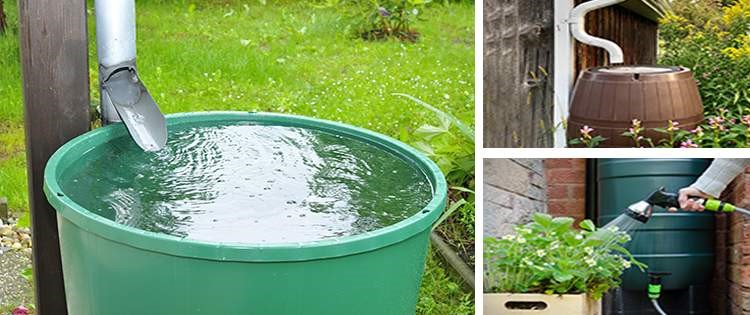
This DIY project is the best way to legally collect rainwater NO MATTER where you live. Get chlorine-free water, cut down on your water bills, and have enough for an emergency situation or to water your garden. Read More Here...
The Perfect Potting Mix
The soil is the foundation of everything. For a Dracaena, the goal of the soil is to provide stability and then get out of the way. You want a mix that holds just enough moisture to keep the plant hydrated but allows all the excess water to drain away instantly.
I usually mix my own soil using a simple 3-2-1 ratio:
- 3 parts high-quality potting soil: This provides the basic structure and some initial nutrients.
- 2 parts perlite or pumice: These are essential for aeration. They create the “air pockets” that keep the roots breathing.
- 1 part coarse sand or orchid bark: This adds weight and further improves the drainage rate.
Avoid “heavy” soils that contain a lot of peat moss without any drainage amendments. Peat can become compacted over time, eventually acting like a sponge that stays wet for weeks. If you are using a store-bought mix, always check to see if it feels light and “fluffy.” If it feels like heavy mud when wet, add some perlite before you pot your plant.
Watering Wisdom: The Finger Test
Forget about watering on a schedule. Your house’s temperature, the season, and the amount of light the plant gets all change how much water it uses. Instead of a calendar, use your senses.
The “Finger Test” is the gold standard for gardeners. Stick your finger into the soil up to the second knuckle—about 2 inches (5 cm) deep. If you feel even a hint of moisture, walk away. If the soil feels dry and crumbly, it might be time to water. For larger pots, you may want to use a wooden skewer or a moisture meter to check the bottom half of the pot. Dracaenas like the top 50% to 75% of their soil to dry out before getting another drink.
When you do water, do it thoroughly. Pour water evenly over the surface until it starts running out of the drainage holes at the bottom. This ensures that the entire root ball gets hydrated and helps flush out any mineral salts that have built up in the soil. Always empty the saucer after about 20 minutes so the plant isn’t “sitting in wet feet.”
The Fluoride Trap: Hidden Dangers in Your Tap
One of the few “fussy” traits of the Dracaena family is their extreme sensitivity to fluoride and chlorine. Most municipal water systems add these chemicals for public health, but for a Dracaena, they are slow-acting poisons. Fluoride is an “accumulative poison” in plant foliage; it enters through the roots and moves to the leaf tips, where it builds up and eventually kills the tissue, causing those unsightly brown tips.
If you notice that your plant’s leaf edges are turning yellow or brown despite perfect watering habits, your tap water is likely the culprit. There are a few ways to handle this:
- Rainwater: This is the absolute best option. It is naturally soft and free of chemicals.
- Distilled Water: You can buy this at most stores. It has had all minerals and chemicals removed.
- Filtered Water: A high-quality charcoal filter can remove most chlorine, though they aren’t always effective against fluoride.
- The “24-Hour Wait”: Some folks say letting tap water sit out for a day lets the chemicals evaporate. While this works for some chlorine, it does nothing for fluoride. Don’t rely on this for your Dracaenas.
Ongoing Maintenance and Best Practices
Once you have the watering and light figured out, ongoing care is mostly about keeping the plant clean and monitoring for changes. Because these plants grow slowly, they don’t need much in the way of “feeding.”
Fertilization: I generally only fertilize during the active growing season, which is usually spring and summer in most regions. Use a balanced, water-soluble fertilizer (something like a 10-10-10 or 20-20-20 N-P-K ratio). The secret here is to use it at half the strength recommended on the package. These are slow-metabolism plants; too much fertilizer will burn the roots and cause more harm than good. I never fertilize in the winter when the plant is dormant.
Cleaning the Leaves: Indoor plants are dust magnets. A layer of dust on the leaves acts like a curtain, blocking the light the plant needs for photosynthesis. Every month or so, take a soft, damp cloth and gently wipe the leaves. This not only keeps the plant looking beautiful but also lets you check for any early signs of pests.
Rotating: Plants will naturally grow toward the light. To keep your Dracaena growing straight and even, give the pot a quarter-turn every time you water it. This ensures all sides of the plant get equal exposure to the sun.
Common Mistakes and How to Fix Them
Even the best gardeners run into trouble. The key is to catch the signs early before the damage becomes permanent.
| Symptom | Possible Cause | Recommended Action |
|---|---|---|
| Yellowing lower leaves | Natural aging or slight overwatering | If it’s just one leaf at the bottom, don’t worry. If it’s many, check soil moisture. |
| Brown, crispy leaf tips | Low humidity or fluoride toxicity | Switch to distilled water and increase local humidity. |
| Soft, mushy stems | Severe root rot | Stop watering immediately. Repot in fresh, dry soil and cut away rotten roots. |
| Small brown spots with yellow halos | Fungal or bacterial leaf spot | Improve air circulation and avoid getting water on the leaves. |
| Fine webbing on leaves | Spider mites | Wipe leaves with neem oil or a mild soap solution. Increase humidity. |
Advanced Considerations: Pruning and Propagation
There comes a time in every Dracaena’s life when it simply gets too tall for the room. Because they grow from the top, they can eventually hit the ceiling, looking more like a lanky pole than a lush tree. This is actually a great opportunity to multiply your collection.
The “Heading Back” Method: You can simply cut the top off your Dracaena at any height you like. Use a sharp, sterilized blade and make a clean 45-degree cut. Within a few months, new “nodes” will activate just below the cut, usually sending out two or three new heads. This results in a much bushier, more attractive plant.
Propagating the Top: Don’t throw away that top section! You can turn it into a new plant. Remove the lower leaves so you have a few inches of bare stem. You can either place this in a jar of clean, filtered water or dip the end in rooting hormone and tuck it into a small pot of moist perlite. In about 4 to 8 weeks, you will see new roots forming. This is a fantastic way to share plants with neighbors.
Air Layering: For those who want a more “sure thing,” air layering is an old gardener’s trick. Instead of cutting the stem all the way through, you make a small notch about halfway up, wrap it in damp sphagnum moss, and cover the whole thing in plastic wrap. Once you see roots growing into the moss, you can cut the stem below the roots and pot up your new, ready-made tree.
Do you have some charcoal in your house right now? We call charcoal a “miracle leftover” for anyone who wants to be a little more self-sufficient and cut costs. That’s because it can help you with so many different things around the house and garden. You can even use it to make an energy-free fridge. Read More Here...
Limitations: When Strategic Neglect Isn’t Ideal
While “Strategic Neglect” works wonders for established plants in typical home environments, there are times when you need to be more attentive.
First, younger plants or fresh cuttings don’t have the same water storage capacity in their stems. They need slightly more consistent moisture until their root systems are fully developed. If you’ve just repotted a plant, give it a few weeks of “gentle care” before you start testing its limits.
Second, if you have your Dracaena outdoors for the summer, the rules change. Wind and direct heat cause water to evaporate from the soil and transpire through the leaves much faster than it does indoors. An outdoor plant in a terracotta pot might actually need water every few days during a heatwave. Always adjust your strategy based on the actual conditions the plant is facing.
Lastly, be mindful of pest outbreaks. Neglecting a plant’s watering needs is fine, but neglecting a mealybug infestation is not. If a plant is stressed by pests, it loses its ability to manage its water reserves effectively. In these cases, you need to step in, treat the issue, and provide a bit more support until the plant is healthy again.
Practical Example: The “Office Survivor” Scenario
I remember a neighbor who moved into a new office with no windows—just harsh fluorescent lights and very dry air. She brought in a Dracaena fragrans (Corn Plant). For the first month, she watered it every Friday. By week five, the leaves were drooping and turning a sickly translucent yellow.
I told her to stop. We took the plant home, repotted it in a high-drainage mix to save what was left of the roots, and brought it back. I told her to “forget it existed” until she could see the soil pulling away from the edges of the pot. She switched to watering once a month with a bottle of distilled water she kept under her desk.
Three months later, the plant wasn’t just surviving; it was thriving. It had put out two new leaves that were darker and more rigid than the old ones. This is the power of working with the plant’s biology rather than against it. By providing the right soil and then stepping back, she allowed the plant to regulate itself.
Final Thoughts
Gardening, especially with indoor plants like the Dracaena, is often a lesson in patience. We live in a world that wants instant results and constant activity, but the “Pro secret” of strategic neglect reminds us that growth often happens in the quiet moments when we aren’t looking. By letting the soil dry out and forcing those roots to hunt for moisture, you are building a plant that can stand the test of time.
Whether you are tending to a classic Dragon Tree or a modern Dracaena trifasciata (Snake Plant), the principles remain the same. Respect their tropical heritage, be wary of the chemicals in your tap water, and always prioritize drainage over convenience. These plants are the “survivalists” for a reason; they have all the tools they need to succeed if we just give them the space to use them.
I encourage you to experiment. Watch how your plant reacts to a longer dry spell. Notice how the leaves feel more substantial and how the new growth comes in stronger. Once you see the results of “kindness through distance,” you’ll never go back to over-parenting your plants again. Happy growing, neighbor!