
Why your tarragon seeds never taste like the real thing and the 15-second fix. Did you know true French Tarragon can’t be grown from seed? If you’ve been struggling with flavorless, leggy plants, you’re likely growing the wrong variety the wrong way. Switch to the strategic cutting method to ensure you get that authentic anise flavor every time.
I’ve sat across many garden fences over the years, and one of the most common frustrations I hear from neighbors is why their homegrown tarragon tastes like bitter grass instead of that sweet, licorice-like punch you get in a high-end restaurant. Usually, they point to a half-empty packet of seeds they bought at the local big-box store. I always have to break the news gently: you’ve been set up for failure from the start. True French tarragon is a bit of a biological oddity that doesn’t play by the usual rules of the herb garden.
Understanding this plant requires looking at its history. French tarragon, or Artemisia dracunculus var. sativa, is a sterile plant. It produces flowers that don’t result in viable seeds. This means every single “true” French tarragon plant on the planet is technically a clone of the original, passed down through generations via cuttings and root divisions. If you see a seed packet labeled “tarragon,” it is almost certainly Russian tarragon. While Russian tarragon is vigorous and easy to sprout, it lacks the essential oils—specifically estragole—that give the French variety its culinary magic.
Making the switch from seeds to cuttings isn’t just a technical choice; it’s the difference between a weed and a gourmet ingredient. Once you understand how to propagate this herb correctly, you’ll never go back to the seed-starting tray for this specific plant. It takes just a few minutes of effort to secure a lifetime of the “king of herbs” in your kitchen garden.
Growing French Tarragon From Cuttings
Growing French tarragon from cuttings is the process of taking a small, healthy portion of an existing plant and encouraging it to grow its own root system. Because this variety is sterile, vegetative propagation is the only way to ensure you are getting the exact genetic match of the flavorful mother plant. This method is used by professional herb farmers and savvy home gardeners alike to bypass the disappointment of the flavorless Russian variety.
Think of a cutting as a “biological snapshot.” When you take a 10 cm to 15 cm (4 to 6 inch) snip from a vigorous French tarragon plant, you are capturing its unique flavor profile, its growth habit, and its resistance to local pests. This is the ultimate “strategic cutting” approach because it guarantees success where seeds offer only a roll of the dice. You can take these cuttings from a friend’s garden, or even from high-quality fresh bundles found in the organic section of a local market, provided they are fresh enough.
This method exists because nature made French tarragon a culinary specialist. It sacrificed its ability to reproduce by seed in exchange for a complex, intense aroma that combines notes of anise, licorice, vanilla, and pepper. In the real world, this means you won’t find French tarragon growing wild or self-seeding in your beds. It requires the gardener’s hand to move it from one place to another, making it a true “heritage” plant in every sense of the word.
How to Propagate French Tarragon Step by Step
Taking a cutting might feel intimidating if you’ve only ever dealt with seeds, but it’s a straightforward process once you know the timing and the technique. The goal is to encourage a stem to switch from growing leaves to growing roots.
Step 1: Timing the Snip
Success starts with the calendar. The best time to take softwood cuttings is in late spring or early summer when the plant is in its most active growth phase but hasn’t yet turned woody at the base. Aim for a morning harvest when the plant is fully hydrated. If you wait until the heat of the day, the stems will be stressed and less likely to root.
Step 2: Selecting the Stem
Look for a healthy, green stem that is flexible but firm. You want a section about 10 to 15 cm (4 to 6 inches) long. Avoid any stems that have flower buds on them, as the plant’s energy will be focused on blooming rather than rooting. Use a very sharp, sterilized pair of garden snips or a clean craft knife to make a clean cut just below a leaf node (the little bump where leaves emerge).
Step 3: Preparation and Stripping
Gently strip the leaves off the bottom half of the cutting. You want a clean “shank” of stem that can go into the soil without any foliage rotting underground. If the top leaves are particularly large, you can snip them in half horizontally to reduce the amount of moisture the plant loses through evaporation while it lacks roots.
Step 4: The Rooting Environment
While some folks have luck rooting tarragon in a glass of water, a professional-grade approach uses a well-draining potting medium. A mix of 50% peat moss or coconut coir and 50% perlite or coarse sand works beautifully. Poke a hole in the soil first so you don’t bruise the delicate stem, then insert the cutting. Firm the soil gently around it.
Step 5: Humidity and Light
Place your pots in a spot with bright, indirect light—never direct, scorching sun. To keep the cutting from drying out, you can place a clear plastic bag or a dome over the pot to create a mini-greenhouse. Mist the inside occasionally. Roots should begin to form in about 3 to 4 weeks. You’ll know they’ve arrived when you see new green growth at the tip or feel resistance when you give the cutting a very gentle “tug.”
Benefits of Propagation Over Seeds
Choosing to grow from cuttings provides a list of practical advantages that seeds simply cannot match. For a gardener who values their time and their palate, the choice is clear.
- Guaranteed Flavor: Since you are cloning an existing plant, there is zero risk of ending up with the bitter, grassy Russian variety. You get 100% authentic anise flavor every time.
- Speed to Harvest: A cutting is already a developed piece of a mature plant. Once it roots, it establishes itself much faster than a seedling. You can often begin light harvesting within the same season.
- Revitalizing the Parent: Taking cuttings actually helps the “mother” plant. It encourages the parent plant to branch out and become bushier, preventing it from becoming leggy and woody.
- Zero Cost: If you have a friend with a healthy patch, a few snips cost nothing. Even buying one organic bundle of fresh herbs at the store can provide you with five or six potential new plants.
Challenges and Common Mistakes
Even though the process is simple, there are a few places where gardeners frequently trip up. Most of these issues come down to moisture management.
Overwatering the Medium: The biggest killer of tarragon cuttings is “wet feet.” If the soil stays soggy, the bottom of the stem will turn black and mushy—this is root rot. The soil should be damp like a wrung-out sponge, not saturated. Using a pot with plenty of drainage holes is non-negotiable.
Using Woody Stems: As the season progresses, the base of the tarragon plant becomes brown and tough. Trying to root these “hardwood” sections is much more difficult for a beginner. Always aim for the tender, green growth at the tips.
Skipping the Humidity Dome: Because the cutting has no roots, it cannot draw up water to replace what it loses through its leaves. If the air is too dry, the cutting will wilt and die within 48 hours. That plastic cover is its life support system for the first two weeks.
Limitations and Environmental Constraints
While the cutting method is superior for flavor, French tarragon itself has some “personality” traits that you need to be aware of. It isn’t a “set it and forget it” herb like mint.
This plant is a short-lived perennial. Even with perfect care, a French tarragon plant will often lose its vigor and flavor after 3 or 4 years. Its roots become thick and crowded, and the essential oil production slows down. This is why seasoned gardeners make it a habit to take new cuttings or perform root divisions every few years to keep their supply fresh.
DIY PROJECT: Collect rainwater no matter where you live...
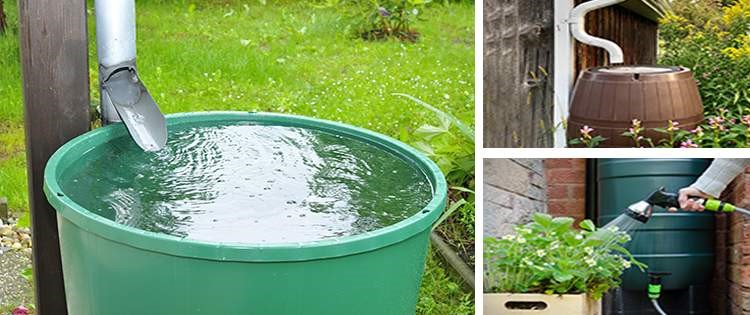
This DIY project is the best way to legally collect rainwater NO MATTER where you live. Get chlorine-free water, cut down on your water bills, and have enough for an emergency situation or to water your garden. Read More Here...
Environmentally, French tarragon is sensitive to extreme heat and extreme cold. In areas where summer temperatures regularly exceed 32°C (90°F), the plant may require afternoon shade to survive. Conversely, while it is hardy down to USDA Zone 4 (roughly -34°C or -30°F), it absolutely hates sitting in cold, wet soil during the winter. In regions with heavy winter rains, it is often better to grow tarragon in containers that can be moved to a sheltered spot.
Comparing the Three Main “Tarragons”
Before you commit to a patch of garden space, it helps to see exactly how French tarragon stacks up against its cousins. This table breaks down why the “strategic cutting” approach is so vital.
| Feature | French Tarragon | Russian Tarragon | Mexican Tarragon |
|---|---|---|---|
| Propagation | Cuttings/Division Only | Seeds or Cuttings | Seeds or Cuttings |
| Flavor | Intense Anise/Licorice | Bland, Grassy, Bitter | Strong Sweet Licorice |
| Hardiness | Zone 4-8 (Needs drainage) | Zone 3-9 (Very Tough) | Zone 9-11 (Annual in cold) |
| Height | 60-90 cm (24-36 in) | Up to 150 cm (5 ft) | 30-60 cm (12-24 in) |
Practical Tips for Ongoing Care
Once your cuttings have rooted and you’ve moved them into the garden, a little bit of regular maintenance will ensure they thrive for years. Think of these as the “neighborly secrets” passed over the fence.
- The Finger Test: Never water on a schedule. Stick your finger 3 cm (1 inch) into the soil. If it feels dry, water it. If it’s still moist, walk away. Tarragon would rather be slightly thirsty than drowning.
- Mulching for Winter: If you live in a cold climate, a 5-10 cm (2-4 inch) layer of straw or evergreen boughs can protect the crown from freezing. However, keep the mulch away from the stems to prevent rot.
- Pruning for Flavor: Mid-summer, give your plant a “haircut” by removing the top third of the stems. This prevents it from flopping over and keeps the new, tender, more flavorful leaves coming.
- Soil pH Matters: Tarragon prefers a neutral to slightly alkaline soil (pH 6.5 to 7.5). If your soil is very acidic, a handful of garden lime in the spring can work wonders for the plant’s health.
Advanced Consideration: Root Division
If you already have an established French tarragon plant that is 2 or 3 years old, you can use root division as an alternative to stem cuttings. This is often more successful for beginners because you are starting with a piece that already has a root system.
In the early spring, just as the first green shoots emerge from the soil, dig up the entire clump. Use a sharp, clean knife to slice the root ball into 3 or 4 sections. Each section must have at least one healthy green shoot and a good mass of roots. Replant these immediately at the same depth they were growing before. Space them about 45-60 cm (18-24 inches) apart. This not only gives you “free” plants but actually “resets” the internal clock of the tarragon, resulting in much more vigorous growth and higher essential oil content.
Example Scenario: The Culinary Kitchen Garden
Imagine you want to start a dedicated herb bed for classic French cooking. You’ve prepared a sunny spot with sandy, well-draining soil. Instead of buying expensive starts for everything, you buy one high-quality French tarragon plant from a reputable nursery.
In May, you take four 12 cm (5 inch) cuttings from that one plant. By June, those cuttings have rooted in small pots on your windowsill. By July, you have five tarragon plants in your garden—enough to harvest fresh sprigs for Béarnaise sauce once a week and still have plenty left over to infuse into a bottle of white wine vinegar for the winter. You’ve effectively turned a $5 investment into a $25 value in just two months, all while ensuring your flavors are chef-grade.
Final Thoughts
Mastering French tarragon is a rite of passage for any serious herb gardener. It teaches us that gardening isn’t always about following the instructions on the back of a seed packet; sometimes, it’s about understanding the unique biology of the plants we love. By moving away from the “seed struggle” and embracing the strategic cutting method, you align yourself with a culinary tradition that spans centuries.
Remember that the key to great tarragon is balance. It needs sun but hates being scorched; it needs water but hates being wet; it needs to be left alone but benefits from a regular haircut. Once you find that “sweet spot” in your own garden, the reward is an herb that elevates everything from simple roasted chicken to complex hollandaise sauces.
Don’t be afraid to experiment with your propagation. Every gardener has their own little tweaks, whether it’s using a specific rooting hormone or a favorite windowsill for light. As you get comfortable with these techniques, you’ll find that other challenging herbs—like rosemary or lavender—suddenly seem much easier to manage. Happy planting, and may your tarragon always be “the real thing.”