You are likely throwing away the most nutritious part of your harvest every single year. Most gardeners wait months for the tubers while throwing away a daily superfood harvest. These leaves are more nutrient-dense than spinach, thrive in the heat, and grow like a weed. Here is how to turn garden waste into a gourmet side dish.
I remember the first time I saw my neighbor, an elderly woman who had been gardening since before I was born, out in her sweet potato patch. She wasn’t digging for tubers; she was carefully snipping the tips of the vines and putting them into a basket. When I asked her what she was doing, she just laughed and told me I was missing out on the best part of the plant.
Since that day, I’ve never looked at a sweet potato vine the same way. We spend so much energy worrying about the “treasure” underground that we completely ignore the wealth of greens sitting right on the surface. In many parts of the world, these leaves are a staple, not a byproduct. If you’ve ever struggled to keep your spinach from bolting in the July sun, this plant is about to become your new best friend.
In this guide, I’m going to walk you through everything I’ve learned over the years about harvesting, eating, and growing sweet potato leaves. Whether you’re trying to maximize your garden’s output or you’re just looking for a heat-tolerant summer green, there is a lot to cover here. Let’s get into it.
Are Sweet Potato Leaves Edible
Yes, sweet potato leaves (Ipomoea batatas) are entirely edible and highly nutritious. While we often associate the word “potato” with the toxic leaves of the common Irish potato (Solanum tuberosum), sweet potatoes belong to a completely different family—the Convolvulaceae, or morning glory family. Unlike the nightshade family, which contains solanine in its foliage, sweet potato leaves are safe for human consumption.
In fact, in many cultures across Southeast Asia, the Pacific Islands, and Africa, the leaves are valued just as much as—if not more than—the tubers themselves. They are often referred to as “the longevity vegetable” because of their incredible nutrient profile. In the Philippines, they are known as Talbos ng Kamote, and you’ll find them in everything from simple stir-fries to complex stews.
The texture of a sweet potato leaf is similar to spinach or Swiss chard, though perhaps a bit heartier. When raw, they have a slightly earthy, mild flavor. When cooked, they soften beautifully and absorb the flavors of whatever you’re cooking them with, making them a versatile addition to any kitchen. If you’ve ever felt like your garden was “wasted” space during the peak of summer, these greens are the solution.
Nutritional Benefits of Sweet Potato Leaves
When I tell people these leaves are better for you than spinach, I’m not just exaggerating. These greens are a literal powerhouse of vitamins and minerals. Research has shown that sweet potato leaves are exceptionally high in Vitamin K, Vitamin A, and Vitamin C. They also contain significant amounts of B vitamins, including Riboflavin and B6.
One of the standout features is their antioxidant content. Darker varieties, especially those with purple-tinted leaves like Molokai Purple or Purple Raven, are packed with anthocyanins. These are the same compounds found in blueberries that help fight inflammation and support heart health. In my own garden, I’ve noticed that the deeper the green or purple of the leaf, the more “peppery” and nutrient-rich it feels.
Beyond vitamins, you’re looking at a great source of dietary fiber, iron, calcium, and magnesium. Because they thrive in the heat, they provide these nutrients at a time of year when other greens like kale and lettuce are often struggling or bitter. It’s essentially a free multivitamin growing right over your mulch.
How to Harvest Sweet Potato Leaves Without Killing the Plant
The biggest concern most gardeners have is that picking the leaves will ruin their tuber harvest. I used to worry about this too. If you strip every leaf off a vine, the plant won’t have enough solar panels to send energy down into the roots. However, if you do it correctly, you can actually have your cake and eat it too.
The secret is apical shoot harvesting. Instead of picking individual leaves from the middle of the plant, you want to snip the last 15 centimeters (6 inches) of the growing tips. These “tips” include the most tender, youngest leaves and the soft stem. The plant is incredibly resilient; when you snip a tip, it often responds by sending out side shoots, making the vine even bushier.
- Wait for Establishment: Don’t start picking until the plant has been in the ground for at least 45 to 60 days and has several long runners.
- Moderation is Key: Only take a few tips from each plant every week. You should never remove more than 20% of the total foliage at any one time if you want large tubers.
- Use Sharp Snips: Use clean garden shears or scissors to make a clean cut. This reduces the risk of disease entering the plant.
- Morning Harvest: Pick your leaves in the early morning while they are still turgid and full of water. They will stay crisp much longer.
If your primary goal is the greens and you don’t care about the tubers, you can be much more aggressive. Some gardeners grow sweet potatoes as a dedicated “cut-and-come-again” salad crop, keeping the vines trimmed short throughout the season.
Variety Considerations: Edible vs. Ornamental
Not all sweet potato vines are created equal, though all Ipomoea batatas leaves are safe to eat. You’ll generally find two categories in the nursery: edible cultivars and ornamental vines.
Edible Varieties: Common garden favorites like Beauregard, Jewel, or Covington are bred for their tubers, but their leaves are delicious. There are also specific varieties bred specifically for leaf production, often found in Asian markets. These tend to have thinner stems and more tender foliage that stays sweet even as the plant matures.
Ornamental Varieties: These are the “Sweet Caroline” or “Margarita” vines you see in hanging baskets with neon green or deep purple leaves. While they are safe to eat, they haven’t been bred for flavor. In my experience, ornamental leaves can be significantly more bitter and fibrous than their garden cousins. However, if you’re in a pinch, they are perfectly fine to use in a stir-fry where bold sauces can mask the bitterness.
If you’re looking for the best of both worlds, I recommend Japanese Purple or Korean Purple varieties. They produce excellent, sweet tubers and have some of the most flavorful, anthocyanin-rich leaves I’ve ever tasted.
Challenges and Common Mistakes
One of the most frequent errors I see is gardeners confusing sweet potatoes with regular potatoes. I cannot stress this enough: never eat the leaves of a regular Irish, Russet, or Yukon Gold potato. Those are nightshades and the foliage is toxic. Always double-check that you are working with Ipomoea batatas.
Another pitfall is over-harvesting during a drought. Sweet potatoes are tough, but if they are already stressed by heat and lack of water, removing their leaves can send them into a tailspin. If the weather is consistently over 35°C (95°F) and you haven’t had rain in a week, give the leaves a break until you’ve given the patch a good deep soak.
Watch out for pests like the Sweet Potato Looper or flea beetles. While a few holes in the leaves won’t hurt you, you don’t want to be eating leaves heavily infested with aphids or scale. I usually just spray the vines with a sharp stream of water from the hose to knock off any hitchhikers a day before I plan to harvest.
DIY PROJECT: Collect rainwater no matter where you live...
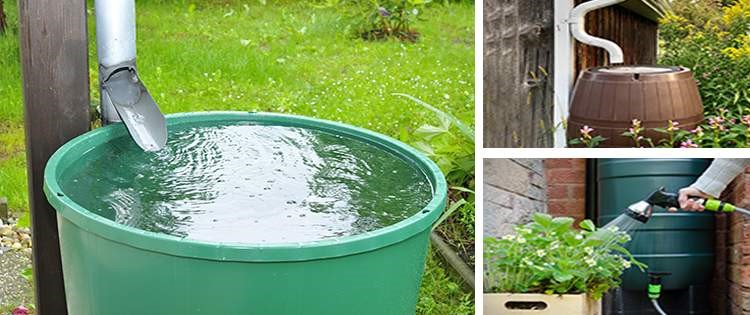
This DIY project is the best way to legally collect rainwater NO MATTER where you live. Get chlorine-free water, cut down on your water bills, and have enough for an emergency situation or to water your garden. Read More Here...
Limitations and When This May Not Be Ideal
Like spinach and chard, sweet potato leaves contain oxalates. For most people, this isn’t an issue, but if you are prone to kidney stones, you should consume them in moderation and consider boiling them rather than eating them raw. Boiling and discarding the water can significantly reduce the oxalate content.
Another limitation is seasonality. These are tropical plants. They will thrive in the blistering heat of a Georgia August, but the moment the first frost hits, the entire vine will turn to black mush. If you live in a colder climate with a short growing season, you really have to time your harvest carefully. Once the soil temperature drops below 15°C (60°F), the plant’s growth slows to a crawl.
Practical Tips for Cooking and Storage
Once you’ve brought your basket of greens inside, you need to handle them properly. They wilt much faster than kale or collards. If you aren’t going to cook them immediately, wrap them in a damp paper towel and stick them in a perforated plastic bag in the crisper drawer. They’ll stay fresh for about 2 to 3 days this way.
When it comes to cooking, less is more. I treat them almost exactly like baby spinach. Here is my favorite way to prepare them:
- Sauté three cloves of minced garlic in a bit of olive oil or butter.
- Add a large pinch of red pepper flakes.
- Toss in two big handfuls of washed sweet potato leaves and tips.
- Cook for only 2 to 3 minutes until just wilted.
- Finish with a squeeze of lemon juice or a splash of soy sauce.
The stems are also edible! If you’ve harvested young tips, the stems should be tender enough to eat along with the leaves. If you’re using older vines, you can peel the outer “skin” off the stem (similar to how you might treat celery or asparagus) to reveal a tender, crunchy core that is fantastic in stir-fries.
Comparison: Sweet Potato Leaves vs. Other Garden Greens
To help you decide where this fits in your garden plan, let’s look at how it stacks up against the “usual suspects.”
| Feature | Sweet Potato Leaves | Spinach | Kale |
|---|---|---|---|
| Heat Tolerance | Exceptional (Thrives in 90°F+) | Poor (Bolts in heat) | Moderate (Becomes bitter) |
| Growth Rate | Aggressive Vining | Slow to Moderate | Steady / Long Season |
| Vitamin K Content | Very High | Extremely High | Extremely High |
| Flavor Profile | Mild, Earthy | Slightly Metallic, Sweet | Bold, Peppery, Bitter |
| Primary Use | Dual Crop (Roots + Greens) | Greens Only | Greens Only |
Advanced Considerations: Preservation and Vertical Growing
For those of you who want to take this to the next level, you can actually preserve your summer bounty for the winter. I’ve had great luck blanching and freezing sweet potato leaves. Just dunk them in boiling water for 60 seconds, then immediately into an ice bath. Squeeze out the excess moisture, form them into “hockey pucks,” and freeze them. They are perfect for adding to soups and smoothies in the dead of winter.
Another trick for small gardens is vertical growing. Because sweet potatoes are vining plants, they will happily climb a trellis. Growing them vertically makes harvesting the leaves incredibly easy—no more bending over or searching through the mulch. It also keeps the leaves cleaner and away from ground-dwelling pests. Just remember that if you grow them vertically, you’ll need to provide extra water, as the soil in a container or at the base of a trellis can dry out faster than a sprawling ground cover.
Examples and Scenarios
Imagine you have a 4×8 foot raised bed. If you plant sweet potatoes in the spring, by mid-July that bed will be a sea of green. If you harvest just 10 tips twice a week, you’re looking at about 200-300 grams of fresh, organic greens per week. Over a three-month summer period, that is nearly 4 kilograms (about 8.5 lbs) of “free” food that most people would have just thrown away or mowed over.
In another scenario, consider the urban gardener with only a balcony. A single 20-gallon grow bag can house two sweet potato plants. By training the vines up the balcony railing, you create a beautiful “living privacy screen” that you can also eat for dinner. It’s the ultimate multi-purpose plant for tight spaces.
Final Thoughts
Learning to eat sweet potato leaves is like finding a secret compartment in your garden that’s been full of treasure all along. It changes your relationship with the plant from waiting for a single “end-of-season” event to enjoying a daily, bountiful harvest. It’s sustainable, it’s nutritious, and quite frankly, it’s one of the easiest crops you’ll ever grow.
I encourage you to start small. Next time you’re out weeding or checking on your vines, snip a few of the tender tips. Take them inside, sauté them with a little garlic, and see for yourself. You might just find that the “waste” you’ve been tossing for years becomes the highlight of your summer garden.
As you continue to refine your garden, consider how this fits into your overall plan for soil health and pest management. Plants that cover the soil so effectively not only provide food but also act as a living mulch, keeping moisture in the ground and suppressing weeds. It’s a win-win for the gardener and the soil alike. Happy growing, neighbor!