
Your fridge is killing your harvest, but this 100-year-old trick keeps them crisp until spring. Don’t let your hard work go to waste in a plastic bag. Professional growers use the ‘Sand Clamp’ method to preserve flavor and texture for months without using a single watt of electricity.
If you have ever pulled a swede out of the bottom of your refrigerator’s crisper drawer only to find it soft, rubbery, or covered in a mysterious slime, you know the frustration. We spend months tending to these purple-topped beauties, fighting off the cabbage whites and ensuring the soil stays moist, only to let the final product wither away in a dry, artificial environment. It is a common mistake, but one that is easily corrected if we look back at how our grandparents handled the “hungry gap” of late winter.
The truth is that swedes, or rutabagas as they are often called across the pond, are living organisms. Even after you pull them from the earth, they are breathing. In a plastic bag, they suffocate in their own moisture; in the open air of a modern home, they bleed water until they are leathery and tasteless. The ‘Sand Clamp’ method creates a perfect, micro-regulated environment that mimics the soil they grew in, keeping them in a state of suspended animation.
As we walk through this guide, I want to show you how to set up your own winter storage system. Whether you have a massive allotment harvest or just a few dozen roots from a backyard patch, these techniques will change the way you look at your winter pantry. We will look at both the traditional outdoor earth mound and the more modern “indoor” sand box approach, so you can choose the one that fits your garden and your climate.
How To Store Swedes For Winter
Storing swedes for winter is about managing three specific factors: temperature, humidity, and respiration. In the real world, this means keeping the roots at a temperature just above freezing, usually between 0°C and 4°C (32°F to 40°F), and at a relative humidity of 90% to 95%. This prevents the vegetable from losing its internal water to the air, which is exactly why they stay crisp and “crunchy” rather than turning into something resembling a discarded shoe.
The “Sand Clamp” is essentially a biological hack. It uses sand and straw as a buffer against the outside world. Think of it like a natural thermostat. When the ground freezes, the thick layers of insulation protect the roots. When the sun comes out and warms the air, the mass of the clamp prevents the roots from waking up and trying to grow new leaves, which would suck the sugar and energy right out of the core.
Gardeners typically use this method in late autumn or early winter, right after the first light frost has “sweetened” the roots but before the ground becomes a solid block of ice. It is ideal for anyone who lacks a walk-in root cellar but wants to keep a large supply of food on hand without cluttering up the kitchen. This fits into the garden cycle as the final act of the year—the moment you tuck the harvest into bed so it can take care of you through the frost.
The Mechanics of a Traditional Outdoor Clamp
Building an outdoor clamp is a skill that feels like a bit of a lost art, but it is actually quite straightforward once you understand the “why” behind the structure. You aren’t just burying vegetables; you are building a ventilated, insulated vault.
First, you need to select a spot that is well-drained. If the base of your clamp sits in a puddle after a heavy rain, your swedes will rot faster than you can say “winter stew.” I always look for a slightly elevated patch of ground or a spot near a south-facing wall that stays relatively dry. If you are worried about drainage, you can dig a small perimeter trench around your storage site to lead water away.
To begin the construction, lay down a base of coarse sand about 20cm (8 inches) deep. This sand serves as your primary drainage layer and helps regulate the humidity rising from the earth. On top of the sand, place a thick layer of dry straw—about 15cm (6 inches) is usually enough to provide a soft bed for the roots.
Stacking and Layering
When you start piling your swedes, always put the largest, heaviest ones at the bottom. This creates a stable foundation. You want to form a pyramid or a cone shape, keeping the base about 1 meter to 1.5 meters (3 to 5 feet) wide. Do not make the pile too high; sticking to a height of under 1 meter (3 feet) prevents the weight of the vegetables from crushing those at the bottom.
Once the roots are in place, cover the entire mound with another 20cm (8 inches) of straw. This is your primary insulation. Finally, you will cover the straw with a layer of soil, roughly 15cm (6 inches) thick. This soil layer acts as a windbreak and keeps the straw in place. As you apply the soil, use the back of a spade to pat it down smooth. This helps rain run off the sides rather than soaking into the center.
The All-Important Chimney
One of the most critical parts of the process is the “chimney.” As the vegetables sit in the clamp, they release a small amount of heat and gas. If this is trapped, it creates a “sweaty” environment that encourages mold. To prevent this, leave a tuft of straw poking out through the very top of the soil layer. This allows the clamp to breathe while still keeping the rain out. In very large clamps, you might even use a perforated pipe, but for most backyard gardens, a handful of vertical straw works perfectly.
The Indoor Sand Box Method
If an outdoor mound feels a bit too “pioneer” for your tastes, or if you only have a dozen or so swedes to store, the indoor sand box is a fantastic alternative. This is often the “Standard” approach for modern gardeners with a garage, a shed, or an unheated basement.
Start with a sturdy wooden crate or a heavy-duty plastic bin. If you use plastic, do not put the lid on tight; we need air circulation. Place 5cm to 8cm (2 to 3 inches) of damp sand in the bottom. “Damp” is the key word here—if you squeeze a handful of the sand, it should hold its shape without dripping any water. If it’s too wet, the roots will rot; if it’s too dry, they will shrivel.
Place your swedes in the sand so they are not touching each other. This is vital. If one root develops a soft spot, the sand acts as a firebreak, preventing the rot from spreading to its neighbors. Cover that layer with more sand until the roots are completely hidden, and then start your next layer. Store the box in the coolest part of your building, away from any heaters or sunny windows.
Benefits of Sand Storing
The most obvious benefit is the quality of the food. When you pull a swede out of a sand clamp in February, it should be as firm and juicy as the day it was harvested. Because the environment is naturally humid, the skin remains supple, which makes peeling much easier.
Another advantage is the cost. Modern refrigeration is expensive to run and has limited space. A sand clamp costs almost nothing—just the price of a bag of builder’s sand and some straw, both of which can often be reused or composted at the end of the season. It is a passive system that works whether the power is on or off.
From a gardening perspective, this method also allows you to clear your beds. Leaving swedes in the ground all winter is possible in some climates, but it exposes them to slugs, wireworms, and hungry rodents. By “lifting and clamping,” you protect your investment from the local wildlife and free up that garden space for early spring soil preparation or a late-season cover crop.
Challenges and Common Mistakes
One of the most frequent errors I see is gardeners washing their swedes before storage. It feels natural to want to put away “clean” food, but washing is a death sentence for long-term storage. The natural “bloom” and the slight coating of soil on the root contain beneficial microbes that actually help prevent spoilage. Just gently brush off the large clumps of dirt with your hands.
DIY PROJECT: Collect rainwater no matter where you live...
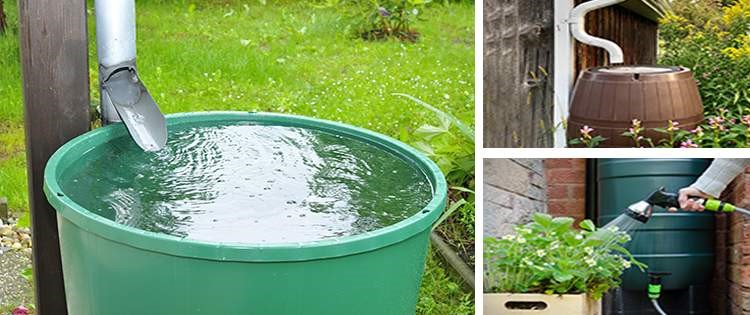
This DIY project is the best way to legally collect rainwater NO MATTER where you live. Get chlorine-free water, cut down on your water bills, and have enough for an emergency situation or to water your garden. Read More Here...
Another pitfall is harvesting at the wrong time. If you lift your swedes during a heavy rain, they will be “claggy” with wet mud, which traps moisture against the skin and leads to fungal issues. Aim for a dry, crisp day. After lifting them, let them “cure” or sit in the sun for two to four hours. This helps the outer skin toughen up and “sets” the root for its long sleep.
Lastly, be careful with the tops. You must remove the leafy greens, or they will rot and take the root down with them. Trim them to about 2cm (1 inch) above the crown. Do not cut into the root itself, as this creates a “wound” that bacteria can easily enter. A clean, sharp pair of shears is your best friend here.
Limitations and When to Avoid Clamping
While the sand clamp is a powerhouse of preservation, it isn’t a magic wand. If you live in a region where the winter temperature regularly drops below -15°C (5°F) for weeks at a time, a standard outdoor clamp might not provide enough insulation to prevent the core of the roots from freezing. In these extreme climates, you would need much thicker walls—perhaps 30cm (12 inches) of straw and 30cm (12 inches) of soil—or you might be better off using the indoor box method in a protected cellar.
Conversely, in very warm, wet climates, the clamp can become too humid. If your winters are mostly rain and rarely see a frost, the moisture level in an outdoor mound can become unmanageable. In these cases, focus on maximizing ventilation and perhaps using more sand and less soil in your construction to ensure the roots stay “breathable.”
Comparing Storage Methods
| Method | Typical Duration | Energy Cost | Best For |
|---|---|---|---|
| Refrigerator | 2–4 Weeks | High | Small, immediate use |
| Indoor Sand Box | 3–5 Months | None | Medium harvests, garages |
| Outdoor Earth Clamp | 5–7 Months | None | Large harvests, bulk storage |
| Left in Ground | Variable | None | Mild winters, well-drained soil |
As you can see, the clamp is a clear winner for the serious practitioner who wants to stretch their harvest into the spring. While the refrigerator is fine for a single meal, it simply cannot handle the volume or the biological needs of a winter stock.
Practical Tips for Success
* Choose the right variety: Not all swedes are created equal. Heirloom varieties like ‘Best of All’ or modern hybrids like ‘Marian’ and ‘Tweed F1’ are bred for their storage capabilities. They have a higher dry-matter content, which makes them much hardier than the smaller, faster-growing types.
* Rodent control: Rats and mice love a warm straw mound full of sugar-rich roots. If you have a known pest problem, you can line the bottom and sides of your outdoor clamp with fine galvanized mesh (1/4 inch or 6mm) before adding the sand and straw. This creates a physical barrier they cannot chew through.
* Check your stock: If you are using the indoor box method, make it a habit to check one or two roots every few weeks. If the sand feels bone-dry, give it a very light misting with a spray bottle. If you smell anything “off” or “sour,” find the offending root immediately and remove it.
* Use play sand: When buying sand, look for “play sand” or “washed builder’s sand.” Avoid “sharp sand” for indoor boxes as the larger grains can actually scratch the delicate skin of the swede, providing an entry point for rot.
Advanced Considerations: Scaling Up
For those of you who have had a particularly successful year and find yourselves with hundreds of pounds of roots, you can transition from a circular clamp to a “ridge clamp.” Instead of a mound, you build a long, low wall of vegetables. The principles remain the same: sand base, straw insulation, and a soil cap.
With a ridge clamp, you should place a chimney every 1.5 meters (5 feet) along the top to ensure even ventilation. This setup is common in commercial organic growing where electricity isn’t used for storage. It allows you to “open” one end of the clamp, take what you need for the week, and then seal the face back up with straw, leaving the rest of the ridge undisturbed.
Real-World Scenario: The Great Freeze of ’18
I remember a winter a few years back where the temperature plummeted to -12°C (10°F) and stayed there for nearly two weeks. Many of my neighbors who had left their parsnips and swedes in the ground found them frozen solid, and once they thawed, they turned to mush. My outdoor clamp, however, was a different story.
Because I had used a generous layer of bracken (a type of fern) along with the straw, the insulation was incredibly thick. When I finally broke through the frozen soil crust in February, the swedes inside were still around 3°C (37°F). They were crisp, sweet, and made the best mash I’ve ever had. That is the power of the clamp—it takes the volatile swings of winter and flattens them out into a steady, reliable environment.
Final Thoughts
Mastering the sand clamp is about more than just saving a few vegetables; it is about reclaiming a piece of self-sufficiency that most modern households have forgotten. There is a deep sense of satisfaction in knowing that your winter meals are tucked away safely in the garden, maturing and sweetening without needing a single cent of electricity.
Start small this year. If the idea of a big mound in the backyard seems daunting, try a single crate of sand in your garage. Once you see the difference in quality—the snap of the flesh and the vibrancy of the flavor—you will never go back to those sad, plastic bags in the fridge drawer.
As you get more comfortable with these traditional methods, you might find yourself exploring other ways to integrate these skills into your garden life, perhaps by looking into more advanced soil health strategies or pest management techniques that work in harmony with the seasons. The garden never truly stops giving; we just have to learn how to listen to what it needs.