
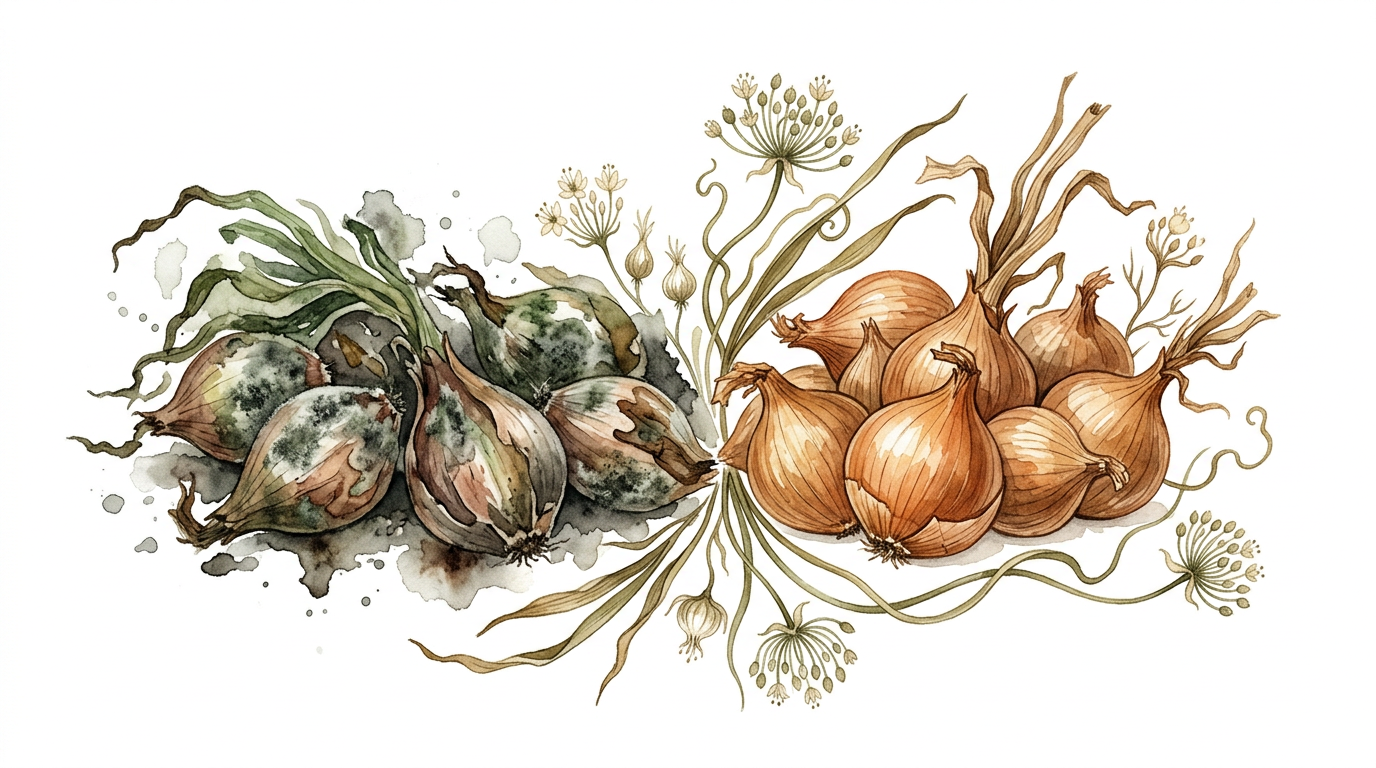
Don’t let 100 days of growth vanish in a week of poor curing. Most gardeners lose half their shallots to rot because they cure them in the sun. The pros know that airflow and shade are the secret to that papery skin and long shelf life.
Walking through the garden in late summer is a bittersweet time. You see those lush green tops finally bowing over, signaling that the work under the soil is done. It is tempting to pull them up and toss them in a basket, but that is where the danger starts. Those beautiful clusters of shallots are currently full of moisture, and if you do not handle the next few weeks correctly, you will be looking at a pile of moldy waste instead of a gourmet reserve that lasts through the winter.
I have spent decades perfecting the art of the cure. It is not just about drying them out; it is a biological transformation. We are waiting for the neck to seal tight and the outer skins to turn into a protective parchment. When done right, a well-cured shallot is a treasure. When done wrong, you are just composting your hard work. Let me walk you through exactly how to transition these beauties from the dirt to the pantry.
How To Cure Shallots For Storage
Curing shallots is the process of controlled drying that prepares the bulbs for long-term dormancy. Think of it as putting the plant to sleep properly so it stays fresh for six to eight months. During this window, the moisture in the outer layers evaporates, and the “neck”—the area where the leaves meet the bulb—constricts and hardens. This physical seal is the only thing standing between your shallot and the bacteria that cause rot.
In the real world, curing is what separates a kitchen-ready vegetable from a storage-stable staple. Fresh shallots pulled straight from the ground are delicious, but they are “alive” and highly metabolic. They are still breathing out moisture and taking in oxygen. If you pack them away in this state, they will either sprout or succumb to mold within weeks. Curing slows down the bulb’s internal clock and creates a barrier against the environment.
Most beginners assume they can just leave them on the soil surface to dry like hay. This is a mistake. Direct sunlight can actually “cook” the bulbs, a condition called sunscald, which breaks down the cell walls and invites pathogens. Proper curing happens in a place that mimics a breezy, shaded porch: plenty of moving air, moderate temperatures, and zero direct sun.
The Anatomy of a Cured Shallot
A perfectly cured shallot has specific physical markers. The outer skin should be brittle and rustle like dry leaves when touched. The roots should be wiry and snap off easily. Most importantly, the neck should be thin, hard, and completely dry. If you squeeze the neck and feel any softness or “give,” the bulb is not ready for storage. It still has an open highway for moisture to escape and rot to enter.
The Step-by-Step Curing Process
Success starts the moment you decide to lift them from the earth. You cannot just yank them up; you need to be surgical. Follow these steps to ensure every bulb makes it through the transition safely.
Step 1: The Careful Harvest
Wait until about 50% to 75% of the tops have fallen over and turned yellow. Use a garden fork to gently loosen the soil about 6 inches (15 cm) away from the cluster. Lift the entire clump from underneath. Avoid pulling by the leaves, as this can tear the neck and create an entry point for fungus. Shake off the loose dirt, but do not scrub them. You want to keep those delicate outer skins intact.
Step 2: Initial Field Drying
If the weather is dry and the sun is not punishingly hot, you can leave the clusters on top of the soil for 24 hours. This helps the roots dry out and makes the remaining soil easier to brush off later. However, if there is any threat of rain or if temperatures exceed 85°F (29°C), skip this and move them immediately to a shaded spot. Moisture is the enemy here; even a light dew can reset the curing clock.
Step 3: Creating the Curing Station
Find a location that is out of direct sunlight but has fantastic airflow. A porch, a barn, or even a well-ventilated garage works well. The goal is to keep the temperature between 70°F and 85°F (21°C to 29°C). Lay the shallots out in a single layer. Never stack them deep, as this creates pockets of stagnant air where mold loves to grow. Using a wire mesh rack or an old window screen is ideal because it allows air to reach the bottom of the bulbs as well as the top.
Step 4: The Waiting Game
Curing takes time. Depending on your local humidity, it can take anywhere from two to four weeks. During the first week, you will notice the leaves turning completely brown and the outer skins starting to color up. Resist the urge to trim the tops yet. The bulb is actually drawing back the last of the nutrients and energy from those leaves. Let the plant finish its cycle naturally.
Step 5: Testing for Readiness
Check your shallots after 14 days. Pick up a few bulbs and look at the necks. They should be shriveled and tight. Give the bulb a gentle squeeze; it should feel rock-hard. The roots should be brittle. If the neck still feels like a moist straw, they need another week. Patience here is the difference between a harvest that lasts until spring and one that turns to mush by Thanksgiving.
Benefits of Proper Curing
Why go through all this trouble? It might seem like a lot of fuss for a few onions, but the rewards are measurable. Proper curing changes the chemistry and the physical resilience of the shallot.
- Extended Shelf Life: A properly cured Dutch Yellow shallot can last 6 to 8 months in a cool pantry. Uncured bulbs rarely last more than 3 weeks.
- Flavor Development: As the water content drops, the sugars and sulfur compounds in the shallot concentrate. This results in a deeper, more complex flavor that makes shallots so prized by chefs.
- Disease Prevention: Fungi like Botrytis (neck rot) require moisture to thrive. By drying the neck quickly and thoroughly, you physically bar these pathogens from entering the bulb.
- Better Seed Stock: If you plan to replant your shallots next season, curing ensures the “embryo” inside stays dormant and healthy throughout the winter.
Common Mistakes to Avoid
Even seasoned gardeners trip up sometimes. Here are the most frequent errors I see in the neighborhood.
Using the “Sun-Dry” Method
People see farmers drying hay in the sun and assume shallots want the same. They don’t. Direct UV rays can cause sunscald, which essentially parboils the outer layers of the bulb. This creates soft spots that rot instantly once you move them into storage. Always cure in the shade.
Trimming Tops Too Early
It is tempting to “clean them up” right after harvest by snipping off the green tops. Do not do this. Cutting a green neck is like opening a vein. It allows bacteria to settle directly into the center of the bulb. Wait until the neck is dry and papery before you even think about reaching for the shears.
Washing the Bulbs
Never use a hose to clean your shallots. It might make them look prettier for a photo, but you are forcing water into the layers of the skin and the neck. This almost guarantees mold issues. Use a soft brush or your gloved hand to flick off dried mud once the curing is nearly done.
Environmental Factors and Climate Considerations
Your curing strategy needs to adapt to where you live. A gardener in the high desert of Arizona has a very different challenge than someone in the humid suburbs of Georgia.
In high-humidity areas (above 70% RH), air movement is your primary tool. You might need to set up a small box fan to keep the air circulating around your curing racks. Without it, the moisture leaving the bulbs will just sit there, creating a micro-climate of dampness that invites rot. In these regions, curing might take the full four weeks.
DIY PROJECT: Collect rainwater no matter where you live...
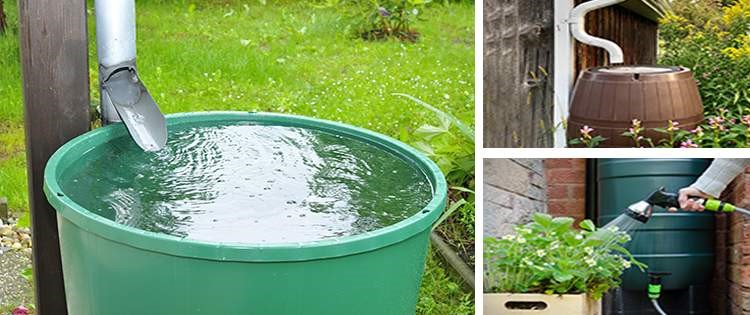
This DIY project is the best way to legally collect rainwater NO MATTER where you live. Get chlorine-free water, cut down on your water bills, and have enough for an emergency situation or to water your garden. Read More Here...
In very dry, arid climates, the danger is that the shallots dry too fast. If the outer skins dry and harden before the moisture in the center has a chance to escape, you can end up with “internal browning.” In these cases, curing in a slightly cooler, darker area like a basement can slow the process down to a healthy pace.
Comparing Shallot Varieties for Storage
Not all shallots are created equal when it comes to the long haul. Your choice of variety dictates how much attention you need to pay to the curing process.
| Variety Type | Storage Potential | Curing Difficulty | Best Use |
|---|---|---|---|
| Dutch Yellow/Red | 6–8 Months | Easy/Resilient | General kitchen use, long storage. |
| French Gray (Griselle) | 3–4 Months | High (Prone to rot) | Gourmet cooking, early use. |
| Ambition (Hybrid) | 5–6 Months | Moderate | High yield, consistent sizes. |
French Gray shallots are often considered the “true” shallot by purists, but they are finicky. They have a shorter dormancy period, meaning they want to sprout much sooner than the Dutch types. If you grow these, you must be meticulous with your curing and use them up by early winter. Dutch varieties are much more forgiving and are the better choice for a “gourmet reserve” that lasts into the spring.
Practical Tips for Success
After years of doing this, I have picked up a few tricks that make the process smoother. These are the small adjustments that yield big results.
- The “Gentle Shake” Test: Around day ten, gently shake the curing rack. You should hear a distinct “metallic” rustle. This sound tells you the skins are becoming brittle enough to protect the bulb.
- Keep the Roots On: Do not trim the roots until the very end. Trimming them early creates another wound on the base of the bulb. Let them dry into a little “beard” that you can rub off later.
- Sort by Size: Large shallots have more internal moisture and take longer to cure than the small “sets.” If you can, keep your different sizes on separate racks so you don’t over-dry the small ones while waiting for the big ones.
- Avoid Plastic: Never cure on plastic sheeting or in plastic bins. Moisture gets trapped against the plastic and causes “sweating.” Always use wood, mesh, or even cardboard in a pinch.
Advanced Considerations: Building a Curing Rack
If you find yourself growing more than a few pounds of shallots, it is time to build a dedicated curing station. This doesn’t have to be expensive. I use a simple frame made of 2×4 lumber with heavy-duty plastic bird netting or hardware cloth stapled across the bottom. This allows for 360-degree airflow.
For those in very small spaces, you can use multi-tiered “herb drying” hanging nets. These are great because they take up vertical space and usually have mesh sides that keep the bulbs contained while letting air pass through freely. Just make sure the weight of the shallots doesn’t bunch them all up in the center of the net, which would defeat the purpose of a single layer.
Storage After the Cure
Once those three weeks are up and your shallots are officially “cured,” you need to move them to their final home. Trim the dried tops to about 1 inch (2.5 cm) above the bulb. Trimming too close to the bulb can still invite rot, so leave that little “handle.”
Store them in mesh bags or open-weave baskets. I find that old lemon or onion bags from the grocery store work perfectly. Hang these bags in a cool, dark, and dry place. The ideal temperature is between 35°F and 45°F (2°C to 7°C) with a relative humidity of 60% to 70%. A cool pantry or a dry, unheated basement is usually the best bet. Avoid the refrigerator; it is far too humid and will cause the shallots to soften and sprout within weeks.
Final Thoughts
Curing is the final, essential bridge between the garden and the kitchen. It is a period of transition where the shallot moves from a living plant to a dormant bulb, locking in its flavor and sealing out the world. While it requires a bit of patience and a watchful eye, the reward is a pantry full of gourmet ingredients that you can draw on all winter long.
Remember that the garden doesn’t stop teaching you once the harvest is out of the ground. Pay attention to how your different varieties respond to your specific environment. You might find that one corner of your porch cures bulbs faster, or that certain bags keep them fresher. Use these observations to refine your process every year.
If you follow these steps—shading them from the sun, ensuring constant airflow, and waiting for that perfect neck seal—you will never have to worry about losing your harvest to rot again. Go ahead and get those racks ready; your future self will thank you when you’re peeling a perfectly preserved shallot for a mid-winter roast.