
Is your grocery store watercress already dead by the time you buy it? Stop paying $4 for a handful of wilted greens. Watercress is the world’s most nutrient-dense vegetable, and it grows like a weed if you give it what it needs. Move from consumer to producer and start your living pharmacy today.
I remember talking to a neighbor years ago who was convinced watercress was only for people with private streams or fancy estates. He thought it was too finicky for a regular backyard. I laughed because I had a lush crop growing in a simple plastic bucket right behind my shed.
Watercress is one of those plants that people overcomplicate. It is actually a rugged, fast-growing perennial that has sustained humans for thousands of years. If you can keep a saucer of water full, you can grow this superfood.
The transition from buying plastic-wrapped, sad-looking greens to harvesting a fresh bunch for your morning smoothie is a game-changer. It shifts your mindset from relying on a fragile supply chain to cultivating a resilient source of nutrition right at your doorstep.
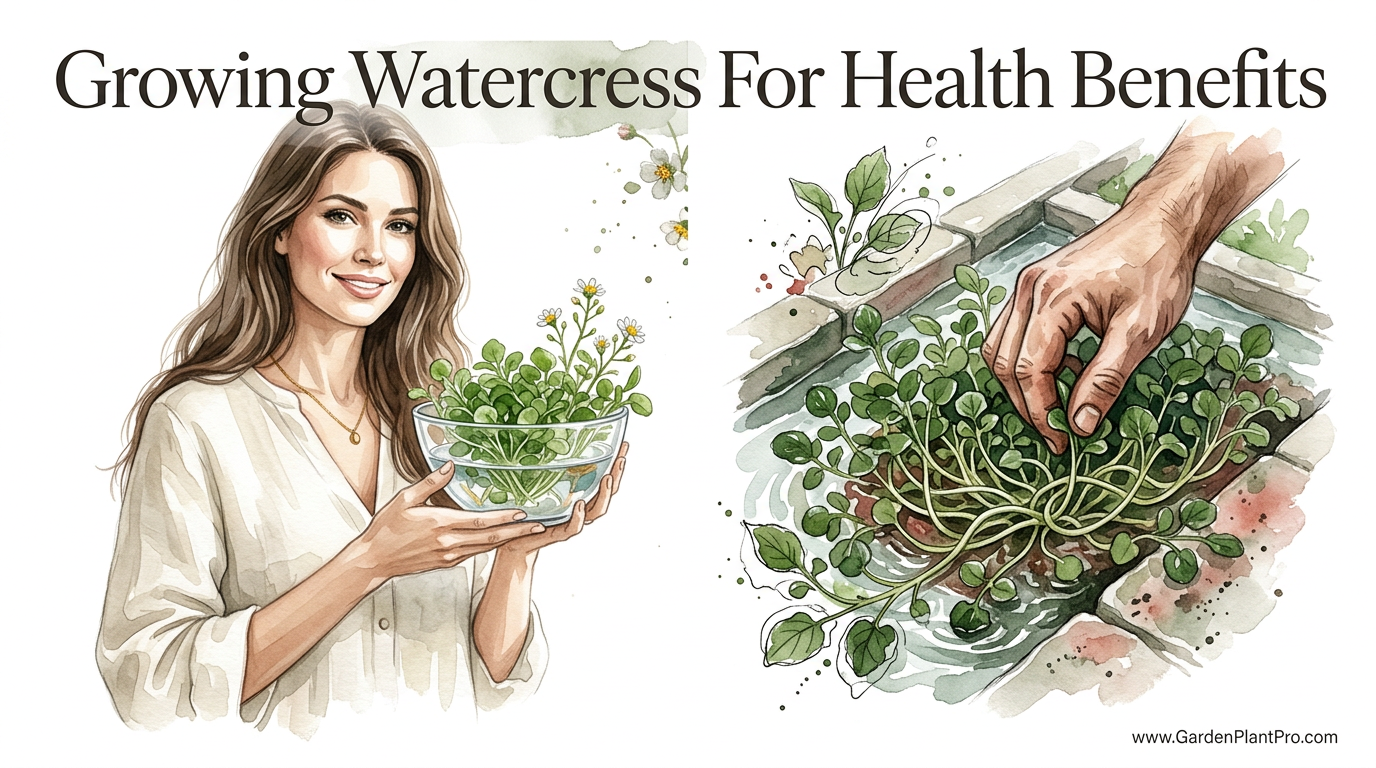
Growing Watercress For Health Benefits
Watercress (Nasturtium officinale) is often called the “King of Greens” for a good reason. It consistently tops the charts for nutrient density, often earning a perfect 1,000 out of 1,000 on the Aggregate Nutrient Density Index (ANDI). This means it provides more vitamins and minerals per calorie than almost any other food on Earth.
Historically, this plant was the go-to remedy for ancient physicians. Hippocrates, the father of modern medicine, reportedly built his first hospital on the island of Kos next to a stream specifically so he could have a fresh supply of watercress to treat his patients. He recognized its ability to “cleanse the blood” and provide vitality.
In the modern world, we know the science behind those ancient observations. Watercress is packed with Vitamins A, C, and K. In fact, gram for gram, it contains more Vitamin C than oranges and more calcium than whole milk. It is also a rare plant source of highly absorbable iron, which is bolstered by its own high Vitamin C content to help your body take it in.
One of its most potent components is a sulfur-containing compound called phenylethyl isothiocyanate (PEITC). Research suggests this compound has significant anti-cancer properties, helping to protect cells from damage and inhibiting the growth of certain tumors. When you grow this in your garden, you aren’t just growing a salad; you are growing a biological shield.
This plant is also a powerhouse for bone health. Because it is rich in Vitamin K and calcium, it supports bone density and can help prevent osteoporosis. For a seasoned gardener, having a “living pharmacy” that provides these benefits year-round is far more valuable than any ornamental flower bed.
How to Start Your Watercress Garden
The biggest hurdle for most beginners is the “water” part of watercress. While it is true that in the wild it loves the edges of cold, chalky streams, you can mimic these conditions with very little effort. You have three main ways to get started: seeds, nursery transplants, or grocery store cuttings.
The Grocery Store Shortcut
This is my favorite “producer” hack. Next time you see a bunch of watercress at the market with the roots still attached or even just healthy-looking stems, buy it. Take it home and put the stems in a glass of clean, filtered water on your windowsill.
Within a few days, you will see tiny white roots shooting out from the leaf nodes. Once these roots are about 2 to 3 centimeters (roughly an inch) long, the plant is ready for its permanent home. This method bypasses the slow germination phase and gets you to harvest weeks faster.
Starting from Seed
If you prefer starting from scratch, watercress seeds are tiny but mighty. They germinate best in cool conditions, ideally between 10°C and 20°C (50°F to 68°F). You can sow them in early spring or late autumn depending on your climate.
Scatter the seeds onto the surface of a wet, organic-rich potting mix. Do not bury them deep; a very light dusting of fine soil or vermiculite is enough. Keep the soil saturated at all times. Seedlings usually emerge in 5 to 10 days.
The “Bucket-in-a-Bucket” System
To grow watercress without a stream, use the two-container method. Take a pot with plenty of drainage holes and fill it with a mix of compost and perlite. Place this pot inside a larger, decorative container or a simple bucket that has no holes.
Fill the outer bucket with water until it reaches about halfway up the inner pot. This keeps the soil “feet” wet while allowing the top of the plant to breathe. Every few days, pull the inner pot out, dump the old water, and refill the bucket with fresh, cool water to keep things oxygenated.
Ideal Growing Conditions and Maintenance
Watercress is a cool-season crop. It thrives when the air temperature is between 13°C and 24°C (55°F to 75°F). If it gets much hotter than 27°C (80°F), the plant will start to “bolt” or flower, which makes the leaves incredibly bitter and tough.
In terms of light, 4 to 6 hours of sunlight is the sweet spot. In hotter climates, I always recommend placing your watercress where it gets morning sun and afternoon shade. This prevents the water in your containers from overheating, which can lead to root rot or algae blooms.
The water quality is arguably the most important factor. If you are using municipal tap water, let it sit out for 24 hours to allow any chlorine to dissipate, or use a filter. Watercress is an “indicator species,” meaning it is sensitive to pollutants. Clean water equals healthy, tasty greens.
Fertilizing is rarely necessary if you use good compost, but if the leaves start to look a bit yellow, a weak dose of liquid seaweed fertilizer can help. Avoid high-nitrogen chemical fertilizers, as these can lead to an accumulation of nitrates in the leaves, which isn’t ideal for consumption.
DIY PROJECT: Collect rainwater no matter where you live...
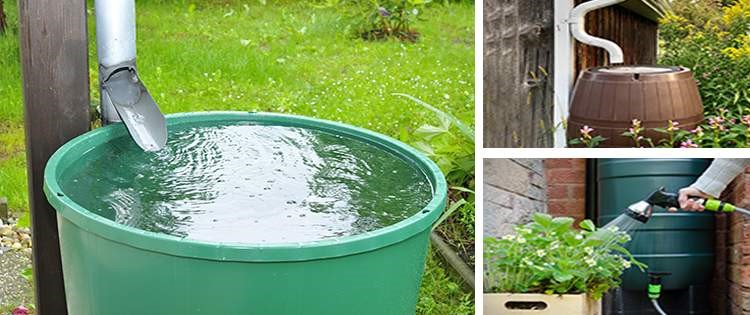
This DIY project is the best way to legally collect rainwater NO MATTER where you live. Get chlorine-free water, cut down on your water bills, and have enough for an emergency situation or to water your garden. Read More Here...
Benefits of Homegrown Watercress
Cultivating your own watercress offers practical advantages that go far beyond what you find in a supermarket aisle. When you control the environment, you control the quality of the nutrition entering your body.
- Unmatched Freshness: Watercress loses its Vitamin C content rapidly after harvest. Eating it minutes after cutting ensures you get the full nutritional punch.
- Year-Round Production: In many regions, watercress is a “winter salad.” It can survive light frosts and keeps growing when other garden greens have died back.
- Cost Efficiency: A single $3 packet of seeds or a $4 grocery bunch can provide an endless supply through propagation.
- Space Management: Because it grows in containers and loves shade, it is perfect for balconies, patios, or those “boggy” corners of the yard where nothing else grows.
Beyond the physical benefits, there is a certain peace of mind that comes with growing an aquatic plant. It adds a different texture and sound to the garden if you use a small pump to keep the water moving. It becomes a focal point of health and tranquility.
Challenges and Common Mistakes
The most frequent mistake I see is letting the water become stagnant. Stagnant water is a breeding ground for mosquitoes and anaerobic bacteria. If the water smells “funky” or looks oily, you must change it immediately. Ideally, flush the system every 2 to 3 days.
Another issue is pest management. Snails and slugs absolutely adore watercress. Since the plant is often sitting in water, it’s like an all-you-can-eat buffet for them. I find that keeping the containers elevated or using copper tape around the base of the buckets works wonders.
Whiteflies and spider mites can also show up, especially in warmer weather. Since you are going to eat these leaves, never use harsh pesticides. A strong blast of water from the hose or a mild solution of insecticidal soap (applied in the evening) is usually enough to keep them at bay.
Limitations and Safety Considerations
While watercress is a wonder-crop, there is one serious safety rule: Never eat wild watercress from areas near livestock. In the wild, watercress can harbor a parasite called the liver fluke (Fasciola hepatica).
This parasite lives in the digestive tracts of sheep and cattle. Their waste can wash into streams, where the parasite encysts on the watercress leaves. If humans eat it raw, it can cause severe liver damage. This is why growing it at home in a controlled environment is so much safer than foraging.
If you do decide to forage, you must cook the watercress thoroughly. Heat kills the parasite. However, since most people prefer watercress raw in salads or sandwiches, the home-grown approach is the only way to guarantee a “fluke-free” experience.
Additionally, if you have a history of kidney stones, consult your doctor. Like spinach and kale, watercress contains oxalates, though in lower amounts than some other greens. It’s always best to maintain a balanced diet.
Comparing the “Cresses”
When you go to buy seeds, you might see “Garden Cress” or “Land Cress” next to “Watercress.” While they all have that signature peppery kick, they are different plants with different needs.
| Feature | Watercress (Nasturtium) | Garden Cress (Lepidium) | Land/Winter Cress (Barbarea) |
|---|---|---|---|
| Growing Medium | Submerged/Saturated | Moist Soil | Standard Garden Soil |
| Life Cycle | Perennial | Annual (Very Fast) | Biennial/Perennial |
| Flavor Intensity | Medium-Hot | Sharp/Spicy | Pungent/Bitter |
| Nutrient Density | Highest (1000 ANDI) | High | Moderate |
Watercress is the “Gold Standard” for health, but if you truly cannot manage the water requirements, Land Cress is a respectable “producer” alternative that survives in drier soil. However, it lacks the succulent texture of true watercress.
Practical Tips for a Bounty
To keep your watercress productive, you need to be an active harvester. Think of yourself as a pruner. When the stems reach about 15 centimeters (6 inches), snip the top 5 to 10 centimeters off. This encourages the plant to branch out and become bushier.
Regular harvesting also prevents the plant from flowering. Once those small white flowers appear, the plant puts its energy into seed production, and the leaves lose their sweetness. If it does start to flower, cut it back aggressively, and it will often reset and grow new, tender leaves.
If you live in a very cold climate, you can bring your watercress containers inside for the winter. Place them in a sunny window or under a simple grow light. As long as the roots don’t freeze solid, the plant will keep ticking along, providing fresh greens when your outdoor garden is buried in snow.
Advanced Considerations: The Ecosystem Approach
Once you’ve mastered the bucket method, you might consider integrating watercress into a larger system. Many serious practitioners use watercress as a natural filter in backyard ponds. It is excellent at absorbing excess nitrates and phosphates, which helps prevent algae from taking over your pond.
In an aquaponics setup, watercress is a superstar. The fish waste provide all the nitrogen the plants need, and the plants clean the water for the fish. It’s a perfect closed-loop system that demonstrates the true power of moving from a consumer to a producer.
Scaling up doesn’t require much more work. Instead of one bucket, you can use a series of cascading troughs. This keeps the water moving and oxygenated, which can lead to massive yields that allow you to make watercress pesto, soups, and juices for the whole family.
Do you have some charcoal in your house right now? We call charcoal a “miracle leftover” for anyone who wants to be a little more self-sufficient and cut costs. That’s because it can help you with so many different things around the house and garden. You can even use it to make an energy-free fridge. Read More Here...
Example Scenario: The Summer Survival Strategy
Let’s look at how this works in a real-world situation. Imagine a hot July in a temperate zone. Your lettuce has bolted, and your spinach is a memory. This is when your watercress setup proves its worth.
By moving your watercress container to the north side of your house and adding a few ice cubes to the water tray on exceptionally hot afternoons, you can keep the root temperature below 20°C (68°F). While the rest of the neighborhood is buying overpriced, wilted greens, you are harvesting crisp, peppery sprigs for a refreshing cold soup. A simple setup of three 5-gallon buckets can easily produce enough for 4 people to have a serving of greens every single day.
Final Thoughts
Starting a watercress garden is one of the most rewarding steps you can take toward self-sufficiency. It is a plant that demands very little space but offers an incredible return on investment. By providing a constant source of vitamins and minerals, it simplifies your path to better health.
The lessons learned from managing an aquatic plant—monitoring water quality, observing temperature shifts, and understanding the parasitic risks of the wild—make you a more observant and skilled gardener. It’s a transition from simply “having a garden” to “maintaining a system.”
I encourage you to go get a bunch of watercress today, put it in a glass of water, and watch those roots grow. Once you taste the difference between “store-bought dead” and “backyard living,” you will never look back. Experiment with different containers and light levels, and soon you’ll be the neighbor sharing the secret of the living pharmacy.