
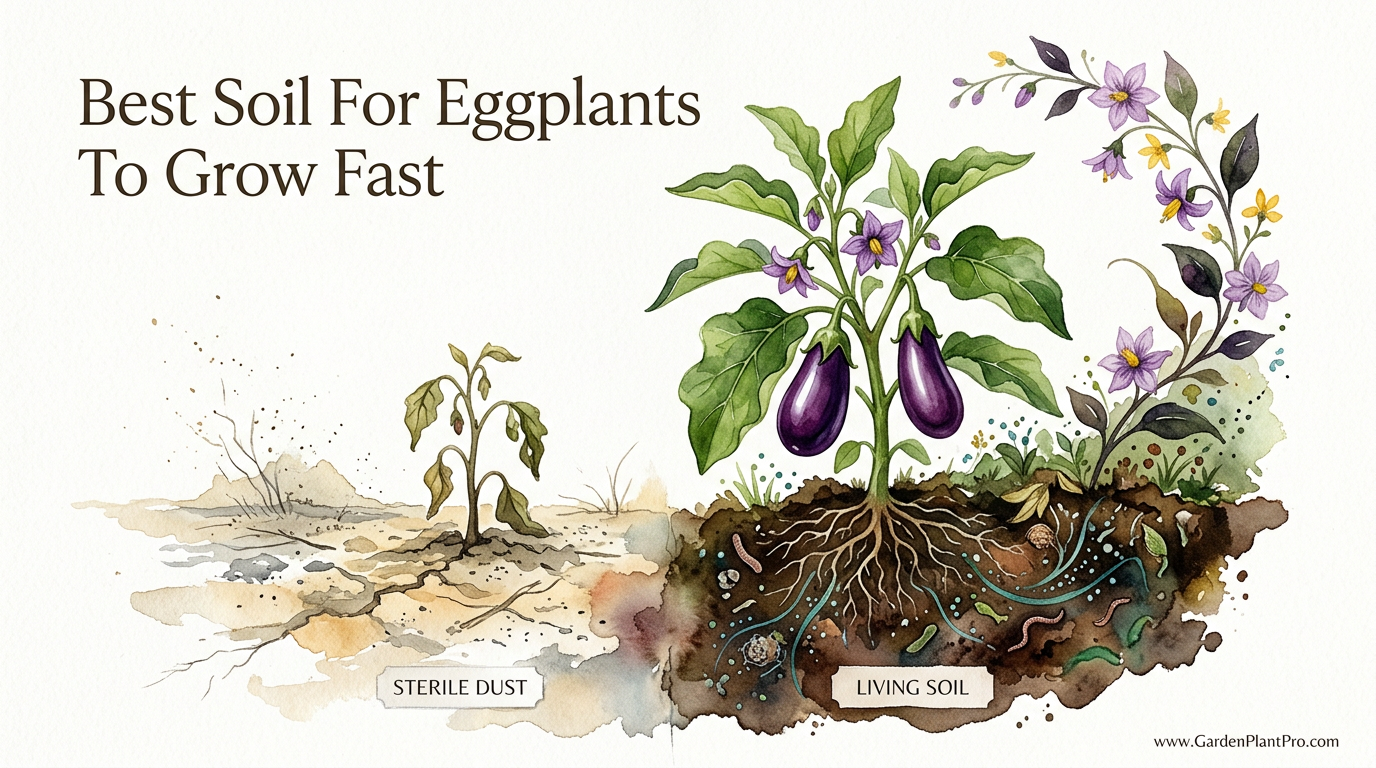
One of these feeds the plant for a day, the other builds a legacy for a lifetime. Most gardeners think a blue liquid or synthetic pellet is the answer. True pros know that a living ecosystem does the work for you. Stop feeding the plant and start feeding the soil.
When you look at a thriving garden, you aren’t just seeing green leaves and purple fruit. You are looking at the result of a complex dance happening beneath your boots. For years, I chased the biggest harvests by dumping chemicals into the ground, only to find my soil tired and dusty by the end of the season. It took me a long time to realize that eggplants, those beautiful but finicky heavy feeders, don’t want a quick fix. They want a home.
If you want to see your eggplants take off like a rocket, you have to understand what they need from the ground up. These plants are the sun-worshippers of the vegetable world. They have deep roots that crave warmth, consistent moisture, and a buffet of nutrients that are ready to go the moment the weather turns hot. Preparing the right foundation is the difference between a plant that struggles to produce one fruit and one that bows under the weight of a dozen.
Best Soil For Eggplants To Grow Fast
The best soil for eggplants to grow fast is a deep, loamy, well-draining medium that is rich in organic matter and maintains a soil temperature of at least 21°C (70°F). Eggplants are members of the Solanaceae family, alongside tomatoes and peppers, but they are often more demanding when it comes to soil quality. They require a “loose” structure that allows their delicate root systems to expand rapidly without hitting hardpan or clay barriers.
In the real world, this means creating a soil profile that mimics the fertile floodplains where their ancestors thrived. Soil that is too sandy will lose moisture and nutrients too quickly, leaving the plant thirsty and stunted. Conversely, heavy clay soil stays too cold in the spring and holds onto water like a sponge, which often leads to root rot or fungal issues. The “sweet spot” is a loam that crumbles easily in your hand—moist enough to hold its shape when squeezed, but loose enough to fall apart when poked.
Speed of growth is directly tied to soil temperature and nitrogen availability. Because eggplants have a relatively long growing season, usually 70 to 90 days from transplanting, they need to establish a massive root system early. If the soil is cold (below 15°C / 60°F), the plant simply sits still, regardless of how much fertilizer you give it. Fast growth happens when the soil is biologically active, warm, and structurally light.
The Mechanics of Fast-Growing Soil
To get eggplants moving, you have to manage the physical and biological components of your garden beds. It starts with aeration. Eggplant roots need oxygen just as much as they need water. In compacted soil, the exchange of gases is restricted, which slows down the metabolic processes of the plant. If you want speed, you need to ensure your soil is “fluffed” with plenty of organic material like compost or aged leaf mold.
Biological activity is the second engine of growth. When you use living soil instead of sterile dust, you have billions of microbes breaking down organic matter into a form the plant can actually drink. This is the difference between a “legacy” soil and a “day-feed” soil. Microbes like mycorrhizal fungi form symbiotic relationships with eggplant roots, effectively extending the root system’s reach by 10 to 100 times. This allows the plant to pull in phosphorus and water from far beyond its own physical footprint.
Thermal mass is the third factor. Because eggplants are tropical in origin, their enzymes work best when the soil is warm. Dark soil, rich in carbon and organic matter, absorbs more solar radiation than light-colored, sandy soil. You can further enhance this by using techniques like raised beds or mounding, which allow the soil to drain faster and heat up earlier in the spring compared to flat ground.
Preparing the Ground for Success
Preparing your soil for eggplants should ideally begin months before the first seedling touches the dirt. If you are working with a new garden plot, start by clearing away weeds and debris. Avoid tilling if possible, as over-tilling can destroy the very fungal networks that help eggplants grow fast. Instead, try a “broadfork” approach to loosen the soil deeply without flipping the layers.
Apply a generous layer of finished compost, about 5 to 10 cm (2 to 4 inches) deep, across the surface of the bed. If your soil is particularly heavy or lacks nutrients, you can “double-dig” or gently mix this compost into the top 15 cm (6 inches). This creates a nutrient-dense “crash pad” for the transplants. Eggplants are heavy users of nitrogen for leaf growth and phosphorus for flower production, so adding a slow-release organic source like well-rotted manure or bone meal during this phase is a smart move.
Testing your pH is another critical step. Eggplants prefer a slightly acidic to neutral range, typically between 5.5 and 7.0. If your soil is too alkaline (above 7.5), the plant will struggle to take up iron and phosphorus, leading to yellowing leaves and slow growth. If the soil is too acidic (below 5.0), you might see calcium deficiencies. A simple home test kit can tell you if you need to add lime to raise the pH or sulfur to lower it.
Essential Nutrients for Rapid Development
While nitrogen gets the most attention for making plants green, eggplants need a balanced diet to move quickly. During the first few weeks after transplanting, the focus is on nitrogen. This builds the “solar panels”—the large, broad leaves that will eventually power fruit production. Sources like blood meal, alfalfa meal, or high-quality compost teas are excellent for this early stage.
As the plant matures and begins to set flower buds, its needs shift toward phosphorus and potassium. Phosphorus is the engine for root development and bloom production. Without enough of it, you’ll have a beautiful green bush with no fruit. Potassium, on the other hand, regulates water movement and enzyme activation within the plant. It’s what gives the eggplant its firm texture and glossy skin.
Don’t forget the micronutrients. Eggplants are prone to magnesium and calcium deficiencies, especially in fast-growing conditions. A pinch of Epsom salts (magnesium sulfate) mixed into the soil or used as a foliar spray can help prevent “interveinal chlorosis,” where the leaves turn yellow while the veins stay green. Calcium is vital for cell wall strength; a lack of it can lead to blossom end rot, though this is less common in eggplants than in tomatoes.
Benefits of a Living Soil Approach
Choosing to build a living soil ecosystem rather than relying on synthetic boosters offers several long-term advantages. First, the water-holding capacity of organic-rich soil is significantly higher. This is vital for eggplants, which have high transpiration rates due to their large leaves. A soil rich in humus acts like a reservoir, releasing moisture slowly and preventing the “wilt-and-recover” cycle that stresses the plant and delays harvest.
Another benefit is pest and disease resistance. Plants grown in a living ecosystem often develop thicker cell walls and higher levels of secondary metabolites that deter pests like flea beetles—the eggplant’s arch-nemesis. When the soil is healthy, the plant spends less energy on survival and more energy on growth. You’ll also find that fruit from living soil often has a more complex, less bitter flavor profile compared to those grown in sterile environments with salt-based fertilizers.
Finally, there is the benefit of sustainability. Synthetic fertilizers are essentially salts that, over time, can kill off beneficial soil life and lead to a “crusting” of the soil surface. By feeding the soil with organic matter, you are creating a self-sustaining cycle. The organic matter you add this year will continue to break down and feed your garden for seasons to come, reducing the need for expensive inputs in the future.
Challenges and Common Pitfalls
The biggest mistake gardeners make with eggplants is planting them too early into cold soil. I’ve seen many neighbors rush their seedlings into the ground the moment the frost passes. If the soil temperature is below 15°C (60°F), the eggplant will go into a “stasis” mode. Even if the air is warm, the cold roots will stunt the plant’s growth for the rest of the season. It is often better to wait two weeks for the soil to warm up than to rush and lose that early momentum.
Over-fertilizing with high-nitrogen synthetic products is another trap. This leads to massive, lush plants that look like prize-winners but produce zero fruit. The plant becomes “lazy,” focusing entirely on vegetative growth and ignoring its reproductive cycle. In living soil, the release of nitrogen is moderated by microbial activity, which naturally slows down as the plant’s needs change, leading to a much better balance of leaves and fruit.
DIY PROJECT: Collect rainwater no matter where you live...
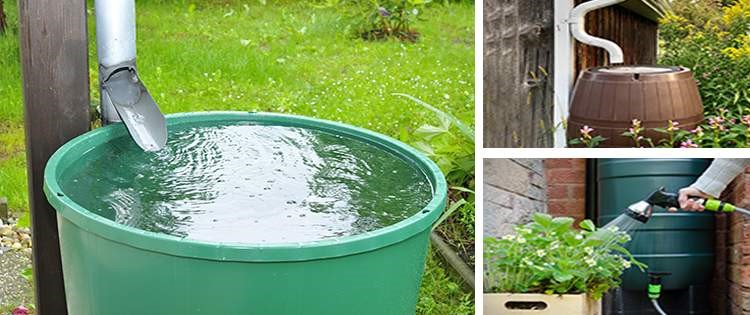
This DIY project is the best way to legally collect rainwater NO MATTER where you live. Get chlorine-free water, cut down on your water bills, and have enough for an emergency situation or to water your garden. Read More Here...
Drainage is a constant challenge. If you see your eggplant leaves turning yellow and dropping, check the moisture level. Soggy soil prevents the roots from breathing and can lead to Verticillium wilt—a soil-borne fungus that clogs the plant’s vascular system. Once this fungus takes hold in poorly drained soil, it can stay in the ground for years, making it difficult to grow any Solanaceous crops in that spot again.
Limitations of Soil Optimization
While soil is the foundation, it isn’t a magic wand. There are realistic constraints that even the best soil cannot overcome. For instance, eggplants require at least 6 to 8 hours of direct, intense sunlight. If your garden is shaded, no amount of compost will make those eggplants grow fast. They need the sun’s energy to drive the photosynthesis that turns soil nutrients into purple fruit.
Climate also plays a role. In very humid regions, even perfect soil can’t prevent certain fungal blights from attacking the foliage. In very arid regions, the evaporation rate might be so high that you need to use heavy mulching just to keep the soil life alive. You must adapt your soil strategy to your specific microclimate. What works for a gardener in a Mediterranean climate might need adjustment for someone in a temperate or tropical zone.
Space is another limitation. Eggplants need room for air to circulate. If you have the best soil in the world but you crowd your plants 15 cm (6 inches) apart, they will compete for nutrients and light, and the lack of airflow will invite pests. Proper spacing—usually 45 to 60 cm (18 to 24 inches) apart—is essential to allow the soil’s resources to be used effectively by each plant.
Comparison: Living Soil vs. Sterile Dust (Synthetic Mixes)
| Feature | Living Soil (Ecosystem) | Sterile Dust (Synthetic/Salts) |
|---|---|---|
| Nutrient Release | Slow and steady; regulated by microbes. | Immediate burst; followed by a rapid crash. |
| Water Retention | High; organic matter acts like a sponge. | Low; requires frequent, precise irrigation. |
| Long-term Health | Improves year over year. | Degrades; can lead to salt buildup. |
| Pest Resistance | Higher due to plant “immune” response. | Lower; plants often “softer” and more attractive to aphids. |
| Cost | Low (compost, mulch, local inputs). | Moderate to High (recurring fertilizer purchases). |
Practical Tips for Faster Eggplant Growth
- Warm the soil early: Two weeks before planting, lay down black plastic or dark fabric mulch over your beds. This can raise the soil temperature by 3 to 5 degrees, giving your transplants a massive head start.
- Use “Garden Gold”: Mix in a handful of worm castings into each planting hole. Worm castings are rich in humic acid and plant growth hormones that trigger rapid root expansion.
- Mulch wisely: Once the soil is warm and the plants are established, apply a layer of straw or shredded leaves. This protects the soil microbes from the sun and keeps moisture levels consistent.
- Water deeply, not frequently: Encourage the roots to go deep by watering thoroughly once or twice a week rather than a little bit every day. Deep roots access more minerals and keep the plant stable during heatwaves.
- Pinch the first flowers: It sounds counterintuitive, but if your plant is small and starts flowering, pinch those first buds off. This forces the plant to put its energy into more soil-to-leaf growth, leading to a much larger harvest later.
Advanced Considerations: Biochar and Inoculants
For those looking to take their soil to the next level, consider the use of biochar. Biochar is a form of charcoal that is used as a soil amendment. It acts like a “microbial skyscraper,” providing millions of tiny pores where beneficial bacteria and fungi can live safely. When “charged” with liquid seaweed or compost tea before being added to the soil, biochar can significantly increase the nutrient-holding capacity of your eggplant beds for decades.
Soil inoculants are another advanced tool. These are concentrated doses of specific beneficial bacteria, such as *Bacillus subtilis* or mycorrhizae. By coating the roots of your eggplant seedlings in these inoculants during transplanting, you ensure that the “good guys” are the first ones to colonize the root zone. This proactive approach can prevent soil-borne diseases and help the plant process nitrogen more efficiently.
Think also about the role of cover crops in your soil cycle. Planting a nitrogen-fixing cover crop like crimson clover or hairy vetch in the off-season can naturally “recharge” the soil. When you mow these crops down and let them decompose in place (a method often called “crimping” or “green manure”), you are providing a massive injection of organic carbon and nitrogen that is far superior to any bagged fertilizer.
Scenario: The “Black Beauty” Test
Imagine two gardeners, Alice and Bob, both planting the “Black Beauty” variety of eggplant. Bob uses a standard potting mix and feeds his plants with a synthetic 10-10-10 fertilizer every two weeks. His plants grow quickly at first, but by mid-summer, they look spindly, and he struggles with flea beetle infestations that riddle the leaves with holes. His soil feels dusty and dry between waterings.
Alice, on the other hand, spent the fall adding compost and leaf mold to her raised beds. In the spring, she warmed the soil with black plastic and added worm castings to each hole. Her plants grow at a steady, robust pace. The leaves are thick, dark green, and seem to resist the beetles. Even when a heatwave hits, her soil stays moist and cool under a thick layer of straw mulch.
By the end of the season, Bob harvests four or five small eggplants per plant before they succumb to the heat. Alice, however, is giving eggplants away to her neighbors because her plants are still producing large, glossy fruits well into the autumn. The difference wasn’t the variety of seed or the amount of water—it was the investment in the soil ecosystem. Alice built a legacy; Bob fed a plant for a day.
Final Thoughts
Creating the best soil for eggplants to grow fast is not about finding a secret ingredient or a high-priced bottle of liquid. It is about understanding the simple needs of a tropical plant and providing a stable, warm, and biologically active environment. When you focus on building the soil’s structure and supporting its life, the plants will almost take care of themselves.
Remember that soil health is a journey, not a destination. Each year you add organic matter, avoid compaction, and encourage microbial life, your garden will become more resilient and productive. Eggplants are just the beginning; once you master the art of “feeding the soil,” you’ll find that every crop in your garden responds with vigor.
I encourage you to get your hands dirty this season. Test your pH, start a compost pile, and pay attention to how your soil feels after a rain. The lessons you learn from the earth are far more valuable than anything you can read in a manual. Start small, be patient, and let the soil do the heavy lifting. Your eggplants—and your future self—will thank you for it.
If you’re interested in continuing your journey toward a more productive garden, consider exploring the nuances of composting techniques, drip irrigation systems, or integrated pest management to further protect the living ecosystem you’ve worked so hard to build.