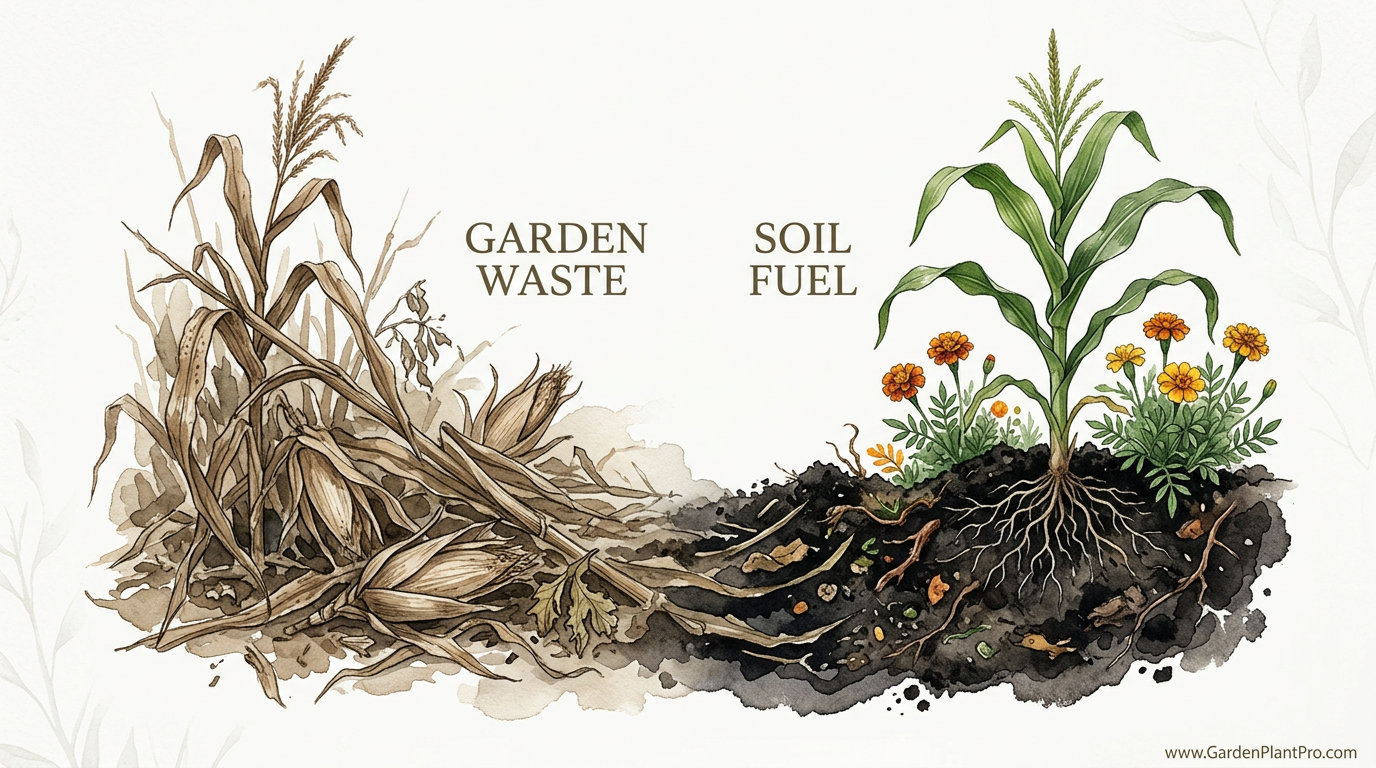
That ‘trash’ at the end of the season is actually the secret to next year’s record-breaking yield. Most gardeners see post-harvest corn stalks as a nuisance to be cleared. The pros see them as free carbon gold. By shredding and returning them to the earth, you build soil structure and retain moisture like never before.
Imagine standing in your late-autumn garden, looking at rows of dried, brown skeletons where sweet corn once stood. Most neighbors are hauling these tall stalks to the curb or burning them in a smoky pile. Decades of working this earth have taught me that those stalks are not waste; they are the concentrated essence of a summer’s worth of sunlight and soil nutrients.
Every stalk is a straw-like vessel designed to hold moisture and provide the structural backbone for your soil’s microscopic life. Turning this garden waste into soil fuel is one of the most satisfying ways to close the loop in a self-sustaining backyard. I want to show you how to treat this “rubbish” like the investment it truly is.
How To Reuse Corn Stalks In Garden
Reusing corn stalks involves returning the fibrous, carbon-rich plant matter back to the ecosystem of your garden rather than disposing of it as waste. In the world of the seasoned gardener, this is the ultimate act of recycling. Corn is a “heavy feeder,” meaning it pulls significant amounts of nitrogen, phosphorus, and potassium from the ground to grow those 6-to-8-foot (1.8-to-2.4-meter) towers.
Keeping those stalks on your property ensures that the minerals and organic compounds the plant spent months assembling stay right where they are needed most. You are essentially creating a closed-loop system where the “trash” from one season becomes the “gold” for the next. This practice is used in everything from commercial no-till farming to small-scale permaculture plots.
In a practical sense, corn stalks serve two main purposes: physical protection and biological enrichment. Physically, they can be used as heavy-duty mulch, windbreaks, or even structural supports. Biologically, they are a massive source of “brown” or carbon-rich material that feeds the fungal networks and earthworms in your soil. Think of a corn stalk as a slow-release battery of organic energy waiting to be tapped.
Processing the Harvest: From Towers to Mulch
Handling these tall, rigid structures requires a bit of strategy. A whole corn stalk can take years to break down if left intact, often becoming a tripping hazard or a woody mess in the spring. Breaking the material into smaller pieces increases the surface area, allowing soil microbes to move in and start the decomposition process immediately.
Mechanical Shredding
The most efficient way to process corn stalks is through a dedicated wood chipper or a heavy-duty garden shredder. Feeding a dry stalk through a chipper turns it into 1-to-2-inch (2.5-to-5-centimeter) flakes that look and act like high-quality wood chips. These flakes are excellent for suppressing weeds and holding moisture.
The Lawnmower Method
Many backyard gardeners don’t own a chipper, but most have a lawnmower. Lay the stalks in a thin row on a flat patch of grass or a tilled bed and run over them with a mulching mower. You may need to make two or three passes to get the pieces small enough. This method works best when the stalks are still slightly flexible or “green-dry,” as completely brittle stalks can shatter and dull the mower blades quickly.
Manual Chopping
Chopping stalks by hand is a rhythmic, nostalgic task for those with smaller plots. A sharp machete and a sturdy chopping block allow you to cut the stalks into 4-inch (10-centimeter) segments. While more labor-intensive, this prevents the soil from being overwhelmed by a “mat” of long fibers, making it much easier to plant through in the following spring.
The Benefits of Turning Trash into Soil Fuel
Soil fuel is a term I like to use for organic matter that actively drives the biological engine of the earth. Corn stalks are prime soil fuel because they are packed with cellulose and lignin, the “slow-burn” fuels of the fungal world. While green grass clippings provide a quick “sugar high” of nitrogen, corn stalks provide the long-lasting energy that builds deep, dark humus.
Moisture Retention and Temperature Buffering
Shredded corn stalks act like a million tiny sponges. Research shows that corn stover—the leaves, stalks, and husks left after harvest—can significantly reduce soil evaporation. During a scorching summer, a 3-inch (7.5-centimeter) layer of corn mulch can keep the soil temperature up to 10 degrees Fahrenheit (5.5 degrees Celsius) cooler than bare earth. This protection keeps your plant roots from stressing and prevents the soil from baking into a hard crust.
Carbon Sequestration and Soil Structure
Returning high-carbon material to the ground is a direct way to fight soil depletion. As earthworms pull the bits of stalk down into their burrows, they create channels for air and water. This process turns heavy clay into crumbly loam over several seasons. The high carbon-to-nitrogen ratio of corn stalks ensures they don’t vanish overnight, providing a stable habitat for beneficial mycorrhizal fungi.
Nutrient Recycling
Corn stalks contain surprisingly high amounts of potassium and silica. Potassium is vital for water regulation and disease resistance in plants, while silica strengthens the cell walls of next year’s crops. Leaving the stalks in the garden allows these minerals to leach back into the root zone as the plant matter decays.
Navigating the Challenges: Pests and Nitrogen Lock
Every seasoned gardener knows that you don’t get something for nothing. While corn stalks are a boon, they come with specific “fine print” that can trip up a beginner. Understanding the relationship between carbon and nitrogen is the most important part of this process.
The Nitrogen Tie-Up
Corn stalks have a carbon-to-nitrogen (C:N) ratio of about 60:1 or even 70:1. Soil microbes prefer a “diet” closer to 24:1. When you add a massive amount of high-carbon corn stalks to the soil, the microbes go into a feeding frenzy. To process all that carbon, they “borrow” nitrogen from the surrounding soil, effectively locking it up so your plants can’t reach it.
Preventing this “nitrogen lock” is simple: never till large amounts of fresh corn stalks directly into the soil right before planting. Instead, use them as a surface mulch or mix them with a nitrogen source like composted manure, blood meal, or fresh grass clippings. This ensures the microbes have the “greens” they need to process the “browns.”
Pest and Disease Overwintering
The hollow base of a corn stalk is a cozy winter hotel for the European corn borer and other pests. If you had a heavy infestation during the growing season, leaving the stalks intact is an invitation for trouble next year. Shredding the stalks effectively destroys these winter habitats. Furthermore, fungal diseases like stalk rot can survive on crop residue. If your corn was diseased, it is often better to hot-compost the stalks rather than use them as a direct mulch in the same bed.
Limitations: When This May Not Be Ideal
Balanced gardening requires knowing when a technique isn’t the right fit. There are specific environmental and practical boundaries where reusing corn stalks might cause more headaches than help.
DIY PROJECT: Collect rainwater no matter where you live...
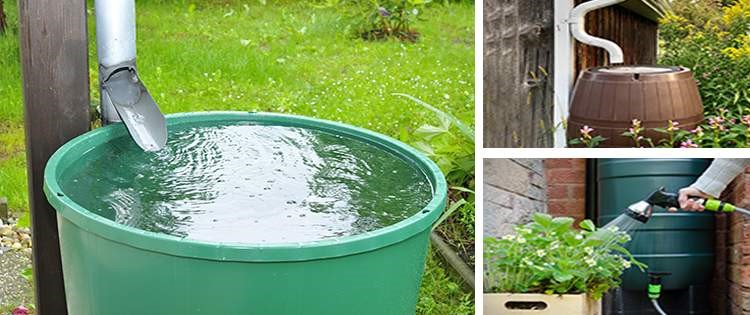
This DIY project is the best way to legally collect rainwater NO MATTER where you live. Get chlorine-free water, cut down on your water bills, and have enough for an emergency situation or to water your garden. Read More Here...
Cold, Wet Climates
In regions with very short, wet springs, a thick layer of corn stalk mulch can be a disadvantage. Because the mulch is such a good insulator, it keeps the ground frozen or cold longer than bare soil. This can delay your planting date by several weeks. If you live in a northern climate, it is often best to rake the mulch aside in early spring to let the sun hit the dark soil directly, then move it back once the plants are established.
Small-Scale Aesthetic Concerns
Let’s be honest: shredded corn stalks don’t look as “neat” as dyed bark mulch from the garden center. If you are growing in a front-yard bed where the neighbors’ opinions matter, the coarse, straw-like appearance of corn stover might not be the look you want. In these cases, using corn stalks as the bottom layer of a compost pile or as a “hidden” mulch under a thin layer of more attractive material is a better strategy.
Comparing Corn Stalks to Other Common Mulches
Choosing the right mulch depends on your specific goals. Corn stalks are a unique middle ground between the lightness of straw and the durability of wood chips.
| Feature | Shredded Corn Stalks | Wheat/Oat Straw | Wood Chips |
|---|---|---|---|
| Decomposition Rate | Medium (6–12 months) | Fast (3–6 months) | Slow (1–3 years) |
| Nitrogen Draw | Moderate | Low to Moderate | High |
| Weed Seed Risk | Very Low (if ears removed) | Moderate | Very Low |
| Moisture Absorption | High (Spongy) | Moderate | Low (Protects surface) |
| Cost | Free (from your garden) | Low to Medium | Medium to High |
Practical Tips for Best Results
Applying these lessons in the garden is where the magic happens. A few small adjustments to your routine can make the difference between a messy pile and a thriving soil ecosystem.
- Remove the Cobs: Always strip off any remaining ears or “nubbins” before shredding. Corn kernels will sprout into “volunteer” corn next year, which can become a weed in its own right.
- The “Green” Advantage: If you shred the stalks while they still have a bit of green in them, they contain slightly more nitrogen and will break down faster. Once they turn paper-brown, they are almost pure carbon.
- Pathway Padding: Use whole or coarsely chopped stalks to fill in muddy garden paths. They provide excellent traction and slowly break down into a rich base for future garden expansion.
- Winter Protection: Tall, upright stalks can be tied together in “teepees” around tender perennials or young shrubs to act as a windbreak. This helps prevent desiccation from cold winter winds.
- Pea and Bean Trellises: Leaving the stalks standing in the ground and planting climbing peas or beans at the base is a classic permaculture move. The legumes fix nitrogen in the soil, which helps the corn stalk decompose, while the stalk provides a free, sturdy trellis.
Advanced Considerations: Beyond Mulching
For those who want to take their soil building to the next level, corn stalks can be integrated into more complex systems. Deep-mulch practitioners often use corn stover as a secondary layer in “Hugelkultur” beds or sheet-mulching (lasagna gardening) setups.
The Fungal Focus
Corn stalks are particularly attractive to “white rot” fungi. These fungi are the only organisms capable of efficiently breaking down lignin. By using corn stalks consistently, you encourage a fungal-dominant soil. This is ideal for perennial crops, fruit trees, and berries, which thrive in soils where fungi, rather than bacteria, are the primary decomposers.
Biochar Potential
If you have a safe way to create biochar, corn stalks are an excellent feedstock. Because they are hollow and fibrous, the resulting charcoal has an incredibly high internal surface area. This creates a “microbe hotel” that can hold onto nutrients and water for hundreds of years once charged with compost tea and buried in the garden.
Real-World Example: The “Zero-Waste” Tomato Bed
I once took an old sweet corn patch and decided not to remove a single ounce of organic matter. I shredded the stalks with a mower and left them on the surface over winter. In early spring, I pulled the mulch back in 12-inch (30-centimeter) circles and added a shovelful of composted chicken manure to each spot.
I planted my tomato starts directly into those compost pockets. The high-carbon corn mulch suppressed almost all the weeds and kept the soil moist during a three-week drought in July. By the end of the season, the mulch had mostly vanished, turned into rich worm castings. The tomatoes were the healthiest I had grown in years, largely because the soil biology was fed exactly what it needed during the winter transition.
Final Thoughts
Learning to see the value in what others discard is the hallmark of an experienced gardener. Corn stalks are not an end-of-season chore to be completed; they are the starting material for next year’s success. Transitioning from viewing garden waste as a problem to seeing it as soil fuel changes the way you interact with your land.
Whether you choose to shred them into a fine mulch, use them as a sturdy trellis, or pile them into a slow-cooking compost heap, you are making an investment in the long-term health of your soil. Every piece of stalk returned to the earth is a bit of fertility that you don’t have to buy in a bag next spring.
Experiment with these methods and see what works best in your specific climate and soil type. Gardening is a lifelong conversation with the earth, and those old corn stalks have plenty more to say if you’re willing to listen. Your soil will thank you with a deeper, richer structure and a bounty that proves that nothing in nature is ever truly wasted.