
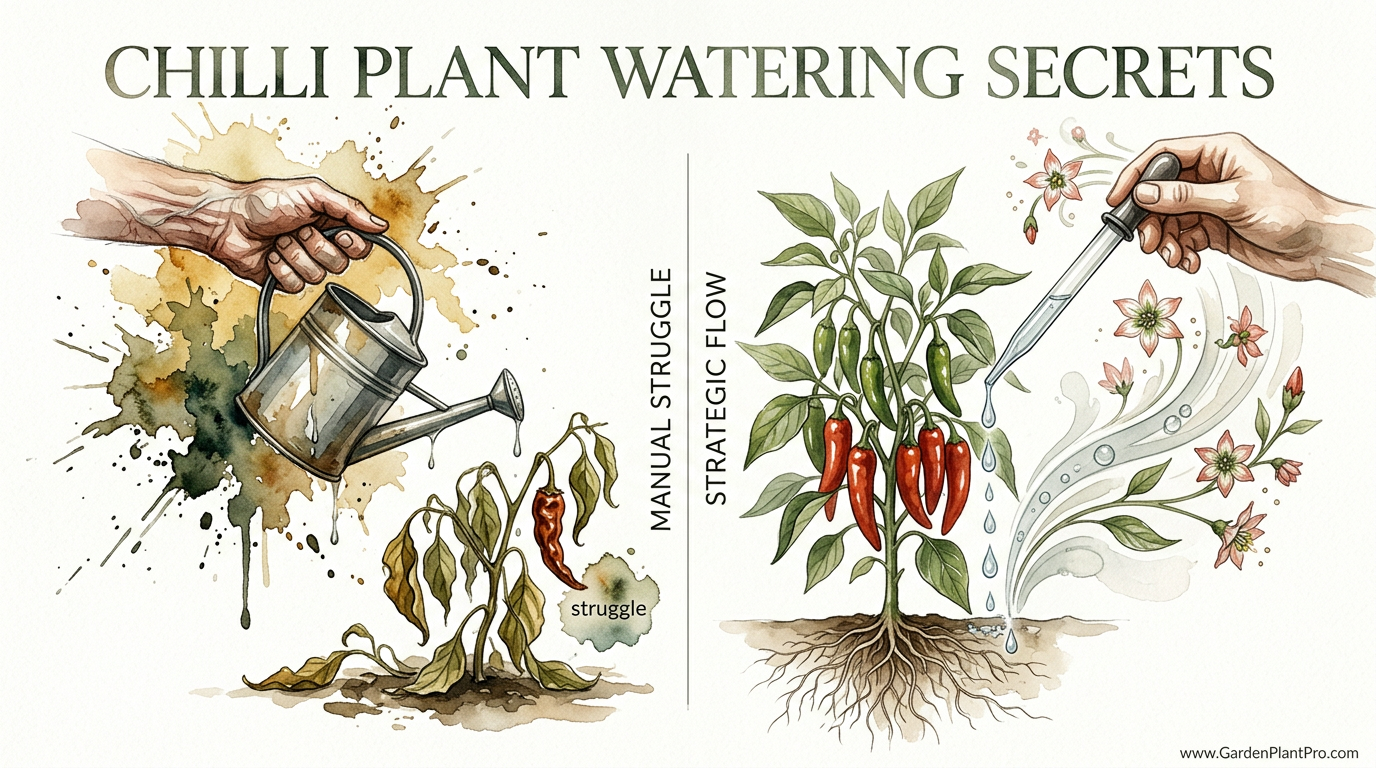
This one simple change saved my pepper plants and 5 hours of work every single week. Why spend your entire summer tethered to a hose? Strategic wicking beds mimic nature’s ground-water systems, giving your chillis a constant, stress-free supply of hydration that produces double the fruit.
Pull up a chair and let me tell you about the years I spent watching my prize Habaneros and Scotch Bonnets wilt under the afternoon sun. I used to think that dragging a heavy hose around at sunset was just part of the price you paid for a decent harvest.
Living through long, dry summers taught me that standard garden beds are often a recipe for manual struggle. You water the top, the sun bakes it off, and the roots never quite find that deep, steady moisture they crave.
Switching to a strategic flow system changed everything in my backyard. Now, instead of worrying about daily watering, I check a single pipe once a week and let the physics of the earth do the heavy lifting for me.
Chilli Plant Watering Secrets
Chilli plants are notoriously picky about their feet. If they sit in soggy, cold mud, the roots rot and the plant sulks. If the soil bone-dries for even a few hours during a heatwave, the flowers drop and your harvest disappears.
Wicking beds solve this by keeping a hidden reservoir of water beneath the soil. This system uses capillary action to pull moisture upward, much like how a sponge draws up a spill on the kitchen counter.
Roots naturally grow toward this consistent water source. Unlike traditional top-down watering where the surface is wet and the deep soil is dry, wicking beds keep the lower soil moist while the very top layer stays relatively dry.
Gardeners use this setup in everywhere from scorched desert climates to windy balconies. It creates a self-contained ecosystem where the plant dictates its own water intake, leading to massive growth and peppers that are often much larger than their conventionally-grown cousins.
How the Wicking System Functions
Success with these beds depends on understanding a few simple principles of physics. Water has a natural “stickiness” that allows it to climb through small pores in the soil. This vertical climb is limited to about 300mm to 350mm (12 to 14 inches) for most high-quality garden mixes.
The basic anatomy involves a waterproof liner at the bottom, usually made of a thick 45-mil EPDM or a food-grade polyethylene. Inside this liner sits a reservoir of stones, scoria, or specialized plastic wicking cells.
An inlet pipe—usually a simple 50mm (2-inch) PVC tube—runs from the surface down into this reservoir. This is where you add water. An overflow hole is drilled into the side of the bed at the exact point where the reservoir meets the soil.
When you fill the bed, the water fills the gaps between the stones. Once the reservoir is full, excess water pours out the overflow hole, preventing the soil from ever becoming a swamp. The soil sits directly above this reservoir, separated by a permeable geotextile fabric that lets water through but keeps dirt out of the tank.
Building Your First Chilli Wicking Bed
Setting up a bed from scratch requires a bit of sweat on the front end, but it pays back in decades of saved labor. You can use old IBC (Intermediate Bulk Container) tanks cut in half, or build a beautiful timber frame lined with a waterproof membrane.
The Reservoir Layer
Filling the bottom 200mm (8 inches) of your container with a stable medium is the first step. Scoria is a popular choice because its porous nature holds extra water and provides a massive surface area for wicking.
Small, 12mm (1/2 inch) stones work better than large rocks because they create more contact points for the water to climb. Some modern gardeners use recycled plastic cells, which are much lighter and hold more water volume than stones.
The Separation Barrier
Placing a layer of geotextile fabric over the reservoir is non-negotiable. This fabric acts as a filter, preventing fine soil particles from washing down into the reservoir and turning it into a stagnant mess.
Avoid using cheap weed matting, as it often lacks the permeability required for efficient wicking. The fabric should wrap up the interior sides of the bed slightly to create a “basket” for the soil.
Installing the Pipes
Cutting your PVC inlet pipe at a 45-degree angle at the bottom prevents it from being blocked by the liner. This pipe should stand tall enough to be easily reached with a hose.
The overflow pipe is the most important part of the build. It must be positioned exactly at the top of the reservoir layer. If it is too low, you lose water capacity; if it is too high, the soil stays saturated and your peppers will likely develop root rot.
Crafting the Perfect Soil Mix
Standard backyard dirt is too heavy for a wicking bed. It tends to compact and lose its ability to “breathe,” which is a death sentence for chilli plants. You need a mix that is high in organic matter and has excellent capillary properties.
DIY PROJECT: Collect rainwater no matter where you live...
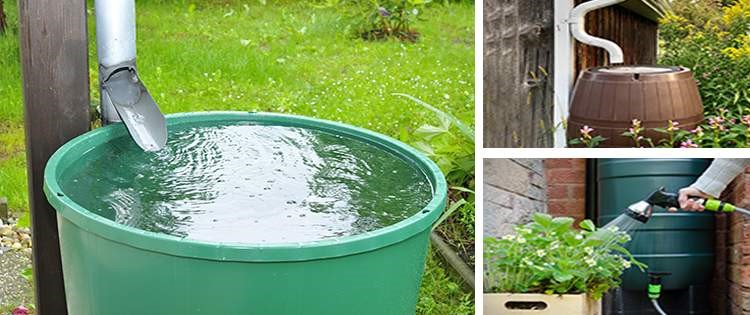
This DIY project is the best way to legally collect rainwater NO MATTER where you live. Get chlorine-free water, cut down on your water bills, and have enough for an emergency situation or to water your garden. Read More Here...
A reliable recipe consists of 40% high-quality compost, 40% coco coir or peat moss, and 20% perlite or vermiculite. Coco coir is a phenomenal wicking agent because it holds moisture like a charm while remaining fluffy.
Adding worm castings or well-rotted cow manure provides the slow-release nutrients chillies need for fruit production. Avoid fresh manures, as the runoff can seep into the reservoir and cause the water to become anaerobic and smelly.
Keep the soil depth around 300mm (12 inches). Going much deeper makes it hard for the water to reach the surface, while a shallower bed might stay too wet for certain sensitive pepper varieties like Habaneros.
Benefits of the Wicking Approach
Switching to this system offers more than just a break from the hose. It changes the entire biology of your garden.
- Water Efficiency: Wicking beds use up to 80% less water than traditional beds because evaporation is almost entirely eliminated.
- Consistent Growth: Plants never experience the “wilting stress” cycle. This results in thicker stems and more robust foliage.
- Increased Yield: Chillies respond to steady moisture by producing more flowers. My own harvests of Jalapeños have doubled since moving them to wicking tubs.
- Cooler Roots: The reservoir acts as a thermal mass, keeping the root zone significantly cooler during brutal 40°C (104°F) heatwaves.
- Disease Reduction: Keeping the foliage dry by watering from below drastically reduces the risk of fungal diseases and blight.
Challenges and Common Mistakes
Even the best systems have a few quirks that can catch you off guard if you aren’t careful.
One of the most frequent errors is forgetting to “top-water” new seedlings. Until a chilli plant’s roots grow deep enough to reach the moisture-wicking zone, it still needs traditional watering. Plan on watering the surface for the first 10 to 14 days after planting.
Another issue is the buildup of salts. In a traditional garden, rain washes excess minerals deep into the earth. In a closed wicking system, minerals from fertilizers can accumulate over time.
Preventing this is as simple as “flushing” the bed once or twice a year. During a heavy rain, or by using a hose, water the soil from the top until the water runs clear out of the overflow pipe. This carries away the salt buildup and refreshes the system.
Limitations to Consider
Wicking beds are not a “one size fits all” solution for every corner of the yard.
Weight is a major factor. A full wicking bed contains hundreds of liters of water and heavy soil. Placing one of these on a standard timber deck without structural reinforcement is a recipe for disaster.
Cold climates also present a unique challenge. In regions where the ground freezes solid, a full water reservoir can expand and crack the container or the liner. If you live in a deep-freeze zone, you must drain the reservoir before winter hits.
Initial cost is higher than a simple mound of dirt. Buying liners, pipes, and bulk perlite takes an upfront investment. However, when you factor in the water savings and the value of your time, the bed usually pays for itself within two growing seasons.
Comparison: Traditional vs. Wicking Systems
Choosing the right method depends on your specific gardening goals and local climate.
| Feature | Traditional Raised Bed | Strategic Wicking Bed |
|---|---|---|
| Water Usage | High (lots of evaporation) | Very Low (80% savings) |
| Watering Frequency | Daily in summer | Every 7–14 days |
| Setup Complexity | Low | Medium to High |
| Nutrient Leaching | High (washed away) | Minimal (stays in system) |
| Root Health | Varied (moisture swings) | Excellent (consistent) |
Practical Tips for Peak Production
Feeding your chillies in a wicking bed requires a slightly different approach than a standard patch.
Mixing a balanced granular organic fertilizer into the top 10cm (4 inches) of soil at the start of the season works best. As the water wicks up, it slowly dissolves these nutrients and brings them to the roots.
Supplemental feeding can be done with a liquid kelp or fish emulsion drench applied directly to the soil surface. Some gardeners try to put liquid fertilizer directly down the inlet pipe, but this can lead to algae growth in the reservoir.
Mulching is still vital. Even though the water is coming from below, a thick 5cm (2-inch) layer of straw or sugar cane mulch prevents the sun from baking the surface soil, which protects the shallow feeder roots that chillies use to take up oxygen.
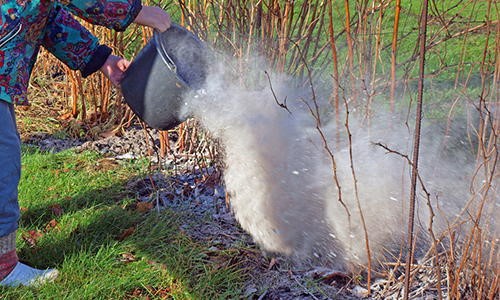
Do you have some charcoal in your house right now? We call charcoal a “miracle leftover” for anyone who wants to be a little more self-sufficient and cut costs. That’s because it can help you with so many different things around the house and garden. You can even use it to make an energy-free fridge. Read More Here...
Advanced Considerations
Serious practitioners often look for ways to scale up their systems.
Connecting multiple beds together with a single fill point is a great way to save even more time. By linking the reservoirs with a series of pipes, you can fill an entire row of 10 beds just by sticking your hose into one inlet.
Automatic refill valves, similar to those found in a toilet tank, can be installed in a small external “control bucket.” This allows you to connect a rainwater tank or garden hose so the reservoir stays at the perfect level 24/7, even while you are away on a three-week holiday.
Using biochar in the reservoir layer is another pro-tip. Biochar provides a permanent home for beneficial microbes and helps keep the water “sweet” and oxygenated, which prevents the reservoir from ever smelling like a swamp.
Examples in Practice
Imagine a gardener in a hot, inland region where summer temperatures regularly hit 38°C (100°F).
In a traditional bed, a single 10-meter (30-foot) row of chillies might require 200 liters (53 gallons) of water every evening. In a wicking bed system of the same size, the gardener fills the 500-liter (132-gallon) reservoir once every two weeks.
One real-world scenario involves growing the “Carolina Reaper.” These plants have a very long growing season and require immense amounts of energy. A wicking bed provides the constant nitrogen and potassium supply needed for the plant to sustain its massive foliage while simultaneously pumping heat into the peppers.
In my own tests, a Bird’s Eye chilli in a wicking tub reached 1.5 meters (5 feet) in height, whereas the same variety in a standard pot struggled to hit 60cm (2 feet) due to the erratic watering schedule of my busy life.
Final Thoughts
Embracing the wicking bed method isn’t just about laziness; it is about working with the natural laws of soil and water. By providing your chilli plants with a stable environment, you allow them to focus all their energy on fruit production rather than survival.
The initial work of hauling stones and cutting liners pays off the first time you look at your garden during a heatwave and see perfectly turgid, green leaves while the rest of the neighborhood is wilting. It gives you back your weekends and ensures that your spicy harvest is the talk of the next backyard barbecue.
Take the time to build one test bed this season. Once you see the difference in fruit size and the sheer relief of not carrying a watering can every night, you will likely find yourself converting the rest of your garden before the first frost hits. Experiment with different soil mixes and find what works best for your local conditions. Your peppers will thank you for it.