The secret to thick-walled, crunchy peppers is likely sitting in your kitchen trash right now. We used to spend $50 a season on liquid fertilizers, yet our peppers were thin-skinned and prone to rot. The solution wasn’t in a bottle; it was in the eggshells and coffee grounds we were throwing away. This simple DIY mix provides the calcium and magnesium capsicums crave for that perfect crunch.
If you have ever stood in your garden looking at a bell pepper that looked beautiful on the outside but felt papery and thin when you picked it, you know the frustration. Peppers are heavy feeders that require a specific balance of minerals to build those sturdy, juicy cell walls we love in a good salad or stir-fry. While commercial fertilizers can provide a quick hit of nutrients, they often skip over the slow-release secondary minerals that truly transform the texture of the fruit.
Building better soil is a marathon, not a sprint. Over decades of working my own backyard plots, I have found that the most resilient plants are the ones fed by the natural cycle of the kitchen and the garden. By repurposing what we usually discard, we aren’t just saving money; we are feeding the soil biology that, in turn, feeds our plants. Let’s look at how you can turn your morning breakfast scraps into the best harvest of capsicums you have ever had.
Best Free Fertilizer For Capsicum Plants
The best free fertilizer for capsicum plants is a balanced combination of spent coffee grounds and pulverized eggshells. This duo addresses the two most critical needs of the pepper family: nitrogen for lush, green vegetative growth and calcium for structural integrity. While nitrogen gets the plant tall and leafy, it is the calcium that ensures the fruit develops thick, sturdy walls and resists the dreaded blossom end rot.
Coffee grounds are a fantastic source of organic matter. Contrary to popular belief, used coffee grounds are not highly acidic; most of the acid ends up in your cup. The remaining grounds typically have a pH between 6.5 and 6.8, which is the “sweet spot” for peppers. They contain about 2% nitrogen by volume, along with trace amounts of potassium, phosphorus, and magnesium.
Eggshells are essentially nature’s time-release calcium capsules. They are made of roughly 95% calcium carbonate. When we add them to the soil, they provide the building blocks for plant cell walls. In the real world, a plant with a steady supply of calcium is like a house built with a strong foundation; it can withstand environmental stress, high temperatures, and the weight of a heavy fruit load without collapsing or “melting” at the tips.
The Science of the Crunch: How It Works
To get the most out of these kitchen scraps, you have to understand how the plant actually eats. Capsicum plants cannot simply “chew” an eggshell. The minerals must be broken down into an ionic form that can be absorbed by the roots through water. This is why many gardeners fail with eggshells—they throw big chunks into the hole, and five years later, those chunks are still there, doing absolutely nothing for the plant.
The Nitrogen Cycle in Coffee
When you spread coffee grounds around your peppers, you are feeding the soil microbes first. These tiny organisms break down the complex proteins in the coffee, slowly releasing nitrogen over a period of several months. This slow-release mechanism is much better for peppers than the sudden “spike” provided by synthetic liquids, which can often lead to lots of leaves but very little fruit.
Calcium Bioavailability
Eggshells require a bit more help. To make that calcium available for this season’s crop, you need to increase the surface area. Grinding the shells into a fine, flour-like powder allows soil acids and microbes to access the minerals much faster. For an even more immediate boost, you can use a simple chemical reaction with vinegar to create calcium acetate, a water-soluble form of calcium that the plant can drink up immediately.
The Role of Magnesium
While coffee and eggs are the stars, magnesium is the supporting actor that makes the whole show possible. Magnesium is the central atom in the chlorophyll molecule. Without it, your peppers cannot photosynthesize efficiently, leading to yellowing between the leaf veins. Coffee grounds naturally contain trace amounts of magnesium, which helps maintain that deep green color in the foliage and supports the uptake of phosphorus.
Step-By-Step: Preparing Your Kitchen Gold
Don’t just toss your scraps into the garden and hope for the best. A little preparation goes a long way in ensuring your plants get fed without attracting unwanted pests or creating a smelly mess.
1. Cleaning and Drying the Shells
Always rinse your eggshells. Residual egg whites can attract flies and create an unpleasant odor. Once rinsed, let them dry on a windowsill or pop them in a low oven at 100°C (212°F) for 10 to 15 minutes. Drying makes the shells brittle and much easier to grind into a fine powder.
2. Grinding for Maximum Surface Area
Use an old coffee grinder or a mortar and pestle to turn your dry shells into a fine dust. The finer the powder, the faster your peppers can use it. Aim for the consistency of baking flour. If you see visible chunks, keep grinding.
3. Preparing the Coffee Grounds
If you are using coffee grounds as a top dressing, it is best to let them dry out first. Damp grounds can clump together and form a moldy mat that prevents water from reaching the soil. If you have a large amount, you can also mix them directly into your compost pile to balance the “browns” (carbon) with these nitrogen-rich “greens.”
4. The “Quick-Fix” Calcium Tea
If your peppers are already flowering and you’re worried about calcium, try this:
- Take 1 tablespoon of your eggshell powder.
- Add it to 1 cup of white vinegar.
- Wait for the bubbling to stop (this is the CO2 being released).
- Dilute this mixture into 4 liters (about 1 gallon) of water.
- Water your plants with this “tea” once every two weeks.
Benefits of the Kitchen Waste Method
Choosing this DIY approach over store-bought synthetics offers several practical advantages that go beyond just saving a few dollars.
Structural Fruit Integrity
The most noticeable benefit is the quality of the peppers. Calcium-rich soil produces peppers with a satisfying “snap.” These fruits have thicker skins and a longer shelf life after harvest. They are also less prone to “sunscald,” as the stronger cell walls can better handle the intense UV rays of mid-summer.
Improved Soil Tilth
Coffee grounds are a form of organic matter that improves soil structure. In heavy clay soils, they help create tiny air pockets, improving drainage. In sandy soils, they act like a sponge, helping the ground hold onto moisture and nutrients that would otherwise wash away during a heavy rain.
Attracting Beneficial Life
Earthworms love coffee grounds. They will travel from further away to get to a garden bed amended with coffee. As they move through the soil, they aerate it and leave behind “castings,” which are essentially the world’s best natural fertilizer. A garden full of worms is a garden that is self-tilling and self-fertilizing.
Common Mistakes to Avoid
Even with free ingredients, it is possible to have too much of a good thing. Watch out for these pitfalls to keep your capsicums happy.
DIY PROJECT: Collect rainwater no matter where you live...
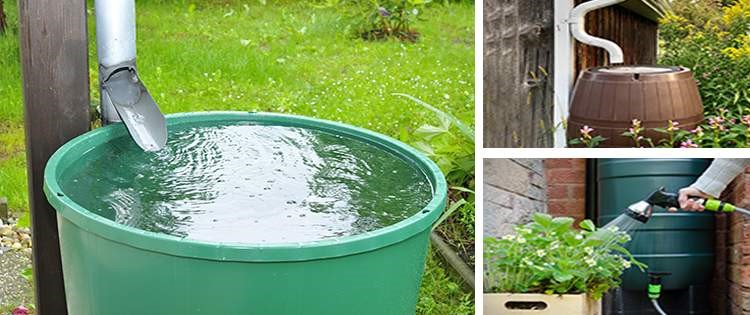
This DIY project is the best way to legally collect rainwater NO MATTER where you live. Get chlorine-free water, cut down on your water bills, and have enough for an emergency situation or to water your garden. Read More Here...
The “Caffeine Crust”
If you dump a thick layer of wet coffee grounds (more than 2 cm or 1 inch) around the base of a plant, it can dry into a hard, water-resistant crust. This prevents rain and irrigation from reaching the roots, effectively dehydrating your plant while you think you are feeding it. Always scratch the grounds into the top layer of soil or mix them with mulch.
Nitrogen Overload
Too much nitrogen from coffee can be a problem once the plant starts to flower. If you continue to add heavy amounts of nitrogen late in the season, the plant may “forget” to grow peppers and instead focus all its energy on making more leaves. Once you see the first tiny white flowers appearing, back off the coffee and focus more on the eggshell and potassium-rich amendments.
Using Unwashed Shells
I have seen neighbors toss whole, unwashed eggshells into their garden. Not only does this take years to break down, but it can also attract rats, raccoons, and other scavengers who are looking for a snack. Always rinse and grind your shells to keep the peace with the local wildlife.
Limitations and Realistic Expectations
It is important to be honest: kitchen scraps are not a “miracle cure” that works overnight. They are part of a long-term soil health strategy.
The Speed of Release
Raw eggshell powder is a slow-release amendment. If your plant is currently suffering from a severe calcium deficiency (like leaves curling or fruit rotting), just throwing powder on the soil won’t fix it fast enough. In those cases, you need the vinegar-extract “tea” mentioned earlier to provide an immediate dose of soluble calcium.
Soil pH Balance
While used coffee is mostly neutral, adding massive amounts to a very small container can eventually shift the pH. Most peppers like a pH of 6.2 to 6.8. If your soil becomes too acidic (below 5.5), the plant will actually lose its ability to take up the very calcium you are trying to give it. A simple soil test kit once a year is a good investment for any serious gardener.
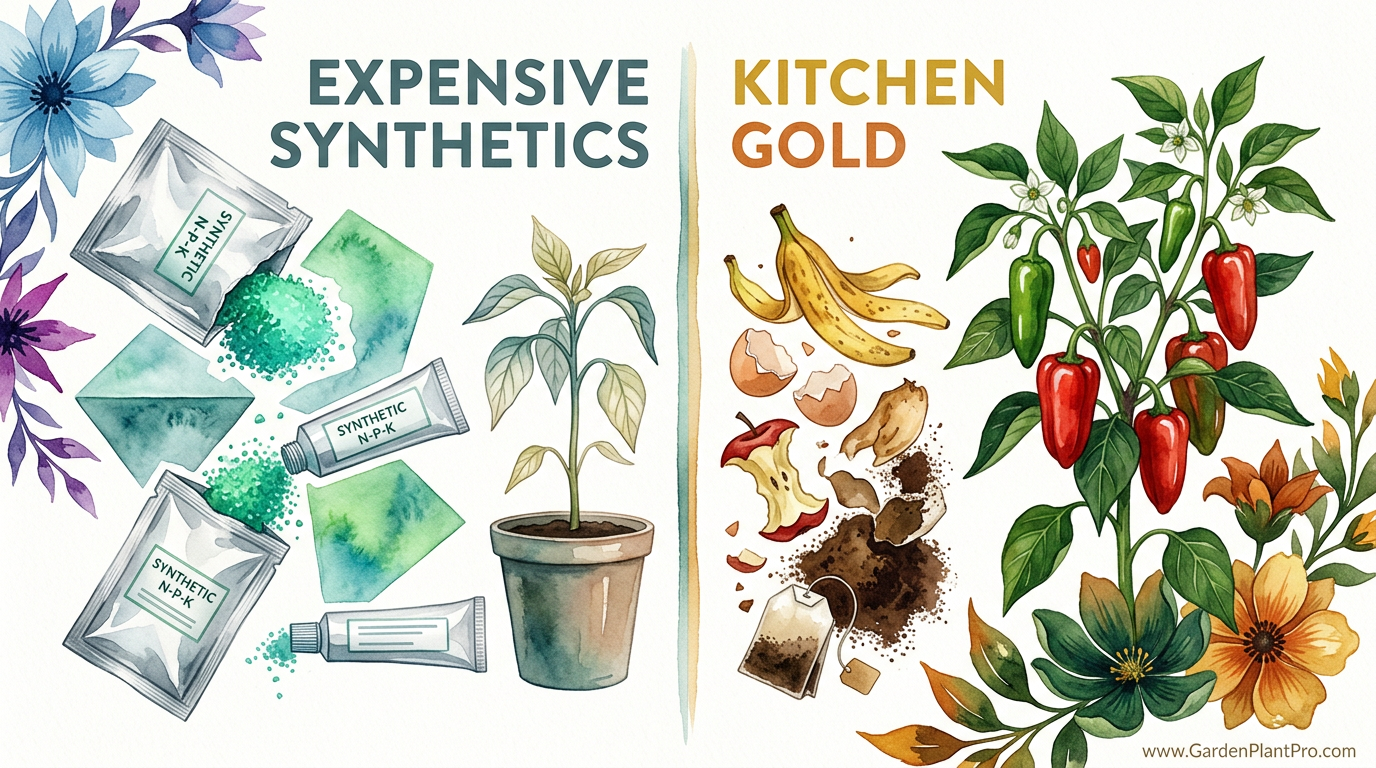
Expensive Synthetics vs. Kitchen Gold
Many people ask if they should just buy a bag of 10-10-10 fertilizer instead. While synthetics have their place, here is how the two compare in a real garden setting:
| Feature | Synthetic Fertilizer | Kitchen Waste Mix |
|---|---|---|
| Cost | $15 – $50 per bag/bottle | Free (Zero Waste) |
| Nutrient Release | Immediate (can burn roots) | Slow & steady (safe) | Does not improve soil structure | Builds organic matter and tilth |
| Micronutrients | Often missing unless specified | Naturally diverse trace minerals |
Synthetics are like a caffeine hit for your plants; they give a quick burst of energy but do nothing for the “health” of the soil. The eggshell and coffee method is like a balanced diet that improves the environment the plant lives in, leading to fewer pests and diseases over time.
Practical Tips for Pepper Success
Beyond the fertilizer, success with capsicums comes down to a few daily habits.
- Water Consistently: Calcium moves through the plant via water. If the soil goes from bone-dry to soaking-wet, the calcium can’t get to the fruit, even if your soil is full of eggshells. Aim for even moisture—like a wrung-out sponge.
- Mulch is Your Friend: Use a 5 cm (2 inch) layer of straw or shredded leaves around your peppers. This keeps the soil cool and prevents the “moisture see-saw” that leads to blossom end rot.
- Stake Early: Heavy, thick-walled peppers are heavy! Stake your plants when they are young so the stems don’t snap under the weight of your bumper crop.
- Mind the Temperature: Peppers love heat, but if it stays above 32°C (90°F) for several days, they may drop their blossoms. Provide a bit of afternoon shade during extreme heat waves to help them keep their fruit.
Advanced Considerations: The Microbe Connection
For those who want to take their garden to the next level, think about the “Soil Food Web.” When you add coffee and eggshells, you aren’t just feeding a plant; you are managing a tiny livestock farm of fungi and bacteria.
Fungi are particularly good at breaking down the tough membranes in eggshells and the woody bits in coffee. By avoiding heavy tilling and keeping your soil covered, you allow these fungal networks to grow. These networks act like an extension of the plant’s root system, reaching out into the soil to grab minerals and water that the plant couldn’t reach on its own. This is why “organic” peppers often taste better—they have access to a much wider variety of minerals than a plant fed only three main chemicals from a bottle.
Example: A Season with Kitchen Fertilizer
Let’s look at how this works in practice throughout the year. Imagine you are starting your pepper season.
Early Spring: As you prepare your beds, you mix in 2 cups of dried coffee grounds and 1 cup of eggshell powder per square meter (about 10 square feet). This sets the stage. The nitrogen in the coffee starts to break down just as you transplant your seedlings.
Early Summer: Your plants are 30 cm (12 inches) tall and starting to grow rapidly. You notice the leaves are a bright, healthy green. You add a small handful of fresh coffee grounds around each plant, scratching them into the mulch to provide a mid-season nitrogen boost.
Mid-Summer (Flowering): You see the first blossoms. You stop the nitrogen and switch to the “Calcium Tea” (eggshells + vinegar). You apply this every two weeks. This ensures that as the tiny peppers begin to form, they have all the calcium they need to build thick skins.
Late Summer (Harvest): You pick your first bell pepper. It is heavy for its size. When you slice it open, the walls are 5 mm (nearly 1/4 inch) thick. The crunch is audible across the kitchen. You didn’t spend a dime on fancy fertilizers, but your soil is healthier than ever.
Final Thoughts
The journey to growing the perfect pepper doesn’t require a chemistry degree or a huge bank account. It requires a shift in how we look at our “waste.” Every eggshell and coffee filter is an opportunity to invest in the future of your soil. By mimicking the way nature recycles nutrients, you create a garden that is both sustainable and incredibly productive.
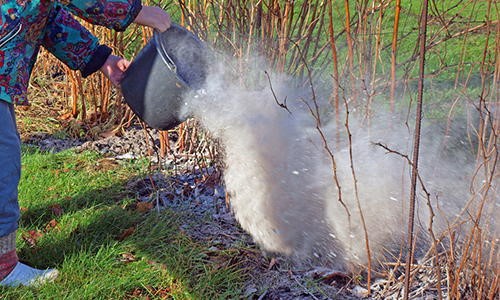
Do you have some charcoal in your house right now? We call charcoal a “miracle leftover” for anyone who wants to be a little more self-sufficient and cut costs. That’s because it can help you with so many different things around the house and garden. You can even use it to make an energy-free fridge. Read More Here...
Don’t be afraid to experiment. Start small by saving your shells for a week and see how your plants respond. Gardening is a lifelong conversation between you and the earth. The more you listen to what your plants need—and the more you feed the life in the soil—the more they will reward you with a harvest that no grocery store can match.
As you look forward to the next season, remember that soil health is built over years, not days. Keep saving those scraps, keep mulching, and keep observing. Those crunchy, thick-walled peppers are just a few breakfast scraps away. Happy gardening, neighbor!