
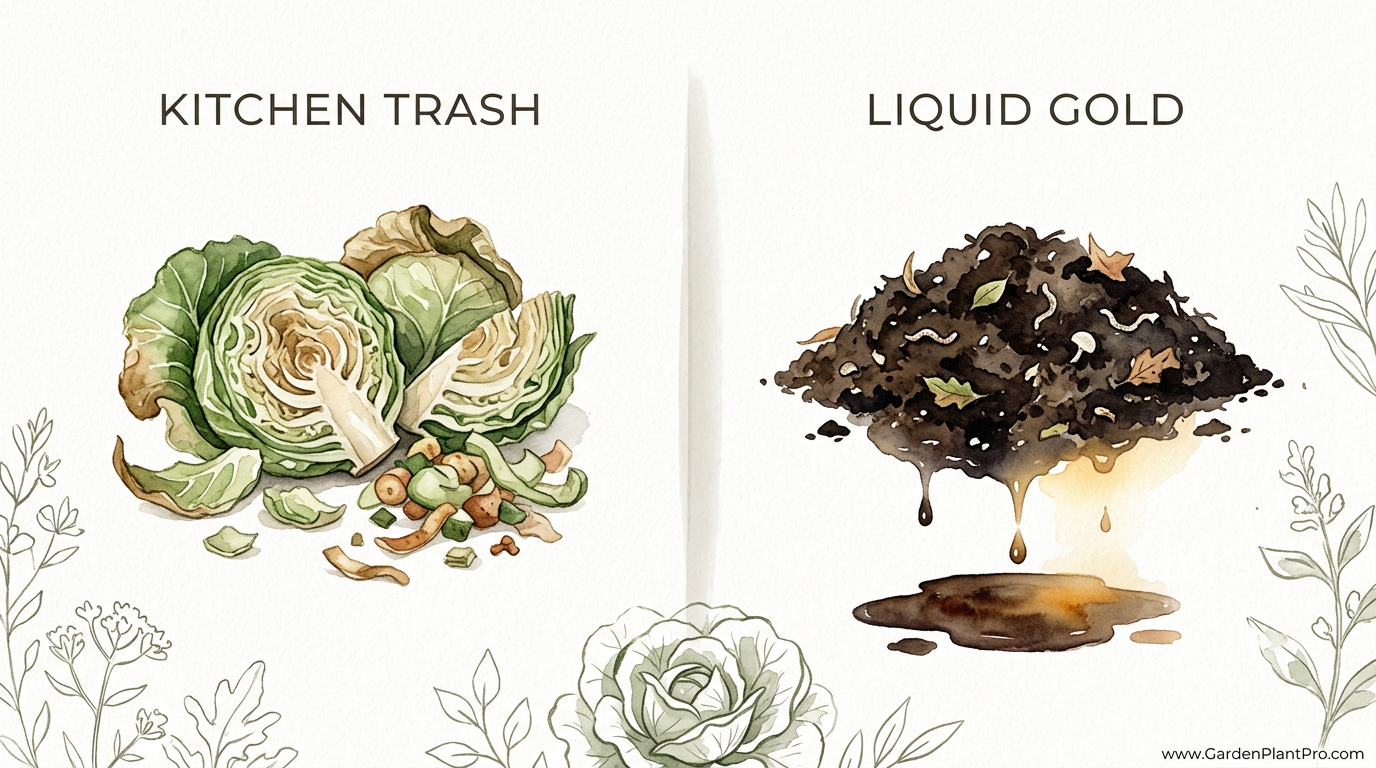
The parts of the cabbage you can’t eat are actually the secret to growing a massive next crop. Those tough outer leaves and woody cores aren’t garbage—they are high-nitrogen fuel waiting to be unlocked. Instead of filling the landfill, turn your kitchen waste into a potent fertilizer tea that will supercharge your soil’s microbial life.
I’ve spent many years leaning over my garden fence, watching the cycles of the seasons. One thing I’ve learned is that nature doesn’t see “trash.” What we trim off when making coleslaw or sauerkraut is actually a concentrated pack of minerals that the plant spent months pulling from the earth. When you throw those cores away, you’re throwing away the very building blocks your soil is begging for.
Most folks don’t realize that cabbage is a heavy feeder. It sucks up nitrogen and potassium like a sponge. If you return those scraps to the soil correctly, you’re not just composting; you’re engaging in a form of closed-loop gardening that makes your plants sturdier and your harvests heavier. Let me walk you through how I turn these kitchen trimmings into garden gold.
Composting Cabbage Leaves And Cores
Composting cabbage is one of the most effective ways to return nitrogen to your garden beds. In scientific terms, cabbage scraps are considered “greens” because they are rich in nitrogen. Fresh cabbage leaves typically have a carbon-to-nitrogen (C:N) ratio of about 12:1 to 15:1. This makes them a high-octane fuel for the microbes in your compost pile.
When you toss a whole cabbage core or a pile of thick outer leaves into a bin, they can be a bit stubborn. These parts are designed to be durable and hold water, so they don’t break down as fast as a lettuce leaf. Without a little help, they might sit in your pile for months, potentially becoming a smelly, slimy mess.
The trick is to balance that high nitrogen with “browns” or carbon-rich materials. Think of nitrogen as the fuel and carbon as the engine. If you have too much cabbage and not enough straw, shredded paper, or dried leaves, your pile will start to smell like old gym socks. Aim for a ratio of about two parts brown material for every one part of cabbage scraps to keep things “cooking” at the right temperature.
How to Process Cabbage Scraps for Fast Results
If you want to see those tough cores disappear, you can’t just throw them in whole. I’ve dug up compost piles a year later only to find a cabbage core still sitting there, looking nearly identical to the day I buried it. To get the best results, follow these steps:
- Chop it small: Use a garden spade or a heavy kitchen knife to dice the cores into pieces no larger than 2.5 centimeters (1 inch). This increases the surface area for bacteria to begin their work.
- The Trench Method: If you don’t have a traditional compost bin, you can bury the scraps directly. Dig a hole about 30 to 45 centimeters (12 to 18 inches) deep. This is deep enough to prevent local critters like raccoons or dogs from digging them up.
- Layering: In a bin, always cover your fresh cabbage with a 5-centimeter (2-inch) layer of brown material. This traps the nitrogen and prevents the sulfurous odors often associated with decomposing brassicas.
- Water and Air: Keep the pile as damp as a wrung-out sponge. Every few weeks, turn the pile with a pitchfork to introduce oxygen. Cabbage breaks down best in aerobic (oxygen-rich) conditions.
The Benefits of Recycling Cabbage Scraps
The primary reason I save every scrap is the nutrient profile. Cabbage is remarkably high in potassium and calcium, which are vital for fruit development in crops like tomatoes and peppers. By recycling these scraps, you are returning specific micronutrients that the soil might be lacking.
Using cabbage-based fertilizer also boosts the microbial life in your soil. The sugars and proteins in the leaves act as a feast for beneficial bacteria and fungi. These organisms don’t just break down the cabbage; they also help protect your living plants from soil-borne diseases. It’s like giving your garden a probiotic shot.
Another benefit is moisture retention. As the fibrous cores break down, they turn into a rich, dark humus that acts like a tiny sponge in the soil. This can be a lifesaver during a dry summer when the ground starts to crack. The organic matter helps keep the root zone cool and hydrated.
Challenges and Common Mistakes
One of the biggest hurdles is the smell. Cabbage contains sulfur compounds. If the decomposition goes anaerobic—meaning it runs out of oxygen—it will release a strong, unpleasant odor similar to rotten eggs. This usually happens if the scraps are too wet or packed too tightly without enough carbon to provide structure and air pockets.
Pest attraction is another concern. Slugs and snails love fresh cabbage leaves. If you simply mulch with raw leaves on the surface of your garden, you might be inviting an army of pests to munch on your live plants. Always bury the scraps or fully compost them before adding them to your growing beds.
Temperature matters, too. In the dead of winter, a compost pile might go dormant. Cabbage left in a cold pile won’t break down; it will just sit there until spring. If you live in a region with hard freezes, consider “pitting”—digging a deep hole in the fall and filling it with your winter scraps, then covering it with soil to let the earth’s natural insulation keep the process moving slowly.
Limitations and When to Be Cautious
There is one serious rule every gardener should know: Clubroot. This is a soil-borne fungal disease that affects the entire cabbage family (brassicas). If your cabbage crop looked stunted or had swollen, distorted roots, do not compost those scraps. The spores can survive the composting process and infect your garden for up to 20 years.
Similarly, be careful with crop rotation. If you trench-compost cabbage scraps in a bed, don’t plant cabbage, broccoli, or kale in that same spot the following year. It is generally best to wait at least three or four years before planting brassicas in a spot where their relatives were buried. Instead, use those high-nitrogen spots for heavy-feeding nightshades like tomatoes or eggplants.
Comparison: Tea vs. Trench vs. Pile
Deciding how to use your scraps depends on how much time you have and what your garden needs right now. Here is a quick breakdown of the three most common methods.
| Method | Effort Level | Speed of Results | Best For… |
|---|---|---|---|
| Fertilizer Tea | Medium | 1-2 Weeks | Immediate feeding during the growing season. |
| Trench Burial | High (Digging) | 3-6 Months | Building soil depth and feeding earthworms. |
| Standard Pile | Low | 6-12 Months | General soil maintenance and large volumes. |
Practical Tips for Success
I’ve found that a little bit of preparation goes a long way. If you’re making the “liquid gold” fertilizer tea, use non-chlorinated water if possible. Rainwater is best. Chlorine in tap water can kill off some of the beneficial bacteria you’re trying to breed. If you must use tap water, let it sit in an open bucket for 24 hours to allow the chlorine to dissipate.
For the tea, I recommend a ratio of about 1 kilogram (2.2 pounds) of chopped cabbage waste to 10 liters (2.6 gallons) of water. Let it steep in a covered bucket for about two weeks, stirring it every day. When it’s done, it will be dark and strong. Dilute it at a 1:10 ratio with more water before pouring it around the base of your plants. This prevents “burning” the roots with too much nitrogen at once.
If you’re worried about the smell of the tea, you can add a handful of dried seaweed or a tablespoon of molasses. The sugars in the molasses help the bacteria multiply faster, which can actually shorten the time it takes for the tea to become stable and less pungent.
Advanced Considerations: Lactic Acid Fermentation
Serious practitioners often look into Bokashi or lactic acid fermentation. This is essentially making “sauerkraut for the soil.” By fermenting the cabbage scraps in an airtight container with specific inoculants, you can break down the tough cellulose in the cores much faster than traditional composting.
DIY PROJECT: Collect rainwater no matter where you live...
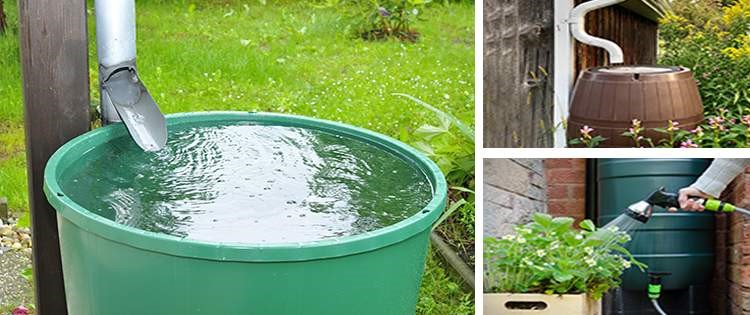
This DIY project is the best way to legally collect rainwater NO MATTER where you live. Get chlorine-free water, cut down on your water bills, and have enough for an emergency situation or to water your garden. Read More Here...
The acidic environment of a fermenter kills off pathogens while preserving the nutrients. Once the fermentation is complete (usually in about two weeks), the scraps will look pickled. You can then bury this “pre-compost” in the garden, where it will disappear into the soil in a matter of weeks. This is an excellent way to handle large volumes of cabbage waste in a small urban space where a large compost pile isn’t an option.
A Real-World Example: The Tomato Transformation
Last season, I had a row of tomatoes that looked a bit pale and spindly. I decided to use a batch of cabbage core fertilizer tea I had brewing in the corner of the yard. I applied about 2 liters (half a gallon) of the diluted mixture to each plant once a week for three weeks.
The change was remarkable. Within ten days, the leaves turned a deep, waxy green—a clear sign that the nitrogen was being absorbed. By the end of the month, the stems were noticeably thicker, and the flower production had doubled. That row ended up producing nearly 20% more fruit by weight than the row I fed with standard store-bought liquid fertilizer. It’s proof that the best nutrients often come from what we already have in our kitchens.
Final Thoughts
Turning your cabbage scraps into fertilizer is a simple, rewarding practice that bridges the gap between the kitchen and the garden. It reminds us that every part of the plant has value, even the tough bits we can’t chew. Whether you choose to brew a potent tea, bury the scraps in a trench, or manage a balanced compost pile, you are making a direct investment in the health of your soil.
I encourage you to start small. Next time you’re preparing a meal, set aside those cores and outer leaves. Give them a quick chop and see how they transform over the coming months. Your soil will thank you with more vibrant growth, and you’ll have the satisfaction of knowing you’ve turned “kitchen trash” into the “liquid gold” that fuels a magnificent harvest.
Remember that gardening is a conversation with the earth. By returning these nutrients, you’re keeping the dialogue going. If you’re looking to dive deeper into soil health, you might want to explore the world of vermicomposting or learn more about the specific needs of other heavy feeders like pumpkins and corn. There is always more to learn once you start looking at your garden as a living, breathing system.