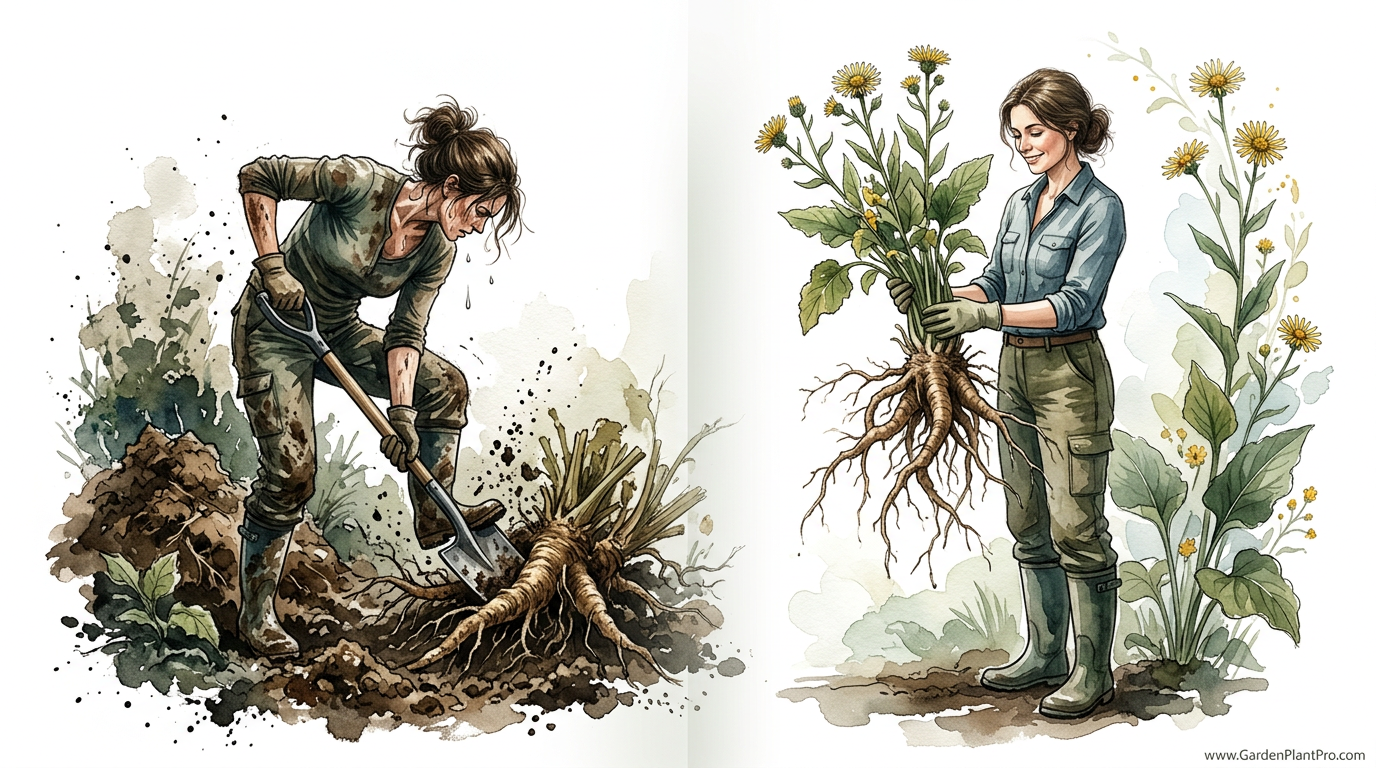
Most gardeners break their backs trying to dig up this giant medicinal root—here is the secret to doing it in minutes. Harvesting elecampane doesn’t have to be a battle with the earth. Switching from a standard spade to a strategic lifting tool and timing your harvest with the seasons, you preserve the medicine and your spine.
This plant, known scientifically as Inula helenium, is a true titan of the garden. Its leaves can grow as large as a donkey’s ear, and its golden, shaggy flowers often tower over six feet (1.8 meters) tall. While the blossoms are a sight to behold, the real treasure lies hidden beneath the soil.
Elecampane has been a staple in European and Asian herbalism for centuries. Ancient Greeks and Romans valued it as one of their most important plants for respiratory health and digestion. Folklore even suggests the plant first sprouted from the tears of Helen of Troy. Today, seasoned gardeners grow it for its high inulin content and its powerful, aromatic qualities.
How To Harvest Elecampane Root
Elecampane harvesting is the process of extracting the fleshy, aromatic roots of the Inula helenium plant for medicinal or culinary use. These roots are not simple taproots like carrots; they are complex systems consisting of a central crown, lateral rhizomes, and thick, branching roots.
Successful harvesting requires understanding the plant’s two-to-three-year life cycle. Digging too early results in small, underdeveloped roots with low medicinal potency. Waiting too long makes the roots woody, tough, and difficult to process. The goal is to lift the entire root mass while it is at its peak of inulin storage and volatile oil concentration.
Gardeners typically perform this task in late autumn after the first few hard frosts have killed back the foliage. This timing ensures that the plant’s energy has moved entirely from the leaves down into the root system. Alternatively, some prefer an early spring harvest before the new green shoots emerge, which is also an ideal time for dividing the plant.
Timing and Preparation: The Inulin Window
Timing determines the chemical makeup of your harvest. During the peak of summer, elecampane focuses its energy on leaf production and flowering. The roots are relatively thin and watery during this phase.
Autumn brings a dramatic shift. As the temperatures drop, the plant converts its sugars into inulin, a prebiotic starch that can make up to 44% of the root’s weight by late fall. This high inulin content is what gives the root its therapeutic value for digestive health.
Spring harvesting offers a different profile. The inulin levels are lower as the plant prepares to use that stored energy for new growth, but the volatile oils—specifically alantolactone—remain potent. If your goal is to make a strong respiratory tincture, early spring is a fantastic second choice.
How the Effortless Lift Works
The “Effortless Lift” technique prioritizes leverage over brute force. Traditional digging often involves stabbing a spade directly into the root zone, which frequently results in sliced roots and a shattered back. Instead, you must work with the soil’s natural structure.
A garden fork or a broadfork is the preferred tool for this job. Unlike a flat spade, the tines of a fork penetrate the soil without severing the lateral roots that spread out from the crown. These lateral roots often hold the highest concentration of aromatic oils.
Loosening the soil in a wide circle around the plant is the first step. You should start your digging at least 12 inches (30 cm) away from the main stalk. Prying upward gently from multiple points creates a “floating” effect, allowing the entire root mass to be lifted out of the ground intact.
Step-by-Step Harvesting Guide
Preparation starts with clearing the area. Use a pair of heavy-duty pruners or a sharp sickle to cut away the massive stalks and leaves, leaving about 2 inches (5 cm) of stem to serve as a handle.
Insert your garden fork into the soil at a 45-degree angle, roughly a foot away from the base. Push the fork down as deep as it will go. Lean back on the handle to feel the resistance of the roots.
Move to the opposite side of the plant and repeat the process. Continue working your way around the plant in a circle. Each time you pry, you will hear the satisfying sound of small fibrous roots releasing their grip on the earth.
Place your hands on the remaining stem stubs and gently rock the plant back and forth. If the soil is loose enough, the entire crown should lift out easily. Shake the plant vigorously to remove large clumps of soil before taking it to the cleaning station.
Cleaning and Immediate Processing
Fresh elecampane roots are surprisingly sticky due to their high resin content. Cleaning them immediately after harvest prevents the soil from drying and bonding to these resins, which makes the job much harder later.
Use a high-pressure hose to blast away the majority of the dirt. You will notice a dark, brownish-black skin on the roots. While some herbalists prefer to peel this away, much of the medicine lives just beneath the surface, so a thorough scrubbing with a stiff brush is usually sufficient.
Cutting the roots while they are fresh is mandatory. Once elecampane dries, it becomes as hard as seasoned oak. Use a heavy chef’s knife or a dedicated root chopper to slice the roots into 1/4-inch (6 mm) coins or small cubes.
DIY PROJECT: Collect rainwater no matter where you live...
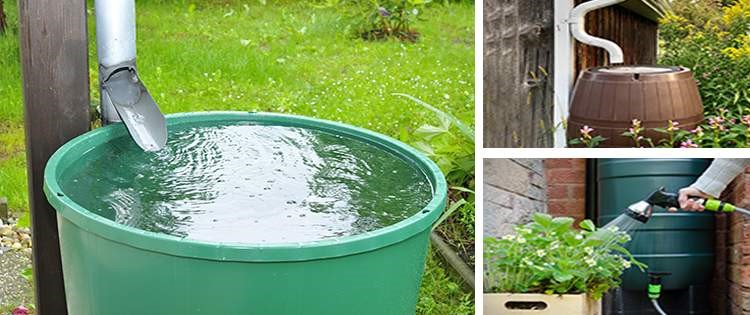
This DIY project is the best way to legally collect rainwater NO MATTER where you live. Get chlorine-free water, cut down on your water bills, and have enough for an emergency situation or to water your garden. Read More Here...
Benefits of Strategic Lifting
The primary advantage of the lifting method is the preservation of the root’s integrity. Sliced roots begin to leak their volatile oils and resins into the soil, reducing the medicinal quality of your harvest.
Leverage-based digging protects the gardener’s physical health. By using long-handled tools and working in a circle, you avoid the repetitive “crunching” motion that leads to lower back strain.
This method also facilitates propagation. When you lift the entire crown, you can easily see the bright pink or red “eyes” which are the buds for next year’s growth. Slicing these off with a small piece of root attached allows you to replant them immediately, ensuring a perpetual harvest.
Common Mistakes to Avoid
Many beginners wait until the third or fourth year to harvest, thinking bigger is better. Unfortunately, older roots become incredibly woody in the center. This “heartwood” is difficult to chop and often lacks the resinous quality of younger roots.
Ignoring the weather is another frequent error. Digging in bone-dry, compacted soil is a recipe for broken tools and snapped roots. Always aim to harvest after a light rain or a period of consistent moisture when the soil is “friable” and gives way easily.
Leaving the roots in a bucket of water to “soak” clean is a mistake that many new herbalists make. Because the active constituents are somewhat water-soluble, long soaks can leach out the very medicine you are trying to collect. Always wash quickly and move straight to drying.
Limitations and Environmental Constraints
Soil type plays a massive role in how easy your harvest will be. In heavy clay soils, the “Effortless Lift” still requires significant physical effort. In these conditions, adding organic matter or compost in the seasons leading up to harvest is essential for improving soil friability.
Extreme cold can also be a barrier. If the ground freezes solid before you get your roots out, you are likely stuck until spring. In northern climates, keeping a close eye on the long-range forecast in October is vital.
Gardeners with limited space must also consider the plant’s size. Elecampane spreads aggressively via its lateral roots. If you don’t harvest regularly, it can easily crowd out smaller medicinal herbs like thyme or lemon balm.
Comparison: Traditional Spading vs. Strategic Lifting
| Factor | Traditional Spading | Strategic Lifting |
|---|---|---|
| Physical Strain | High (Brute force digging) | Low (Uses leverage) |
| Root Quality | Damaged/Sliced roots | Intact, resinous roots |
| Speed | Slow and tedious | Efficient (Minutes per plant) |
| Propagation | Difficult (Eyes are often sliced) | Excellent (Full crown visibility) |
Practical Tips for Success
Invest in a high-quality broadfork if you plan on growing a large patch of elecampane. The extra-wide frame allows you to lift two or three plants at once, which is a massive time-saver.
Keep a dedicated “root knife” that is sharpened specifically for this task. The resins in elecampane will dull a standard kitchen knife quickly, and the stickiness can be difficult to clean off.
When drying your roots, use a dehydrator set to a low temperature—no higher than 95°F (35°C). High heat can dissipate the volatile oils that give the root its characteristic camphor-like scent and medicinal power.
Advanced Considerations: The Art of Root Dividing
Seasoned practitioners often use the harvest as a time for “rejuvenation.” Instead of taking the entire plant, you can slice off the outer, younger roots and replant the main crown. This keeps the plant productive for decades.
If you find a particularly potent plant—one with a deep, spicy aroma and heavy resin—mark it. Use the root cuttings from this specific “mother plant” to expand your garden. This selective breeding ensures your home apothecary is stocked with the highest quality medicine.
Soil health directly correlates to root size. Applications of well-finished compost or a mulch of leaf mold in the spring will yield roots that are noticeably thicker and easier to clean. Avoiding synthetic fertilizers is generally recommended, as they can lead to rapid, watery growth that lacks medicinal concentration.
Example Scenario: A Typical Harvest Day
Imagine it is a crisp Saturday in November. The first frost has turned the giant elecampane leaves into a wilted, brown heap. You approach the plant with your garden fork and a pair of loppers.
After clearing the dead foliage, you spend five minutes circling the plant with your fork. On the fourth pry, the earth groans and releases the root mass. You shake it off, revealing a cluster of roots the size of a basketball.
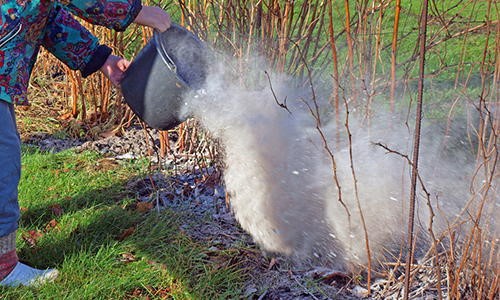
Do you have some charcoal in your house right now? We call charcoal a “miracle leftover” for anyone who wants to be a little more self-sufficient and cut costs. That’s because it can help you with so many different things around the house and garden. You can even use it to make an energy-free fridge. Read More Here...
Back at the porch, you spend twenty minutes hosing and scrubbing. By noon, you have three pounds (1.4 kg) of clean, ivory-colored root coins spread out on your drying screens. The air is filled with a scent that is part cedarwood, part honey, and part earth—the unmistakable aroma of a successful harvest.
Final Thoughts
Mastering the harvest of elecampane is a rite of passage for any serious herbal gardener. It requires patience, the right tools, and a deep respect for the plant’s natural rhythm. By focusing on the “Effortless Lift,” you ensure that the process is as rewarding for your body as the final medicine is for your health.
The rewards of this work extend far beyond a single jar of tea or tincture. There is a profound sense of satisfaction in knowing that you have harvested a plant exactly as it has been done for thousands of years. It connects you to a long lineage of gardeners who understood the value of working with the soil rather than against it.
Experiment with different harvest times and soil conditions to see how they affect the potency of your roots. Every garden is a unique ecosystem, and your personal observations will always be your best guide. Whether you are seeking a powerful cough remedy or a digestive tonic, elecampane will always be a loyal and generous ally in your backyard.