
Why spend 40 hours weeding your garlic patch this season when one strategic layer of straw can do the work for you? Most gardeners think garlic requires constant maintenance and weeding. The pros know that if you work smarter with deep straw mulch, the soil stays moist, the microbes thrive, and weeds never stand a chance. Switch from manual labor to strategic planting this fall.
Garlic is a slow-growing crop that demands a unique kind of patience. Unlike a summer squash that explodes across the garden in a matter of weeks, garlic sits quietly in the earth for up to nine months. This long residency means it is vulnerable to every passing weed that decides to call your garden home. Many folks spend their entire spring on their hands and knees, pulling out tiny sprouts of grass and dandelion. It is back-breaking work that takes the joy right out of the harvest.
I have spent decades watching the soil behave under different conditions. In the early years, I followed the “manual” path, believing that a clean, bare-earth garden was the sign of a hard worker. I eventually realized that bare earth is just an invitation for trouble. Nature hates a vacuum, and if you do not cover that soil with something useful, she will cover it with something you do not want. Transitioning to a strategic mulching system was the single best decision I ever made for my garlic yields and my lower back.
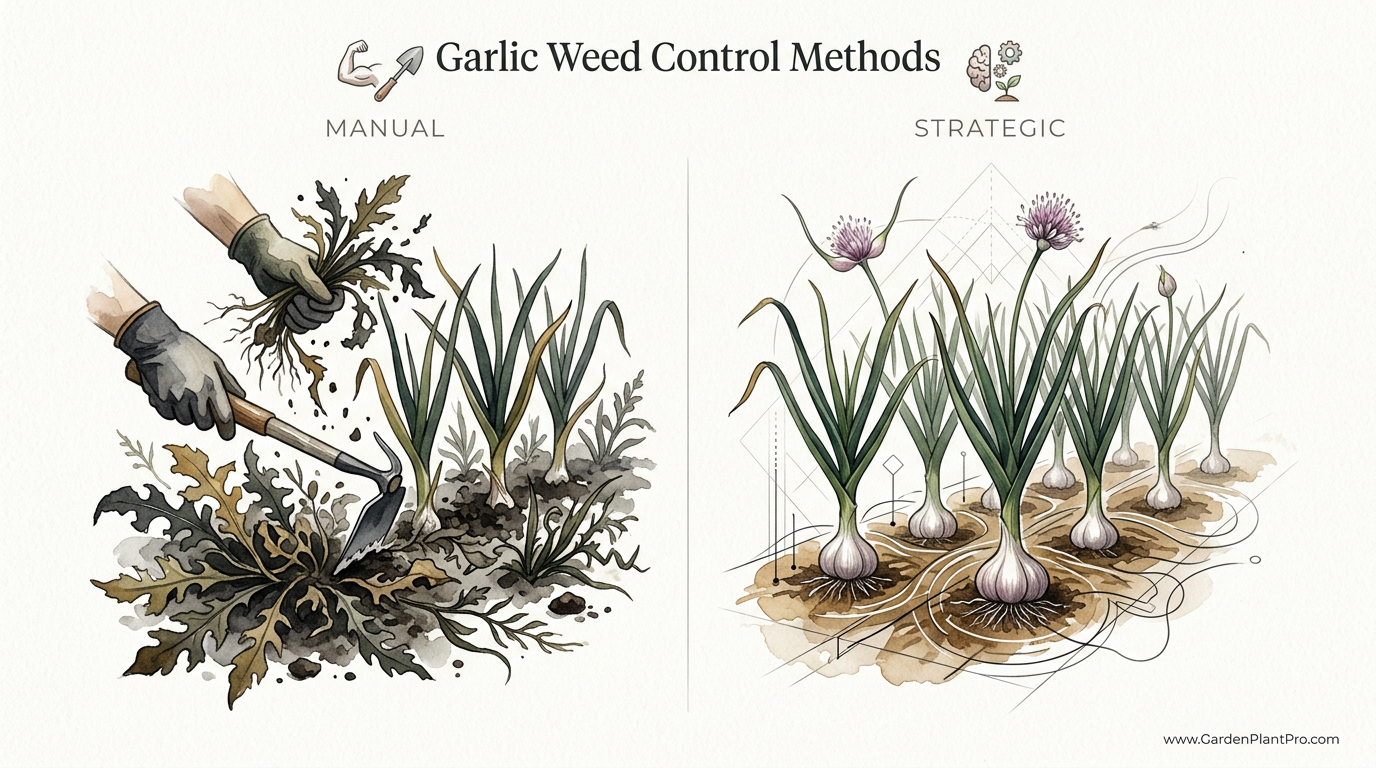
Garlic Weed Control Methods
Garlic weed control methods are the various strategies gardeners use to prevent unwanted plants from competing with their garlic bulbs. Because garlic has a shallow, fibrous root system and relatively sparse foliage, it is a poor competitor. It simply does not have the “shade power” to crowd out aggressive weeds. If weeds are allowed to take over, they steal the nitrogen, phosphorus, and potassium that the garlic needs to form those massive, juicy bulbs we all crave.
The most basic method is manual weeding, which involves physically removing weeds by hand or with a hoe. This is the traditional way many of us learned. It works, but it is relentless. Every time you disturb the soil to pull a weed, you bring more weed seeds to the surface, where they get the light they need to germinate. It is a cycle that feels like it never ends.
Then there are inorganic methods, such as using black plastic or landscape fabric. These are common in commercial settings. They are very effective at blocking light, which prevents weed growth, and they can warm the soil early in the spring. However, they do nothing for the soil health itself and can sometimes lead to overheating in late June or July (June-July in the Northern Hemisphere). For the backyard gardener, these materials can feel a bit sterile and produce a lot of waste.
Finally, we have the strategic use of organic mulches, with straw being the gold standard. This method mimics the forest floor, where a thick layer of organic matter protects the soil. In a real-world garden, this looks like a heavy blanket of golden straw that keeps the ground dark and cool. It is not just about blocking weeds; it is about creating an entire ecosystem where the garlic can thrive without interference.
How to Implement Deep Straw Mulch
The process of using deep straw mulch starts right at the moment of planting. You want to time your garlic planting for late autumn, usually about four to six weeks before the ground freezes solid. Once your cloves are tucked into the soil at a depth of about 3 to 4 inches (7.5 to 10 cm), the work begins. Instead of leaving the bed bare for the winter, you are going to apply a strategic layer of straw.
First, ensure the soil is well-amended with compost or aged manure. Garlic is a heavy feeder, and because you will be covering the soil for months, you want that fertility locked in underneath. Water the bed once after planting to settle the cloves. Then, bring in your straw. You are looking for a thickness of at least 4 to 6 inches (10 to 15 cm). When you first lay it down, it will look incredibly thick, almost like you have buried the garden under a mattress. Do not worry; it will settle over the winter.
During the winter, this straw acts as insulation. It prevents the soil from “heaving.” Soil heaving happens when the ground freezes and thaws repeatedly, which can actually push your garlic cloves right out of the earth. The straw keeps the temperature stable, protecting those delicate roots. As spring arrives, the garlic shoots will have enough strength to pierce right through that straw. You will see those green tips poking up through the gold, while the weeds underneath stay trapped in the dark.
One trick I have learned is to use “clean” straw. This means straw that has been harvested after the grain heads were removed, so it contains very few seeds itself. If you use hay, you are essentially planting a field of grass right on top of your garlic, which defeats the whole purpose. Always ask your supplier for wheat, oat, or barley straw, and double-check that it hasn’t been treated with persistent herbicides that could stunt your plants.
Benefits of Strategic Mulching
The most immediate benefit is the massive reduction in labor. When you use a deep mulch layer, you can reduce your weeding time by as much as 80%. Instead of spending every Saturday with a hoe, you might spend ten minutes a month pulling the odd weed that found a thin spot in the mulch. This gives you more time to focus on other parts of the garden or simply enjoy a cold drink on the porch.
Moisture retention is another critical advantage. Garlic needs consistent water, especially in the final month before harvest when the bulbs are “bulbing” or sizing up. Bare soil loses water rapidly to evaporation, but straw acts as a lid on the pot. It keeps the moisture in the root zone where it belongs. This is particularly important if you live in a region with dry springs or if you have sandy soil that doesn’t hold water well.
The biological benefits are perhaps the most exciting for a soil nerd like me. Underneath that straw, the soil remains dark, moist, and protected. This is the perfect environment for earthworms and beneficial microbes to thrive. These organisms are constantly breaking down the bottom layer of the straw, turning it into rich organic matter. Over time, this improves the soil structure, making it more friable and nutrient-dense for next year’s crops. You are essentially composting in place.
There is also the “cooling” effect. While garlic likes a warm spring start, it does not enjoy the baking heat of early summer. Straw mulch reflects a portion of the sun’s energy, keeping the soil several degrees cooler than bare earth. This prevents the garlic from “shutting down” too early due to heat stress, which can lead to larger bulbs at harvest time. A cool root system is a happy root system.
Challenges and Common Mistakes
The biggest mistake I see beginners make is using hay instead of straw. To the untrained eye, they look the same. But hay is full of seeds. If you put 6 inches (15 cm) of hay on your garlic, you will have a beautiful lawn growing in your garlic bed by May. This actually creates more work than it saves. Always verify that you are buying straw, which is the dry, hollow stalks of grain plants with the seeds removed.
Another pitfall is applying the mulch too thin. If you only put down an inch or two (2.5 to 5 cm), the light will still reach the soil surface. This creates a “greenhouse effect” where the soil stays warm and moist, but the weeds have enough light to grow. They will grow faster than ever under those conditions. You must commit to the depth; 4 inches (10 cm) is the absolute minimum, and 6 inches (15 cm) is better.
Rodents can sometimes be a problem in a heavily mulched garden. Voles and mice love the protection of a straw blanket. They might decide to make a nest in your mulch and occasionally snack on your garlic cloves. To avoid this, I usually wait to apply the mulch until after the first hard frost. This encourages the critters to find their winter homes elsewhere before you provide them with a five-star hotel. You can also keep the mulch an inch or two away from the actual stems of the plants if you notice any gnawing, though this is rarely an issue once the garlic is growing vigorously.
Lastly, be aware of persistent herbicides. Some straw is sourced from fields treated with chemicals like aminopyralid. These chemicals can survive the composting process and the digestive tracts of animals. If you use contaminated straw, your garlic may emerge with twisted, yellowed leaves. It is a heartbreaking sight. Always ask your source if they use persistent herbicides on their grain crops.
DIY PROJECT: Collect rainwater no matter where you live...
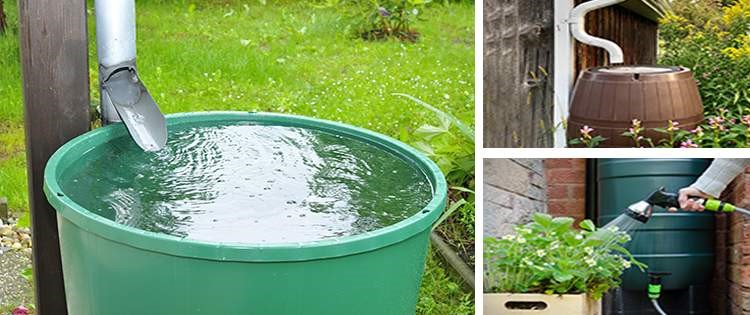
This DIY project is the best way to legally collect rainwater NO MATTER where you live. Get chlorine-free water, cut down on your water bills, and have enough for an emergency situation or to water your garden. Read More Here...
Limitations of Deep Mulching
While I love straw, it is not perfect for every single garden on the planet. If you live in a climate that is extremely wet and cold during the spring, a very thick layer of mulch can occasionally hold too much moisture. This can lead to fungal issues like Fusarium or White Rot. If your soil is heavy clay and stays soggy for weeks at a time, you might need to pull the mulch back away from the base of the plants in the spring to let the soil breathe.
In very windy areas, straw can be a bit of a nuisance. A strong spring gale can blow your mulch right into the neighbor’s yard. If you live in a wind-prone region, you might need to secure the straw with a light layer of bird netting or some well-placed branches until it settles and “knits” together. Once it has been rained on a few times, it usually stays put quite well.
Cost and availability can also be a barrier. Depending on where you live, a bale of straw might cost $5 or $15. If you have a massive garlic patch, the cost can add up. However, I always tell people to weigh the cost of the straw against the value of their time. If five bales of straw save you 40 hours of weeding, that is some of the cheapest labor you will ever hire.
Manual vs. Strategic Weed Control
When we compare these two approaches, we have to look at more than just the weeds. We have to look at the health of the gardener and the health of the soil. The following table breaks down the key differences between the manual weeding approach and the strategic deep-mulch approach.
| Factor | Manual Weeding | Strategic Deep Mulch |
|---|---|---|
| Initial Labor | Low (just planting) | Moderate (hauling/spreading straw) |
| Seasonal Maintenance | High (weekly weeding) | Very Low (minimal spot-checking) |
| Soil Health Impact | Negative (soil disturbance) | Positive (adds organic matter) |
| Moisture Retention | Poor | Excellent |
| Bulb Protection | Minimal | High (prevents frost heave) |
| Risk of Disease | Low | Moderate (in very wet soils) |
The manual approach is essentially a “reactive” strategy. You wait for the problem (weeds) to appear and then you fight them. The strategic approach is “proactive.” You invest your energy upfront to create a system that prevents the problem from ever occurring. Most seasoned gardeners eventually move toward the proactive side because it is more efficient and leads to a more stable garden environment.
Practical Tips for Best Results
If you want to master this method, there are a few “best practices” that will make your life much easier. First, try to find “chopped” straw if possible. Chopped straw has been run through a shredder, making the pieces about 2 to 4 inches (5 to 10 cm) long. This material is much easier to spread than long-strand straw and it doesn’t mat down as tightly, which makes it easier for the garlic to poke through in the spring.
Consider the timing of your mulch application. If you live in a relatively mild climate, you don’t need to mulch immediately after planting. You can wait until the first hard frost is predicted. This gives the soil a chance to stay a bit warmer for longer, which encourages strong root development before the garlic goes dormant for the winter.
Keep a “patch-up” bale on hand. As the season progresses, the straw will naturally decompose and settle. You might find a few spots where the soil starts to peek through. If you see this happening, just grab a handful of straw from your spare bale and cover it back up. This prevents a “weed bridge” from forming where one weed starts and then spreads under the mulch.
When it comes time to harvest, do not throw that straw away! It is now partially decomposed and full of life. You can rake it into your garden paths, add it to your compost pile, or even use it as the base layer for your next crop. It is a valuable resource that has done its job for the garlic and is ready to serve the rest of your garden.
Advanced Considerations for Serious Growers
For those who want to take their garlic game to the next level, we need to talk about the carbon-to-nitrogen (C:N) ratio. Straw is very high in carbon. As microbes break down the straw at the soil surface, they may temporarily “tie up” some of the nitrogen in the top inch of soil. For a deep-rooted plant, this isn’t a big deal. But for garlic, which is a nitrogen hog, you want to make sure there is plenty of fertility underneath.
I like to apply a light dusting of a high-nitrogen organic fertilizer, like blood meal or feather meal, right before I put the straw down. This ensures that the microbes have enough nitrogen to do their work without stealing it from the garlic. You can also “side-dress” the garlic in the spring by pulling back the mulch slightly and adding a liquid fertilizer, though if your soil is healthy, this usually isn’t necessary.
Consider the variety of garlic you are growing. Hardneck varieties (like Music or German Extra Hardy) are generally more cold-hardy but benefit greatly from the insulation of straw in northern climates. Softneck varieties are more common in warmer areas and might only need a thin 2-inch (5 cm) layer of mulch just to manage weeds and moisture rather than for winter protection. Knowing your variety helps you tune your mulch depth perfectly.
Finally, think about your crop rotation. Garlic should not be grown in the same spot more than once every four years to avoid the buildup of soil-borne diseases. Because you are adding so much organic matter with the straw, the spot where you grew garlic this year will be incredibly fertile for next year’s crop. I often follow garlic with a heavy feeder like brassicas or tomatoes, which absolutely love the soil structure left behind by the decomposed straw.
Real-World Example: The 100-Square-Foot Garlic Bed
Let’s look at how this works in a practical scenario. Imagine you have a raised bed that is 4 feet wide and 25 feet long (about 1.2 meters by 7.6 meters), giving you 100 square feet of growing space. You decide to plant 300 cloves of garlic, spaced 6 inches (15 cm) apart in all directions.
If you choose the manual weeding path, you will likely spend about 1 hour per week weeding that bed from April through July. That is 16 hours of labor. If you include the initial prep and the mid-season cultivation, you are looking at nearly 20 hours of work just for that one bed. In a dry year, you might also have to water that bed every 3 days to keep the soil from cracking.
If you choose the strategic straw method, you will need about 2 to 3 standard square bales of straw. It will take you about 30 minutes to spread the straw after planting. In the spring, you might spend a total of 2 hours the entire season pulling the few weeds that manage to find a gap. Because of the moisture retention, you might only need to water once a week instead of every 3 days. Your total labor for weed control and moisture management drops from 20 hours to under 3 hours.
The result? The bulbs in the mulched bed are likely to be 10-15% larger because they never experienced the “stress cycles” of drying out or competing with weeds. You saved 17 hours of work and ended up with a better product. That is the essence of working smarter, not harder.
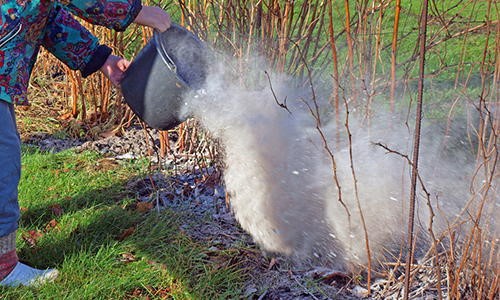
Do you have some charcoal in your house right now? We call charcoal a “miracle leftover” for anyone who wants to be a little more self-sufficient and cut costs. That’s because it can help you with so many different things around the house and garden. You can even use it to make an energy-free fridge. Read More Here...
Final Thoughts
Gardening is often presented as a struggle against nature, but it doesn’t have to be. When we use deep straw mulch for our garlic, we aren’t just “controlling weeds.” We are building a system that works with the natural tendencies of the soil. We are protecting the life beneath our feet and providing our crops with the stable, pampered environment they need to reach their full potential.
If you have never tried this method, start small this autumn. Take half of your garlic patch and mulch it deeply with clean straw, then leave the other half bare. By next June, the difference will be so obvious that you will never want to look at a weeding hoe again. You will see healthier plants, larger bulbs, and you will have a lot more energy to tackle the rest of your garden projects.
Remember that the best lessons in the garden come from observation. Watch how the water soaks into the straw. Feel the temperature of the soil under the mulch on a hot day. These small observations are what turn a beginner into a seasoned pro. Good luck with your planting this year, and may your harvest be the biggest one yet!