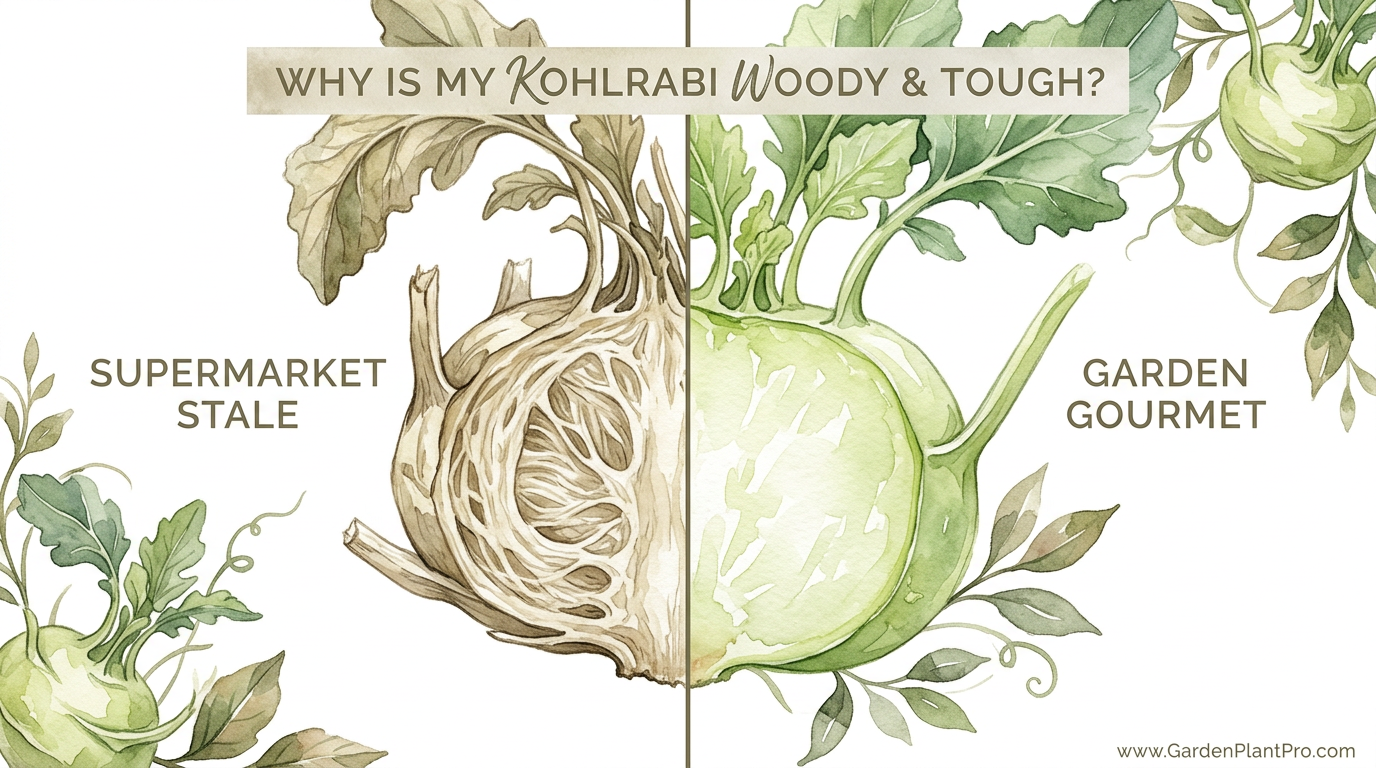
If you think kohlrabi tastes like wood, you’ve never had it ‘Pro’ style. Most people hate kohlrabi because they buy the giant, woody versions from the store. To get that legendary ‘sweet broccoli-apple’ crunch, you have to grow it yourself and harvest at the ‘Pro’ size. See the difference in every bite.
I have spent years leaning over garden fences, sharing tips with neighbors who were convinced that kohlrabi was just a strange-looking decoration for the compost pile. The truth is that kohlrabi is one of the most rewarding vegetables you can grow, provided you understand its quirks.
When you grow it correctly, it offers a crisp, juicy texture that reminds many people of a cross between a Granny Smith apple and the sweet heart of a broccoli stem. It is fast-growing, relatively hardy, and produces a unique “bulb” that is actually a swollen stem. If you are tired of the flavorless, fibrous versions found in grocery stores, this guide is for you.
Why Is My Kohlrabi Woody And Tough
The primary reason kohlrabi turns woody and tough is that the plant has started to produce lignin, a complex organic polymer that reinforces the plant’s cell walls. In the wild, this helps the plant stand tall, but in your kitchen, it feels like eating a toothpick. This happens most frequently when the plant is stressed or left in the ground too long.
Environmental stress is the biggest culprit. Kohlrabi is a cool-season crop that thrives in temperatures between 40°F and 75°F (4°C to 24°C). When temperatures consistently climb above 75°F (24°C), the plant’s metabolism shifts. It begins to prioritize structural integrity over sweet, tender growth, leading to that dreaded fibrous texture.
Water management also plays a massive role. Kohlrabi has a shallow root system, meaning it cannot reach deep into the soil for moisture during a dry spell. If the soil dries out completely, the plant enters “survival mode,” toughening its outer skin and inner flesh to prevent moisture loss. This change is permanent; once a bulb becomes woody from drought, no amount of later watering will make it tender again.
Finally, harvest timing is the most common mistake made by beginners. Most standard varieties, like ‘White Vienna’ or ‘Purple Vienna’, are at their peak flavor and texture when they are between 2 and 3 inches (5 to 7 cm) in diameter—roughly the size of a golf ball or a tennis ball. Once they grow much larger than this, the bottom of the bulb begins to lignify, starting from the root and moving upward.
How to Grow Kohlrabi Like a Pro
Growing kohlrabi successfully starts with the soil. This plant is a “heavy feeder,” meaning it requires a high concentration of nutrients to grow quickly. Fast growth is the secret to tenderness. If the plant lingers in the garden for too long because of poor nutrition, it will inevitably become tough.
Start by amending your garden bed with 1 to 2 inches (2.5 to 5 cm) of well-rotted compost or aged manure. Aim for a soil pH between 6.0 and 7.5. If your soil is too acidic, you may encounter clubroot, a disease that stunts the plant and prevents the bulb from forming correctly. If you aren’t sure of your pH, a simple soil test kit from a garden center can save you weeks of frustration.
When it comes to planting, you have two main options: direct sowing or transplanting. Direct sowing is often preferred because kohlrabi can be sensitive to root disturbance. Sow seeds about 1/4 to 1/2 inch (6 to 12 mm) deep. Space the seeds about 2 inches (5 cm) apart, and then thin them to 6 inches (15 cm) apart once they have a few true leaves.
If you choose to transplant, do so when the seedlings are no more than 2 to 3 inches (5 to 7 cm) tall. Larger plants often struggle to establish their roots, which can lead to stunted growth or premature bolting. Always keep the developing bulb above the soil line; burying the stem too deep can lead to rot and poor bulb development.
- Sowing Depth: 1/4 to 1/2 inch (6 to 12 mm).
- Final Spacing: 6 inches (15 cm) between plants.
- Row Spacing: 12 to 18 inches (30 to 45 cm).
- Sunlight: Minimum of 6 hours of direct sun daily.
The Benefits of Growing Your Own Kohlrabi
The most immediate benefit of homegrown kohlrabi is the flavor profile. Store-bought versions are often weeks old and were likely harvested at a giant size to maximize shipping weight. By growing your own, you can harvest at the “Pro” size, ensuring every bite is sweet and crisp.
Another major advantage is the “two-for-one” harvest. While the bulb is the star of the show, kohlrabi leaves are entirely edible and highly nutritious. They can be cooked exactly like kale or collard greens. When you harvest your own, you get fresh, organic greens that are often discarded in commercial settings.
Kohlrabi is also a fantastic “gap filler” in the garden. Because it matures in as little as 45 to 60 days, you can fit a crop in during the early spring before your tomatoes go in, or as a late summer crop after your peas have finished. This maximizes your garden’s productivity per square foot.
From a nutritional standpoint, kohlrabi is a powerhouse. It is exceptionally high in Vitamin C and fiber, making it a healthy addition to raw salads, slaws, or even as a roasted side dish. The glycemic load is low, making it a great alternative to potatoes for those watching their blood sugar.
Challenges and Common Mistakes
The biggest challenge many gardeners face is “bolting.” Bolting is when the plant stops growing its bulb and suddenly sends up a flower stalk to produce seeds. This usually happens because of temperature fluctuations. If young plants are exposed to temperatures below 45°F (7°C) for several days, they may “think” they have lived through a winter and start flowering as soon as it warms up.
Conversely, high heat is equally dangerous. If you plant too late in the spring and a sudden heatwave hits, the plant will either bolt or become intensely bitter. To avoid this, use row covers to regulate temperature or time your plantings so they mature during the cooler months of spring or autumn.
Uneven watering is another pitfall. If the soil is bone-dry one day and soaking wet the next, the bulb can literally crack open. While a cracked kohlrabi is still edible, the crack provides an entry point for pests and diseases, and the texture around the wound will be tough and unappealing. Aim for a consistent 1 to 1.5 inches (2.5 to 4 cm) of water per week.
Pests can also be a nuisance. Being a member of the brassica family, kohlrabi is a favorite target for cabbage worms, aphids, and flea beetles. Cabbage worms are especially destructive; they are green caterpillars that blend in perfectly with the leaves and can skeletonize a plant in days. Using lightweight floating row covers from the day you plant is the most effective organic way to keep these pests away.
DIY PROJECT: Collect rainwater no matter where you live...
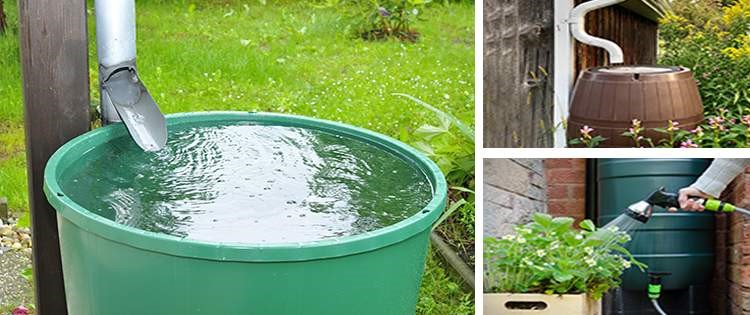
This DIY project is the best way to legally collect rainwater NO MATTER where you live. Get chlorine-free water, cut down on your water bills, and have enough for an emergency situation or to water your garden. Read More Here...
Limitations and When Not to Grow Kohlrabi
Kohlrabi is not a “set it and forget it” crop for the middle of summer. If you live in a region with short, intense springs that jump immediately into 90°F (32°C) heat, you may find spring kohlrabi nearly impossible to grow well. In these climates, it is almost always better to wait and plant a fall crop when the temperatures are trending downward.
Soil quality is another limitation. Kohlrabi will not perform well in “tired” soil that has had other brassicas (like broccoli or kale) grown in it for several years in a row. These plants share the same diseases, like clubroot, which can live in the soil for up to 20 years. If you cannot rotate your crops, you may need to grow kohlrabi in large containers with fresh potting mix.
Space can also be a constraint if you are aiming for giant varieties. While standard kohlrabi is happy with 6 inches (15 cm) of space, giant varieties like ‘Kossak’ or ‘Superschmelz’ require at least 12 inches (30 cm) to reach their full potential. If you crowd them, they will produce plenty of leaves but very small, stunted bulbs.
Comparison: Standard vs. Giant Varieties
Choosing the right variety depends on your goals. Most gardeners prefer the fast-maturing standard types, but there is a place for the giants if you have the patience and the space.
| Feature | Standard (e.g., White Vienna) | Giant (e.g., Kossak) |
|---|---|---|
| Days to Maturity | 45–60 days | 70–90 days |
| Ideal Harvest Size | 2–3 inches (5–7 cm) | 8–10 inches (20–25 cm) |
| Flavor Profile | Sweet, apple-like | Mild, nutty, creamy |
| Storage Life | 2–3 weeks in fridge | Up to 4 months in cold storage |
| Complexity | Low | Moderate (requires consistent water) |
Practical Tips and Best Practices
To ensure your kohlrabi stays tender, I recommend mulching heavily as soon as the bulbs begin to swell. Use a 2-inch (5 cm) layer of clean straw or shredded leaves. This helps regulate the soil temperature and keeps the moisture levels steady, which prevents the plant from stressing and turning woody.
Practice succession planting. Don’t sow all your seeds at once. Instead, sow a small patch every 2 weeks. This ensures that you aren’t stuck with 20 kohlrabi that all need to be eaten in the same week. Since they go from “perfect” to “woody” in about 7 to 10 days during the spring, staggered planting is the only way to have a continuous supply of tender bulbs.
When harvesting, use a sharp knife or garden shears to cut the bulb about an inch (2.5 cm) above the ground. If you pull the whole plant, you may disturb the roots of neighboring plants. Once harvested, remove the leaves immediately. The leaves will continue to draw moisture out of the bulb, causing it to go soft and rubbery in the refrigerator.
- Mulching: Use straw or bark to keep soil cool.
- Harvesting: Use a knife to avoid root disturbance.
- Storage: Remove leaves and store bulbs in a perforated plastic bag.
- Timing: Harvest when the bulb is the size of a tennis ball.
Advanced Strategies for Success
Serious practitioners should look into companion planting to naturally manage pests and improve soil health. Onions and garlic are excellent neighbors for kohlrabi because their strong scent can confuse the cabbage moth. Herbs like dill and sage are also beneficial; dill attracts predatory wasps that eat cabbage worms, while sage can deter several types of beetles.
Crop rotation is not just a suggestion; it is a necessity for brassicas. Follow a 4-year rotation plan. This means if you grow kohlrabi in “Bed A” this year, you should not grow kohlrabi, broccoli, cauliflower, kale, or cabbage in that same bed for at least three more seasons. This prevents the buildup of soil-borne pathogens like clubroot and Fusarium wilt.
For the absolute best flavor, aim for a fall harvest. As the temperatures drop in autumn, the plant converts its starches into sugars as a natural “anti-freeze.” This makes fall-grown kohlrabi significantly sweeter than those grown in the spring. If a light frost is predicted, don’t worry—a touch of frost actually improves the taste. Just be sure to harvest before a hard, deep freeze (below 28°F or -2°C) which can cause the bulb to split.
Example Scenario: The Spring Sprint
Imagine it is mid-March in a temperate climate. You have prepared a raised bed with fresh compost and the soil is workable. You direct sow ‘Winner’ kohlrabi (a green variety known for fast growth). By mid-April, the seedlings are 3 inches (7 cm) tall, and you thin them to 6 inches (15 cm) apart.
By early May, you notice the stems beginning to swell. You start watering every morning to ensure the soil never dries out. On May 20th, the bulbs are 2.5 inches (6 cm) wide. You harvest your first bulb, peel off the thick skin, and find the interior is as crisp as a water chestnut. You leave the remaining bulbs for another week, but by June 1st, a heatwave hits. Because you have mulched and used row covers, you manage to harvest the last of the crop just before they turn woody. This is a successful “Pro” style harvest.
Final Thoughts
Growing kohlrabi like a pro isn’t about having a secret fertilizer or an expensive greenhouse. It is about understanding the simple biological needs of the plant: cool temperatures, consistent moisture, and a timely harvest. If you can provide those three things, you will be rewarded with a vegetable that is lightyears beyond anything you can find at the supermarket.
Don’t be afraid to experiment with different colors and sizes. The purple varieties like ‘Kolibri’ add a beautiful splash of color to the garden and the kitchen, while the giants like ‘Kossak’ provide a fun challenge for the patient gardener. Each variety offers a slightly different take on that classic, crunchy flavor.
Take what you have learned here and apply it to your next planting season. Start small, focus on the details of soil and water, and most importantly, keep your harvest knife ready. Once you experience the legendary ‘sweet broccoli-apple’ crunch of a perfectly grown kohlrabi, you will never look at those woody store versions the same way again.