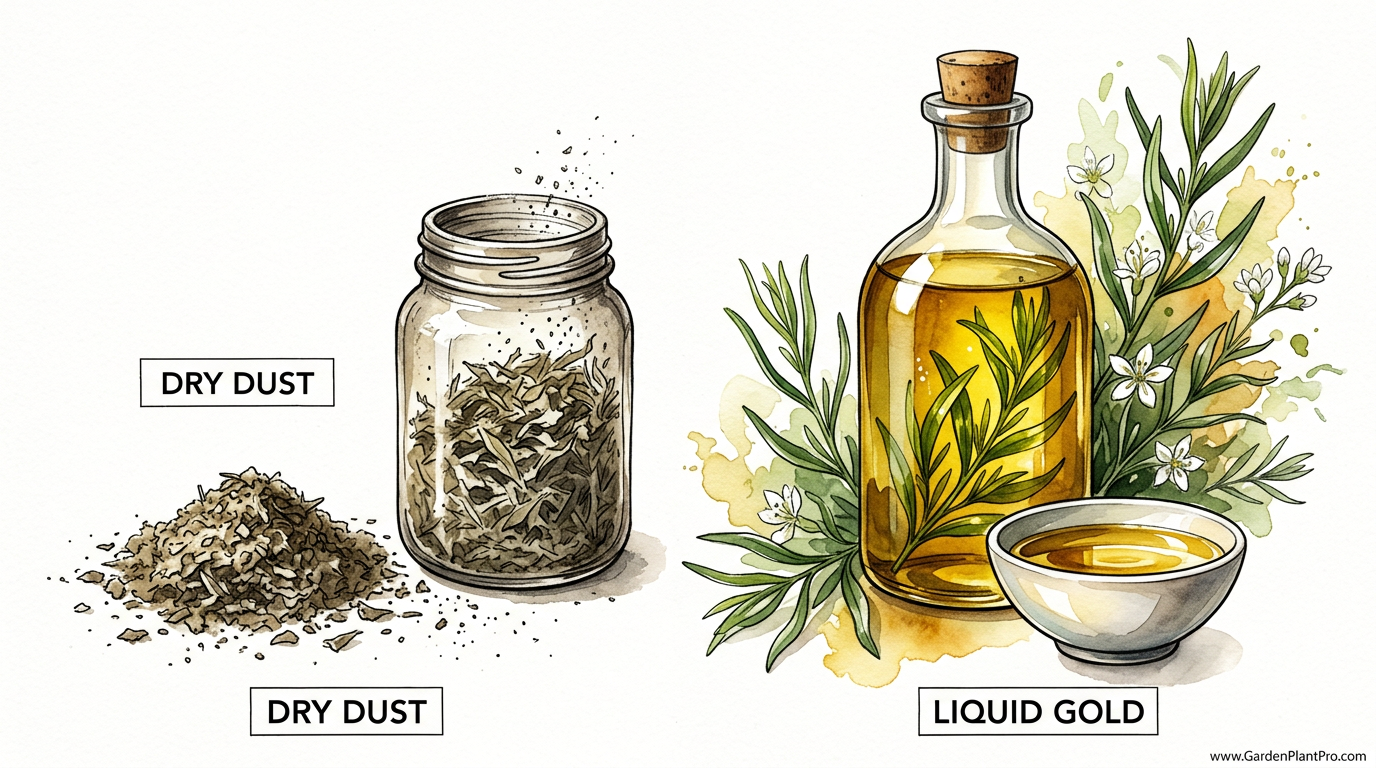
The secret to keeping that signature aromatic oil from evaporating into thin air. Dried tarragon loses its essential volatile oils almost instantly, leaving you with hay-flavored dust. If you want professional-level sauces year-round, you need to use the infusion method. It captures the essence of the herb at its peak.
I have spent many decades walking the rows of my garden, and if there is one thing I have learned, it is that some herbs simply do not respect the drying rack. Tarragon is the most stubborn of the lot. While rosemary or thyme will hold onto their soul when dried, tarragon lets its spirit go the moment the moisture leaves the leaf. This is why so many home cooks think they dislike the herb; they have only ever tasted the ghost of it in a store-bought jar.
When you learn to capture that flavor in a liquid medium, everything changes in the kitchen. You stop fighting against bland ingredients and start working with what I call “liquid gold.” Whether you are finishing a delicate butter sauce for fish or brightening up a summer vinaigrette, having a preserved source of true tarragon flavor is a game-changer for any serious cook.
Best Way To Preserve Tarragon Flavor
The best way to preserve tarragon flavor is through infusion, specifically using vinegar or high-quality oils. This method works because the primary aromatic compound in French tarragon, known as methyl chavicol (or estragole), is highly volatile and oil-soluble. When you submerge the fresh leaves in a liquid, you create a physical barrier that prevents these aromatic molecules from escaping into the atmosphere.
In the world of professional French cooking, this is why tarragon vinegar is a staple. It is not just a condiment; it is a preservation strategy. By pulling the oils out of the leaf and into the acetic acid of the vinegar, you lock in that anise-like sweetness for six to twelve months. This is far superior to freezing the leaves in water, which often results in a soggy, blackened mess that lacks the punch of the fresh plant.
You can think of it like a battery. The fresh leaf is fully charged with flavor, but that charge starts leaking the moment you pick it. Infusing it into vinegar or oil is like plugging it into a storage cell. It allows you to use the “energy” of that mid-summer harvest even when the garden is buried under three feet (about 90 cm) of snow and the ground is frozen solid.
Understanding the “Liquid Gold” Concept
The term “liquid gold” refers to the concentrated essence that results from a proper infusion. When you see a bottle of tarragon vinegar that has turned a pale, golden amber, you are looking at the dissolved oils of the plant. This liquid carries the full spectrum of the herb’s profile—the sweetness, the slight peppery bite, and the cooling numbing sensation on the tongue that tarragon is famous for.
Most beginners make the mistake of thinking they can just dry the herb and use more of it to compensate for the lost flavor. This rarely works because the chemical profile actually changes during dehydration. The sweet notes disappear, leaving behind a bitter, woody taste. Infusion avoids this chemical degradation entirely by maintaining the herb’s internal chemistry in a stable environment.
How To Create a Master Tarragon Infusion
Creating a professional-grade infusion requires more than just shoving leaves into a bottle. You need to respect the plant’s structure and the chemistry of the liquid you are using. I always recommend using a high-quality white wine vinegar or a neutral-tasting oil like grapeseed or light olive oil to ensure the tarragon remains the star of the show.
Start by harvesting your tarragon in the mid-morning, just after the dew has evaporated but before the sun gets hot enough to start pulling the oils out of the leaves. Look for the lush, green stems that haven’t started to turn woody at the base. You want the plant at its most succulent stage, typically before it even thinks about flowering.
- Step 1: Prep the Herb. Gently wash your tarragon sprigs in cool water to remove any garden dust or hitchhiking insects. Pat them completely dry with a lint-free towel. Moisture is the enemy of oil-based infusions, as it can lead to spoilage or mold.
- Step 2: Bruise the Leaves. Take the back of a knife or a wooden spoon and lightly tap the leaves. You don’t want to turn them into a paste; you just want to break the cell walls slightly to help the oils migrate into your liquid more easily.
- Step 3: Sterilize Your Containers. Use glass jars or bottles that have been boiled and dried. Plastic can sometimes leach scents into your infusion, which ruins the delicate profile of the tarragon.
- Step 4: The Soak. For vinegar, use a ratio of about one cup (240 ml) of packed herb sprigs to two cups (480 ml) of vinegar. For oil, I prefer a higher concentration: one cup of herbs to one and a half cups of oil.
- Step 5: Storage and Aging. Place the vinegar in a cool, dark cupboard for two to three weeks. If you are making oil, it is safer to keep it in the refrigerator and use it within a week, or freeze it into cubes for long-term storage to avoid the risk of botulism.
The Heat vs. Cold Method
Some gardeners prefer to heat their vinegar before pouring it over the herbs. While this speeds up the process, I find it can slightly cook the tarragon and change the flavor profile. I am a proponent of the cold-steep method. It takes longer, but the resulting flavor is much brighter and truer to the fresh plant. If you are in a hurry, you can warm the vinegar to about 110°F (43°C), but never let it boil.
Benefits of Using the Infusion Method
Choosing infusion over drying offers several practical advantages that go beyond just flavor. It changes how you interact with your pantry and how you plan your meals. When you have a bottle of tarragon-infused liquid ready to go, you are essentially “pre-seasoning” your future dishes.
One of the biggest benefits is consistency. Fresh tarragon can vary in potency depending on the rain levels and soil quality of that particular week. An infusion averages out that potency, giving you a reliable ingredient that behaves the same way every time you use it. This is vital if you are trying to perfect a specific recipe like a classic Béarnaise sauce.
Another advantage is convenience. Stripping tiny tarragon leaves off a stem every time you want to cook can be tedious. With an infusion, the work is done upfront. You simply pour a tablespoon or two into your pan or bowl. This makes it much easier to incorporate the herb into weeknight meals where you might otherwise skip the fresh garnish due to time constraints.
Finally, there is the longevity factor. While fresh tarragon only lasts about a week in the crisper drawer of your refrigerator, a vinegar-based infusion will stay vibrant for a year or more. This allows you to capture the peak of the growing season and enjoy it during the dead of winter when the only herbs available at the store look tired and sad.
Challenges and Common Mistakes
The most frequent error I see neighbors make is using the wrong kind of tarragon. There are two main types: French tarragon (Artemisia dracunculus var. sativa) and Russian tarragon (Artemisia dracunculus var. inodora). The Russian variety grows like a weed and is very hardy, but it has almost no flavor. If your infusion tastes like grass, you likely have Russian tarragon in your garden.
Another common pitfall is moisture contamination. If you are making an oil infusion and leave water on the leaves, you create an anaerobic environment where bacteria can thrive. This is a serious safety concern. Always ensure your herbs are bone-dry before they hit the oil. If you aren’t sure, stick to the vinegar method, as the acidity provides a natural safety barrier against most pathogens.
I also see people leaving the spent herbs in the bottle for too long. After about three or four weeks, the leaves have given up all their good oils and will start to decompose or become “swampy.” It is important to strain your infusion through cheesecloth once the flavor is where you want it. This leaves you with a clear, beautiful liquid that looks as good as it tastes.
Limitations of Preserving Tarragon
While infusions are wonderful, they are not a perfect 1:1 replacement for fresh leaves in every scenario. The primary limitation is the carrier liquid. If you use vinegar, you are introducing acid into your dish. This is great for dressings and sauces, but it might not work in a creamy potato dish or a delicate egg scramble where you want the flavor of tarragon without the sourness of vinegar.
DIY PROJECT: Collect rainwater no matter where you live...
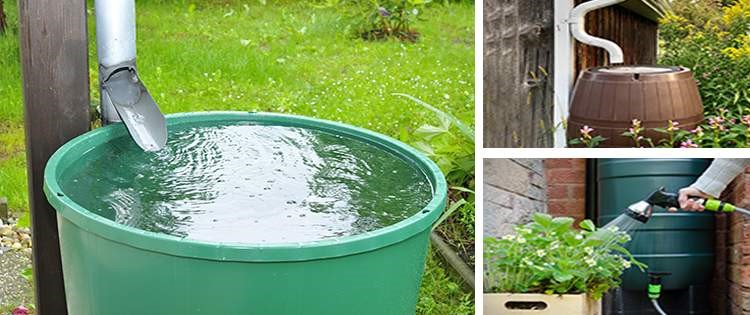
This DIY project is the best way to legally collect rainwater NO MATTER where you live. Get chlorine-free water, cut down on your water bills, and have enough for an emergency situation or to water your garden. Read More Here...
Freezing is the alternative when you need “clean” tarragon flavor, but it has its own limits. Frozen tarragon loses its texture. When it thaws, it becomes limp and dark green. You cannot use frozen tarragon as a garnish or in a fresh salad; it must be cooked into a dish. This makes it a specialized tool rather than a universal solution.
There is also the matter of space. Keeping dozens of bottles of various herb infusions can take up a lot of pantry or fridge real estate. For a small kitchen, you have to be selective about which herbs warrant this treatment. In my experience, tarragon always makes the cut because its dried form is so poor, whereas something like oregano is perfectly fine in a dried jar.
Comparing Preservation Methods
To help you decide which route to take with your harvest, I’ve put together a simple comparison based on my years of trial and error. Each method has a place in the kitchen, but they serve different masters.
| Method | Flavor Retention | Shelf Life | Best Use Case |
|---|---|---|---|
| Drying | Very Low (Hay-like) | 6 Months | Stews (not recommended) |
| Vinegar Infusion | High (Bright/Acidic) | 12 Months | Salad dressings, sauces |
| Oil Infusion | Very High (Rich) | 1 Week (Fridge) | Finishing fish or chicken |
| Freezing in Oil | High (Pure) | 4-6 Months | Sautés and soups |
As you can see, if you want the longest-lasting result with the most punch, vinegar is the winner. If you need the purest flavor for cooking, freezing the leaves in a little bit of neutral oil in an ice cube tray is the professional’s secret weapon. It prevents freezer burn and keeps the oils locked in place.
Practical Tips for the Home Gardener
If you are growing your own tarragon, there are a few things you can do in the soil to ensure the best flavor for your infusions. French tarragon loves well-drained soil. If its “feet” get too wet, the roots will rot, and the plant will produce fewer oils as it struggles to survive. I like to mix a little bit of sand or fine gravel into my tarragon bed to keep things airy.
Don’t be afraid to harvest aggressively. The more you prune the tips of the tarragon, the more it will bush out and produce new, oil-rich growth. I usually do a major harvest in early summer and another in late summer before the plant starts to go dormant for the winter. This gives me two distinct batches of infusion to work with.
- Mulching matters: Use a light mulch to keep the soil moisture consistent, but keep it away from the crown of the plant to prevent rot.
- Division: Since French tarragon doesn’t produce seeds, you’ll need to divide your plants every three to four years to keep them vigorous. This is the perfect time to share with a neighbor.
- Watch the heat: In very hot climates, tarragon can get stressed. Give it a bit of afternoon shade if you notice the leaves starting to pale or droop in the midday sun.
Advanced Considerations: The Chemistry of Scent
For those who want to get a bit more technical, the preservation of tarragon is all about protecting the phenylpropanoids. These are the molecules responsible for that licorice scent. They are highly reactive to oxygen. This is why vacuum-sealing your herbs before freezing them can actually yield a result that is nearly identical to fresh-picked sprigs.
If you have a vacuum sealer, try this: Blanch your tarragon in boiling water for exactly three seconds, then immediately plunge it into an ice bath. Dry it thoroughly, vacuum seal it in small portions, and freeze it. The blanching stops the enzymatic action that causes browning, and the vacuum removes the oxygen that causes flavor decay. It is more work, but for a serious chef, it is the gold standard for preservation.
Another advanced tip is to blend your tarragon with other “fine herbs” (fines herbes) like chervil, parsley, and chives during the infusion process. This creates a ready-made French seasoning base that is incredibly complex. Just remember that chives and parsley have higher water content, so the shelf life of the infusion will be slightly shorter than pure tarragon vinegar.
A Real-World Example: The Sunday Roast Chicken
Let’s look at how this plays out in a real kitchen. Imagine you are roasting a chicken on a Sunday afternoon. You could reach for a jar of dried tarragon and sprinkle it over the skin. The result will be a few dark specks that don’t taste like much of anything.
Instead, you reach for your “liquid gold”—the tarragon-infused oil you made back in July. You rub the chicken with this oil before it goes into the oven. As the bird roasts, the heat carries those preserved tarragon oils deep into the meat. Then, while the chicken rests, you deglaze the pan with a splash of your tarragon vinegar, whisking in a pat of butter. The result is a sauce with a depth of flavor that is bright, aromatic, and distinctly professional. That is the power of proper preservation.
Final Thoughts
Mastering the art of preserving tarragon is a rite of passage for any home gardener who loves to cook. It teaches you to respect the ephemeral nature of garden scents and the importance of timing. Once you move away from the “hay-flavored dust” of dried herbs and start utilizing infusions, your cooking will take on a new dimension of freshness that persists through every season.
I encourage you to start small. Make one bottle of vinegar this season. See how it transforms your salads and sauces. Gardening is as much about what happens in the kitchen as it is about what happens in the dirt. By capturing the essence of your harvest at its peak, you are truly making the most of your hard work under the sun.
Don’t be afraid to experiment with different base liquids or even combining tarragon with a little lemon zest in your infusions. The garden is your laboratory, and every year brings a new chance to refine your craft. Happy growing, and even happier cooking.