Did you know you could plant 50 peas in under 5 seconds? Stop the back-breaking work! The gutter method allows you to sprout your peas indoors safe from birds and rodents, then slide an entire row into the ground in seconds. This strategic shift saves your back and ensures perfect spacing every time.
Best Way To Plant Peas For High Yield
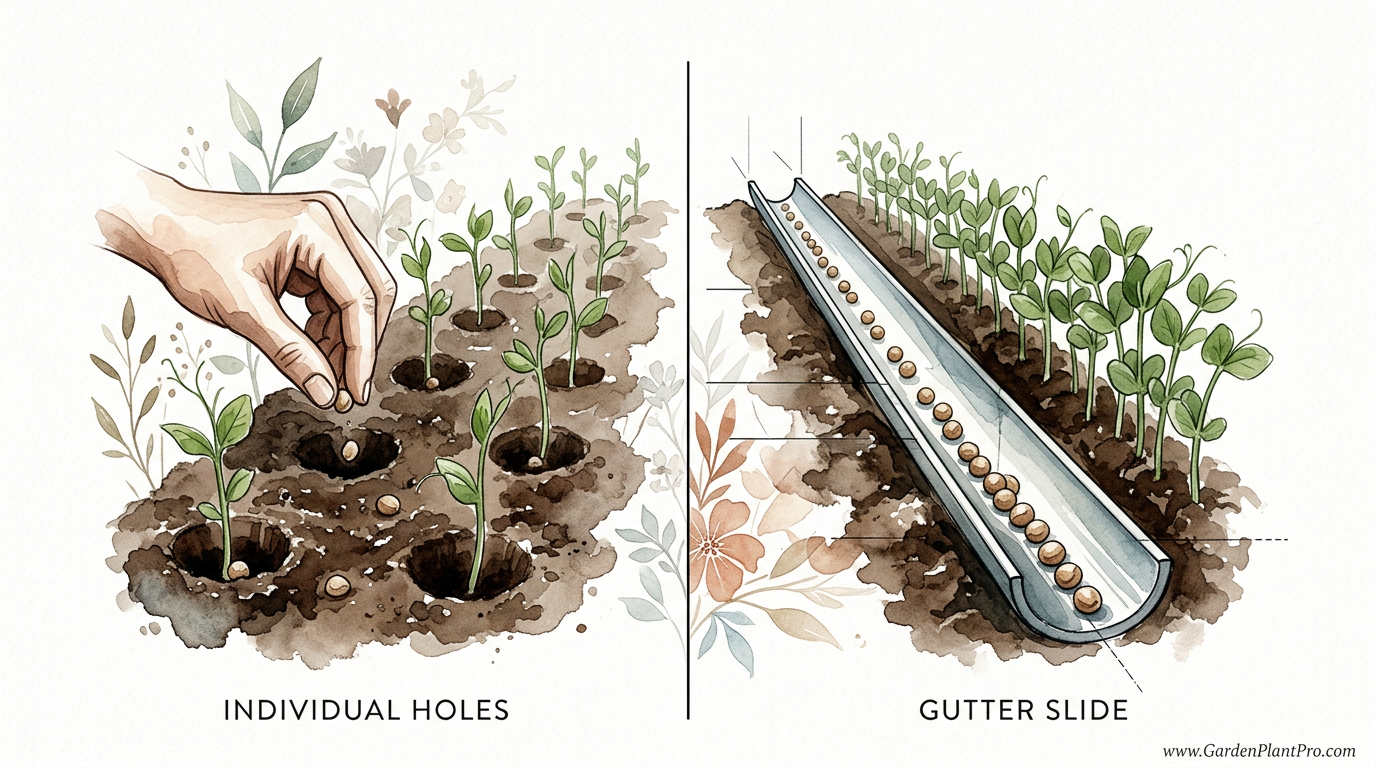
The gutter method, often called the “gutter slide,” is a clever gardening technique where you sow pea seeds in a length of rain guttering filled with compost. Instead of placing individual seeds into cold, wet garden soil where they might rot or be eaten by mice, you give them a protected start indoors or in a greenhouse. Once the seedlings reach a sturdy height of about 5 to 10 centimeters (2 to 4 inches), you simply slide the entire length of soil and plants into a pre-dug trench in your garden.
This approach exists to solve several historical headaches for pea lovers. Peas are notorious for hating root disturbance, which is why most old-timers insist on direct sowing. However, direct sowing often leads to patchy rows because mice love to dig up the sweet seeds the moment you turn your back. The gutter method offers the control of indoor starting without the trauma of transplanting individual seedlings. It transforms a tedious chore into a single, satisfying motion.
The Mechanics of the Gutter Slide
Setting up this system requires very little specialized equipment. Most gardeners find that standard PVC or aluminum rain gutters work perfectly. You can often find offcuts at home improvement stores or even salvage them from a neighbor’s renovation project.
Preparing Your Gutters
Standard gutters usually come in lengths of 3 meters (10 feet) or more. For ease of handling, cut these into more manageable sections of 1 to 1.5 meters (3 to 5 feet). A simple hacksaw makes quick work of this. If the sections are too long, they become heavy and awkward when filled with wet soil, increasing the risk of the soil breaking apart during the transplant.
Drainage is a critical factor for healthy roots. Drill small holes every 15 centimeters (6 inches) along the bottom of the gutter to prevent water from pooling. To keep the soil from falling out the ends, you can use proper gutter end caps or simply wrap the ends with a bit of duct tape or cardboard.
The Sowing Process
Fill the gutter with a high-quality, free-draining potting mix or seed-starting compost. Leave about 1 centimeter (0.5 inches) of space at the top. Most gardeners prefer to sow seeds in a zigzag pattern or a double row to maximize the density of the harvest. Space the seeds about 3 to 5 centimeters (1 to 2 inches) apart.
Cover the seeds with another layer of soil and firm it down gently with your hand. This contact between the seed and the soil is vital for moisture absorption. Water the gutters thoroughly using a watering can with a fine rose attachment to avoid washing the seeds away.
Benefits of the Gutter Method
The most immediate benefit is the protection from local wildlife. Mice, squirrels, and birds view freshly sown pea seeds as a five-star buffet. By keeping the gutters in a shed, greenhouse, or even on a sunny windowsill, you ensure 100% of your seeds have a chance to grow.
Efficiency is another major advantage. Traditional planting requires you to spend an hour on your knees, poking holes and dropping seeds one by one. With the gutter method, you do the “heavy lifting” at a comfortable table or workbench. When the soil outside is finally ready, you spend less than a minute per row actually planting.
Finally, this method allows for a much earlier start to the season. You can sow your peas while the ground is still frozen or waterlogged. By the time the garden soil has warmed to the necessary 7°C to 10°C (45°F to 50°F), you already have established seedlings ready to hit the ground running. This head start often results in a harvest that is two to three weeks ahead of your neighbors.
Challenges and Common Mistakes
One frequent error is keeping the peas in the gutter for too long. Pea plants develop long taproots very quickly. If they stay in the gutter for more than three weeks, those roots will hit the bottom and start to circle, leading to “root-bound” plants that struggle to establish in the garden. Aim to transplant when the seedlings have two sets of true leaves.
Soil moisture management is another tricky spot. Because gutters are shallow and narrow, the soil can dry out much faster than a traditional garden bed or a deep pot. Check the moisture levels daily. If the soil pulls away from the edges of the gutter, it has become too dry, and the root ball may crumble when you try to slide it out.
Limitations and Environmental Constraints
This method works best for the spring and autumn windows of the growing season. Peas are cool-weather crops and will naturally struggle when temperatures consistently rise above 27°C (80°F). Using the gutter method in the heat of mid-summer can be difficult because the shallow metal or plastic gutters can heat up rapidly, essentially cooking the tender roots.
If you have a very large farm-scale operation, the sheer number of gutters needed might become impractical. This technique is ideally suited for backyard gardeners, allotment holders, and small-scale homesteaders who want to maximize yield in a limited space without the physical toll of traditional sowing.
Practical Tips for a Smooth Slide
Success with the gutter slide often comes down to the preparation of the garden bed. Before you bring the gutters outside, dig a trench that is exactly the same width and depth as the gutter itself. A spare piece of guttering makes an excellent template for this task.
The Slide Technique
On planting day, water the gutters one last time. This helps the soil stick together as a solid “plug.” Carry the gutter to the trench, remove the end caps or tape, and place one end of the gutter at the start of your trench. Tilt the gutter at a 30-degree angle and gently guide the soil out with your hand as you move the gutter along the trench.
Once the row is in place, gently firm the garden soil around the edges of the new row. This eliminates air pockets and ensures the roots can immediately grow into the surrounding earth. Water the entire row well to settle the plants.
Succession Planting
To keep the harvest coming all season, start a new gutter of peas every two weeks. This staggered approach prevents the common problem of having “too many peas” at once, followed by none. As one row finishes its life cycle, the next one is just beginning to flower.
DIY PROJECT: Collect rainwater no matter where you live...
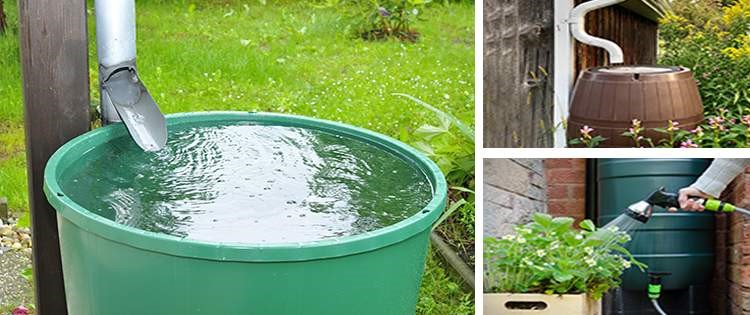
This DIY project is the best way to legally collect rainwater NO MATTER where you live. Get chlorine-free water, cut down on your water bills, and have enough for an emergency situation or to water your garden. Read More Here...
Advanced Considerations for Serious Growers
For those looking to push their yields even further, consider using a legume inoculant. These powders contain Rhizobium bacteria, which form a symbiotic relationship with pea roots to fix nitrogen from the air into the soil. Dampen your seeds slightly and coat them in the powder before sowing in the gutter. This often leads to darker green foliage and a more robust crop.
Variety Selection
Choosing the right variety for your climate is essential. “First Early” varieties like ‘Little Marvel’ or ‘Meteor’ are perfect for the first gutter runs of the year because they handle the cold exceptionally well. For mid-season planting, look for heat-tolerant types like ‘Wando’ to extend your harvest into the early summer.
Soil Biology and Health
Peas thrive in soil rich in organic matter but do not require heavy nitrogen fertilization. Too much nitrogen often results in lush green vines but very few pea pods. Focus on adding well-rotted compost to your trenches. This improves the soil structure and helps the ground retain the moisture that peas crave during their flowering stage.
Comparing Methods: Gutter Slide vs. Individual Holes
| Feature | Gutter Slide Method | Individual Hole Method |
|---|---|---|
| Planting Speed | Extremely fast (seconds per row) | Slow (minutes per row) |
| Pest Protection | High (indoor start) | Low (seeds vulnerable to mice) |
| Back Strain | Low (bench-top sowing) | High (constant kneeling) |
| Root Disturbance | Minimal (whole row moves) | Zero (planted in place) |
| Success Rate | 90% – 100% germination | Variable (weather dependent) |
Maintenance and Long-Term Care
Once your peas are in the ground, they need immediate support. Most varieties, even the “dwarf” types, grow better with something to climb. You can use traditional “pea sticks”—twiggy branches pushed into the soil—or more modern netting and wire mesh. Install these supports the same day you transplant to avoid damaging the roots later.
Watering is your primary task during the growing season. Peas have a shallow root system and can suffer quickly in a dry spell. Focus your watering at the base of the plants, ideally in the early morning. Keeping the foliage dry helps prevent common fungal issues like powdery mildew, which often appears as a white dust on the leaves when the weather is warm and humid.
Mulching around the base of your rows with straw or shredded leaves can be a game-changer. This layer keeps the soil cool and moist, mimicking the forest-floor conditions where wild peas originally evolved. It also keeps your peas clean and away from soil-borne pathogens.
Final Thoughts
The gutter method is more than just a clever trick; it is a fundamental shift in how we approach one of the garden’s most rewarding crops. By moving the delicate phase of germination to a controlled environment, we remove the variables of weather and pests that so often lead to frustration. The physical ease of the “slide” ensures that gardening remains a joy rather than a literal pain in the back.
Experimenting with this technique often leads to a new appreciation for the humble pea. Whether you are growing sweet snap peas for fresh snacking or shelling peas for a winter stew, the extra care taken in the first three weeks pays dividends in the harvest. Give the gutter slide a try this season, and you might never go back to poking holes in the mud again.