That grocery store bag is hiding a dull secret about your dinner’s nutrition. Industrial potatoes are bred for shipping durability, not flavor or vitamins. Level up to ‘Pro’ status by growing high-antioxidant heirloom varieties that you simply cannot buy in a store. Your soil, and your plate, will thank you.
Walking through a modern grocery store, you might think a potato is just a potato. Most of those bins are filled with Russet Burbanks or standard yellows that were selected because they can survive a 1,000-mile (1,600 km) truck ride without bruising. But as any seasoned gardener will tell you, the real magic happens in the dirt behind your own house. Heirloom potatoes carry the genetic history of centuries, offering colors, textures, and health benefits that industrial agriculture has largely ignored.
Growing these varieties isn’t just about the nostalgia of a vintage garden; it is a practical move for your health. Deeply pigmented potatoes, especially those with purple or red flesh, are packed with anthocyanins. These are the same powerful antioxidants found in blueberries and blackberries. When you grow these ‘super-spuds’ yourself, you control the soil quality, the inputs, and the harvest timing, ensuring that the nutrition stays in the tuber rather than being lost during months of cold storage.
This guide is built from years of leaning on a shovel and watching how these heritage varieties respond to different seasons. Whether you have a sprawling backyard plot or a few grow bags on a balcony, there is a way to integrate these high-nutrient gems into your life. Let’s look at which varieties deserve a spot in your soil and how to shepherd them from seed piece to dinner plate.
Best Heirloom Potato Varieties To Grow
Choosing an heirloom variety is more than just picking a pretty color. Each variety has a specific growth habit, maturity window, and culinary purpose. For a high-antioxidant garden, we focus on varieties that carry pigment all the way through the flesh, as this is where the highest concentration of phytochemicals resides.
1. Magic Molly
Magic Molly is a standout in any garden due to its deep, midnight-purple skin and solid purple flesh. Unlike some blue varieties that fade to a dull grey when boiled, Magic Molly retains its vibrant hue. This is a fingerling-type potato that produces elongated tubers with a rich, earthy flavor. It is a late-season producer, often taking 100 to 120 days to mature, but the wait is worth the massive hit of antioxidants you get in every bite.
2. Adirondack Blue
Developed at Cornell University, this variety is a favorite for those transitioning from standard whites to high-nutrient heirlooms. It has a high yield and a slightly moist, mealy texture that makes for incredible mashed potatoes. The skin and flesh are a bright violet-blue. It matures in about 80 to 95 days, making it a reliable mid-season choice for gardeners in temperate climates.
3. All Blue
True to its name, All Blue is an heirloom classic that has been around for over a century. It is a versatile “all-purpose” potato, meaning it holds its shape well enough for salads but is starchy enough for baking. The antioxidant levels are significantly higher than any white-fleshed variety. It is a medium-late producer and stores remarkably well, often keeping its firm texture for 6 months or more in a cool cellar.
4. Purple Majesty
If you are looking for the absolute king of anthocyanins, Purple Majesty is the one. Research has shown it can contain up to 235 mg of anthocyanins per 148-gram serving. It has a very dark purple flesh that is almost black when raw. It cooks quickly and has a smooth, buttery texture. Because it is a mid-season variety (around 85 days), it often escapes the worst of the late-season blight that can plague heirloom crops.
5. French Fingerling
While not purple, the French Fingerling is a high-nutrient red heirloom with a pinkish-red skin and yellow flesh often flecked with red streaks. The red pigment in the skin is a sign of high levels of Vitamin C and potassium. These are prolific producers and have a waxy texture that is perfect for roasting. They are remarkably resistant to common potato scabs, making them a practical choice for less-than-perfect soil.
6. German Butterball
This is a legendary heirloom yellow potato that wins flavor contests year after year. While it lacks the anthocyanins of the purple types, it is exceptionally high in lutein, an antioxidant vital for eye health. It has a netted, golden skin and deep yellow flesh. It is a late-season variety that requires a long growing window of 110 to 135 days, but its storage capabilities are among the best of all heirloom types.
How to Grow Your High-Antioxidant Potato Crop
Growing heirlooms requires a bit more attention than throwing a bag of store-bought spuds in a hole. These older varieties often have less resistance to modern diseases, so your technique needs to be solid to ensure a heavy harvest.
The Chitting Process (Greensprouting)
About 3 to 4 weeks before your last expected frost, bring your seed potatoes into a bright, cool room. Place them in egg cartons with the “eyes” (the small buds) facing up. This process, called chitting, encourages the potato to grow short, sturdy green sprouts. When these sprouts are about 2 cm (around 1 inch) long, the potato is ready for the soil. Chitting gives the plant a head start, which is especially important for late-maturing heirlooms in regions with short growing seasons.
Soil Preparation and pH
Potatoes are heavy feeders that prefer a loose, well-drained soil rich in organic matter. Work in plenty of well-rotted compost or aged manure several weeks before planting. Aim for a soil pH between 5.5 and 6.0. If your soil is too alkaline (above 7.0), you may run into issues with potato scab—a cosmetic disease that causes corky brown spots on the skin. While scab doesn’t ruin the potato, it makes them harder to peel and can reduce their storage life.
Planting and Spacing
Dig a trench about 15 cm (6 inches) deep. Place your seed pieces in the trench with the sprouts facing upward. For fingerlings like Magic Molly, space them 25 cm (10 inches) apart. For larger varieties like Adirondack Blue, give them 30 to 35 cm (12 to 14 inches). If you are planting in rows, leave about 75 to 90 cm (30 to 36 inches) between the rows to allow for hilling later in the season.
Cover the seed potatoes with about 10 cm (4 inches) of soil. Do not fill the trench completely at first. As the green shoots emerge and reach 15 cm (6 inches) in height, you will begin the process of hilling.
The Importance of Hilling
Hilling is the most critical task in the potato patch. Use a hoe to pull soil from the sides of the row up against the base of the plants, covering the lower half of the stems. You are essentially creating a mound. This serves three purposes: it protects the developing tubers from sunlight (which turns them green and toxic), it kills weeds, and it provides more space for the plant to grow “stolons,” the underground stems where potatoes actually form.
Environmental Factors and Garden Conditions
Potatoes are a cool-season crop, but they have specific requirements to reach their full nutritional potential. Temperature and moisture are the two biggest levers you can pull to influence your yield.
Temperature Fluctuations
The ideal temperature for tuber formation is between 15°C and 20°C (60°F to 68°F). If soil temperatures rise above 27°C (80°F), the plant may stop producing tubers and focus entirely on leaf growth. In hotter climates, mulching with a thick layer of straw can help keep the soil 5 to 10 degrees cooler. Conversely, a hard frost can kill the foliage. While the plant can often regrow from the tubers, it will set back your harvest by several weeks.
DIY PROJECT: Collect rainwater no matter where you live...
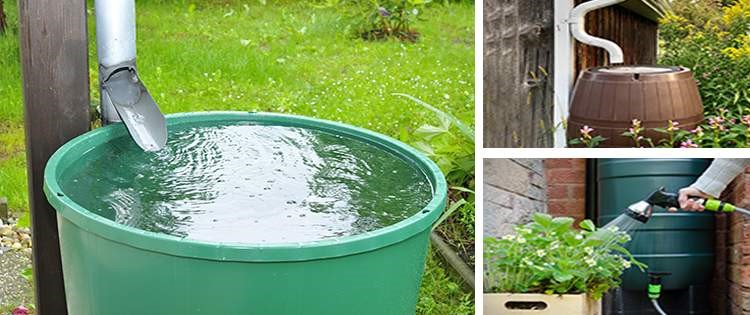
This DIY project is the best way to legally collect rainwater NO MATTER where you live. Get chlorine-free water, cut down on your water bills, and have enough for an emergency situation or to water your garden. Read More Here...
Water Management
Consistency is the goal. Potatoes need about 25 to 50 mm (1 to 2 inches) of water per week. If the soil swings from bone-dry to soaking-wet, the tubers may develop “hollow heart” or growth cracks. These are physical stresses that can also reduce the concentration of antioxidants. Stop watering once the foliage begins to yellow and die back at the end of the season; this helps the skins toughen up for storage.
Benefits of Heirloom Varieties vs. Standard Potatoes
Choosing to grow heirlooms over standard commercial varieties like the Russet is a choice between volume and quality. While a commercial farmer might prioritize a potato that yields 20 tons per acre, the home gardener should prioritize the density of nutrients and the complexity of flavor.
Anthocyanin Content: Purple-fleshed heirlooms contain up to 4 times the antioxidants of white potatoes. These compounds help neutralize free radicals in the body and have been linked to reduced inflammation and better heart health.
Glycemic Index: Many pigmented heirloom varieties have a lower glycemic index (GI) than the starchy Russet. This means they digest more slowly, providing a steadier release of energy and causing less of a spike in blood sugar levels.
Culinary Versatility: Heirlooms come in a range of textures, from the ultra-waxy Russian Banana fingerling to the creamy German Butterball. This allows you to match the potato to the dish, whether it is a firm salad, a silky mash, or a crispy roast.
Challenges and Common Mistakes
The road to a perfect potato harvest is often blocked by a few persistent hurdles. Being aware of these common pitfalls can save your crop.
- Planting Store-Bought Potatoes: Never use potatoes from the grocery store as seed. They are often treated with growth inhibitors to prevent sprouting and may carry latent diseases that will contaminate your soil for years. Always buy certified disease-free seed potatoes.
- Over-Fertilizing with Nitrogen: While nitrogen is necessary for growth, too much of it will give you massive, beautiful green bushes but tiny, underdeveloped potatoes. Focus on a balanced organic fertilizer or high-quality compost.
- Ignoring the Colorado Potato Beetle: These orange-and-black striped beetles can defoliate a potato patch in days. Check the undersides of leaves for their bright orange eggs and crush them. For larger infestations, use an organic spray containing Bacillus thuringiensis (Bt).
- Harvesting Too Early: It is tempting to dig as soon as you see flowers, but the real “bulking” of the tubers happens in the final weeks as the foliage dies. Wait until at least 50% of the leaves have turned brown for a full-sized harvest.
Limitations of Heirloom Potatoes
It is important to be realistic. Heirlooms are “old” for a reason—they haven’t been engineered for maximum efficiency. They often produce lower yields than modern hybrids. A single plant of a modern variety might give you 2 kg (4.4 lbs) of potatoes, while an heirloom might only give you 1 kg (2.2 lbs).
Heirlooms are also more susceptible to Late Blight (the cause of the Irish Potato Famine). If you live in a very humid, rainy area, you may need to choose varieties with specific resistance, such as the ‘Elba’ or ‘Sarpo Mira’, or be prepared to harvest early if you see dark, water-soaked spots on the leaves.
Comparison: Standard vs. Pro Heirloom Varieties
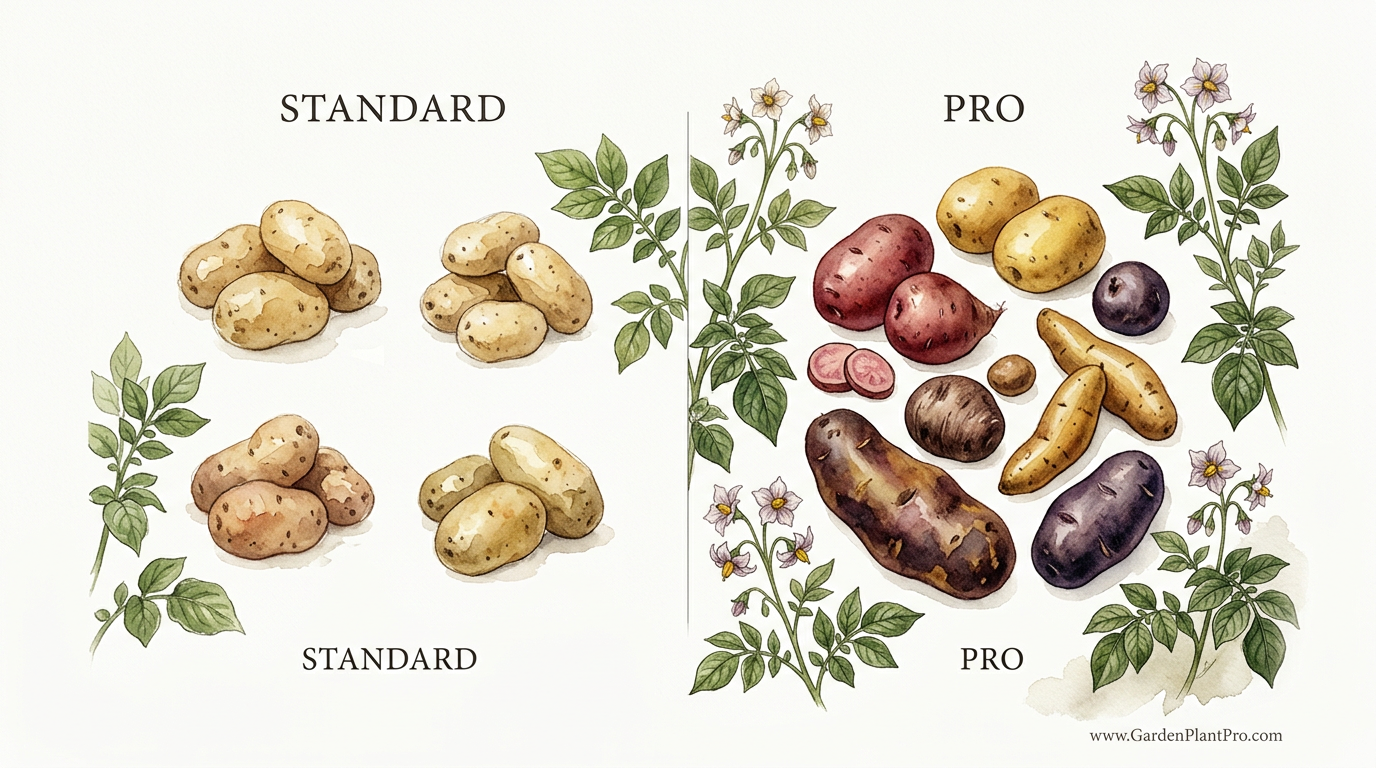
To help you decide where to invest your garden space, look at how these two approaches compare across the board. This table highlights why the “Pro” heirloom approach is worth the extra effort.
| Feature | Standard (Commercial) | Pro (Heirloom/Pigmented) |
|---|---|---|
| Antioxidant Levels | Low (Found mostly in skin) | High (Distributed through flesh) |
| Flavor Complexity | Mild, bland, earthy | Rich, nutty, buttery, or creamy |
| Shelf Life | Very high (due to inhibitors) | Moderate (requires proper curing) |
| Growing Difficulty | Easy (highly resilient) | Moderate (requires disease monitoring) |
| Glycemic Index | High (70–90) | Medium-Low (50–70) |
Practical Tips for a Successful Harvest
Success with potatoes is often found in the small details. Here are a few tricks I have picked up over the years that can make a big difference in your final yield.
- Don’t wash before storage: If you plan to keep your potatoes through the winter, do not wash them. Gently brush off the loose soil once they are dry. Water can introduce rot during the curing phase.
- Cure your crop: After digging, let the potatoes sit in a dark, humid spot at about 15°C to 18°C (60°F to 65°F) for two weeks. This allows the skin to thicken and any small nicks from the shovel to heal over.
- Straw Mulching: If you have “heavy” clay soil that is hard to dig, try the “no-dig” method. Place your seed potatoes on the surface of the soil and cover them with 30 cm (12 inches) of clean straw. The potatoes will grow right at the soil surface, making harvest as easy as pulling back the straw.
- Crop Rotation: Never plant potatoes in the same spot two years in a row. They are part of the Solanaceae family (along with tomatoes, peppers, and eggplants). Rotating your crops helps break the cycle of soil-borne diseases like Fusarium and Verticillium wilt.
Advanced Considerations: Saving Your Own Seed
Once you find an heirloom variety that thrives in your specific microclimate, you can begin saving your own seed potatoes for the next year. This is how “landraces” are created—varieties that are perfectly adapted to your local soil and weather patterns.
When you harvest, select the healthiest, most productive plants. Save the medium-sized tubers (about the size of a large egg) from these specific plants. Store them in a cool, dark, and slightly humid place. Make sure they stay away from fruit like apples or onions, as the gases released by those crops can cause your seed potatoes to sprout prematurely or rot.
However, be vigilant. If you notice a decline in yield or see mottled, yellowing patterns on the leaves during the season, your stock may have picked up a virus. Potato viruses are carried by aphids and accumulate over generations. If this happens, it is time to clear out your stock and start fresh with certified disease-free seed for a season.
Example Scenario: The “Superfood” Plot
Imagine a small 3×3 meter (10×10 foot) garden bed. If you plant this area with ‘Purple Majesty’ and ‘French Fingerling’, you could expect to harvest approximately 30 to 45 kg (66 to 100 lbs) of high-antioxidant potatoes.
In a standard grocery store, these specialty varieties would cost anywhere from $5 to $8 per kilogram ($2.20 to $3.60 per lb), if you could even find them. By investing about $20 in seed potatoes and a few hours of labor for hilling and watering, you produce hundreds of dollars worth of the highest quality nutrition available. More importantly, those potatoes will have a flavor depth—a nutty, rich essence—that a store-bought Russet simply cannot match.
Final Thoughts
Growing heirloom potatoes is one of the most rewarding projects a home gardener can undertake. It transforms a basic staple food into a gourmet, nutrient-dense powerhouse. While industrial farming has prioritized the convenience of the shipper, the “Pro” gardener prioritizes the health of the family and the richness of the plate.
Starting with a few rows of ‘Adirondack Blue’ or ‘Magic Molly’ will quickly show you what you’ve been missing. The process of hilling the soil, watching the vibrant green canopy explode, and finally digging through the dirt to find those purple and red treasures is a seasonal ritual that never gets old.
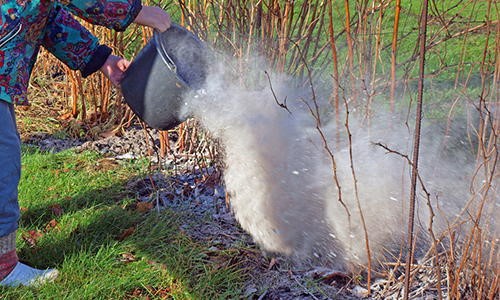
Do you have some charcoal in your house right now? We call charcoal a “miracle leftover” for anyone who wants to be a little more self-sufficient and cut costs. That’s because it can help you with so many different things around the house and garden. You can even use it to make an energy-free fridge. Read More Here...
As you master the basics of soil pH, consistent watering, and proper curing, you might find yourself exploring more advanced concepts like saving your own seed or experimenting with different mulch types. Each season is a new lesson. Your garden is an evolving system, and by introducing these heritage genetics, you are participating in a tradition that spans thousands of years. Get your hands in the dirt, plant something colorful, and enjoy the best dinner of your life.