
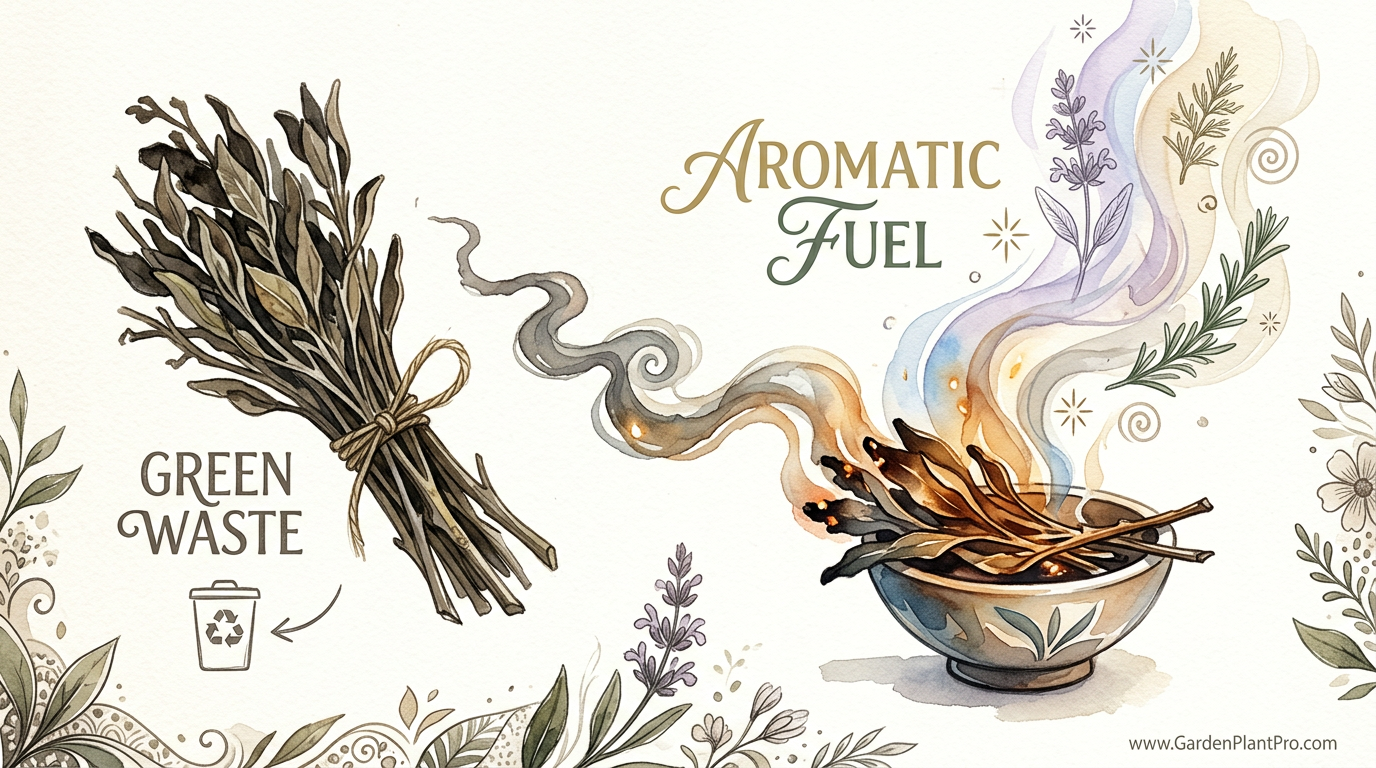
Those ‘dead’ stems are actually the secret ingredient to the most aromatic BBQ you’ve ever tasted. When your sage gets woody, don’t just dump the prunings in the compost. Those stems are packed with concentrated oils that transform into incredible flavor when used as grill skewers or smoker fuel. Turn your garden waste into your kitchen’s secret weapon.
In the world of gardening, we often focus so much on the tender, silver-green leaves of our sage plants that we overlook the structural heart of the plant. After three or four years, a healthy sage bush naturally begins to develop a thick, gnarly, woody base. Most traditional advice tells you to prune this back to prevent the plant from becoming leggy or to replace the plant entirely when the woodiness takes over. But as a seasoned gardener who hates seeing anything go to waste, I’ve learned that these woody prunings are far more valuable than the leaves themselves for certain tasks.
Woody sage stems are essentially nature’s flavor sticks. While the leaves have a high water content and can become bitter or burnt if exposed to direct flame too quickly, the lignified stems have a higher concentration of aromatic hydrocarbons and lower moisture levels. This makes them the perfect candidate for high-heat applications like grilling and smoking. They don’t just provide heat; they provide a specific, earthy, camphorous perfume that you simply cannot buy in a bag of hickory chips at the local hardware store.
Creative Uses For Old Sage Stems
When we talk about creative uses for sage stems, we are looking at the plant through a lens of utility and resourcefulness. These stems are strong, fibrous, and saturated with the plant’s secondary metabolites—the chemicals the plant produces to protect itself from pests and environmental stress. In the real world, this translates to a material that is naturally rot-resistant, highly aromatic when heated, and structurally sound enough to be used as a tool.
One of the most immediate uses is in the culinary world, specifically for outdoor cooking. Think of sage stems as a specialized type of “fruitwood.” Just as apple or cherry wood provides a sweet, mellow smoke, sage wood provides a savory, “woodsy” profile that pairs exceptionally well with game meats like venison, as well as poultry and fatty pork.
Beyond the grill, these stems have a place in home maintenance and craft. Because they are naturally antimicrobial and antifungal, they have been used for centuries in bundles to cleanse the air or simply to act as long-lasting, fragrant ornaments. In the garden, their rigidity makes them excellent for small-scale structural tasks, like marking rows or providing lightweight support for smaller seedlings.
The Art of Harvesting and Preparation
The quality of your aromatic fuel or skewers depends entirely on when and how you harvest. The best time to prune your sage for woody stems is in the early spring, just as the new growth begins to emerge, or in the late summer after the plant has finished flowering.
When you are looking for skewers, you want straight, mature stems that are at least 3 mm (about 1/8 inch) in diameter. These are usually found toward the center and bottom of the plant. Use a sharp, clean pair of bypass pruners to make a clean cut at a 45-degree angle. This angle isn’t just for the plant’s health; it also gives you a natural point for your skewer.
Once harvested, you need to decide if you are using them “green” (fresh) or seasoned (dried). Fresh stems have more moisture and will release a heavier, more pungent smoke. Dried stems are better for skewers because they are stiffer and won’t bend under the weight of the meat. To dry them, bundle the stems together with twine and hang them in a cool, dark place with good airflow for about two weeks. If you are in a rush, a dehydrator set to its lowest setting for 24 hours will also do the trick.
Culinary Smoke and Herbal Skewers
Using sage stems in BBQ is a game-changer for backyard chefs. There are two primary ways to do this: as skewers for direct heat or as fuel for indirect smoking.
Using Sage Stems as Skewers
To use sage stems as skewers, strip the leaves from the bottom two-thirds of a woody stem. Leave a small tuft of leaves at the top for aesthetic appeal and a final burst of aroma as it sits on the plate. Because sage wood is dense, it can be difficult to pierce tough meat. A common trick is to use a metal skewer or a toothpick to poke a “guide hole” through your meat or vegetables first, then slide the sage stem through.
If the stems are completely dried out, you must soak them in water for at least 30 minutes to an hour before putting them on the grill. This prevents the wood from catching fire and allows it to “smolder” instead, which infuses the food with flavor rather than just charring the outside.
Sage as Smoker Fuel
If you have a pile of smaller, more irregular woody prunings, these are perfect for the smoker box. For those using a charcoal grill, simply toss a handful of sage stems directly onto the white-hot coals right before you put the meat on. The stems will burn quickly—usually within 5 to 10 minutes—so they are best for “flash smoking” delicate items like fish, shrimp, or thin cuts of chicken.
For a longer smoke in an offset or electric smoker, you can bundle the stems tightly with kitchen twine and soak the entire bundle. This “herb log” will sit on the heat source and release a steady, aromatic smoke for a longer duration. This is particularly effective when smoking a whole turkey or a rack of pork ribs.
Household and Aromatic Applications
Sage stems aren’t just for the kitchen. Their high resin content makes them useful all around the home.
Natural Fire Starters
One of my favorite ways to use up the smaller, “twiggier” bits of sage is to make natural fire starters for the wood stove or fire pit. You can take an old cardboard egg carton, fill the cups with a bit of dryer lint or wood shavings, and then nestle small 2-inch (5 cm) pieces of sage stems on top. Pour a little bit of melted soy wax or leftover candle wax over the top to seal everything in. When you light the cardboard, the sage stems catch fire and release a wonderful, clearing scent that masks the initial “smoky” smell of a cold chimney.
Herbal Smudge Sticks and Wreaths
While many people purchase “white sage” (Salvia apiana) for smudging, common garden sage (Salvia officinalis) works just as well and is much more sustainable for home gardeners. Use the woody stems as the “spine” of your bundle. Lay fresh sage leaves and perhaps some lavender or rosemary along the stem, then wrap tightly with natural cotton twine. As the bundle dries, the woody stem ensures the stick remains straight and burns evenly.
For a more decorative approach, you can weave the more flexible, semi-woody stems into small wreaths. These look beautiful hanging in a kitchen or pantry and act as a natural deodorizer. In my experience, a sage wreath can retain its scent for six to twelve months if kept out of direct sunlight.
Benefits of Repurposing Woody Stems
Choosing to use your garden “waste” in this way offers several practical advantages:
DIY PROJECT: Collect rainwater no matter where you live...
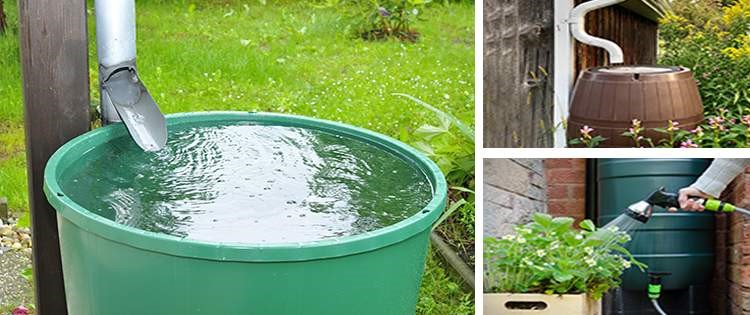
This DIY project is the best way to legally collect rainwater NO MATTER where you live. Get chlorine-free water, cut down on your water bills, and have enough for an emergency situation or to water your garden. Read More Here...
- Enhanced Flavor Profile: You get a unique, gourmet smoky flavor that isn’t available in commercial wood chips.
- Sustainability: You are closing the loop in your garden by using every part of the plant, reducing what goes into the green waste bin or landfill.
- Cost Savings: High-quality smoking woods and decorative herb bundles can be expensive. Your garden provides them for free.
- Pest Management: Burning sage stems outdoors is a natural way to deter mosquitos and flies during a summer cookout.
- Healthier Cooking: Using aromatic woods for flavor can reduce the need for heavy salt or sugar-laden BBQ sauces.
Challenges and Common Mistakes
While using sage stems is relatively straightforward, there are a few pitfalls to avoid.
The Bitterness Trap: Sage is powerful. A common mistake is using too much wood at once. If you over-smoke a delicate fish with sage, it can take on a medicinal, almost soapy flavor. Start with just two or three stems and see how you like the profile before committing a whole bundle to the coals.
Mold During Drying: If you bundle fresh sage stems too tightly while they are still wet, they can develop mold in the center. Always ensure the stems are bone-dry to the touch before storage, and never store them in plastic bags. Paper bags or open baskets are much better for airflow.
Using “Pseudo-Sages”: Not everything called “sage” is safe to use. For example, Sagebrush (Artemisia) is not a true sage and can be quite bitter or even toxic in high culinary doses. Stick to the *Salvia* genus, specifically *Salvia officinalis* (Common Sage), *Salvia fruticosa* (Greek Sage), or *Salvia apiana* (White Sage).
Limitations and When This May Not Be Ideal
It is important to recognize when sage stems are not the right tool for the job.
In high-heat grilling, sage stems are thin and will burn through much faster than a thick chunk of oak or hickory. They are a “supplemental” fuel, not a primary heat source. If you are doing a 12-hour brisket smoke, sage stems alone won’t provide the sustained heat or depth of flavor needed; they should be added in the final hour for an aromatic finish.
From a health perspective, pregnant women and young children should be cautious with high concentrations of sage smoke. Sage contains thujone, a compound that is safe in culinary amounts but can be a neurotoxin in very high, concentrated doses. While the amount of thujone in smoke is generally low, it’s a good practice to use these in well-ventilated outdoor areas.
Practical Tips and Best Practices
- Storage: Keep your dried sage stems in a cool, dry place. I like to keep mine in a tall glass mason jar on the kitchen counter—it looks rustic and keeps them within easy reach for the grill.
- Temperature Control: When smoking with herbs, lower your grill temperature slightly (around 225°F to 250°F or 110°C to 120°C). High heat can cause the oils to burn off too quickly, resulting in an acrid smell rather than a sweet one.
- Pairing: Sage smoke loves fat. It is at its best when paired with ribeye steaks, pork shoulder, or duck breast. The smoke cuts through the richness of the fat beautifully.
- Pruning for Straightness: If you want perfect skewers, prune your sage plant to encourage long, vertical growth. Pinching off the side buds early in the season forces the plant to put energy into the main vertical stems, giving you longer, straighter “sticks” for the following year.
Advanced Considerations: The Chemistry of Sage Wood
For the serious practitioner, understanding why the wood behaves differently than the leaf is key. The wood of the sage plant contains a higher ratio of sesquiterpene hydrocarbons compared to the leaves, which are richer in monoterpenoids like 1,8-cineole.
In layman’s terms, the leaves provide that “bright,” “sharp” sage smell we know from stuffing. The wood, however, provides a “deeper,” “bass-note” aroma that is more resinous and less volatile. This is why the wood can withstand the heat of a grill without turning into an acrid mess immediately. When you use the wood, you are accessing the “aged” version of the plant’s essential oils, which have a much more complex and stable aromatic profile.
Example Scenario: A Summer Game Night Cookout
Imagine you’ve just harvested a few pounds of venison or perhaps some thick-cut pork chops. You’ve got a pile of woody sage prunings from your spring cleanup.
First, take ten of your straightest stems, strip the leaves (save them for a sage-butter sauce later!), and soak the stems in a tray of water for 45 minutes. Meanwhile, prep your meat into 1.5-inch (4 cm) cubes.
Using a toothpick, pre-pierce the meat and a few slices of red onion. Slide the meat onto the soaked sage skewers. As they hit the hot grill, you will immediately notice a difference. Instead of the smell of burning charcoal, the air will fill with an earthy, incense-like perfume. The steam from the soaked wood will essentially “braise” the inside of the meat with sage oil while the outside sears. By the time the meat is done, the skewer itself will be charred and aromatic, making for a presentation that looks and smells like a professional wood-fired kitchen.
Final Thoughts
Those ‘dead’ stems you once ignored are truly one of the most versatile resources in the garden. By shifting your perspective from “garden waste” to “aromatic fuel,” you unlock a whole new layer of flavor for your cooking and a range of sustainable uses for your home. It’s a way of honoring the full life cycle of the plant, from its tender spring leaves to its tough, weathered old wood.
The next time you’re out in the garden with your pruners, take a second look at those woody branches. Don’t be afraid to experiment. Try a few stems on the grill, weave a small wreath for your shed, or make a batch of fire starters for the winter. You’ll find that the older the sage, the more wisdom—and flavor—it has to offer.
Gardening is a long game, and part of that game is learning how to use every bit of the harvest. Whether you’re a beginner just starting your first herb bed or a serious practitioner with a decade of soil under your fingernails, repurposing sage wood is a simple, satisfying way to elevate your craft. Now, go fire up that grill and see what a little garden “trash” can do for your next meal.