Are you wasting hours on your knees thinning seedlings when you could be harvesting clusters of beets instead? Most gardeners are taught to sow beets in rows and then pull out the ‘extras.’ That is wasted seed and wasted time. By using the strategic multisowing method, you grow beets in clusters, allowing them to push each other apart as they grow. More food, less work, and zero thinning required.
It might feel counterintuitive at first to let plants huddle together. We are often told that competition is the enemy of a good harvest. However, certain vegetables thrive when grown in small, intentional families. Beetroot is perhaps the greatest candidate for this approach because of its unique biological makeup.
This guide will walk you through the nuances of growing beets in clumps. You will learn how to leverage the natural growth habits of this root crop to maximize every square inch of your garden. Whether you have a small raised bed or a sprawling allotment, this method changes the math of your harvest for the better.
Multisowing Beets For High Yields
Multisowing is the practice of intentional cluster planting. Instead of placing one seed every few inches, you plant a small group of seeds in a single hole or module cell. This technique creates a “clump” of plants that grow together in a shared space. For beets, this is particularly effective because the “seed” you hold in your hand is actually a small, corky fruit containing two to five individual embryos.
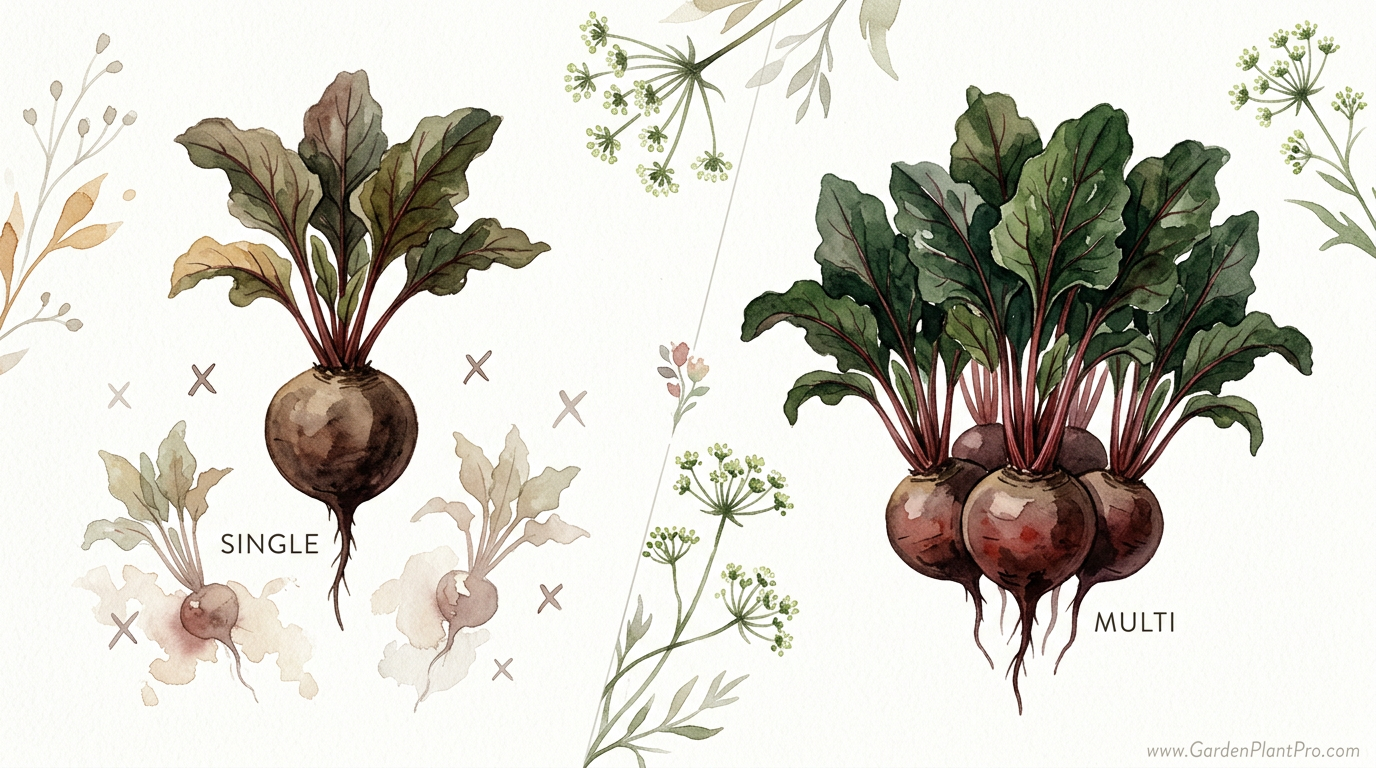
Nature already designed beets to grow in groups. When a standard multigerm beet seed germinates, it naturally produces a cluster of seedlings from that single seed ball. In traditional gardening, you would pinch out all but one of these seedlings. Strategic multisowing asks: why fight nature? By leaving four or five seedlings to grow in a single spot, you create a high-density growing environment that actually benefits the plants and the soil.
Think of it like a small huddle of plants working together. As the roots expand, they physically push against one another. This pressure does not stunt them if the clump has enough surrounding space; instead, it encourages them to find their own path in the soil. The result is a beautiful bouquet of beetroots that can be harvested one by one as they reach the perfect size.
The Anatomy of a Beet Seed
Understanding why this works requires a look at the botany of the beet. Most gardeners are surprised to learn that a beet seed is not a single seed at all. It is a multigerm seed cluster. These rough, crinkled seed balls are formed when beet flowers grow so closely together that their petals fuse. This creates a botanical fruit that houses multiple embryos.
When you sow a single “seed” of a variety like Detroit Dark Red or Boltardy, you are effectively sowing a small colony. Within a week, you will often see three or four distinct sprouts emerging from that one spot. This is why traditional thinning is so laborious; you aren’t just thinning between seeds you planted, but also thinning the offspring of every single seed ball.
There are exceptions known as monogerm varieties. These were bred specifically for the commercial sugar beet industry to allow for mechanical planting without thinning. Varieties like ‘Solo’ or ‘Moneta’ only produce one seedling per seed. While these are useful for single-row planting, they lack the natural “clumping” advantage that makes traditional varieties so successful in a multisown system.
Step-by-Step Guide to Multisowing
Implementing this method is straightforward, but it requires a shift in how you handle your starts. You can either direct sow into the garden or start your seeds in modular trays. Most experienced practitioners prefer the tray method because it offers better protection from early-season pests like slugs and birds.
Preparing the Seed Trays
Standard modular trays with cells roughly 1 inch (2.5 cm) wide are ideal for this. Fill the trays with a high-quality, fine seed-starting compost. Press the compost down firmly to remove large air pockets, but do not pack it so tight that roots cannot breathe. Beet seedlings enjoy a firm base to push against as they emerge.
Sowing the Seeds
Place two multigerm seed balls into each cell. While a single seed ball might provide enough seedlings, using two ensures that every cell is occupied even if one seed fails to germinate. If both seeds sprout vigorously, you may end up with six or seven seedlings. In this case, use a pair of snips to thin the cluster down to the strongest four or five. Keeping five plants per clump is the “sweet spot” for most table beet varieties.
Environmental Needs for Germination
Beet seeds require a soil temperature of at least 45°F (7°C) to germinate, though they perform best when the soil is between 50°F and 85°F (10°C to 29°C). Keep the compost consistently moist. If the seeds dry out during the germination phase, the corky outer shell can become too hard for the tender embryos to pierce.
Spacing and Planting Out
One of the biggest mistakes gardeners make with multisowing is crowding the clumps too closely together. Because each clump contains five plants, the clumps themselves need more “elbow room” than a single plant would.
Space your clusters about 10 to 12 inches (25 to 30 cm) apart in every direction. This might look sparse when the seedlings are small, but remember that you are growing five beets in the footprint of one. This spacing allows the outer edges of the clusters to expand without competing with the neighboring family of beets for light and nutrients.
Transplanting should happen when the seedlings are about 3 to 4 inches (7 to 10 cm) tall. Beets are one of the few root crops that actually tolerate transplanting quite well, provided you do not disturb the main taproot too much. By transplanting an entire module “plug,” you keep the root system intact and ensure the cluster gets a strong start in the garden soil.
The Measurable Benefits of Multisowing
Why choose this over the traditional “one plant every four inches” method? The advantages are measurable in terms of both time and yield.
- Time Efficiency: You spend 80% less time sowing and zero time thinning. Instead of planting 100 individual seeds, you plant 20 clumps.
- Space Optimization: You can grow significantly more food in a smaller area. A 4×4 foot (1.2m x 1.2m) bed can easily support 16 to 20 clusters, resulting in nearly 100 beetroots.
- Living Mulch: As the beet leaves grow, the dense canopy of the cluster shades the soil. This prevents weed seeds from germinating and keeps the soil moisture from evaporating as quickly.
- Successive Harvesting: Because plants in a cluster grow at slightly different rates, you can harvest the largest beet and leave the others to continue swelling.
Challenges and Common Pitfalls
Every gardening technique has its hurdles. With multisowing, the primary challenge is nutrient and water competition. Five plants drawing from one spot require a soil that is rich in organic matter. If your soil is depleted, the beets will stay small and may become woody.
Another frequent error is allowing too many plants to remain in the cluster. While it is tempting to leave all seven or eight seedlings that might sprout from two seed balls, this often results in “all leaf and no root.” The plants will compete so fiercely for light that they focus all their energy on foliage rather than bulb development. Stick to the rule of four or five plants per clump for the best results.
DIY PROJECT: Collect rainwater no matter where you live...
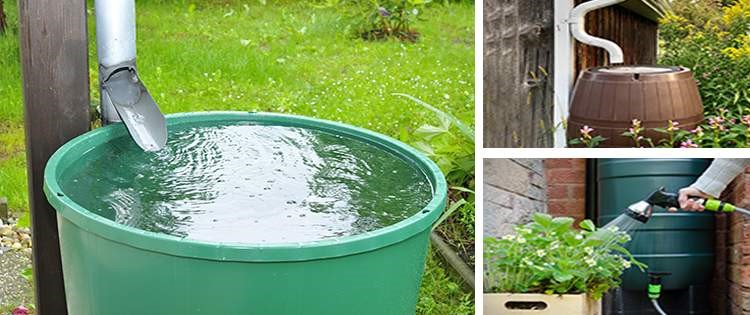
This DIY project is the best way to legally collect rainwater NO MATTER where you live. Get chlorine-free water, cut down on your water bills, and have enough for an emergency situation or to water your garden. Read More Here...
Pest management also looks different in a cluster. The dense foliage can sometimes restrict airflow, which may lead to fungal issues like Cercospora leaf spot in very humid climates. Keeping your garden beds clear of debris and ensuring the 12-inch spacing between clusters will help mitigate these risks.
When Multisowing May Not Be Ideal
While I swear by this method for most of my beet harvest, it isn’t always the right choice. If your goal is to grow massive, “exhibition-sized” prize beets, you are better off with single-plant spacing. Large competition-style beets need 6 to 8 inches (15 to 20 cm) of dedicated space to reach their full potential without any pressure from neighbors.
Environmental limitations also play a role. If you are gardening in an area with extremely poor, sandy soil that doesn’t hold moisture well, the competition within a multisown cluster might be too stressful for the plants. In these conditions, traditional spacing is often more forgiving.
Finally, consider your variety. Cylindrical beets, like the ‘Cylindra’ or ‘Formanova’ varieties, are bred to grow long and narrow. They are designed for easy slicing and uniform canning. While they can be multisown, their shape makes them slightly more prone to tangling than the classic globe-shaped varieties.
Comparison: Manual Thinning vs. Strategic Multisowing
| Factor | Manual Thinning (Traditional) | Strategic Multisowing |
|---|---|---|
| Labor Level | High (Requires hours of meticulous thinning) | Low (No thinning required in the field) |
| Yield per Square Foot | Moderate (12-16 beets) | High (25-35 beets) |
| Seed Waste | High (Seeds are sown only to be discarded) | Low (Every seedling contributes to the harvest) |
| Weed Management | Constant hoeing required between plants | Natural suppression from leaf canopy |
| Harvest Window | Single harvest as plants reach maturity | Extended harvest (Successive picking from clumps) |
Practical Tips for Success
Experience has taught me a few tricks that make this process even smoother. First, always water your transplants with a liquid seaweed or compost tea to reduce transplant shock. Beets are hardy, but a little boost of micronutrients helps them settle into their new cluster spacing.
Keep an eye on the soil pH. Beets are famously sensitive to acidic soil. They prefer a pH between 6.0 and 7.0. If your soil is too acidic, the leaves might turn a stunted, deep purple and the roots will fail to swell. A light dusting of garden lime before planting out your clusters can make a world of difference.
Mulching between the clusters is also a game-changer. Use a thin layer of weed-free straw or shredded leaves. This acts as a secondary barrier to weeds while the beet canopy is still filling in. It also keeps the “shoulders” of the beetroots cool, which helps prevent the development of internal white rings often caused by fluctuating soil temperatures.
Advanced Considerations: Soil and Nutrition
For those looking to truly master the multisown beet, we have to talk about soil fertility. Because you are essentially “triple-cropping” the same square foot of soil, you must ensure there is enough fuel to go around.
Focus on potassium and phosphorus. While nitrogen is necessary for those delicious beet greens, too much of it will give you massive leaves and tiny, spindly roots. I find that a balanced organic fertilizer, like a 5-10-10 or a generous application of well-rotted garden compost, provides exactly what the clusters need.
Beets are also heavy users of boron. A deficiency in this trace mineral can lead to “black heart,” where the center of the beet develops corky, dark spots. If you’ve had this problem in the past, a very dilute solution of borax (one tablespoon per gallon of water) applied to the soil before planting can solve it. Just be careful—boron is a micronutrient, and too much can be toxic to plants.
Varieties That Love the Cluster Life
Not all beets are created equal when it comes to multisowing. You want varieties that are vigorous, disease-resistant, and have a uniform growth habit.
Boltardy
This is a classic for a reason. It is incredibly bolt-resistant, making it perfect for early spring sowings when the weather is still unpredictable. It produces smooth, medium-sized roots that hold their flavor well even if they get a bit large.
Detroit Dark Red
An heirloom favorite since the late 1800s, this variety is the gold standard for deep red, sweet beets. It has a robust root system that handles the “push and pull” of a cluster remarkably well.
Chioggia (Candy Stripe)
The beautiful concentric rings of the Chioggia make it a kitchen favorite. In a multisown cluster, these can be harvested as “baby beets” or left to mature. They tend to grow a bit faster than some red varieties, so they are often the first ones you will harvest from the clump.
Golden Beets
Varieties like ‘Touchstone Gold’ are excellent for multisowing because they don’t “bleed” like red beets. They are often slightly less vigorous than red varieties, so you might choose to sow only three or four per cluster instead of five to give them a little more room.
Real-World Example: The 25cm Success Story
I once conducted a small trial in my own garden. I planted two identical 4×4 foot beds. In the first bed, I followed the packet instructions: rows 12 inches apart, plants thinned to 4 inches. I harvested 48 beets.
In the second bed, I used the multisowing method. I planted clusters of five at 10-inch (25cm) intervals. This gave me 16 clusters. Over the course of the season, I harvested 80 beets from that same 16-square-foot area. Not only was the yield nearly double, but I also spent significantly less time weeding the second bed because the beet canopy did the work for me.
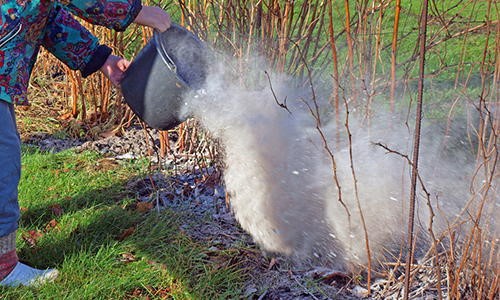
Do you have some charcoal in your house right now? We call charcoal a “miracle leftover” for anyone who wants to be a little more self-sufficient and cut costs. That’s because it can help you with so many different things around the house and garden. You can even use it to make an energy-free fridge. Read More Here...
The quality was also superior. Because I was harvesting the largest beet from each cluster first, the remaining beets in the clump had more room to swell. This meant I was eating “prime” beets for nearly six weeks, rather than having the entire crop hit maturity at the exact same moment.
Final Thoughts
Strategic multisowing is more than just a trick to save space; it is a smarter way to garden that respects the biological nature of the plants we grow. By moving away from the labor-intensive practice of manual thinning, you free up your time for more enjoyable garden tasks, like composting or planning your next succession.
The beauty of the beet cluster lies in its flexibility. You can harvest some early as tender “golf balls” for salads, and leave the rest to grow into substantial roots for roasting or pickling. The plants stay happier, the soil stays covered, and your harvest baskets stay full.
I encourage you to try this with at least one row or bed this season. Once you see those clusters pushing themselves apart and realize you haven’t had to spend a single minute thinning them on your hands and knees, you’ll likely never go back to the old way. Gardening should be about working with the soil, not fighting it. Happy growing!