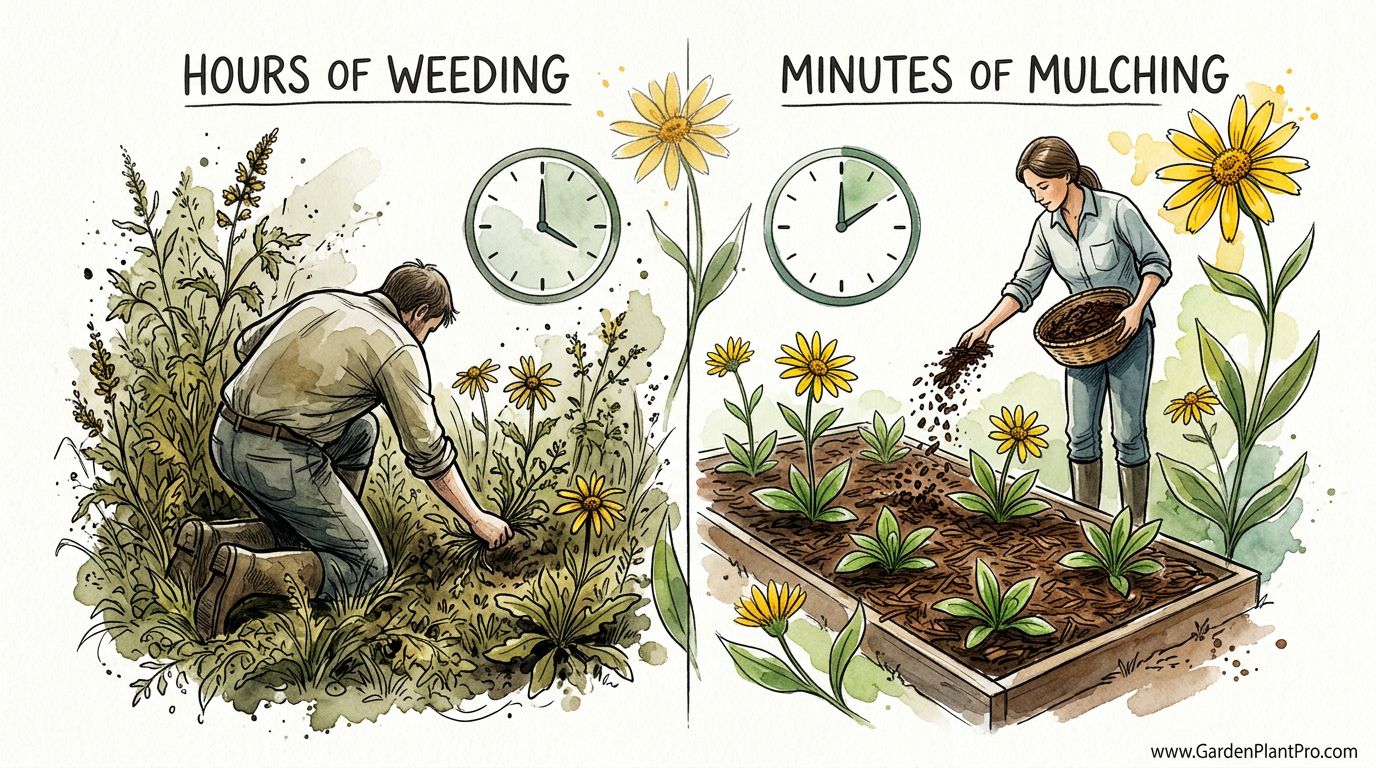
Your arnica patch doesn’t need more of your time; it needs a better strategy. I spent years fighting weeds in my arnica patch until I realized I was fighting nature. Switching to a strategic pine mulch mimicked the forest floor and my plants finally took off. Here is how I saved hours of work.
There is a special kind of satisfaction that comes from seeing those bright, sun-colored petals of Arnica montana swaying in the breeze. For the medicinal gardener, this plant is a crown jewel. It is rugged, beautiful, and holds a history of healing that stretches back centuries. Yet, many folks find it a bit “finicky” when they first try to establish it in a backyard setting.
The secret is understanding where arnica comes from. In the wild, it thrives in the high mountain meadows of Europe. It loves the lean, acidic soil of the Alps and the cool, moist atmosphere of the forest edge. When we try to force it into rich, heavy garden soil or let it compete with aggressive lowland weeds, it simply gives up. Replicating that mountain environment is the key to success.
Gardening is often a conversation between you and the soil. If you listen to what the plant is telling you, you will stop working against the grain. I used to spend my Saturday mornings hunched over my arnica beds, pulling out grass and clover that seemed to appear overnight. Once I laid down that pine needle mulch, the weeds stayed away, and the arnica roots found the cool, acidic home they had been looking for all along.
Growing Arnica Montana From Seed
Growing Arnica montana from seed is a test of patience, but it is the most rewarding way to start your patch. Arnica montana, also known as Mountain Tobacco or Leopard’s Bane, is a perennial herb that forms a low-growing rosette of leaves. From this base, a tall flower stalk rises during its second year of growth, topped with a solitary, daisy-like orange-yellow bloom. Because it is a protected species in many parts of its native Europe, growing your own from seed is the most ethical way to enjoy its benefits.
You need to remember that arnica seeds are light-dependent germinators. This means if you bury them deep in the dirt like a pea or a bean, they will never see the light and will simply rot away. Instead, you must surface-sow them. You press them gently into the soil so they have good contact with the moisture, but they remain exposed to the sky. This mimics how they would fall from a spent flower head in a mountain meadow, settling onto the moss and stones.
The timing for sowing depends on your climate. In most regions, sowing in late summer or early autumn is ideal because it allows the seeds to experience a natural winter. If you are starting them in the spring, you will likely need to perform a “cold stratification” process. This involves putting the seeds in a damp paper towel or a bit of moist sand and keeping them in the refrigerator for about 4 to 6 weeks. This mimics the mountain winter and “wakes up” the seed, telling it that spring has arrived and it is time to sprout.
When you are ready to sow, use a lean, acidic seed-starting mix. Avoid heavy potting soils that are packed with fertilizers. A mix of peat moss, coarse sand, and a little bit of fine gravel works wonders. Keep the temperature around 13°C to 18°C (55°F to 64°F) for the best results. You might see sprouts in 14 days, or it might take 30. Nature doesn’t use a stopwatch, and neither should you.
Establishing the Right Garden Conditions
Before you even think about putting your young seedlings into the ground, you need to check your soil. Arnica is one of those rare plants that actually hates “good” soil. If your garden is rich, loamy, and full of compost, your arnica might grow too fast and then succumb to rot. It wants soil that is lean and, most importantly, acidic. We are talking about a pH between 4.5 and 6.0.
If your soil is naturally alkaline or full of lime, arnica will struggle. It can’t take up nutrients properly in high-pH environments. You can lower your pH by adding elemental sulfur or mixing in a healthy amount of sphagnum peat moss. I always suggest doing a simple soil test before you plant. It takes the guesswork out of the equation and saves you from the heartbreak of watching a healthy seedling turn yellow and die because the ground under it is too sweet.
Drainage is the second big factor. In the mountains, water moves quickly through the rocky soil. If arnica sits in “wet feet” for too long, the crown will rot. I like to plant mine on a slight slope or in a raised bed if the backyard soil is heavy clay. This ensures that even during a heavy spring rain, the water flows away from the base of the plant. Sunlight is also crucial; they want full sun to partial shade, but in hotter climates, that afternoon shade is a lifesaver to keep the roots from baking.
The Pine Mulch Strategy for Weed Control
Weed management is where most arnica growers fail. Arnica grows slowly in its first year, and it doesn’t like to compete. If weeds move in, they will hog the light and the nutrients, and your arnica will stay a tiny, sad rosette forever. This is where the pine mulch comes into play. I use pine needles (often called pine straw) because they offer three distinct advantages for this specific plant.
First, pine mulch is naturally acidic. As it breaks down, it helps maintain that low pH that arnica craves. Unlike hardwood mulches that can sometimes neutralize soil over time, pine needles keep things sour. Second, the way pine needles interlock creates a physical barrier that is very difficult for weed seeds to penetrate. It creates a “forest floor” effect that suppresses the germination of annual grasses and broadleaf weeds.
Third, pine needles have a bit of allelopathic property. This is just a fancy way of saying they contain natural chemicals that inhibit the growth of other small seeds. While the established arnica root system is deep enough to be unaffected, the tiny weed seeds sitting on the surface find it very hard to get a foothold. Laying down a 5 cm to 7 cm (2 to 3 inch) layer of pine straw around your plants will reduce your weeding time by about 90%.
Step-by-Step Planting and Maintenance
Once your seedlings have at least two sets of true leaves and are about 5 cm (2 inches) tall, they are ready for the big world. I find it best to wait until after the last frost has passed and the soil has warmed up a bit. Space your plants about 20 cm to 30 cm (8 to 12 inches) apart. This gives them enough room to spread their rosettes without crowding each other out, which helps prevent fungal issues.
- Digging the hole: Make the hole twice as wide as the root ball but no deeper. You want the crown of the plant—the spot where the leaves meet the roots—to be exactly at the soil surface.
- Watering in: Give them a good drink immediately after planting. Use a gentle nozzle so you don’t wash the soil away from the roots.
- Mulching: Apply your pine needles right away. Tuck them under the leaves of the rosette but keep them about an inch away from the center of the plant to prevent moisture from sitting against the crown.
- First Season Care: During the first year, your job is just to keep the soil “lightly moist.” Think of a well-wrung-out sponge. If the soil dries out completely, the plant will stress. If it stays soggy, it will rot.
In the second year, the arnica will start to send up its flowering stalks. This is when the plant really starts to look like the mountain beauty it is. You might need to provide a little extra support if you live in a very windy area, as those stalks can be a bit top-heavy when they are in full bloom. A simple twig or a small bamboo stake is usually all it takes to keep them upright.
Benefits of Growing Your Own Arnica
The primary benefit of growing arnica is the quality of the medicine you can produce. Store-bought arnica salves and oils are often made with lower-quality material or diluted extracts. When you harvest your own flowers at the peak of their potency, the difference in the final product is remarkable. The flowers contain helenalin, a powerful anti-inflammatory compound that is excellent for soothing bruises and sore muscles.
Beyond the medicinal use, arnica is a fantastic plant for pollinators. The bright yellow blooms act like a beacon for bees, butterflies, and hoverflies. Because it blooms in mid-summer, it provides a crucial nectar source when some of the early spring flowers have faded. It is also a very hardy perennial once established, meaning it will come back year after year, slowly spreading through its underground rhizomes to create a beautiful, dense patch.
There is also an environmental benefit. As wild populations of Arnica montana decline due to habitat loss and over-harvesting, growing it in your own garden takes the pressure off the wild stands. You become a steward of the species, keeping its genetics alive and well in your local ecosystem. It is a way of giving back to the earth while also taking care of your family’s needs.
DIY PROJECT: Collect rainwater no matter where you live...
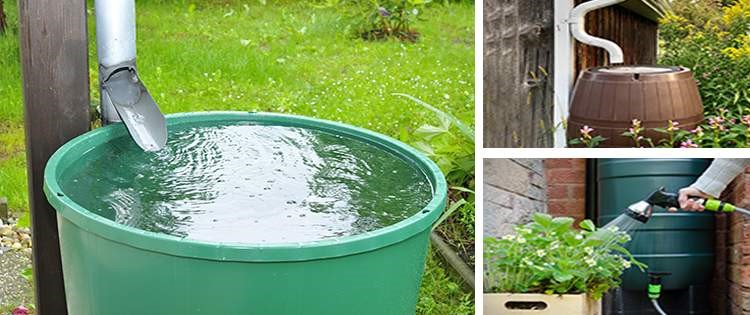
This DIY project is the best way to legally collect rainwater NO MATTER where you live. Get chlorine-free water, cut down on your water bills, and have enough for an emergency situation or to water your garden. Read More Here...
Challenges and Common Mistakes
The most common mistake I see is over-tending. Gardeners love to “feed” their plants, but arnica is an alpine plant used to living in thin, poor soil. If you give it too much nitrogen-rich fertilizer, it will grow lots of lush, soft green leaves that are very attractive to pests and prone to fungal diseases. It prefers to “struggle” a little bit. A light sprinkle of low-nitrogen organic fertilizer in the spring is all it ever needs.
Another pitfall is the soil pH. I’ve seen folks plant arnica in a beautiful rock garden only to have it die because the rocks were limestone. Limestone is alkaline and will slowly leach into the soil, raising the pH and killing the arnica. Always use “siliceous” rocks like granite, quartz, or sandstone if you are building a rock garden for your arnica. These rocks are acidic and will keep the plant happy.
Watering is also a balancing act. In the mountains, the air is cool and the soil is damp from mist and snowmelt. In a backyard garden, we often have hot, dry summers. If you water your arnica in the heat of the day, you risk “steaming” the roots. It is always better to water early in the morning so the foliage has time to dry off before the sun gets too high. This prevents the crown rot that can wipe out a whole patch in just a few days.
Limitations and Environmental Constraints
Arnica montana is not a “one size fits all” plant. If you live in a very hot, humid climate, you are going to have a hard time. The plant simply doesn’t like high humidity and nighttime temperatures that stay above 20°C (68°F). In those conditions, fungal diseases like powdery mildew and crown rot are almost inevitable. It is a plant that thrives in USDA zones 4 through 9, but it really does best in the cooler parts of those ranges.
If you live in a lowland area with heavy clay soil and high summer heat, you might want to look at a relative called Arnica chamissonis. It has almost identical medicinal properties but is much more “civilized.” It can handle heavier soils, higher pH, and more heat than its mountain cousin. It looks very similar, though the flowers are slightly smaller and it spreads more aggressively. I often tell my neighbors in the valley to start with chamissonis if they find montana too difficult.
Another limitation is the “wait time.” You aren’t going to get a harvest in your first year. Arnica spends its first year building a strong root system and a healthy rosette of leaves. It isn’t until the second summer that you get those medicinal blooms. If you are looking for an instant herb garden, arnica might not be the right choice for you. But for those of us who think in seasons and years, the wait is part of the magic.
Comparison: Arnica Montana vs. Arnica Chamissonis
Choosing between the two main types of arnica depends mostly on your local conditions. While this article focuses on the classic Mountain Arnica, the Meadow Arnica is a valid alternative for many gardeners. Here is how they stack up in a practical garden setting:
| Feature | Arnica montana | Arnica chamissonis |
|---|---|---|
| Preferred Soil | Very acidic (pH 4.5-6.0), sandy | Acidic to neutral, loamy |
| Heat Tolerance | Low (prefers cool mountain air) | Moderate (handles lowland heat) |
| Growth Habit | Clump-forming rosette | Spreading via rhizomes |
| Germination | Challenging, slow | Relatively easy |
| Medicinal Potency | Very high (the “official” herb) | Equally effective substitute |
As you can see, the mountain variety is the “purer” medicinal choice but requires much more specific environmental control. If you are a beginner, starting with a small patch of chamissonis can give you the confidence you need before you tackle the more demanding montana.
Practical Tips for a Successful Harvest
When harvest time finally arrives in the second or third year, you want to be ready. The best time to pick the flowers is when they are in full bloom but before they start to go to seed. I usually wait until the morning dew has evaporated but before the sun is at its peak. This ensures the essential oils are at their highest concentration.
- Snip carefully: Use a sharp pair of garden snips to cut the flower head just above the first set of leaves. This encourages the plant to possibly send up a secondary smaller bloom.
- Check for “buggy” centers: Sometimes small insects like to hide in the dense disc florets. Give the flowers a gentle shake or a quick look before you take them inside.
- Drying: Never dry arnica in direct sunlight, as the UV rays will break down the active compounds. Use a drying rack in a warm, dark, well-ventilated room. The flowers should be “potato-chip crisp” when they are finished.
- Storage: Store your dried flowers in airtight glass jars away from light. They will stay potent for about a year—just in time for your next harvest.
Remember that arnica is for external use only. Never apply it to broken skin or open wounds. It is meant for the bruises that happen when you’re moving rocks or the sore lower back after a long day of weeding. Making your own infused oil is as simple as filling a jar halfway with dried flowers, covering them with olive or almond oil, and letting it sit in a sunny window for about a month before straining.
Advanced Considerations for Serious Practitioners
For those of you who want to go beyond the basics, you can look into “division” as a way to expand your patch. Once an arnica plant is three or four years old, the rhizome (the horizontal underground root) will be quite large. In the early spring, just as the first green tips are poking out of the ground, you can carefully dig up a clump and slice the rhizome into pieces, making sure each piece has at least one growing eye or bud.
Replanting these divisions is often more successful than starting from seed once you have an established “mother” patch. It also ensures that the new plants are genetically identical to your best-performing ones. If you have a plant that produces particularly large flowers or seems more resistant to the local heat, that is the one you want to divide.
Another advanced tip is to manage your soil biology. Arnica, like many alpine plants, often forms symbiotic relationships with mycorrhizal fungi in the soil. These fungi help the plant take up nutrients in poor conditions. If you are starting seeds in a sterile mix, adding a pinch of soil from a healthy forest or using a commercial mycorrhizal inoculant can give your seedlings a significant boost in vigor and survival rate.
Example Scenario: A Year in the Arnica Patch
Let’s look at how this plays out over a typical year. Imagine you’re starting your patch in a temperate region. In February, you start your seeds indoors after a month of cold stratification in the fridge. By April, you have small rosettes under grow lights or on a sunny windowsill. In May, after the threat of frost is gone, you transplant them into a prepared bed of sandy, acidic soil that you’ve already mulched with pine needles.
Throughout the summer, you check the moisture every couple of days. You notice that while the rest of your garden is getting weedy, the arnica bed stays clean thanks to the pine straw. You might lose one or two plants to the heat in August, but the rest hunker down. In the autumn, the leaves might die back, and you add another thin layer of pine needles to protect the crowns from the coming winter freeze.
The following June, the stalks begin to rise. By July, you have a sea of yellow. You harvest about half the blooms for your winter salves and leave the rest for the bees and to drop seeds for future generations. Your total “work time” for the whole year was likely less than three hours, most of which was spent just enjoying the view. That is the power of a good strategy over raw effort.
Final Thoughts
Gardening should be a source of peace, not a source of stress. When we try to force a plant like Arnica montana to live by our rules, we end up exhausted and discouraged. By stepping back and looking at how the plant lives in the wild—using acidic mulch to mimic the forest and leaning on the natural weed-suppressing power of pine—we create a system that almost takes care of itself.
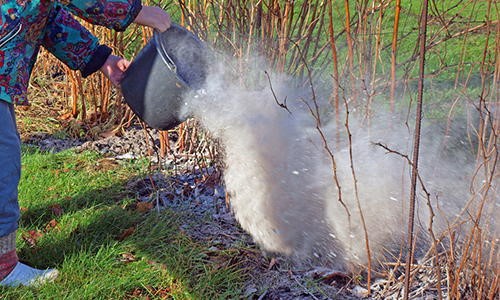
Do you have some charcoal in your house right now? We call charcoal a “miracle leftover” for anyone who wants to be a little more self-sufficient and cut costs. That’s because it can help you with so many different things around the house and garden. You can even use it to make an energy-free fridge. Read More Here...
If you have struggled with arnica in the past, don’t give up. Check your soil pH, find some pine straw, and try again. There is a deep, quiet joy in walking out to your garden and seeing a plant that usually lives on a mountain peak thriving in your own backyard. It reminds us that we are part of a larger, beautiful system.
Once you master arnica, you might find yourself looking at other medicinal herbs like Comfrey or Calendula to round out your home apothecary. Each plant has its own story and its own set of needs, but the lesson is always the same: work with nature, not against it. Happy gardening, and may your arnica rosettes be green and your harvest gold.