
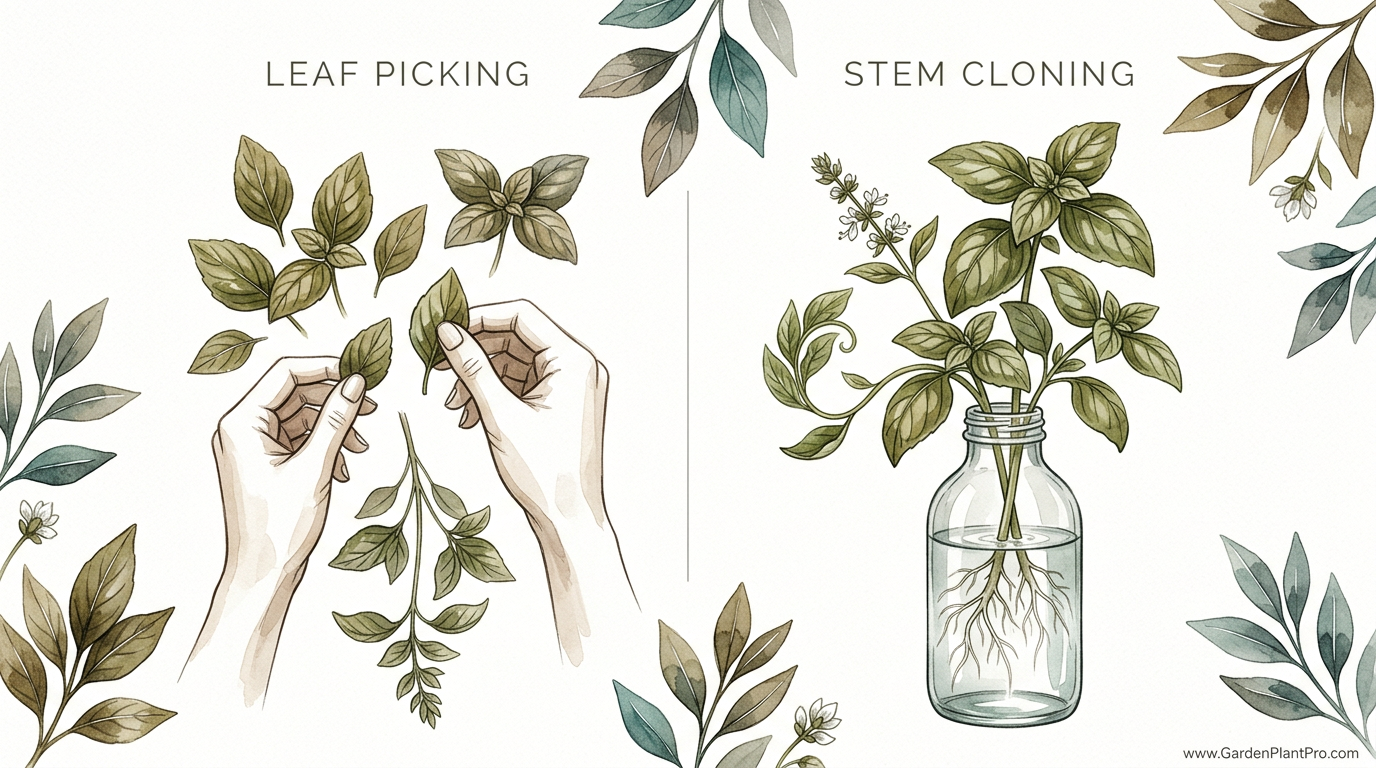
Why harvest a leaf when you can grow an entire new plant for free? Stop stripping your basil naked! Picking leaves one by one eventually kills the plant’s energy. Strategically taking stem cuttings allows you to harvest the top leaves while simultaneously creating a clone army of new plants. It is the ultimate gardening cheat code.
I have spent many decades with my hands in the dirt, and if there is one lesson I have learned, it is that plants want to live. Basil, in particular, is an overachiever. You can take a simple four-inch cutting from a healthy plant, stick it in a glass of water on your kitchen windowsill, and watch as it performs a small miracle. Within days, tiny white roots will begin to sprout from the stem, giving you a genetically identical copy of your favorite herb.
Most folks think of gardening as a process that starts with a packet of seeds and a long wait. While there is a certain nostalgic joy in watching a seedling break through the soil, propagation is the shortcut every serious gardener needs to know. It allows you to skip the delicate seedling stage and jump straight into growing a robust, productive plant. Whether you are looking to expand your pesto production or just want to keep a fresh supply of herbs through the winter, water propagation is the most reliable way to do it.
In this guide, I want to walk you through the process just like I would if you were standing in my backyard. We will cover everything from identifying the perfect node to making sure those new roots don’t go into shock when they finally meet the soil. You do not need expensive equipment or a green thumb—just a bit of patience and some clean water.
Propagating Basil In Water Tutorial
Propagating basil in water is a technique where you take a stem cutting from an existing plant and encourage it to grow its own root system while submerged in a liquid medium. This process, often called “cloning,” ensures that the new plant has the exact same flavor, growth habit, and disease resistance as the parent. Unlike seeds, which can sometimes produce variations, a clone is a perfect replica.
This method is widely used because it provides a visual window into the plant’s development. You can literally see the roots growing day by day, which helps you decide exactly when the plant is strong enough to be moved into a pot or garden bed. It is a favorite for home gardeners who want to keep their kitchen counters stocked with fresh herbs without having to constantly buy new starts from the nursery.
In the real world, gardeners use water propagation to “over-winter” their favorite varieties. If you have a particularly flavorful Italian Genovese or a spicy Thai basil that performed exceptionally well over the summer, you can take cuttings before the first frost. By keeping these cuttings in water indoors, you preserve the genetics of that specific plant and have fresh transplants ready for the following spring. It is a continuous cycle of growth that saves money and ensures consistency in your harvest.
The Anatomy of a Cutting
To understand why this works, you have to look closely at the basil stem. Notice the points where the leaves meet the main stalk? Those are called nodes. These nodes are the powerhouses of the plant, containing undifferentiated cells that can become either new leaves or new roots depending on the environment. When you submerge a node in water, the plant receives a signal to shift its energy into root production.
The space between these nodes is called the internode. While roots can occasionally grow from the internode, they are most vigorous and successful when they emerge directly from the node. This is why where you make your cut is the most important decision you will make in the entire process. A clean cut just below a node gives the plant the best surface area for new life to emerge.
How to Do It: The Step-by-Step Process
Taking a cutting is a simple act, but doing it with precision will increase your success rate from “maybe” to “guaranteed.” I always suggest taking more cuttings than you think you need. Even the most experienced gardeners lose a few to rot or simple bad luck. Having five or six stems in a jar ensures you will have at least three or four healthy new plants in a couple of weeks.
Follow these steps to ensure your cuttings thrive:
- Select a Healthy Stem: Look for a stem that is at least 4 to 6 inches (10 to 15 cm) long. It should be green and flexible, not woody or brown. Ensure the leaves are vibrant and free of pests or spots.
- Make the Primary Cut: Using a sharp, sterilized pair of scissors or garden snips, cut the stem at a 45-degree angle. This angle increases the surface area for water absorption. Make this cut about a quarter-inch (0.5 cm) below a leaf node.
- Strip the Lower Leaves: Gently remove the leaves from the bottom 2 inches (5 cm) of the stem. You do not want any leaves sitting in the water, as they will quickly rot and introduce bacteria that can kill the whole cutting.
- Leave the Top Growth: Keep the top two or three sets of leaves intact. These are necessary for photosynthesis, providing the energy the plant needs to push out those new roots. If the top leaves are massive, you can even trim them in half to reduce moisture loss through transpiration.
- Place in Water: Drop the stem into a clean glass or jar filled with room-temperature water. Ensure at least one or two nodes are fully submerged. I prefer clear glass because it lets me see the roots and monitor for cloudiness.
Water Quality and Maintenance
The water you use matters more than you might think. Tap water often contains chlorine or chloramines used by municipalities to kill bacteria. While these are safe for us, they can be harsh on delicate plant tissues. If you use tap water, let it sit out in an open container for 24 hours to allow the chlorine to evaporate. Alternatively, use filtered water or rainwater if you have it available.
Oxygen is the other critical factor. Standing water loses oxygen over time, which can lead to anaerobic conditions where pathogens thrive. Change the water every 2 to 3 days. When you do this, give the stems a very gentle rinse under the faucet to remove any “slime” or biofilm that may have started to form. Keeping the environment clean is the best way to prevent the dreaded stem rot.
Benefits of Water Propagation
Choosing water over soil for the initial rooting phase offers several distinct advantages, especially for the home gardener working on a small scale. One of the most obvious benefits is the visibility of progress. When you stick a cutting in soil, you are essentially flying blind. You have to wait for new leaf growth to know if roots have formed. In water, you can see the first white nubs appear in as little as five days, allowing you to react quickly if something goes wrong.
Another benefit is the elimination of soil-borne pathogens. Damping-off, a fungal disease that often kills young seedlings and cuttings in soil, is much less of a threat in a clean water environment. As long as you change the water regularly, the cutting is safe from many of the molds and fungi that live in potting mixes. This results in a higher success rate for beginners who might struggle with moisture levels in soil.
The speed of root development is also notable. Because the plant has direct and effortless access to water, it can focus entirely on cell division at the node site. I have found that basil cuttings in water often develop a robust root system faster than those placed directly into a heavy soil mix, where the stem must work harder to draw moisture through the surrounding particles. Finally, it is a zero-cost method. You do not need to buy seed-starting trays, vermiculite, or rooting hormones. A jelly jar and a glass of water are all it takes.
Common Challenges and Pitfalls
Even though basil is a hardy plant, things can go sideways if you aren’t paying attention. The most common issue I see is stem rot. You will know this is happening if the bottom of the stem becomes dark brown, black, or mushy. This is usually caused by bacteria in the water or a lack of oxygen. If you spot rot early, you can sometimes save the cutting by trimming away the affected part and placing it in fresh water, but often it is better to just start over with a clean jar.
Another frequent mistake is incorrect lighting. While mature basil plants love the blistering midday sun, a cutting without roots is very fragile. If you place your jar in direct, hot sunlight, the water temperature can rise too high, and the leaves will wilt before they can ever grow roots. Cuttings prefer bright, indirect light. A north-facing window or a spot a few feet away from a sunny window is usually the “Goldilocks” zone for propagation.
Overcrowding the jar is also a problem. It is tempting to put ten cuttings into one glass, but their roots will eventually become a tangled mess. When you try to separate them to plant them in soil, you will inevitably break the delicate root hairs. I recommend no more than three or four cuttings per standard-sized mason jar to give each stem plenty of room to breathe and grow.
DIY PROJECT: Collect rainwater no matter where you live...
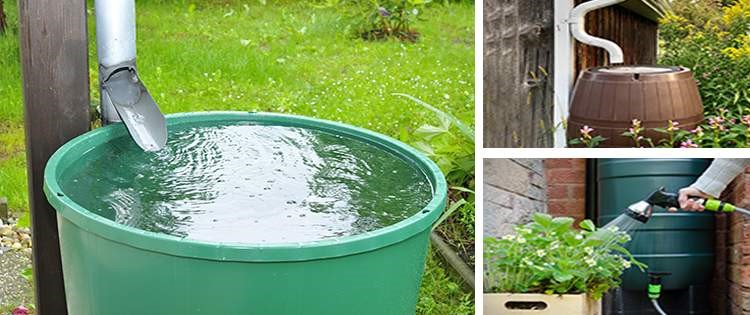
This DIY project is the best way to legally collect rainwater NO MATTER where you live. Get chlorine-free water, cut down on your water bills, and have enough for an emergency situation or to water your garden. Read More Here...
Limitations: When Water Propagation Isn’t Ideal
While I love this method, it isn’t a silver bullet for every situation. One major limitation is transplant shock. The roots that a plant grows in water are structurally different from the roots it grows in soil. “Water roots” are thinner and more fragile because they don’t have to push through dense earth to find moisture. When you move a plant from a glass of water into a pot of soil, the plant often wilts or stops growing for a week while it adapts. This transition period can be fatal if not handled with care.
Environmental constraints also play a role. If your house is cold—below 65°F (18°C)—basil cuttings will take a very long time to root, or they may simply sit and rot. Basil is a tropical plant at heart. It needs warmth (ideally 70-85°F or 21-29°C) to stimulate root growth. In the middle of a cold winter, you might need a heat mat or a particularly warm corner of the kitchen to see results.
Finally, there is the longevity of the cutting. A basil plant cannot live in plain water forever. It will eventually run out of the nutrients (like nitrogen, phosphorus, and potassium) that are naturally found in soil. If you leave a cutting in a jar for months, the leaves will turn yellow, and the plant will become “leggy” and weak. Water propagation is a bridge, not a permanent home.
Comparing Propagation Methods
It is helpful to see how water propagation stacks up against other ways of starting new basil plants. Every gardener has their favorite way of doing things, but the best choice usually depends on how much time and equipment you have on hand.
| Factor | Water Propagation | Soil Propagation | Starting from Seed |
|---|---|---|---|
| Success Rate | High (visual monitoring) | Moderate (harder to track) | Variable (germination rates) |
| Speed to Harvest | Fast (2-4 weeks) | Fast (3-5 weeks) | Slow (8-10 weeks) |
| Complexity | Very Low | Low | Moderate |
| Root Strength | Fragile (water roots) | Strong (soil roots) | Strongest |
| Required Cost | None | Potting mix/containers | Seeds/Trays/Soil |
While starting from seed is the best way to get a high volume of plants at once, it takes much longer to reach a harvestable size. Soil propagation skips the transplant shock but requires more attention to daily watering. For the average backyard gardener, water propagation offers the best balance of simplicity and speed.
Practical Tips and Best Practices
After years of doing this, I have picked up a few tricks that make the process even smoother. One of my favorites is the “Soil Slurry” method for transplanting. Instead of moving the cutting directly from water to a pot of dry soil, I slowly add a teaspoon of soil to the water jar every day for a week. This gradually thickens the medium and helps the roots adjust to the feeling of soil before they are fully buried. It significantly reduces transplant shock.
Another tip is to time your cuttings with the plant’s life cycle. Never take a cutting from a stem that has already started to flower. Once basil begins to “bolt” or flower, the hormone balance in the plant shifts away from leaf and root production and toward seed production. A flowering stem will be stubborn about rooting and, even if it does succeed, it will likely produce a plant that wants to die soon after. Always choose “vegetative” stems that are only focused on growing leaves.
- Use a Dark Jar: While clear glass is great for watching, roots actually prefer the dark. If you find your roots are growing slowly, try using an amber-colored bottle or wrapping a piece of paper around your jar. This mimics the dark environment of the soil.
- Keep it Humid: If your home is very dry, especially during the winter when the heater is running, place a clear plastic bag loosely over the top of the cutting. This creates a mini-greenhouse that keeps the leaves from drying out while the roots are still developing.
- Temperature Consistency: Avoid placing your jars near drafty windows or air conditioning vents. Basil hates sudden temperature swings. A steady, warm environment is the key to fast rooting.
Advanced Considerations: Scaling Your Clone Army
If you find yourself becoming addicted to propagation (it happens to the best of us), you might want to look into aeration. Serious practitioners sometimes use a small aquarium air stone in their propagation jars. By bubbling air through the water, you keep oxygen levels at a maximum, which can cut rooting time in half and virtually eliminate the risk of rot. This is a step toward “deep water culture,” a form of hydroponics.
You should also consider the genetics of your mother plant. Not all basil is created equal. If you notice one plant in your garden is particularly resistant to pests or stays lush even during a heatwave, that is the one you should clone. Propagation allows you to “select” for the traits that work best in your specific backyard microclimate. Over a few seasons, you can essentially develop your own “house strain” of basil that is perfectly adapted to your soil and weather patterns.
Example Scenario: The Weekend Rescue
Imagine it is late Sunday afternoon, and you notice your big bush of Genovese basil is starting to look a bit leggy. You know that if you don’t do something soon, it will start flowering and the leaves will turn bitter. Instead of just picking all the leaves for a single batch of pesto, you decide to secure your future supply.
You take five 5-inch cuttings from the top of the plant. You strip the lower leaves—using those leaves for your dinner—and place the five stems into two different jars filled with filtered water. You set them on the kitchen counter, away from the direct glare of the sun. By Friday, you notice tiny white dots on the stems. By the following Wednesday, those dots have turned into one-inch-long roots. Two weeks after you started, you have five new healthy plants ready to be potted up. You have effectively turned a single plant that was about to “finish” into a lifetime supply of fresh herbs.
Final Thoughts
Propagating basil in water is more than just a gardening trick; it is a way to work in harmony with the natural instincts of the plant. It teaches you to look closer at the nodes and the stems, helping you understand the biological rhythms of your garden. It is a satisfying, tactile experience that rewards a little bit of attention with a lifetime of free plants.
I encourage you to give it a try today. Do not overthink it. Find a healthy stem, make a clean cut, and put it in some water. Even if you make a mistake and the stem rots, you haven’t lost anything but a few minutes of your time. But when you see those first roots break through the green skin of the stem, you will feel that same spark of excitement that keeps us old-timers coming back to the garden year after year.
Once you master basil, you will find that many other herbs—like mint, rosemary, and sage—can be handled in much the same way. Each plant has its own personality, but the principles of light, warmth, and clean water remain the same. Start with your basil clone army, and soon enough, you will have a garden that sustains itself, providing plenty of fresh flavors for your kitchen and perhaps a few extra plants to pass over the fence to your neighbors.