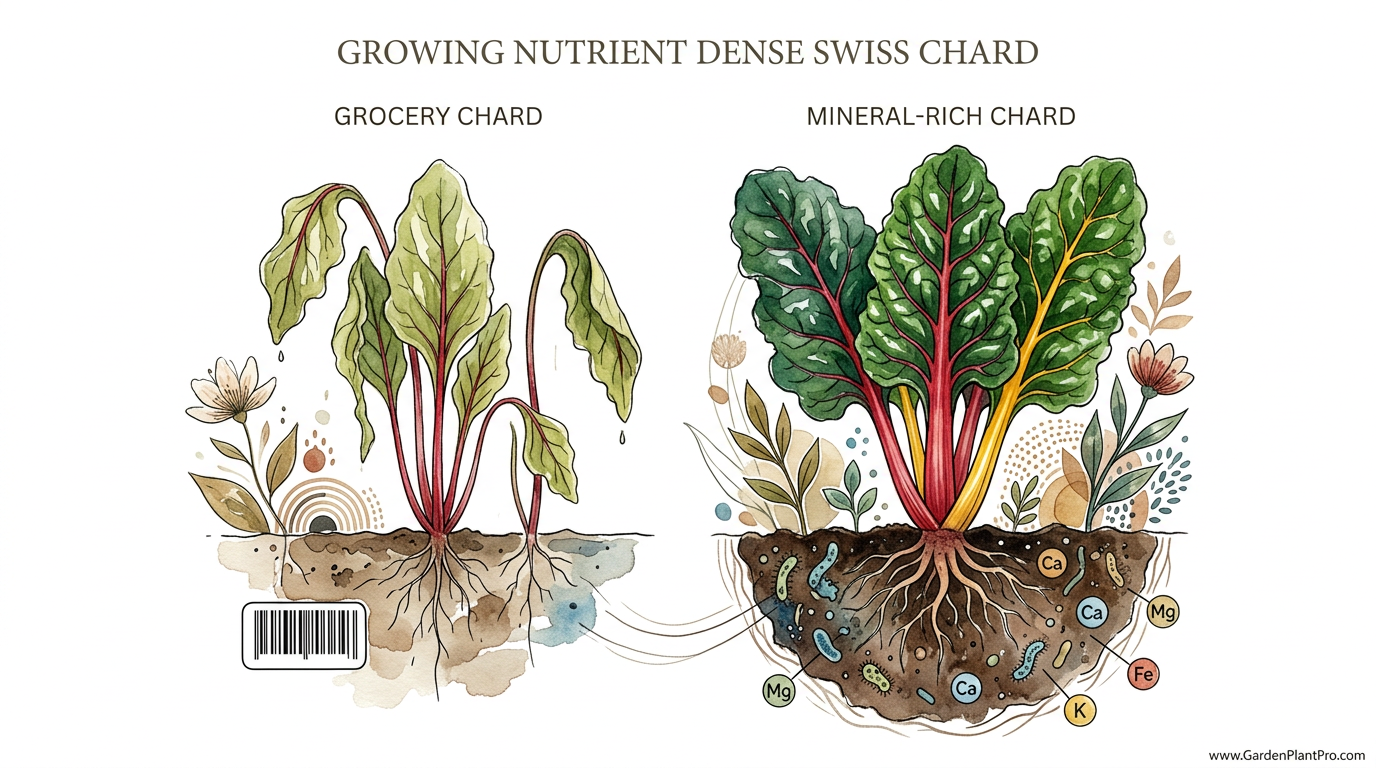
Your store-bought greens are missing the vital minerals that give chard its true power. Most grocery store chard is grown for shelf life, not nutrition. Switch to pro-level mineralized soil and watch your leaves transform from limp to legendary.
I’ve spent the better part of forty years with my hands in the dirt, and if there is one thing I’ve learned, it’s that you can’t get more out of a plant than you put into the ground. When you see those giant, glowing stalks of Swiss chard in a neighbor’s garden, they didn’t get that way by accident or through some secret chemical spray. They got that way because the soil was alive with the trace minerals and microbiology that the modern industrial food system often ignores. Swiss chard is a scavenger; it’s a deep-rooted powerhouse that wants to pull up everything the earth has to offer, but if the cupboard is bare, your dinner plate will be too.
Most folks think of Swiss chard as just a “spinach substitute” for when the weather gets too hot, but that’s selling it short. When grown in truly mineralized soil, Swiss chard (Beta vulgaris var. cicla) becomes a nutritional titan, packed with vitamins A, C, and K, as well as magnesium, potassium, and iron. It’s a biennial that acts like an annual in most gardens, providing a continuous harvest from the first thaw of spring until the ground freezes solid in the winter. If you’re ready to move past the thin, watery leaves found in plastic grocery store bags, we need to talk about what’s actually happening under the mulch.
Growing Nutrient Dense Swiss Chard
Growing nutrient-dense Swiss chard is the practice of managing your garden soil to maximize the concentration of vitamins, minerals, and phytonutrients within the plant’s leaves and stems. While a standard garden might produce a “good enough” crop with some basic compost, a nutrient-dense approach focuses on remineralization—the deliberate addition of trace elements like boron, manganese, zinc, and copper that are often depleted over years of gardening. In the real world, this means your chard won’t just look better; it will have a higher “Brix” level, which is a measurement of the dissolved solids—mostly sugars and minerals—in the plant sap.
This method exists because our modern soils have been “mined” of their natural richness. When we harvest a crop and haul it to the kitchen, we are removing minerals from the garden. If we only put back nitrogen, phosphorus, and potassium (NPK), we’re leaving the plant thirsty for the other 60+ elements it needs to build a complex immune system. High-mineral chard is sturdier, handles frost better, and—most importantly—is far less attractive to the pests that usually plague leafy greens. When a plant is fully fed, its chemistry changes, making it a “superfood” in the truest sense of the word.
Think of your soil like a battery. Most garden soil is running on about a 20% charge. It’ll start the car, but it won’t get you through a long winter. By mineralizing the soil, we’re topping off that charge. We use things like rock dust, sea minerals, and concentrated compost to ensure the roots have an all-you-can-eat buffet of every element on the periodic table. This isn’t just theory; you can see the difference in the color. A truly mineralized chard leaf has a deep, iridescent sheen and a stem so thick it snaps like a fresh apple.
How Soil Mineralization Works
To understand how to grow “legendary” chard, you have to understand the bridge between a rock and a leaf. Plants cannot eat rocks directly. If you throw a handful of crushed granite on your garden, your chard won’t look different tomorrow. The magic happens through biological mineralization. This is the process where soil microbes—bacteria and fungi—secrete acids that dissolve those rock particles, turning them into a “chelated” or “ionic” form that the plant’s roots can finally sip up.
When we add mineral amendments, we are essentially providing the raw materials for a massive underground factory. Here is how you should approach it step-by-step:
- The Foundation of Rock Dust: Use a broad-spectrum rock dust like basalt or glacial rock flour. Basalt is often preferred because it contains a more balanced profile of trace elements and doesn’t affect pH as drastically as some other stones. Aim for about 10 lbs per 100 square feet (5 kg per 10 square meters) for an initial “recharge.”
- The Catalyst of Kelp: Kelp meal is the secret weapon of the seasoned gardener. It contains over 60 trace minerals and, perhaps more importantly, natural growth hormones called cytokinins and auxins. These tell the chard roots to “wake up” and expand, creating more surface area to grab those minerals you just added.
- The Delivery System of Humates: Adding humic and fulvic acids acts like a VIP pass for minerals. These organic acids “wrap” around the minerals, preventing them from getting locked up in the soil and ensuring they stay available to the plant roots.
- The Balance of Potassium and Nitrate: One common pitfall is over-fertilizing with high-nitrogen (nitrate) fertilizers. Too much nitrate causes the plant to take up excessive water, which “dilutes” the minerals and creates weak, watery cells that aphids love. Instead, focus on slow-release organic nitrogen and plenty of potassium to keep the cell walls strong.
By focusing on these four pillars, you aren’t just feeding the plant; you are building a system where the plant can feed itself. This process takes time to reach its peak, but the results are cumulative. Each year you add these minerals, the “engine” of your soil runs smoother and more efficiently.
Choosing Your Amendments: The Mineral Menu
Not all dirt is created equal, and not all bags of “fertilizer” are going to give you the nutrient density you’re after. If you want chard that tastes like it came from a five-star farm, you need to be specific about your inputs. Here are the heavy hitters I’ve used in my own beds for years:
Basalt Rock Dust
This is the gold standard for remineralization. Unlike limestone, which can shoot your pH through the roof, basalt is relatively neutral. It is rich in silica, which is the “skeleton” of the plant world. Silica makes the leaves tough and leathery, which is a natural defense against flea beetles and leaf miners. If a bug tries to bite a silica-rich leaf, it’s like trying to eat a piece of sandpaper. Use about 50 lbs per 1,000 square feet (25 kg per 100 square meters) for a serious garden overhaul.
Azomite
Azomite is a specific brand of volcanic ash from Utah that is famous for its “A to Z of Minerals including Trace Elements.” It’s a very fine powder, which means the soil microbes can break it down faster than coarser rock dusts. I like to mix a few tablespoons into the planting hole for every chard start to give it an immediate “mineral jumpstart.”
Greensand
This is an ancient seabed deposit that is primarily used as a slow-release source of potassium (around 5-7%) and iron. Because it’s a marine mineral, it contains trace amounts of almost everything that was once in the ocean. It also helps improve the structure of heavy clay soils, making them more “crumbly” so the deep taproot of the chard can penetrate easier. A little goes a long way; 1 lb per 20 square feet (0.5 kg per 2 square meters) is plenty.
Kelp Meal
Harvested from the cold waters of the North Atlantic, kelp meal is the multi-vitamin of the garden. It provides a “fast-acting” mineral hit that bridges the gap while the rock dusts are slowly breaking down. It’s also loaded with mannitol, a natural sugar that helps the plant handle heat stress and frost. If you’re expecting a heatwave or a cold snap, a kelp meal top-dressing is your best insurance policy.
The Life Cycle: From Seed to Giant Leaves
Swiss chard is a resilient plant, but it has specific preferences if you want it to reach its full genetic potential. It loves the cool weather of spring and fall, but unlike its cousins spinach and beets, it can stand up to a summer sun that would make a turnip wilt. To grow it right, you need to respect the timing of your local climate.
Spring Planting: In the Northern Hemisphere, you can direct-sow chard about 2–3 weeks before the last frost. In the Southern Hemisphere, this usually corresponds to September or October. Chard seeds are actually “clusters” or capsules containing 2–3 seeds each. This means that even if you only plant one “seed,” you’ll likely see a little clump of 3 seedlings pop up. You’ll need to thin these to one plant every 12–18 inches (30–45 cm) if you want those massive, 2-foot (60 cm) leaves.
Fall Planting: For a late-season harvest that lasts into the winter, sow your seeds about 40 days before the first expected hard freeze. In many temperate regions, this is late August or early September. The cooler nights of autumn will actually make the chard taste sweeter. This is because the plant starts converting its starches into sugars as a natural “anti-freeze” for its cells. A frost-kissed chard leaf is a culinary delight that no grocery store can ever replicate.
Summer Care: While chard is heat-tolerant, it needs a steady supply of water to keep those leaves from becoming bitter. Aim for about 1 to 1.5 inches (2.5–3.8 cm) of water per week. I highly recommend a thick layer of organic mulch—straw, shredded leaves, or wood chips—to keep the roots cool and the moisture in the ground. If you let the soil dry out too many times, the plant will think its life is ending and “bolt” (send up a flower stalk), at which point the leaves become tough and the nutrition drops off.
The Companion Strategy: Friends of the Chard
In a truly healthy garden, no plant is an island. Swiss chard is a “social” vegetable that plays well with others, especially those that can provide it with the nitrogen it craves or the pest protection it needs. When I plan my beds, I always look for these pairings:
DIY PROJECT: Collect rainwater no matter where you live...
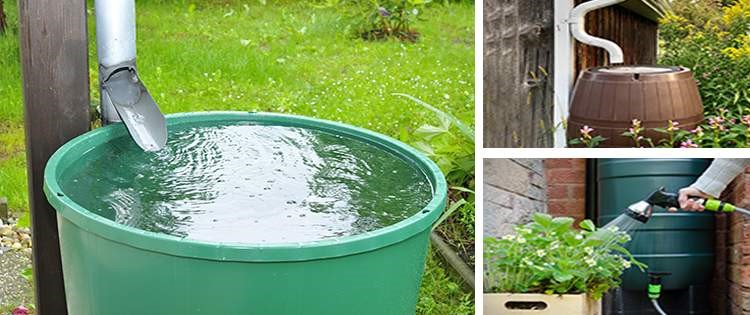
This DIY project is the best way to legally collect rainwater NO MATTER where you live. Get chlorine-free water, cut down on your water bills, and have enough for an emergency situation or to water your garden. Read More Here...
- The Nitrogen Fixers (Beans and Peas): These are the best friends of any leafy green. Legumes take nitrogen from the air and “fix” it into the soil through their roots. Planting bush beans around your chard provides a slow-release nitrogen source that keeps the leaves lush without the risk of “nitrate burn” from synthetic fertilizers.
- The Pest Repellers (Alliums): Onions, garlic, and chives have a strong scent that confuses many of the pests that target chard, like aphids and leaf miners. I like to tuck a few garlic cloves around the perimeter of my chard patch in the fall.
- The Diversion (Nasturtiums and Marigolds): Nasturtiums are a classic “trap crop.” Aphids love them even more than they love chard. If you plant them nearby, the aphids will congregate on the flowers, leaving your greens clean. Marigolds, meanwhile, help keep soil nematodes in check and attract hoverflies, whose larvae eat aphids by the hundreds.
- The Shade Makers: In the height of summer, taller plants like tomatoes or peppers can provide some “dappled shade” for your chard. This helps prevent the soil from baking and keeps the leaves from becoming leathery and scorched.
Avoid planting chard next to its close relatives like beets or spinach. They share the same “pests and diseases,” and planting them together is like putting out a neon sign for every leaf miner in the county. Also, keep it away from heavy-feeding root crops like potatoes, which will compete for the same deep minerals the chard is trying to reach.
Benefits of Mineral-Rich Growing
Why go through all this trouble? Why not just buy a bunch of chard for two dollars at the market and be done with it? The answer lies in the measurable benefits of mineralized growing. Once you’ve eaten a high-mineral chard leaf, you’ll realize that “grocery chard” is practically a different species.
- Unrivaled Flavor: Minerals are the building blocks of flavor. A chard plant with high Brix levels has a rich, earthy sweetness with none of the “metallic” or bitter aftertaste often associated with store-bought greens. The stems are juicy and sweet, almost like a cross between celery and a mild beet.
- Increased Shelf Life: High-mineral plants have stronger cell walls and more antioxidants. This means your harvested chard will stay crisp in the crisper drawer for up to two weeks, whereas grocery store chard often starts to “slime” after 48 hours.
- Natural Pest Resistance: This is the holy grail of gardening. When a plant has the full spectrum of minerals, it produces complex proteins and carbohydrates that insects simply cannot digest. An aphid that tries to drink the sap of a high-Brix chard plant will actually get “stuck” or die because its simple digestive system can’t process the complex sugars.
- Superior Nutrition: You are literally what you eat. If you grow chard in soil that is 10 times more mineralized than industrial farm soil, you are getting significantly more magnesium for your heart, more vitamin K for your bones, and more iron for your blood. You’re not just eating calories; you’re eating medicine.
Challenges and Common Mistakes
Even with the best minerals, things can go sideways. I’ve made every mistake in the book over the decades, and most of them come down to trying to “force” the plant rather than listening to it. Here are the most common pitfalls you’ll face:
The Nitrate Overload: This is the #1 mistake gardeners make. They see a yellow leaf and dump a bunch of high-nitrogen liquid fertilizer on it. This results in “puffy” growth—large, thin-walled cells filled with water and nitrates. This is exactly what attracts aphids and flea beetles. Instead of reaching for the blue crystals, look for slow-release organic sources like composted manure or alfalfa meal.
Neglecting the pH: You can have all the minerals in the world, but if your soil pH is below 6.0 (too acidic) or above 7.5 (too alkaline), those minerals become “locked” and the plant can’t touch them. Swiss chard is fairly flexible, but it is happiest right around 6.5 to 7.0. If your chard has purple-tinged leaves when it’s supposed to be green, or if the growth is stunted, do a simple pH test before adding more “food.”
The Leaf Miner Menace: If you see “blisters” or tan tunnels inside your chard leaves, you’ve got leaf miners. These are the larvae of a small fly that lays its eggs on the underside of the leaves. No amount of mineralizing will completely stop them if they are in your area, but a healthy plant can “outgrow” the damage. The best defense is to use a light-weight row cover early in the season to prevent the flies from ever reaching the leaves.
Crowding the Patch: Chard needs air circulation. If you plant them 4 inches (10 cm) apart, you’re asking for downy mildew or fungal blights. Give them space. A happy chard plant will easily spread out 18 inches (45 cm). Wider spacing also means more sunlight for every leaf, which translates directly into higher sugar (Brix) production.
Limitations and Realistic Expectations
While remineralization is powerful, it isn’t magic. There are some realistic boundaries you need to keep in mind so you don’t get discouraged. First, soil takes time to change. If you’re starting with dead, compacted “builder’s sand” or heavy, lifeless clay, it might take 2 or 3 seasons of adding rock dust and compost before you see those “legendary” results. Soil is a living organism, and you can’t rush the microbes.
Climate is another major factor. Swiss chard is tough, but it won’t grow through a month of 100°F (38°C) days without some serious help. In extreme heat, the plant will go into “survival mode,” and the leaves will become small and bitter no matter how many minerals you have. Similarly, in regions with very sandy soil, minerals tend to “leach” out quickly with every rainstorm. If you have sandy soil, you’ll need to apply minerals more frequently in smaller doses, rather than one big dump in the spring.
Finally, remember that genetics matter. If you save seeds from a weak, sickly plant, the offspring will likely be weak too. Start with high-quality, organic heirloom seeds like ‘Fordhook Giant’ for massive leaves or ‘Bright Lights’ for that stunning rainbow of colors. The best soil in the world can only do so much if the “blueprint” of the seed is flawed.
Comparing Chard Varieties and Growing Methods
To really see the value of what we’re doing, it helps to look at the numbers. Not all chard is created equal, and the way you grow it changes everything from the cost to the nutrient density.
| Factor | Grocery Store Chard | Standard Organic Garden | Mineral-Rich High-Brix Chard |
|---|---|---|---|
| Flavor Profile | Metallic, watery, bitter | Earthy, mild | Sweet, complex, nut-like |
| Nutrient Density | Low (harvested early) | Medium | Maximum (trace minerals+) |
| Shelf Life | 2–4 days | 5–7 days | 10–14 days |
| Pest Pressure | N/A (sprayed) | Moderate (aphids, miners) | Very Low (natural immunity) |
| Brix Level (Avg) | 2 – 4% | 5 – 8% | 10% + |
The difference between a Brix level of 4 and 10 isn’t just a number; it’s the difference between a vegetable that kids won’t touch and one they’ll eat right out of the garden like a snack. When the minerals are there, the plant is fundamentally different at a molecular level.
Practical Tips for Immediate Application
If you want to start seeing results this week, you don’t have to wait for the rock dust to break down. There are a few “shortcuts” that veteran gardeners use to boost their chard mid-season. These are techniques that provide an immediate benefit to the plant’s health and flavor.
- The Foliar Secret: Plants can actually “drink” through their leaves. Mix a tablespoon of liquid kelp and a teaspoon of fulvic acid in a gallon (4 liters) of water. Spray this on the undersides of your chard leaves early in the morning. This bypasses the soil and puts the trace minerals directly into the plant’s vascular system. It’s like a shot of espresso for your greens.
- The Sea Salt Trick: In very small amounts, unrefined sea salt contains every mineral known to man. Once or twice a season, I dissolve 1 teaspoon of sea salt into a gallon of water and drench the soil around the base of the chard. The sodium and chloride in small doses act as catalysts for other nutrient uptakes. Be careful, though—too much salt will kill your soil biology.
- Harvest from the Outside In: Never pull up the whole chard plant unless the season is over. Instead, snap off the outermost leaves near the base. This tells the “crown” or center of the plant to keep producing new, tender leaves. One plant can provide you with dozens of harvests this way.
- The “Brix Test”: If you want to get serious, buy a handheld refractometer (they’re about $30 online). Squeeze a few drops of sap from a chard leaf onto the glass. If your Brix is below 8, you need more minerals. If it’s above 12, pat yourself on the back—you’ve grown world-class produce.
Advanced Considerations for Serious Practitioners
For those of you who have been at this a while and want to push the envelope, we need to look at the mineral ratios. It’s not just about “having” the minerals; it’s about how they interact. For example, boron is the “steering wheel” of the plant—it tells the sugars where to go. If you have low boron, your chard might have hollow stems or stunted new growth, even if everything else is perfect.
Another advanced concept is the Potassium to Nitrate ratio. In the final weeks of growth, if you can slightly lower your nitrogen and increase your potassium (using something like sunflower hull ash or greensand), you will trigger the plant to move all its stored sugars from the roots into the leaves. This is how you get that incredible “shimmer” on the foliage. Also, consider the magnetic properties of your rock dust. Some researchers suggest that highly paramagnetic rock dust (like basalt) increases the “energy” of the soil, helping the microbes work faster. Whether you believe the physics or not, the results in the garden are hard to argue with.
Example Scenario: The 100-Square-Foot Chard Bed
Let’s look at how this looks in practice. Imagine you have a 4ft x 25ft (1.2m x 7.6m) raised bed. Here is the “Mineralized Master Plan” for a spring startup:
Pre-Planting (2 weeks before): Mix in 2 wheelbarrows of high-quality compost, 10 lbs (4.5 kg) of Basalt Rock Dust, and 2 lbs (0.9 kg) of Kelp Meal. Rake it in to the top 3 inches (7.5 cm) of soil and water it well to “activate” the microbes. Planting Day: Sow your seeds 1/2 inch (1.3 cm) deep, spaced in three rows down the length of the bed. When the seedlings are 3 inches tall, thin them to 12 inches (30 cm) apart. Maintenance: Every two weeks, apply a foliar spray of seaweed extract. Mulch with 2 inches (5 cm) of straw once the soil has warmed up in late spring. Harvest: By week 8, you’ll be harvesting leaves the size of dinner plates. If you keep the outer leaves picked and the water steady, that same bed will produce until the first snow hits.
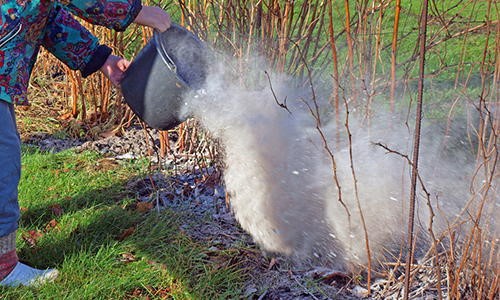
Do you have some charcoal in your house right now? We call charcoal a “miracle leftover” for anyone who wants to be a little more self-sufficient and cut costs. That’s because it can help you with so many different things around the house and garden. You can even use it to make an energy-free fridge. Read More Here...
By following this simple, mineral-focused recipe, you’ll produce more food in that one bed than a conventional gardener would in three. And the quality? There’s no comparison. You’ll have people stopping at your fence asking what you’re feeding your “neon” plants.
Final Thoughts
Growing Swiss chard isn’t just about filling a spot in the garden; it’s about reclaiming the nutrition that belongs on our tables. We’ve been told for a long time that “a leaf is a leaf,” but any old-timer with a spade knows that’s a lie. The difference between a mineral-starved plant and a mineral-rich one is the difference between surviving and thriving. When you feed the soil correctly, the plants become an extension of that health, and eventually, so do you.
I encourage you to experiment. Don’t take my word for it—try one bed with your usual method and one bed with the remineralization techniques we’ve talked about. Use your eyes, use your taste buds, and if you’re feeling fancy, use a refractometer. You’ll see that the true power of chard isn’t in the seed; it’s in the rocks and the life that turns them into food. If you master this, you’re well on your way to understanding the deeper secrets of soil health, irrigation, and the beautiful cycle of the backyard garden. Now, get out there and get some dust on your boots!