Are you killing your broccoli plants months too early? Stop the ‘one and done’ harvest mentality! Most gardeners throw away 60% of their potential yield because they pull the plant too soon. This strategic cut forces the plant into overdrive, producing a second and third wave of delicious florets.
I’ve spent many a morning leaning against my garden gate, watching folks uproot perfectly healthy broccoli plants the minute that big center crown is gone. It breaks my heart every time. In my forty years of working this patch of earth, I’ve learned that the first harvest is just the opening act. If you treat the plant right, it’ll keep feeding your family well into the next season.
Think of your broccoli plant like a rose bush. When you prune a rose, it doesn’t just give up; it sends out new stems and more flowers. Broccoli operates on the same biological clock. Once that main head—what we call the terminal bud—is removed, the plant’s internal chemistry shifts. It stops focusing all its energy on that one big prize and starts pushing nutrients to the “auxiliary buds” tucked away in the crooks of the leaves. Those buds are your future side shoots.
Getting this right isn’t about fancy gadgets or expensive store-bought chemicals. It’s about understanding the rhythm of the plant and knowing exactly where and how to make your move. Whether you’re a beginner looking for your first successful crop or a seasoned pro wanting to squeeze every ounce of value from your raised beds, mastering side shoots is the single best way to increase your garden’s efficiency.
The Biology of the Second Harvest
To understand why this works, we have to look at the plant’s architecture. Most heading broccoli varieties are programmed for “apical dominance.” This means the main center head produces hormones that actually suppress the growth of the smaller shoots below it. It’s the plant’s way of ensuring the main seeds—the flower buds we eat—have the best chance of reaching the sun.
When you remove that center crown, you’re essentially “decapitating” the leader. The plant, sensing its main chance at reproduction is gone, hits the panic button in a good way. It releases those suppressed buds from their hormonal slumber. Within days, you’ll see tiny green clusters emerging from the leaf axils. These are the side shoots, and while they are smaller than the main head, they are often more tender because they grow faster.
I’ve noticed that these secondary harvests often have a sweeter flavor, especially if the weather is cooling down. In the spring, side shoots can carry you right up until the summer heat becomes too much. In the fall, they can survive light frosts, turning those starches into sugars and giving you a gourmet treat that puts grocery store produce to shame.
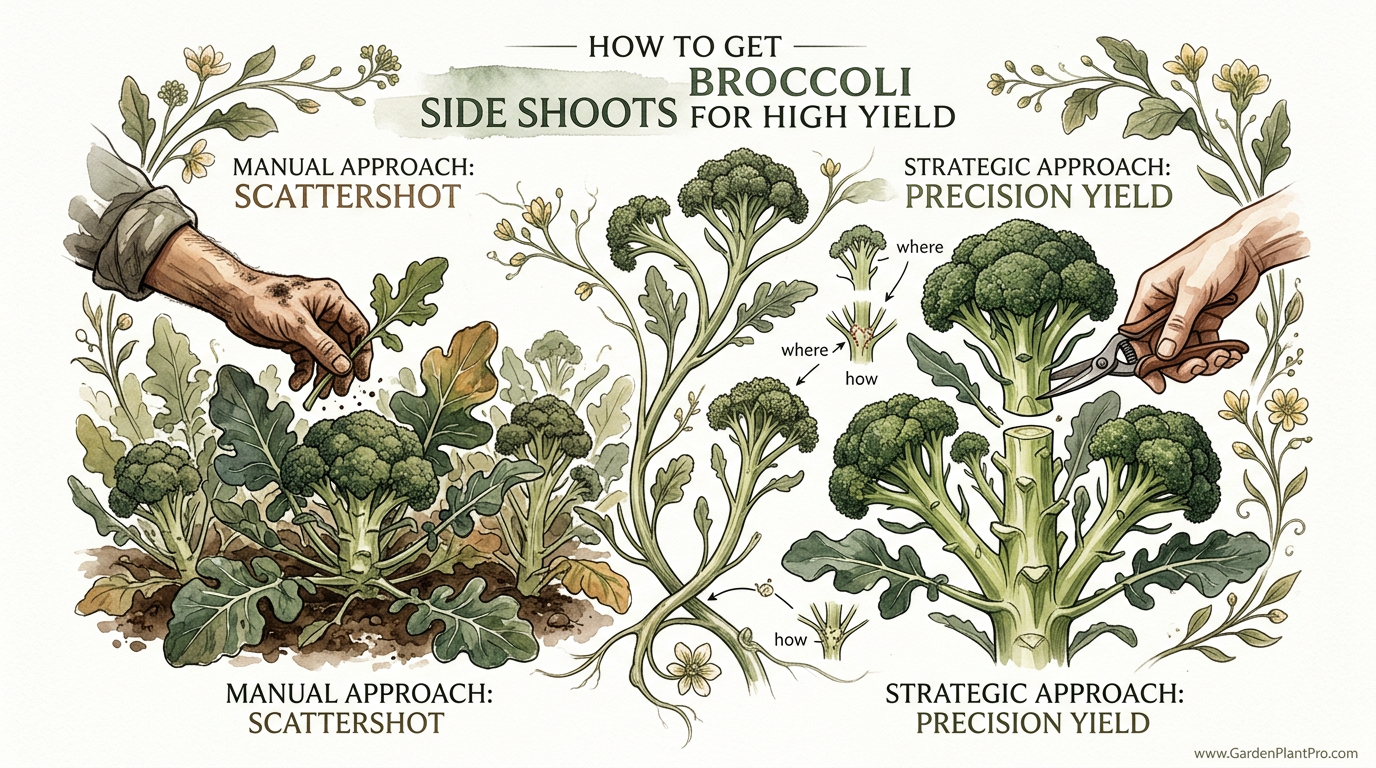
How To Get Broccoli Side Shoots For High Yield
Maximizing your yield starts the very moment you step into the garden with your harvesting knife. To get a heavy second and third crop, you must leave the plant enough “machinery” to keep working. This means keeping the main stalk and the large fan leaves intact. Those leaves are the solar panels of your broccoli plant; they collect the energy needed to fuel the next wave of growth.
In real-world terms, if you cut the plant too low—near the soil line—you’ve essentially killed the factory. The side shoots need the physical structure of the stem to grow from. You want to aim for a harvest that takes the head but leaves 5 to 6 inches (12 to 15 cm) of the main stalk still standing above the ground. This height provides ample space for multiple nodes where shoots can emerge.
Environmental consistency is the second half of the yield equation. Broccoli is a thirsty, hungry plant. Once the main head is gone, many gardeners stop watering or fertilizing. That’s the biggest mistake you can make. The plant has just gone through a major “surgery,” and it needs a boost of nitrogen and consistent moisture to recover and start the next production cycle. If the soil stays moist and the nutrients are available, you can expect a flush of side shoots every 7 to 10 days.
Varieties That Love to Produce
While almost all broccoli will give you some side shoots, certain varieties are the overachievers of the garden world. If you’re planning your garden specifically for a long harvest, look for “sprouting” varieties or classic heirlooms. These have been bred over generations to provide a steady supply of smaller florets rather than just one massive head.
- Calabrese: This is the gold standard for side shoots. It’s an old-fashioned Italian heirloom that produces a medium-sized head followed by an absolute explosion of side shoots for weeks on end.
- Waltham 29: A classic cold-hardy variety. I’ve found that Waltham is incredibly reliable in the fall. It waits until the weather is crisp to really show off its secondary production.
- De Cicco: This one is a bit of a multi-tasker. It matures early and stays relatively small, but it is famous for its prolific side-shoot production. It’s perfect for smaller gardens.
- Belstar: A hybrid that handles both heat and cold well. It produces a very tight, professional-looking center head, but unlike many commercial hybrids, it doesn’t quit after the first cut.
The Precision Cut: Step-by-Step Technique
How you make the cut is just as important as where you make it. I always tell my neighbors to keep their knives sharp and their hands steady. A jagged, torn stem is an open invitation for rot and pests. You want a clean, surgical incision that heals quickly so the plant can get back to business.
First, timing is everything. You want to harvest the main head when the buds are tight and dark green. If you see even a hint of yellow, those are the flowers starting to open. Once it starts blooming, the plant’s energy shifts toward making seeds, and your side shoot yield will plummet. I prefer to harvest in the early morning while the plant is still turgid and full of moisture from the night dew.
Second, use the “Angled Strategy.” Never cut the main stem straight across. Instead, make your cut at a 45-degree angle. This simple trick is a life-saver for the plant. A flat cut allows rainwater or irrigation to pool on top of the stem, which quickly leads to “stem rot”—a fungal issue that can kill the whole plant in a few days. An angled cut allows water to roll right off, keeping the “wound” dry and healthy.
Third, leave the “axils” alone. Look closely at where the big leaves meet the main stem. You’ll often see tiny green bumps already there. Those are the dormant side shoots. When you cut the main head, make sure your knife stays well above these points. If you accidentally slice off these nodes, you’re cutting off your future dinners. Leave about 2 to 3 inches (5 to 7 cm) of stem attached to the head you’re eating, but ensure at least 6 inches (15 cm) remains on the plant.
Feeding for the Second Wave
After that first harvest, your broccoli plant is going to be hungry. It has just put a massive amount of energy into creating that large center crown, and its “pantry” is empty. To trigger a heavy flush of side shoots, you need to provide a quick-release nutrient boost. In my garden, I call this the “Rebound Feeding.”
Nitrogen is the key player here. Broccoli is a heavy feeder, especially of nitrogen, which fuels leaf and stem growth. I like to use a side-dressing of well-composted manure or a high-quality organic liquid fertilizer right after the first cut. If you prefer granular, scratch a handful of 10-10-10 or a nitrogen-rich organic meal (like blood meal) into the top inch of soil around the base of the plant, then water it in deeply.
Don’t forget the micronutrients, either. I’ve found that a splash of liquid seaweed or kelp extract provides the trace minerals—like boron and molybdenum—that broccoli craves. A deficiency in boron can lead to hollow stems, which makes the plant more susceptible to breaking and disease. A quick foliar spray (spraying the leaves) with a diluted seaweed solution once every two weeks after the main harvest keeps the side shoots crisp and prevents that woody texture people often complain about.
Ongoing Care and Maintenance
Once you’ve made your strategic cut and fed the plant, your job isn’t quite over. Maintenance is what separates a 2-pound (0.9 kg) yield from a 5-pound (2.2 kg) yield. You have to keep the plant in its “vegetative growth” mindset for as long as possible. This means keeping it cool and protecting it from the stresses that tell it the season is over.
DIY PROJECT: Collect rainwater no matter where you live...
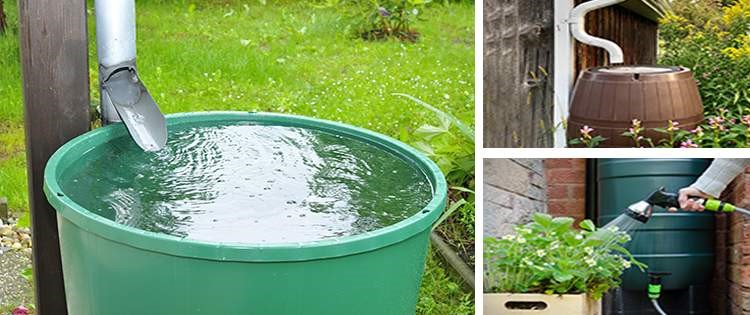
This DIY project is the best way to legally collect rainwater NO MATTER where you live. Get chlorine-free water, cut down on your water bills, and have enough for an emergency situation or to water your garden. Read More Here...
Mulching is your best friend here. A thick layer of straw, shredded leaves, or wood chips—at least 3 inches (7 cm) deep—acts like an insulator for the roots. Broccoli roots hate heat. If the soil temperature rises too high, the plant will “bolt,” sending up tall, skinny stalks that flower immediately. Mulch keeps the root zone 10 to 15 degrees cooler than the air, which is often enough to keep the side shoots coming through a surprise heatwave.
You also need to be a bit of a “leaf doctor.” As the plant grows, some of the older, lower leaves will start to yellow or turn purple. This is normal, but those dying leaves are a drain on resources and a hiding spot for pests like aphids and slugs. Every week, take your snips and remove any yellowing foliage. This improves airflow around the base of the plant, which is crucial for preventing downy mildew and other fungal issues that love stagnant, humid air.
Managing the “Cabbage Gatecrashers”
The side shoot season is often when pests are at their peak. Cabbage looper moths and those pesky little white butterflies are looking for a place to lay eggs. If you’re not careful, their larvae will eat your side shoots before you can get them to the kitchen. I’ve found that a simple “row cover”—a lightweight fabric draped over the plants—is the best defense. It lets in light and water but keeps the bugs out.
If you prefer not to use covers, keep a close eye on the undersides of the leaves. I keep a spray bottle of “Neem oil” or a simple soap-and-water mix handy. If you see those little green caterpillars, a quick blast usually does the trick. Just remember that if you’re harvesting side shoots every few days, you need to wash them thoroughly. There’s nothing that ruins a good stir-fry like a surprise caterpillar!
Benefits of the Multi-Harvest Approach
Why go to all this trouble? For one, it’s much more efficient. If you pull a plant after one harvest, you’re wasting the months of soil prep, watering, and space you gave that plant. By keeping it in the ground, you are getting “free” food from an established root system. It’s the ultimate way to maximize a small garden footprint.
The culinary benefits are just as significant. Side shoots are typically about 1 to 3 inches (2.5 to 7.5 cm) in diameter—perfect “bite-sized” pieces. Because they don’t have the thick, woody stems of the main crown, you can eat almost the entire shoot. I find they have a more concentrated “broccoli” flavor and a much better texture for roasting or steaming quickly. They are essentially the “broccolini” you see in high-end grocery stores, but you’re getting them for the price of a seed packet.
There is also the “Insurance Policy” factor. If a pest or a disease hits your main head, or if it buttons (forms a tiny, premature head) due to stress, the side shoots give the plant a second chance to produce. I’ve had years where my main heads were mediocre, but the side shoots were spectacular because the weather finally settled into a perfect groove late in the season.
Common Challenges and Pitfalls
Even the most experienced gardener runs into trouble sometimes. The biggest enemy of the side shoot is heat. If you are growing in a region where the spring turns into a scorching summer overnight, your side shoots might be bitter or tiny. In these cases, it might be better to cut your losses and plant something heat-tolerant, like beans or peppers. Broccoli is a cool-season crop, and you can’t fight nature forever.
Another common mistake is Harvest Hesitation. Folks see those cute little side shoots and think, “I’ll let them grow just one more day so they get bigger.” Don’t do it! Side shoots will never reach the size of the main head. If you wait too long, they will open up into yellow flowers, and the stem will become tough and stringy. Harvest them while they are tight and the “beads” are small. Consistent picking actually stimulates the plant to produce more shoots.
Lastly, watch out for Blunt Tools. I’ve seen people try to snap side shoots off by hand or use dull kitchen scissors. This often results in stripping the “skin” off the main stalk. This creates a massive wound that the plant struggles to heal, often leading to systemic infections. Use a dedicated pair of sharp garden snips or a clean grafting knife for every cut.
Limitations: When to Call It Quits
There comes a point where even the best-fed broccoli plant has nothing left to give. You’ll know it’s time to pull the plant when the new shoots start coming in “loose” and spindly. These are often called “tertiary shoots,” and they usually have very few buds and a lot of space between them. They are edible but rarely worth the garden space they occupy.
Environmental limits are also firm. If your daytime temperatures are consistently staying above 85°F (29°C), the plant will likely stop producing quality florets. Similarly, while broccoli can handle a “kiss” of frost, a hard freeze below 25°F (-4°C) will usually turn the remaining shoots into mush. If the weather forecast looks bleak, do one final “clear-cut” harvest and move the plant to the compost pile.
| Feature | Modern Heading Hybrids | Heirloom / Sprouting Types |
|---|---|---|
| Main Head Size | Large, dense, uniform | Medium to small, varying shapes |
| Side Shoot Quantity | Moderate (3-5 per plant) | High (10-20+ per plant) |
| Harvest Window | Short (2-3 weeks) | Long (6-10 weeks) |
| Nutrient Needs | Very High | Moderate to High |
| Flavor Profile | Mild, consistent | Complex, often sweeter |
Practical Tips for Immediate Success
If you have broccoli in the ground right now, here is exactly what I want you to do to ensure those side shoots arrive. First, check your mulch. If the soil is bare, get some straw down today. Keeping those roots cool is the “on” switch for secondary growth. Second, sharpen your favorite knife. A clean cut today means a faster harvest next week.
- Morning Harvest: Always cut between 6:00 AM and 9:00 AM. The cells are hydrated, and the flavor is at its peak.
- The 6-Inch Rule: Leave 6 inches (15 cm) of stem. Measure it if you have to! That extra stem is the reservoir of nutrients for the shoots.
- Liquid Gold: Give the plant a drink of compost tea or diluted fish emulsion immediately after harvesting the main head.
- Succession is Key: Don’t plant all your broccoli on the same day. Space your plantings two weeks apart so you aren’t overwhelmed by side shoots all at once.
Advanced Considerations for the Serious Grower
For those of you who want to take this to the next level, consider “Overwintering.” In many temperate zones, if you plant a late-summer crop, you can get a main harvest in the fall and then “hold” the plant over winter. In the early spring, as soon as the ground thaws, the plant will wake up and give you an incredible flush of side shoots before the aphids even wake up for the season.
You can also experiment with “Plant Spacing.” While commercial growers pack plants tight (12 inches / 30 cm apart) to maximize the single-head yield, I like to give my “side shoot” plants a bit more breathing room—about 18 to 24 inches (45 to 60 cm). This extra space allows more light to reach the lower nodes of the stem, which encourages more auxiliary buds to activate. A crowded plant often only produces shoots at the very top, whereas a spaced plant will produce them all the way down the stalk.
Finally, think about your soil pH. Broccoli is very sensitive to acidity. If your soil is below 6.0, the plant will struggle to take up the nitrogen and calcium it needs for those second and third flushes. I always add a bit of garden lime or wood ash to my broccoli beds in the fall to keep the pH in that “sweet spot” of 6.5 to 7.0. A happy root system makes for a prolific stem.
Example Scenario: The “Long Harvest” Garden
Imagine you have ten broccoli plants. Using the “one and done” method, you harvest ten heads in June and pull the plants. You might get 10 pounds (4.5 kg) of food. Now, imagine you use the strategic cut. You get those same 10 pounds in June. But by feeding and maintaining them, each plant gives you an additional 4 ounces (115 g) of side shoots every week for the next six weeks. That’s another 15 pounds (6.8 kg) of food from the exact same space and the exact same plants. You’ve more than doubled your return on investment just by being patient and using a sharp knife.
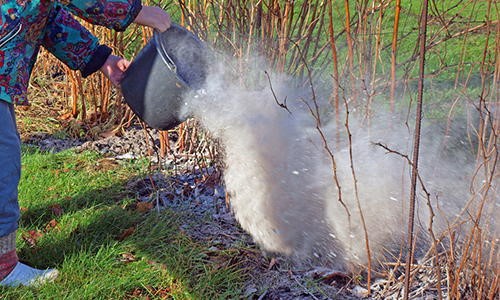
Do you have some charcoal in your house right now? We call charcoal a “miracle leftover” for anyone who wants to be a little more self-sufficient and cut costs. That’s because it can help you with so many different things around the house and garden. You can even use it to make an energy-free fridge. Read More Here...
This approach also helps with “kitchen fatigue.” Instead of having to process ten giant heads of broccoli in one weekend, you have a steady supply of fresh florets for your nightly salads and stir-fries. It turns the broccoli harvest from a stressful chore into a rewarding daily ritual.
Final Thoughts
Gardening is often a lesson in patience, but learning to harvest side shoots is a lesson in potential. When we look at a broccoli plant, we shouldn’t just see that one big crown; we should see a living system that wants to grow and produce for as long as the weather allows. By making that first cut with care and providing the plant with the nutrients it needs to recover, you’re honoring the work you put into the soil months ago.
I encourage you to experiment this season. Leave half of your plants in the ground after the main harvest and see the difference for yourself. Watch how the “auxiliary buds” respond to your care. You might find, as I did years ago, that the “bonus” broccoli is actually the best part of the whole season. Once you see those vibrant green shoots popping out of the stem, you’ll never pull a “spent” broccoli plant again.
The beauty of the garden is that there is always something new to learn, even from a plant as common as broccoli. Take care of your soil, keep your tools sharp, and don’t be in such a hurry to clear the beds. The best harvests often come to those who are willing to wait for the second act.