
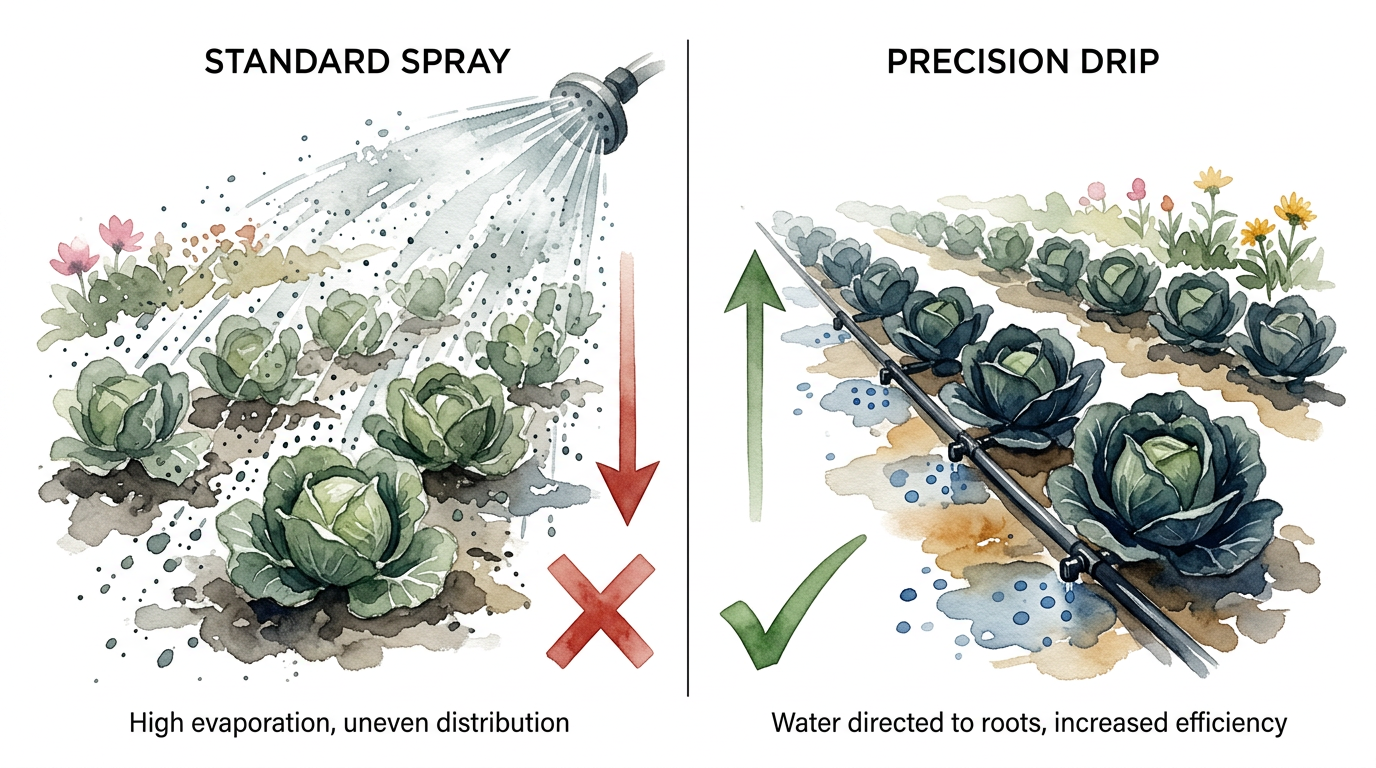
You might be watering the leaves, but the roots are the ones dying of thirst. Standard overhead watering is a recipe for mildew and split heads. Cabbages are heavy drinkers, but they hate wet leaves. Switching to precision root-zone watering ensures every drop goes toward growth, not fungus.
Cabbages are among the most rewarding yet temperamental crops in the garden. They demand a steady hand and a keen eye for moisture levels. When you master the art of delivering water exactly where it counts, you transform a struggling patch into a field of dense, heavy, and healthy heads.
This guide explores the transition from traditional, messy watering methods to a refined approach that mimics nature’s best patterns. We will walk through the science of soil moisture, the mechanics of cabbage growth, and the practical steps to ensure your harvest is nothing short of exceptional.
How To Water Cabbages For Best Yield
Cabbages require consistent, deep moisture to reach their full potential. In the gardening world, “consistency” is more than a buzzword; it is a physiological requirement for the Brassicaceae family. These plants are roughly 90% water, meaning their cell expansion and nutrient transport are entirely dependent on a reliable hydraulic system within the soil.
A lack of water leads to bitter leaves and stunted growth. Conversely, a sudden deluge after a dry spell is the primary cause of the dreaded split head. When the roots suddenly find an abundance of water after being parched, the internal leaves expand faster than the outer wrapper leaves can accommodate. The result is a head that bursts open, inviting pests and rot.
To achieve the best yield, you must aim for a soil moisture level that remains relatively stable throughout the growing season. This usually equates to 1.5 to 2 inches of water per week, depending on your local climate and soil type. Precision watering at the root zone is the most effective way to maintain this balance without the risks associated with overhead spraying.
The Mechanics of Root-Zone Precision
Precision root-zone watering involves delivering water directly to the soil surface or subsurface, specifically where the plant’s active root system is located. Unlike a standard sprinkler that broadcasts water across a wide area—wetting paths, weeds, and foliage—precision systems like drip irrigation or soaker hoses focus every drop on the target.
Cabbage roots are surprisingly efficient but sensitive to “wet feet” or anaerobic conditions. They need a mix of water and oxygen. By using a slow-release method, you allow the soil to absorb moisture at its natural infiltration rate. This prevents the “puddling” and “crusting” often seen with heavy overhead watering, which can starve roots of air and lead to soil compaction.
Understanding your soil’s texture is the first step in this process. Sandy soils lose water quickly and require more frequent, shorter watering cycles. Clay-heavy soils hold moisture longer but can easily become waterlogged if you aren’t careful. A precision system allows you to tune your delivery to match these specific soil physics, ensuring the root zone stays in that “goldilocks” zone of damp but breathable.
Benefits of Targeted Irrigation
Switching to a targeted system offers measurable advantages for both the plant and the gardener. The most immediate benefit is a significant reduction in disease pressure. Many of the most common cabbage ailments, such as Downy Mildew, Black Rot, and Alternaria leaf spot, are spread by water splashing from the soil onto the leaves or by prolonged leaf wetness.
Keeping the foliage dry eliminates the humid microclimate that fungal spores need to germinate. This is particularly important during the cool, damp mornings of spring or the humid evenings of late summer. When you water the roots instead of the leaves, you are practicing a form of preventative medicine for your garden.
Resource efficiency is another major factor. Precision delivery can reduce water waste by up to 60% compared to traditional furrow or overhead methods. This is because there is less evaporation into the air and less runoff into areas where the plant cannot reach. For those in drought-prone regions or with limited well capacity, this efficiency is the difference between a successful harvest and a total loss.
Challenges and Common Pitfalls
The most frequent mistake in cabbage cultivation is “yo-yo watering.” This happens when a gardener lets the soil dry out completely before giving the plants a massive soaking. This cycle of stress and surge is exactly what triggers splitting. Even with a precision system, you must stay on top of the schedule.
Another pitfall is failing to adjust watering as the cabbage matures. Seedlings need frequent, light watering to establish their delicate roots. As the plant enters the rosette stage and begins forming a head, its water demand skyrockets. If you keep the same schedule you used for seedlings, the maturing plants will likely be under-watered, resulting in small, loose heads.
Clogging is a practical challenge for drip systems. Minerals in hard water or sediment from a rain barrel can eventually block the small emitters. Without regular inspection, you might not notice that a specific plant is being starved of water until it begins to wilt or discolor. Always include a filter in your setup and walk your rows regularly to ensure every emitter is performing as intended.
Limitations of Precision Systems
While superior for growth, precision systems are not universal solutions. They require a higher initial investment in time and materials than a simple hose-end sprinkler. Laying out tubing, installing emitters, and setting up timers takes effort that some hobbyists might find daunting.
These systems also lack the “cooling effect” that overhead watering can provide during an extreme heatwave. Cabbages are cool-weather crops, and they can suffer when temperatures climb above 80°F. While root-zone watering keeps the plant hydrated, it does nothing to lower the ambient leaf temperature. In these rare cases, a very light “misting” might be necessary, though it remains a risky trade-off with disease.
Physical damage is another reality. Unlike a sprinkler that sits safely on the edge of the patch, drip lines are right in the thick of the garden. They can be nicked by hoes, chewed by rodents, or degraded by intense UV rays if not properly mulched or UV-rated. Maintenance is a recurring task that cannot be ignored if you want the system to last for multiple seasons.
Precision Drip vs. Standard Spray
Comparing these two methods reveals clear differences in efficiency, health outcomes, and maintenance requirements. While standard spray is easier to “set and forget,” it rarely produces the high-quality, dense heads that a precision system can achieve.
DIY PROJECT: Collect rainwater no matter where you live...
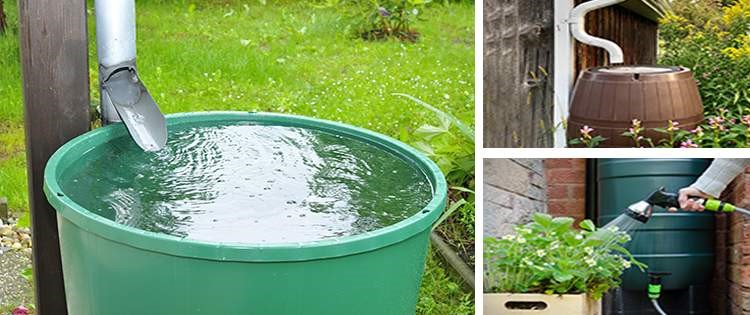
This DIY project is the best way to legally collect rainwater NO MATTER where you live. Get chlorine-free water, cut down on your water bills, and have enough for an emergency situation or to water your garden. Read More Here...
| Factor | Standard Spray (Overhead) | Precision Drip (Root-Zone) |
|---|---|---|
| Water Efficiency | Low (40-60% reaches roots) | High (90-95% reaches roots) |
| Disease Risk | High (frequent foliage wetness) | Low (foliage stays dry) |
| Soil Health | Prone to crusting and compaction | Maintains soil structure and aeration |
| Weed Growth | High (waters entire surface) | Low (waters only the crop) |
| Installation Complexity | Very Low | Moderate |
Practical Tips for Success
Start by using the “finger test.” Stick your index finger into the soil near the base of the plant up to the second knuckle. If the tip of your finger feels dry, it is time to water. If it feels muddy, you are overdoing it. This simple, manual check is often more reliable than the most expensive electronic sensors.
Mulching is the greatest partner to precision watering. A thick layer of clean straw, pine needles, or even shredded leaves helps to lock moisture into the soil. It prevents the sun from baking the ground and reduces evaporation from the surface. When you combine drip irrigation with mulch, you create a stable, cool environment that cabbages absolutely love.
Timing matters even with root-zone delivery. Aim to water in the early morning. This gives the plant a “full tank” of hydration before the heat of the midday sun increases transpiration rates. Watering early also ensures that any stray moisture that does hit the leaves has all day to evaporate, minimizing the window for fungal growth.
Advanced Considerations for Serious Growers
For those looking to push their yields even further, consider “fertigation.” This is the process of delivering water-soluble fertilizers directly through your irrigation system. Cabbages are heavy feeders, especially needing nitrogen in the early stages and potassium as the heads begin to firm up. Delivering these nutrients in small, frequent doses directly to the root zone ensures the plant never experiences a “hunger gap.”
Monitoring soil pH is another advanced step. Cabbages prefer a pH between 6.0 and 7.0. If your soil is too acidic, the plants can struggle with Clubroot, a devastating disease that thrives in wet, acidic conditions. Precision watering allows you to maintain the perfect moisture level without creating the “soggy” conditions that allow this pathogen to spread rapidly.
Consider the use of a tensiometer if you are managing a larger patch. This tool measures the “tension” or force that roots must use to pull water from the soil. It provides a scientific reading of exactly how thirsty your plants are. For a serious practitioner, this data removes the guesswork and allows for truly optimized watering schedules that can significantly increase the final head weight.
Example: Managing a Mid-Season Heatwave
Imagine a scenario where your cabbages are halfway through their heading stage. The weather forecast calls for three days of 90°F heat followed by a predicted thunderstorm. This is a “red alert” situation for cabbage heads.
In a standard system, many gardeners would panic and soak the soil heavily on the first day of the heatwave. However, if the thunderstorm arrives as predicted, the soil becomes oversaturated, and the heads will likely split. Using a precision system, you would instead maintain your steady, daily watering schedule—perhaps increasing the duration by only 10% to account for the heat.
If the storm hits, you can immediately pause your system. Because your soil was already at a consistent “damp-not-soaked” state, the influx of rainwater is less likely to cause a massive growth surge. The precision approach acts as a buffer, smoothing out the environmental extremes that would otherwise destroy your crop.
Final Thoughts
Mastering cabbage irrigation is a journey from observation to action. It requires a shift in perspective, moving away from the idea of “watering the garden” and toward the goal of “nurturing the root zone.” The transition to precision methods might seem technical at first, but the results—heavy, crisp, and disease-free heads—speak for themselves.
Consistency is the thread that ties all these practices together. Whether you are using a high-tech drip system or a carefully monitored soaker hose, your objective is to provide the plant with a reliable environment. When a cabbage doesn’t have to fight against drought or drowning, it can put all its energy into building the dense layers of leaves we prize.
Take the time to walk your rows and feel the soil. Learn the subtle signs of thirst in the leaves and the firming of the heads as they mature. Every season offers new lessons in how water, soil, and plant biology interact. By applying these precision techniques, you are not just growing vegetables; you are stewarding a living system toward its most productive potential.