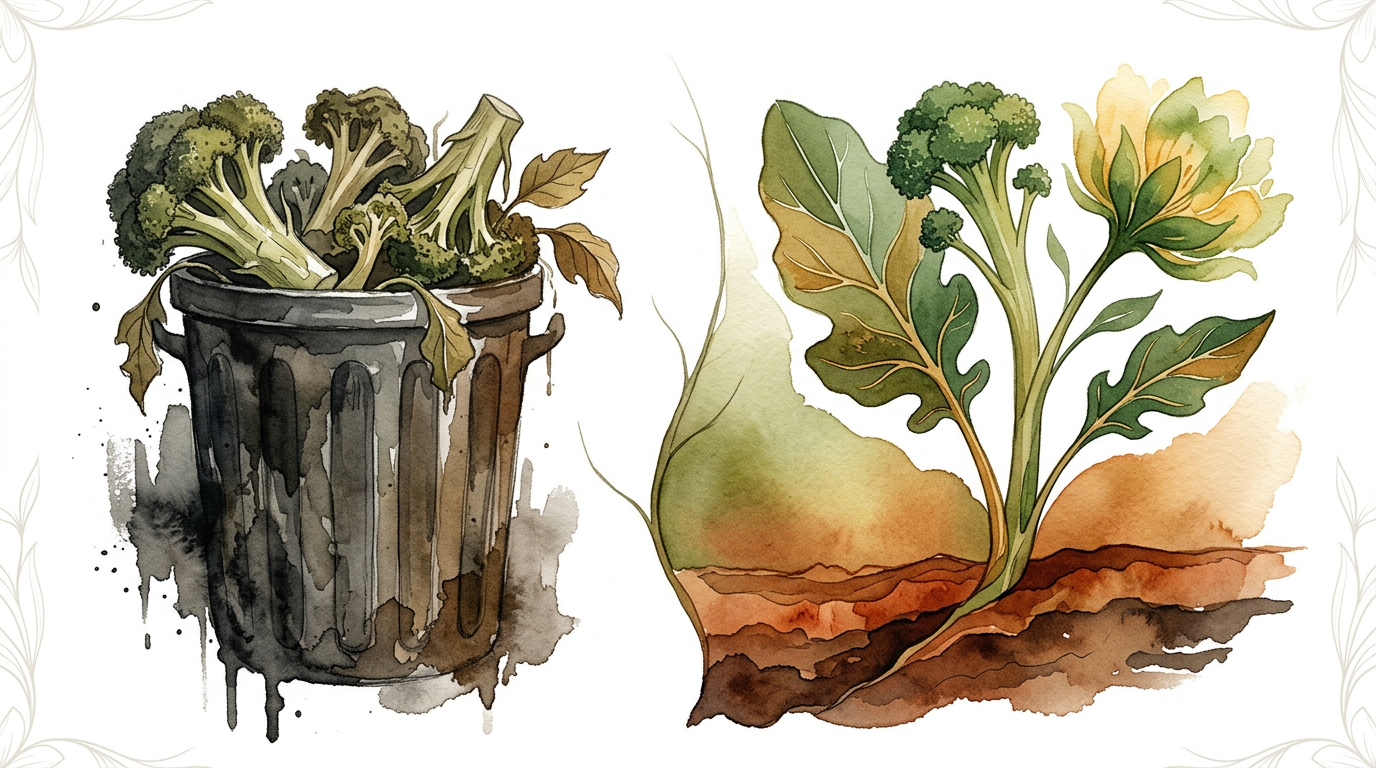
Are you throwing away the most valuable part of your broccoli harvest? Most gardeners toss the leaves and stalks, but they are discarding biological gold. From nutrient-rich mulch to high-fiber cooking, every part of the broccoli plant is fuel for your body or your soil. Turn your ‘waste’ into your secret weapon.
For generations, the standard grocery store experience has trained us to view broccoli as a collection of green florets on a short, woody handle. This narrow perspective leads to an incredible amount of waste in both the kitchen and the garden. In reality, the flowering head accounts for only about 15% of the total plant biomass. The remaining 85%, consisting of large, leathery leaves and a thick, central stalk, is often destined for the trash bin or, at best, a slow-moving compost pile.
Learning to use the whole plant is more than just a frugal habit; it is a return to a resourceful, pioneer-style approach to self-sufficiency. When you look at a mature broccoli plant, you aren’t just looking at one meal. You are looking at a week’s worth of leafy greens, a versatile root-like vegetable in the stalk, and a potent soil amendment that can protect your future crops from disease. Breaking down the barriers of “trash bin waste” and turning it into “garden fuel” is the hallmark of a master grower.
Can You Eat Broccoli Leaves?
The short answer is a resounding yes. Broccoli (Brassica oleracea var. italica) is a close relative of kale, collards, and cabbage. In fact, they are all the same species, just bred for different characteristics. While kale was selected for its leaves and cabbage for its tight terminal buds, broccoli was selected for its immature flower heads. This means the leaves surrounding a broccoli head are essentially a form of gourmet kale that most people never think to harvest.
These leaves are not just edible; they are often more nutritious than the florets themselves. They possess a mild, earthy flavor that sits somewhere between the sweetness of a collard green and the peppery snap of a radish. In the world of botany, leaves are the plant’s solar panels, and in the case of the broccoli plant, they are densely packed with minerals and vitamins pulled directly from the soil. Because they are tougher than lettuce, they hold up beautifully to high-heat cooking and long simmers.
Historically, in Mediterranean cultures where broccoli originated, nothing went to waste. Italian “spigariello” is a variety of leaf broccoli grown specifically for its greens, yet many modern gardeners overlook the fact that their standard “Calabrese” heading broccoli offers nearly identical foliage. Whether you are sautéing them in garlic or using them as a gluten-free wrap, these leaves are a powerhouse of flavor and health.
How to Harvest and Prepare the Whole Plant
To maximize the utility of your broccoli, you must change your harvest timeline. Most people cut the head and then pull the entire plant out of the ground to make room for the next crop. This is a mistake. A more efficient method involves a multi-stage harvest that respects the plant’s biology and provides a steady stream of food and garden materials.
The Leaf Harvest
You can begin harvesting leaves long before the central head is ready. Start by taking the lower, older leaves once the plant is established. These are the “tough guys” of the plant, rich in fiber and minerals. Always leave at least two-thirds of the foliage intact so the plant can continue to photosynthesize and produce a large head. Once you finally harvest the main floret, you can strip the remaining leaves entirely. If they are large, remove the central rib—just as you would with kale—and julienne the greens for a quick stir-fry.
Mastering the Stalk
The biggest hurdle to eating broccoli stalks is the “bark.” The outer layer of a mature stalk is incredibly fibrous and woody, which is why most people find it unpalatable. However, beneath that tough exterior lies a core that is tender, sweet, and almost water-chestnut-like in texture. To prepare it, use a vegetable peeler or a sharp knife to remove the outer 1/8th inch of the skin until you reach the pale green or white center. Once peeled, the stalk can be sliced into rounds for roasting, grated into a slaw, or diced for a hearty soup base.
Garden Integration
Once the edible parts are secured, the remaining woody roots and any pest-damaged leaves should be returned to the earth. Instead of simply tossing them on a heap, chop them into 2-inch pieces. This increases the surface area for microbes to attack, speeding up the decomposition process. Incorporating these residues directly into your garden beds can serve as a “bio-fumigant,” a natural process where the plant’s chemistry helps suppress soil-borne pathogens and pests.
Benefits of Using Every Part
The advantages of whole-plant utilization span across nutrition, economics, and soil health. By treating your broccoli as a multi-purpose crop, you effectively triple your yield without needing an extra square inch of garden space. This is the ultimate efficiency for small-scale homesteaders and urban gardeners alike.
- Nutritional Density: Broccoli leaves contain significantly higher concentrations of Vitamin A (as beta-carotene), Vitamin K, and calcium than the florets. While the florets are famous for sulforaphane, the leaves are the antioxidant champions of the plant.
- Prebiotic Power: The stalks are loaded with insoluble fiber. This acts as a prebiotic, feeding the beneficial bacteria in your gut. Research suggests that eating the stalk along with the floret actually improves the absorption of the plant’s cancer-fighting compounds.
- Soil Bio-Fumigation: When broccoli residues decompose in the soil, they release volatile compounds called isothiocyanates. These are natural biocides that can reduce populations of harmful nematodes and fungi like Verticillium wilt.
- Animal Feed: If you keep chickens or rabbits, broccoli leaves are a high-protein, high-calcium supplement that improves eggshell quality and overall livestock health during the cooler months.
Challenges and Common Mistakes
The most frequent error is waiting too long to harvest the foliage. As the plant focuses its energy on producing seeds (bolting), the leaves can become increasingly bitter and the stalks can turn completely woody. If you see the yellow flowers starting to open, your window for “tender” greens is closing rapidly.
Another challenge is the “hitchhikers.” Broccoli is a favorite of the Cabbage White butterfly, and the large leaves are often a nursery for green caterpillars. If you aren’t careful during the washing process, you might end up with more protein in your sauté than you intended. Always soak leaves in cool, salted water for ten minutes to dislodge any aphids or larvae hiding in the curls of the foliage.
In the garden, the toughness of the stalks can be a hindrance. If you throw whole, un-chopped broccoli stalks into a cold compost pile, they may still be there a year later. They require significant moisture and nitrogen to break down. If your compost is “stalled,” it’s likely because these carbon-heavy stalks haven’t been broken into small enough pieces to let the bacteria in.
Limitations: When to Avoid Using Certain Parts
While broccoli is generally safe and beneficial, there are specific scenarios where you should exercise caution. Environmental factors and personal health considerations play a role in how you should utilize your harvest residues.
Pest and Disease Contamination: If your broccoli plants were heavily infested with “Clubroot” (a fungal disease that causes swollen, deformed roots), do not incorporate the stalks or roots back into your soil. This will only spread the spores and haunt your Brassica crops for years to come. In this case, the affected parts should be removed from the property or burned.
Health Constraints: Like all cruciferous vegetables, broccoli contains goitrogens, which can interfere with thyroid function if consumed in massive quantities in a raw state. Those with existing thyroid conditions should focus on cooking the leaves and stalks, as heat neutralizes most of these compounds. Additionally, the high Vitamin K content in the leaves can interfere with blood-thinning medications like Warfarin; if you are on such a regimen, consult your doctor about consistent intake levels.
Comparison: Broccoli Leaves vs. Broccoli Florets
To understand why you should stop throwing the leaves away, look at the nutritional and culinary breakdown. While we often prioritize the floret for its appearance, the leaf and stalk hold their own in every category.
| Feature | Broccoli Florets | Broccoli Leaves | Broccoli Stalks |
|---|---|---|---|
| Main Nutrient | Vitamin C / Sulforaphane | Vitamin A / Vitamin K | Fiber / Potassium |
| Flavor Profile | Soft, sulfurous, nutty | Earthy, sweet, robust | Crunchy, mild, sweet |
| Cooking Time | 3–5 minutes | 5–8 minutes | 8–12 minutes (if peeled) |
| Waste Potential | Low (15% of plant) | High (47% of plant) | High (21% of plant) |
Practical Tips for a Zero-Waste Harvest
Implementing a whole-plant strategy requires a few simple shifts in your kitchen and garden routine. These best practices ensure you get the maximum value out of every seed you plant.
DIY PROJECT: Collect rainwater no matter where you live...
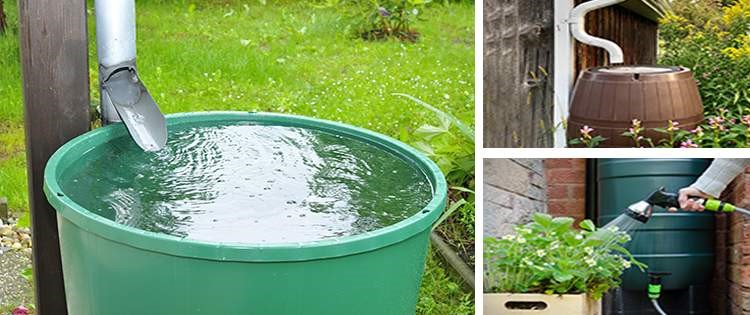
This DIY project is the best way to legally collect rainwater NO MATTER where you live. Get chlorine-free water, cut down on your water bills, and have enough for an emergency situation or to water your garden. Read More Here...
- The “Slaw” Secret: Use a box grater or a food processor to shred peeled stalks. Mix them with a standard vinaigrette for a “broccoli slaw” that is crunchier and stays fresh longer than traditional cabbage slaw.
- Sheet Mulching with Stalks: If you don’t want to dig the stalks into the soil, use them as the base layer for a new garden bed. Their slow decomposition provides long-term “slow-release” aeration for the soil as they rot.
- Freezing for Smoothies: If you have an abundance of leaves, blanch them for 60 seconds, shock them in ice water, and freeze them in “pucks.” Drop these into your morning smoothie for a massive nutrient boost that you won’t even taste.
- Fermentation: Peeled broccoli stalks are excellent candidates for lacto-fermentation. Slice them into sticks and ferment them in a 2% salt brine with dill and garlic. They stay incredibly crisp, much like a fermented pickle.
Advanced Considerations: The Science of Biofumigation
For the serious practitioner, the use of broccoli “waste” goes beyond simple composting. It enters the realm of soil science. When you chop and incorporate broccoli residues into moist soil and cover it with a tarp, you are performing a localized biofumigation. The moisture triggers an enzyme called myrosinase, which reacts with glucosinolates in the plant tissue to produce isothiocyanates.
This gas-phase reaction is most potent when the plant material is green and “juicy.” This is why tilling in your broccoli residues immediately after harvest—rather than letting them dry out on the surface—is the most effective way to clean your soil of pathogens. It is a technique used by large-scale organic farmers to manage soil health without synthetic chemicals, and it works just as well in a 4×8 raised bed.
A Realistic Example: The Two-Pound Yield
Imagine you harvest a single large head of broccoli that weighs about half a pound (8 ounces). In a traditional household, that is the extent of the harvest. However, if you apply the whole-plant method, you will also strip about one pound of leaves and nearly half a pound of stalk material.
By peeling that stalk and sautéing those leaves, you have turned an 8-ounce “side dish” into two pounds of total food. That is a 400% increase in food production from the exact same plant. In a world where food prices are rising and garden space is at a premium, failing to use these parts is simply leaving money on the table.
Final Thoughts
Embracing the whole broccoli plant is a journey back to the roots of gardening. It requires us to look past the sanitized, “heads-only” version of vegetables sold in plastic wrap and see the biological complexity of the living organism. When you stop seeing leaves as “scraps” and stalks as “trash,” your garden becomes a much more productive and resilient ecosystem.
The next time you head out to the garden with your harvest knife, don’t just aim for the green florets. Take the time to strip the leaves and preserve the stalks. Whether they end up on your dinner plate as a nutrient-dense sauté or in your soil as a protective bio-fumigant, they are far too valuable to ever see the inside of a trash bin. Your body and your garden will thank you for the grit and resourcefulness of using everything you grow.